

While many people associate hummingbirds with the warmer climates of the southern United States, a vibrant and feisty group of these tiny birds makes an incredible migratory journey each year to the Land of 10,000 Lakes. As the state thaws and flowers begin to bloom, these remarkable creatures arrive to feed, breed, and raise their young.
Though Minnesota is primarily home to one breeding species, a handful of other accidental visitors can occasionally be spotted, making for an exciting discovery for any birdwatcher.
Here are five distinct hummingbirds you might be able to spot in Minnesota.
1. Ruby-throated Hummingbird (Archilochus colubris)
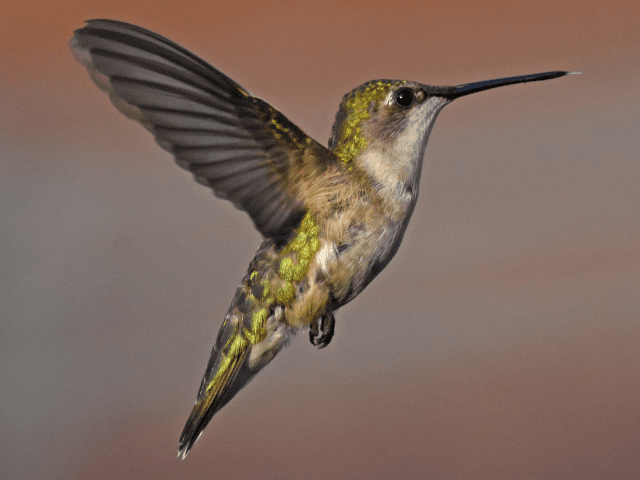
This is the star of the show and the only hummingbird species that regularly breeds in Minnesota. Arriving in the state around the first week of May, these tiny birds are a sure sign that spring has fully arrived.
The male is easily identified by his iridescent green back and the spectacular, shimmering ruby-red throat patch, or gorget, which can look black in certain light. Females and juveniles have a white throat. Their ability to hover and fly backward, along with their rapid wingbeats, makes them a joy to watch at feeders and flower gardens across the state.
2. Rufous Hummingbird (Selasphorus rufus)

A rare but exciting visitor, the Rufous Hummingbird is a western species that occasionally appears in Minnesota, especially during the late summer and fall migration. Adult males are a brilliant sight, with fiery orange-red backs and bellies and a vivid iridescent-red throat. Females are greenish above with rusty-washed flanks and tail feathers.
These fearless and aggressive birds are known for their feisty temperament, often chasing off other hummingbirds and even larger birds from their chosen food sources.
3. Anna's Hummingbird (Calypte anna)
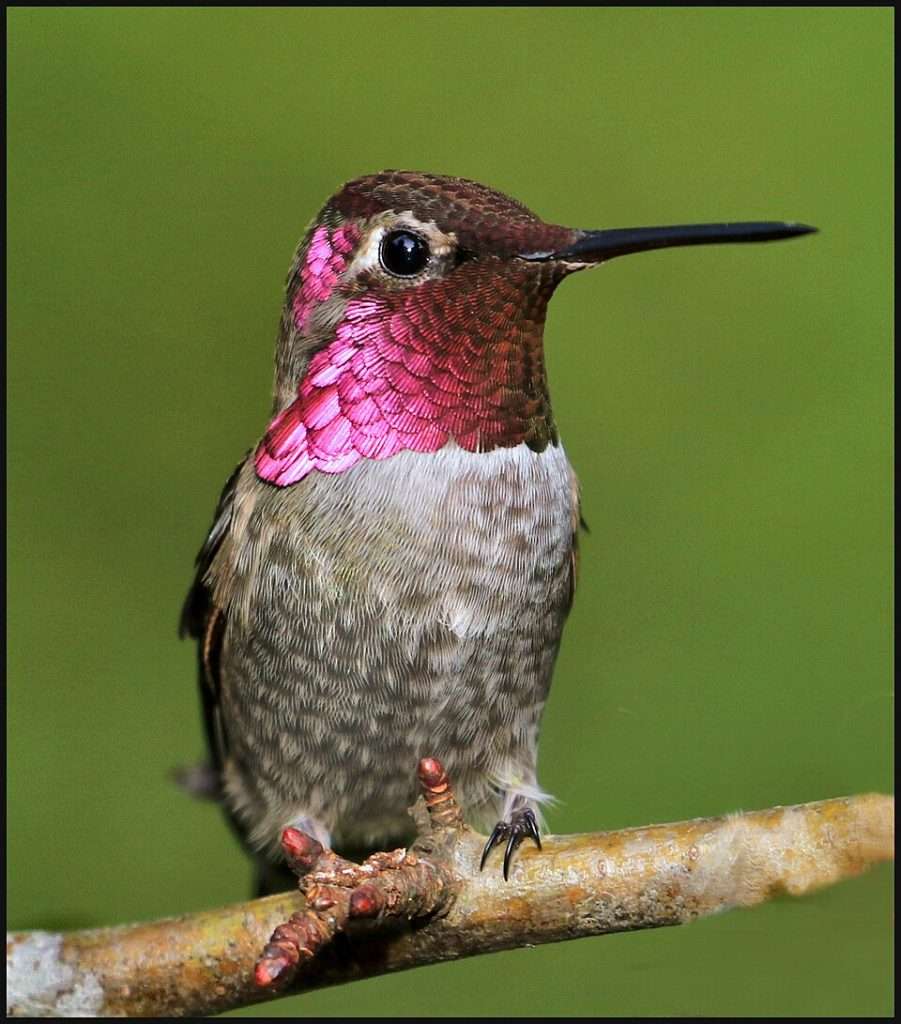
Considered a rare or accidental visitor to Minnesota, the Anna's Hummingbird is another western species that can show up as a surprise to birders. Males have a striking, iridescent rose-red crown and throat that can appear black or dark purple depending on the light.
Anna's Hummingbirds are also one of the more vocal hummingbird species in the United States, with a distinct song that sets them apart.
4. Calliope Hummingbird (Selasphorus calliope)

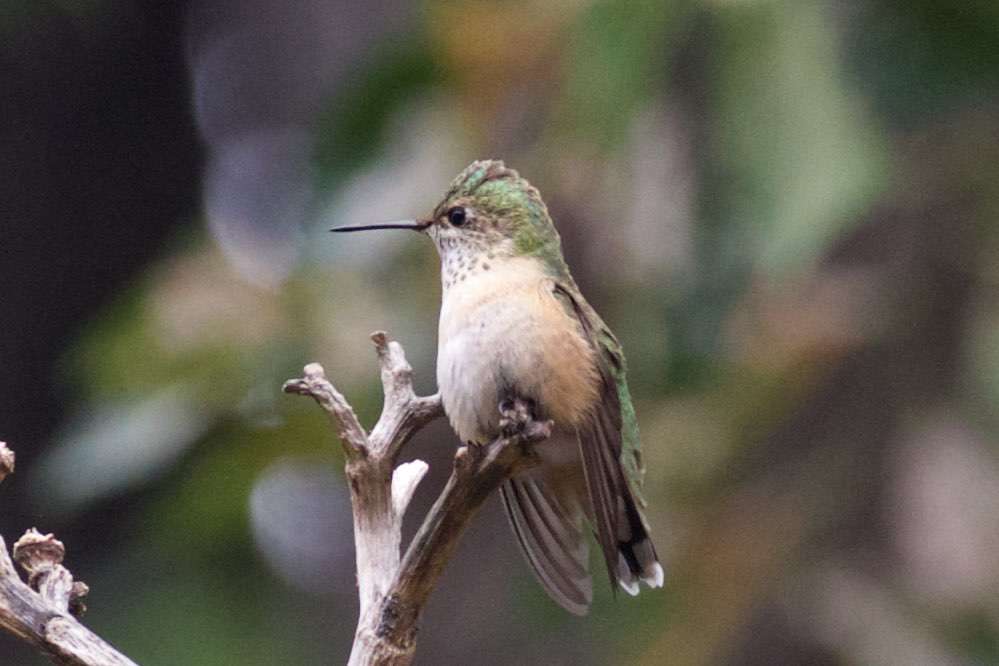
As the smallest bird species in North America, the Calliope Hummingbird is a truly remarkable sight. This tiny bird, which is another rare visitor to Minnesota, breeds in the mountainous regions of the Pacific Northwest and migrates a great distance.
Males are distinguished by their magenta-streaked throat, which flares out into a "whiskered" pattern when they display.
5. Rivoli's Hummingbird (Eugenes fulgens)

True to its name, the Rivoli's (formerly known as the Magnificent) Hummingbird is one of the largest hummingbirds in North America and a very rare find in Minnesota. With only a handful of documented sightings, this hummingbird is considered an extremely lucky spot for a Minnesota birder.
Males have a green throat, a violet crown, and a black chest, a unique combination that makes them stand out from the other species.
Tips To Attract Hummingbirds Of Minnesota
Attracting hummingbirds to your Minnesota backyard is a rewarding experience, especially when you see the dazzling Ruby-throated Hummingbird arrive each spring. While feeders are a great way to get a close-up view, creating a comprehensive habitat with the right plants is the most effective and sustainable way to attract these energetic birds.
1. Plant a Hummingbird-Friendly Garden
Hummingbirds get the majority of their food from nectar-rich flowers. By planting a variety of flowers that bloom throughout the season, you can ensure they have a consistent food source from the time they arrive in late spring until they depart in the fall. Hummingbirds are particularly attracted to tubular, brightly colored flowers, especially red, orange, and pink.
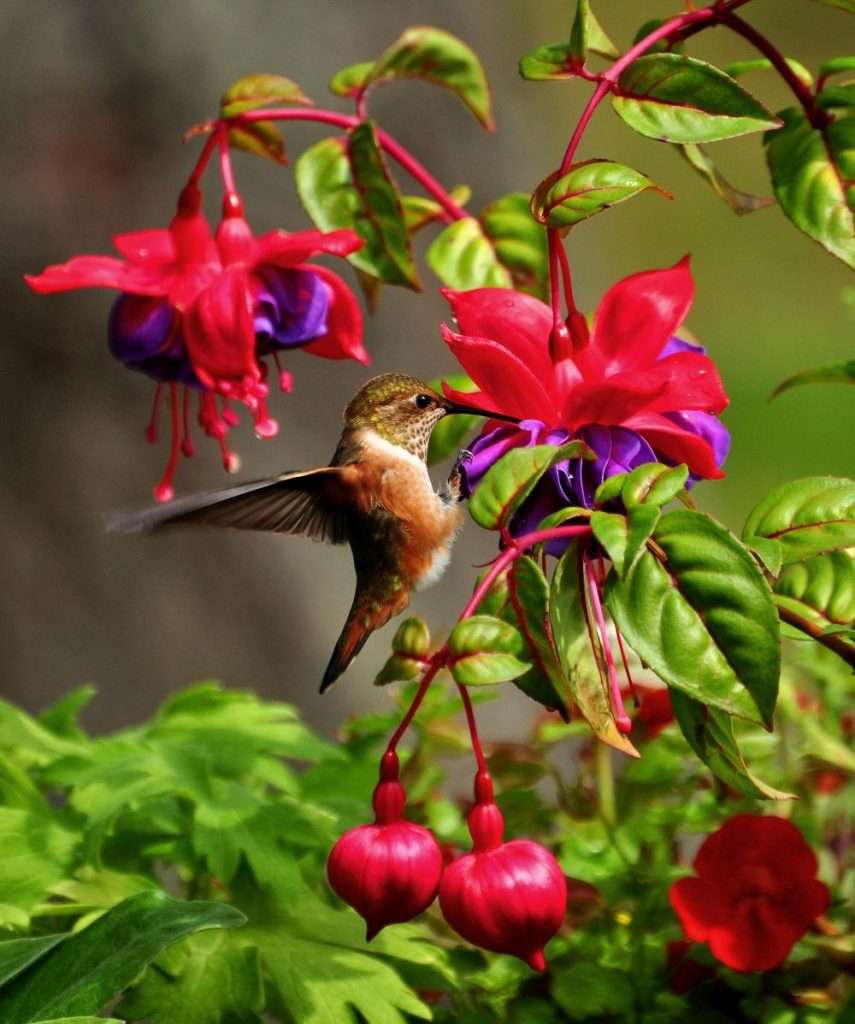
Some excellent plant choices for Minnesota include:
Native Plants: These are often the best choice as they are well-adapted to the local climate and provide a natural food source.4 Look for Wild Columbine, Cardinal Flower, Anise Hyssop, Bee Balm (specifically the red varieties), and Swamp Milkweed.
Annuals and Perennials: Many non-native but hummingbird-friendly plants thrive in Minnesota. Popular choices include salvias, petunias, fuchsias, and zinnias.
Vines: Consider planting a vine like Trumpet Honeysuckle on a trellis or fence.5 It provides both nectar and a place for the birds to perch.
2. Set Up and Maintain Hummingbird Feeders
Feeders are a fantastic way to supplement the natural food sources in your garden. They are particularly useful when hummingbirds first arrive in the spring and are preparing for their migration in the fall.
Nectar Recipe: Make your own simple nectar solution with a ratio of one part granulated white sugar to four parts water. It's not necessary to boil the water, but be sure to mix it well.
No Red Dye: Avoid using red food coloring in your nectar. The red color of the feeder itself is enough to attract the birds, and the dye can be harmful.
Placement: Place your feeders in a shaded area to prevent the nectar from spoiling too quickly. A location near a potential shelter, like a tree or bush, is ideal, but not directly under the canopy where it might be hidden.
Cleanliness is Key: Hummingbird feeders must be cleaned regularly to prevent mold and bacteria growth. Clean and refill them every few days, especially in warmer weather. A simple rinse with hot water is often sufficient.
3. Provide Other Resources
Hummingbirds need more than just nectar to survive. They also require insects for protein and nesting materials.
Pesticide-Free Zone: Avoid using pesticides in your yard. Hummingbirds eat small insects and spiders, which are a crucial part of their diet, especially for feeding their young.
Nesting Material: Hummingbirds build tiny, cup-shaped nests using things like spider silk, moss, and plant down. Leaving some of this natural material in your yard can encourage them to nest.
Water Source: While they get moisture from nectar, hummingbirds also need water for drinking and bathing. They are attracted to misting fountains or sprinklers, as they will fly through the fine spray. A shallow birdbath can also be a good option.
Perches: Hummingbirds will often perch on a high branch or wire to rest and survey their territory. Provide some nearby perches so they can take a break between meals.
By creating a diverse and welcoming environment with these tips, you can enjoy the hangtime antics of Minnesota's hummingbirds all season long.

Frequently Asked Questions
What is the most common hummingbird in Minnesota?
The most common and widespread hummingbird in Minnesota is the Ruby-throated Hummingbird.
It is the only hummingbird species that regularly breeds in the state, arriving in late April or early May after a long migration from its wintering grounds in Central America. The males, with their distinctive iridescent ruby-red throat patch, are a familiar sight in backyards, parks, and gardens across Minnesota throughout the summer.
While other species like the Rufous, Anna's, and Calliope hummingbirds have been sighted in Minnesota, they are considered rare or accidental visitors and are not part of the state's regular breeding population. Therefore, if you spot a hummingbird in Minnesota, especially between May and September, there's an overwhelming chance it's a Ruby-throated Hummingbird.
Do hummingbirds nest in Minnesota?
Yes, hummingbirds do nest in Minnesota. The Ruby-throated Hummingbird, the state's only breeding hummingbird species, builds its tiny, intricate nests across the entire state.
Breeding Range: The Ruby-throated Hummingbird's breeding range covers the eastern half of the United States and extends into central and eastern Canada, including all of Minnesota.
Nest Construction: The female hummingbird is the sole builder of the nest. She constructs a tiny, cup-shaped nest, about the size of a thimble, often on a small, downward-sloping branch of a deciduous tree.
Nesting Materials: She uses materials like bud scales, plant fibers, and soft plant down to create the nest. The nest's most crucial ingredient is spider silk, which she uses to bind the nest together and secure it to the branch. The spider silk also provides elasticity, allowing the nest to stretch as the two pea-sized young grow. The outside is often camouflaged with lichens and moss to make it virtually invisible to predators.
Parental Care: After mating, the male has no further involvement. The female incubates the two eggs for about two weeks and then feeds the young on her own for the next 18 to 22 days until they fledge.
When to Look: The nesting season in Minnesota typically begins in late spring, after the hummingbirds have arrived from their wintering grounds. You'll likely see the nests from late May through early July.

Where do hummingbirds go in winter?
Minnesota's hummingbirds, which are almost exclusively Ruby-throated Hummingbirds, are dedicated long-distance migrants. When the days shorten and the flowers begin to fade in late summer, they embark on an incredible journey to escape the cold Minnesota winter.
Their wintering grounds are located primarily in Central America and southern Mexico, as far south as Panama. To get there, they undertake a remarkable migration that can be thousands of miles long.
A fascinating aspect of their journey is that many of these tiny birds make a non-stop flight across the Gulf of Mexico. This is an extraordinary feat for a bird so small, as the journey can last for over 20 hours with no opportunity to land or refuel. They prepare for this strenuous flight by building up their fat reserves, sometimes gaining up to 40% of their body weight before they depart.
While the majority of Minnesota's hummingbirds head south of the border for the winter, a small number of stragglers or accidental hummingbirds from other regions have been known to overwinter in warmer parts of the United States, particularly along the Gulf Coast and in southern Florida. However, for the birds that spend their summers in Minnesota, their destination is the tropical warmth of Central America, where they will find abundant food sources until they begin their journey north again in the spring.
Wrapping Up
While the Ruby-throated Hummingbird will be your most common sighting, the possibility of an unexpected visitor adds an extra layer of excitement to Minnesota birdwatching. By planting native tubular flowers and setting up a feeder with a simple sugar-water solution (one part granulated sugar to four parts water), you can attract these tiny acrobats and give yourself a chance to witness one of nature's most impressive displays of hangtime.
But, we can't rule out nature's miracles since there are sightings of at least four accidental hummers. Don't you think that's a good number to see?
5 Best Hummingbird Bird Baths & Water Fountains (2025)
