

Eat, eat, relax till it's daytime, continue feasting. That's a candid take on how hummingbirds sleep.
But, it isn't the entire picture...
For a tiny bird almost endlessly flapping its wings, more times than you can imagine in the blink of an eye. Hummingbirds burn a boatload of energy flying around for the day's sweet nectar. And then expend even more energy trying to keep warm at night or asleep. A hummer only stops foraging when darkness falls. Hummingbirds generally then fly to their safe place to pass the night.
So, how do hummingbirds sleep? Let's get to it.
First…
Where Do Hummingbirds Sleep?
No, they don't sleep in holes or in any cryptic place. The latch onto a branch in their favorite spot when they need to get some Zs. A favorite spot or safe place is usually a sheltering of trees or shrubs around to flee or hide from predators and casually for some warmth.
Take note: you can attract lots of hummers if you set up your backyard this way.
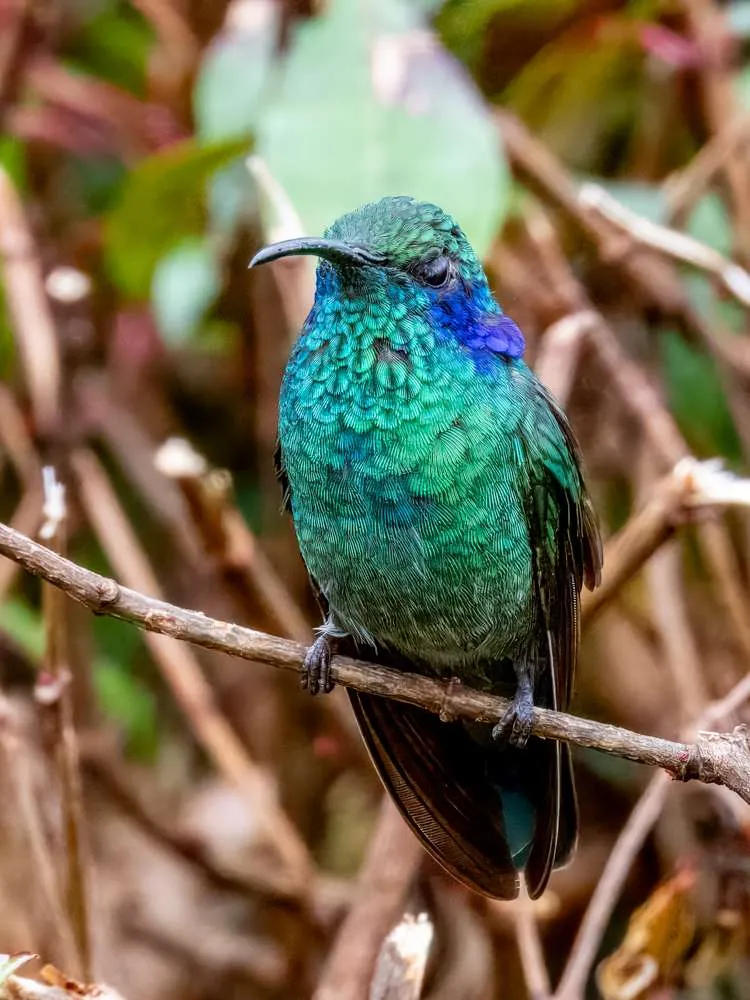
Why Hummingbirds Need Their Beauty Sleep
Hummingbirds are in a constant hustle to sustain their astoundingly speedy wings, second only to some species of Manakin. Their diet consists mainly of nectar and insects and they need to eat constantly through the day to survive. And that is not only for zipping around during the day hours but also to keep alive during the night.
Explaining Hummingbird Torpor
It illustrates how these little birds survive out on cold winter nights without a fur or blanket for warmth. It's an extraordinary body state. In torpor, the hummer shuts down its whole system to stop generating heat, which would zap some energy. It doesn't puff up or anything like that. It looks pretty much dead. You can hold the bird in your hand, and it'd be stiff as wood.
A torpid hummer stays in the zone for about 20 minutes to an hour before returning to life.
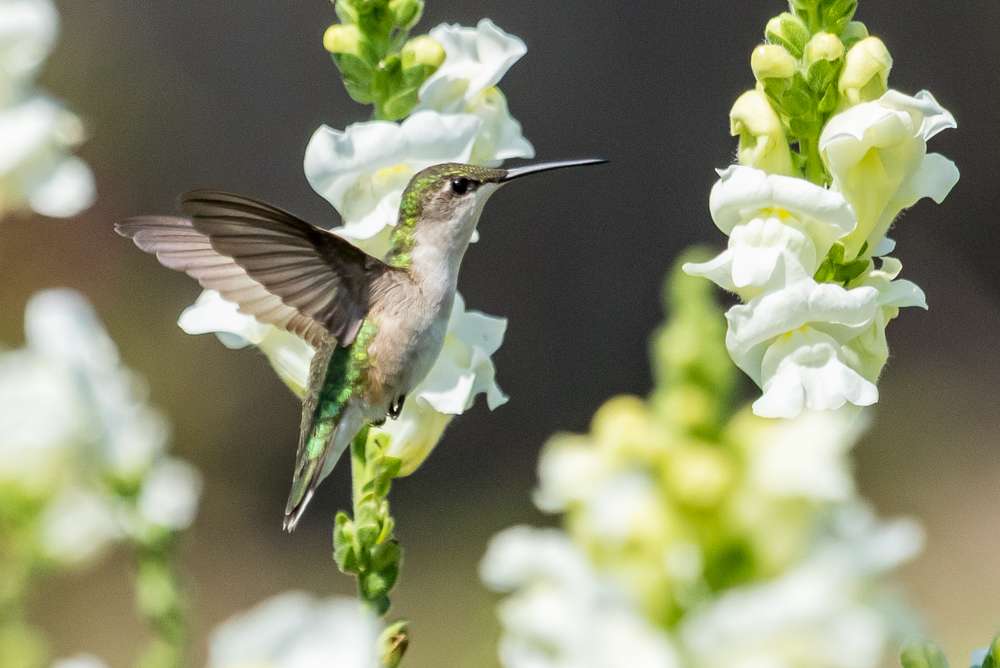
How Long Do Hummingbirds Sleep?
These jewels of the forest will switch between torpor and a sort of REM sleep all night. At day break, right after recovering from torpor, they can eat as much as a fourth of their daily intake.
During Migration
Hummingbirds take on migration journeys of over hundreds or thousands of miles every year. It takes a lot of energy to complete, so they typically fly all through the day and rest at night. If they have to cross an ocean or large water body, where there's no place to rest their claws, they can travel for hours until they reach their destination.
Wonder how these little birds have such endurance? Well, they overeat in preparation for the journey across borders, almost doubling their weight.
The Ruby-Throated Hummingbird, for instance, flies for over 20 hours non-stop from Texas to cross the Gulf of Mexico.
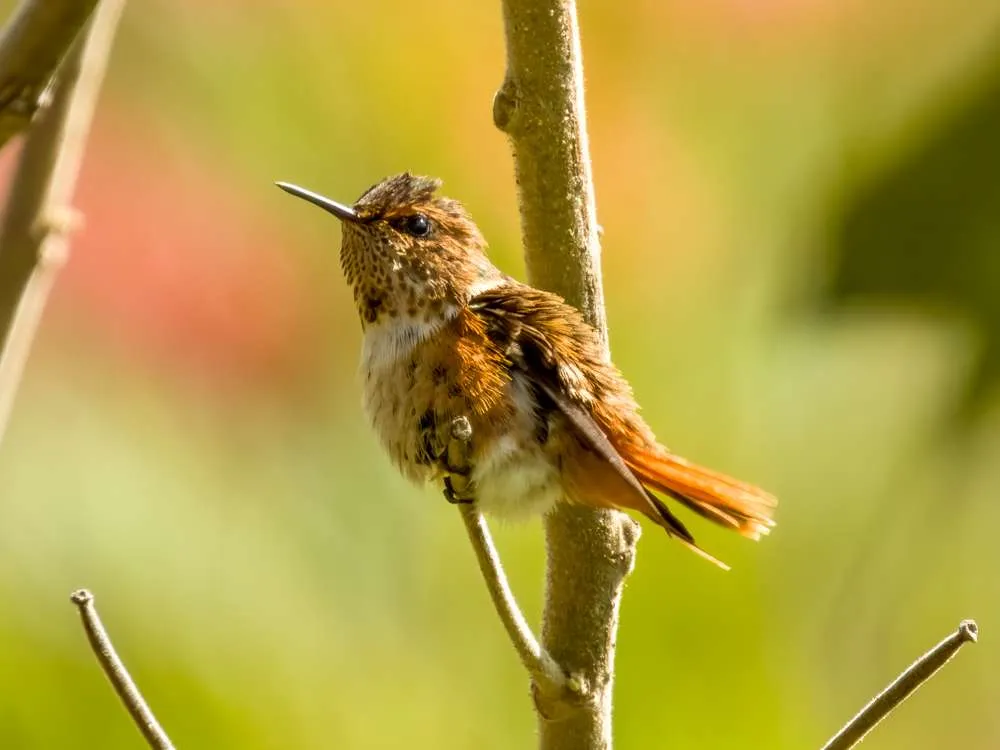
Wrapping Up
So, now you know that unlike us, hummingbirds don't always sleep to catch a day's rest but to alternate between REM sleep and torpor.
Have you encountered a sleeping hummingbird or a zoned-out hummer in torpor before? Share strange encounters you have had with them at contactlovethebirds@gmail.com.
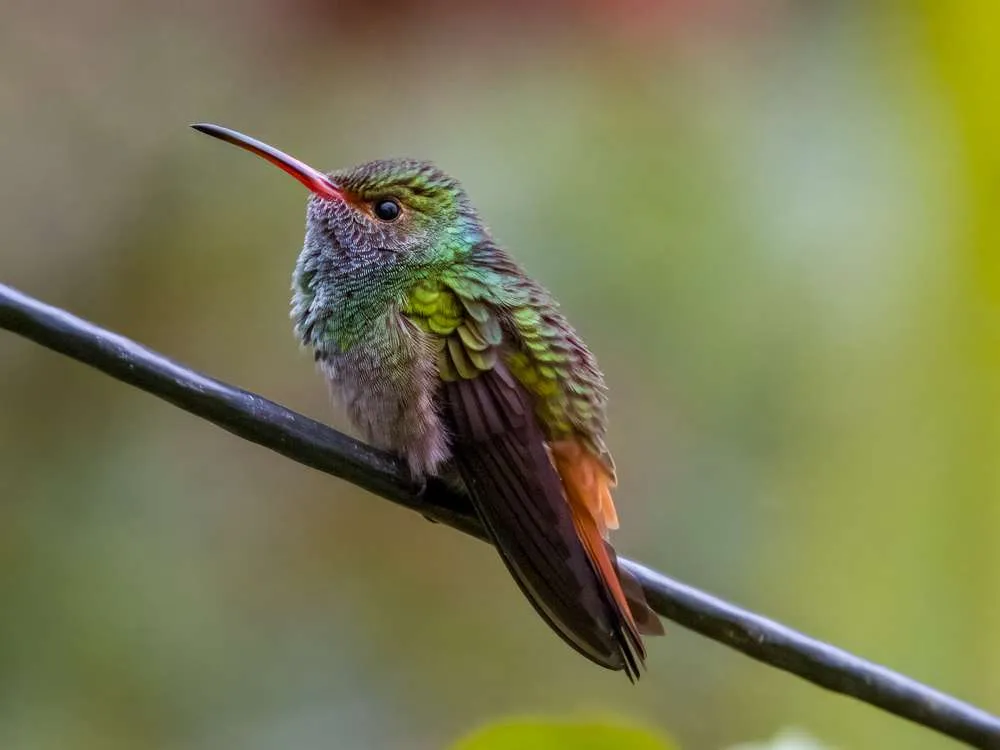
Frequently Asked Questions
What do Hummingbirds do in the cold?
As you'd already know, they need to switch off their internal system to survive on most nights. They enter a state of controlled hypothermia in the process, losing any connection they have to external stimuli during this period. With all systems shut down, hummers save up to 50 times more energy than produce their heat. Hummingbirds survive cold winter nights with this routine, keeping a few species at bird feeders all year-round.
Do hummingbirds hang upside down to sleep?
While hummers can go into torpor mode at any time of the day to save energy, this leaves them unconscious for a while and helpless to even food. A hummer would have to be in a yard it considers a fortress to let its guard down this much. But, on some occasions, it will enter torpor and rest upside down. Now that takes some skill.
Do hummingbirds sleep during the day?
Yes, you can catch hummingbirds snoozing on a fine afternoon after a bellyful. A bird's got to catch some rest. But you won't find them really dozing it off until after dark. At this time, most hummingbirds seep in and out of torpor to make it to the next morning. But, now and then, you can catch a hummer dozing it off in this state during the day. It takes a risk for about half an hour or more against slim odds.
Let’s see how they sleep in this video:

Last night, around 10 PM, I saw a hummingbird perched on a hibiscus plant next to my feeder. I assumed it was sleeping and in torpor (the outdoor temp. was about 50-55 degrees F), but when I was about 3 feet away, he started "pulsating" his body up and down (his beak was pointed upward). I immediately left as I did not want to disturb it any longer. Do hummingbirds wake up at night if they sense an animal/person nearby?
I need to mention that I did approach the bird earlier when it got dark outside. He was perched on the feeder with his bill pointed up. There is a light near the feeder. He "pulsated" when I got close, so I walked away.