
Florida’s year-round warmth and incredibly diverse habitats, from the coastal scrub of the Panhandle to the lush, subtropical jungles of the Everglades, make it a premier destination for backyard birding.
Unlike many states where the seasons dictate which birds you’ll see, Florida’s mild climate means you can spot many of the same species every month of the year. Whether you're a long-time resident or a seasonal snowbird, a simple bird feeder, a birdbath, or a few native plants can transform your yard into a bustling stage for a spectacular avian show.
Get ready to meet some of the most common and beloved winged inhabitants of the Sunshine State with this guide on how to spot 20 different species.
1. Northern Cardinal (Cardinalis cardinalis)

The state bird of seven U.S. states, this vibrant bird is a familiar sight and sound. The male is an unmistakable brilliant red with a crest and a black face. The female is a warm, tawny brown with red accents on her crest, wings, and tail. They are common at feeders for sunflower seeds and love dense shrubs. Listen for the male's loud, whistling song, often described as "what-cheer, cheer, cheer."
2. Northern Mockingbird (Mimus polyglottos)

Tennessee’s state bird is also a common and conspicuous resident of Florida. With its gray plumage, white patches on its wings (visible in flight), and long tail, it’s easily recognizable. The Mockingbird is famous for its ability to mimic the songs and calls of dozens of other birds, as well as car alarms and other sounds. You’ll find them in open areas, on power lines, and near fruiting trees.
3. American Robin (Turdus migratorius)
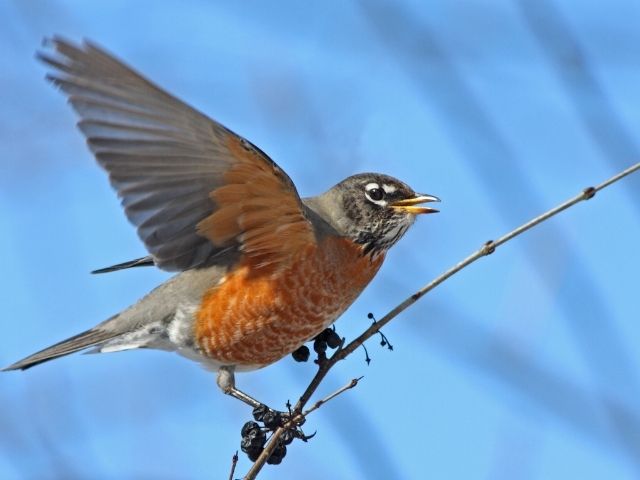
While Robins are often a sign of spring in the North, they are a common sight in Florida lawns and parks year-round, especially in winter. You can spot them by their brick-red breast, dark head, and gray back as they hop along the ground, listening for earthworms.
4. Carolina Wren (Thryothorus ludovicianus)
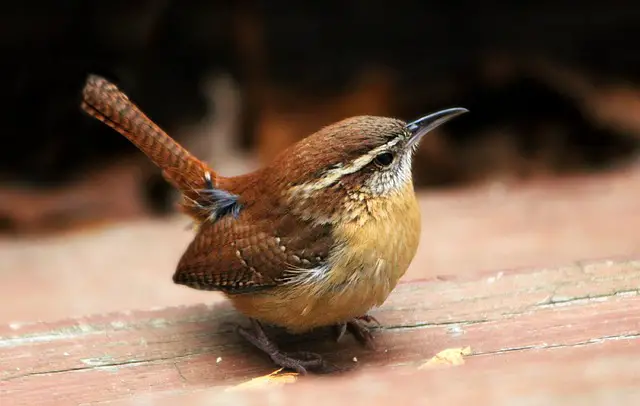
This small, reddish-brown bird has a loud, incredibly powerful song for its size, often a rapid "tea-kettle, tea-kettle, tea-kettle." With its prominent white stripe over the eye and a slightly upturned tail, it’s easy to identify. Carolina Wrens are often found in shrubs, brush piles, and near human structures.
5. Blue Jay (Cyanocitta cristata)
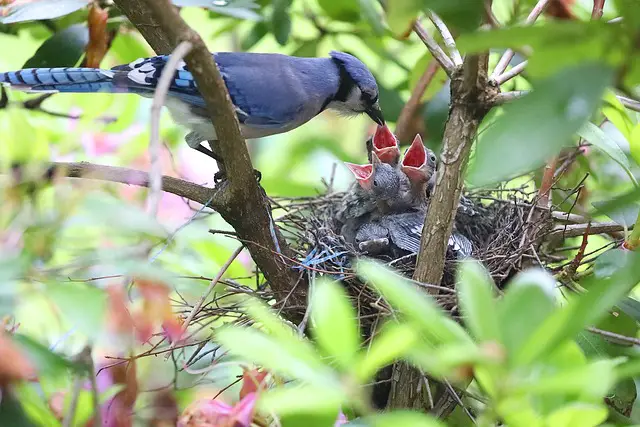
This boisterous bird is a striking combination of bright blue, white, and black with a distinct crest. Blue Jays are known for their loud calls and their habit of caching acorns. They are common in oak woodlands and suburban backyards and are frequent visitors to peanut and sunflower feeders.
6. Carolina Chickadee (Poecile carolinensis)
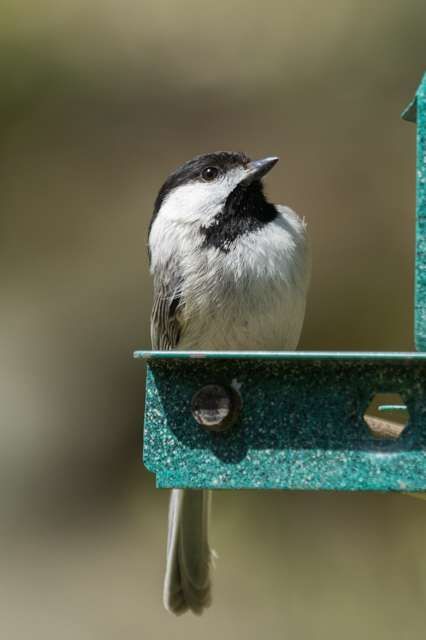
Tiny, energetic, and highly social, the Carolina Chickadee is a favorite at feeders. It has a black cap and bib, white cheeks, and a grayish body. You can identify it by its famous "chick-a-dee-dee-dee" call. They often hang upside down on branches while foraging for insects.
7. Tufted Titmouse (Baeolophus bicolor)
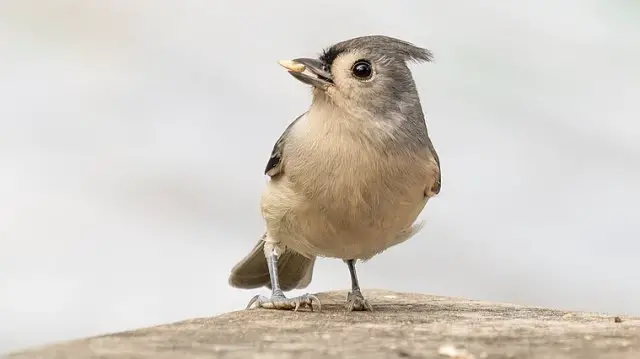
With its gray crest, large dark eyes, and a soft, "peter-peter-peter" song, the Tufted Titmouse is a welcome visitor. It is often seen traveling in mixed flocks with chickadees and other small songbirds. They are regular visitors to suet and sunflower feeders.
8. Mourning Dove (Zenaida macroura)
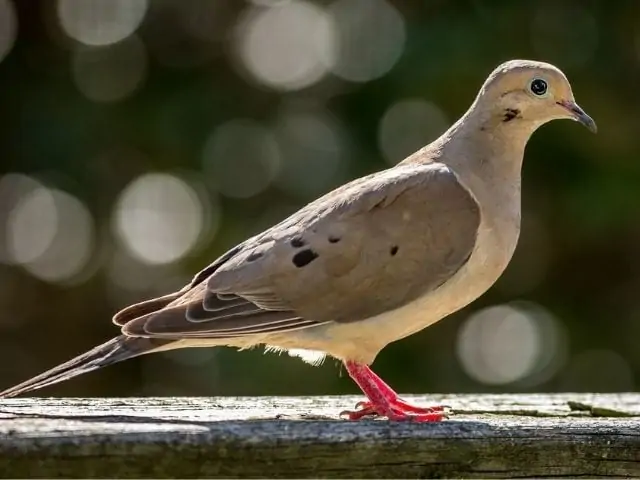
The Mourning Dove’s soft, sad, cooing call is one of the most recognizable sounds in Florida. This sleek, grayish-brown bird with a long, pointed tail is a common ground forager, often seen in pairs. They are frequent visitors to backyard feeders, preferring millet and other small seeds.
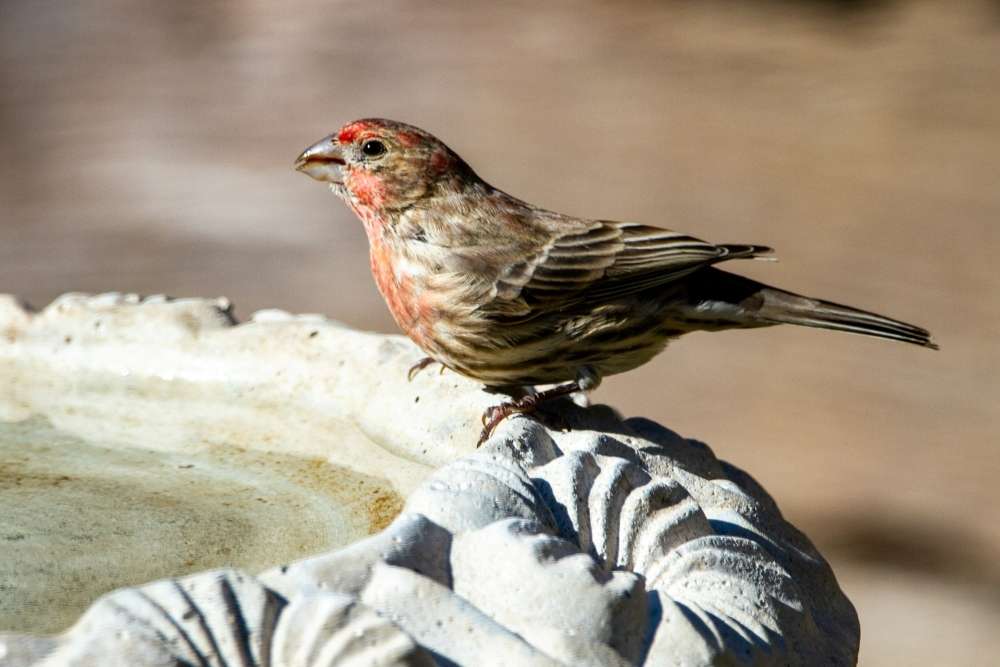
9. House Finch (Haemorhous mexicanus)
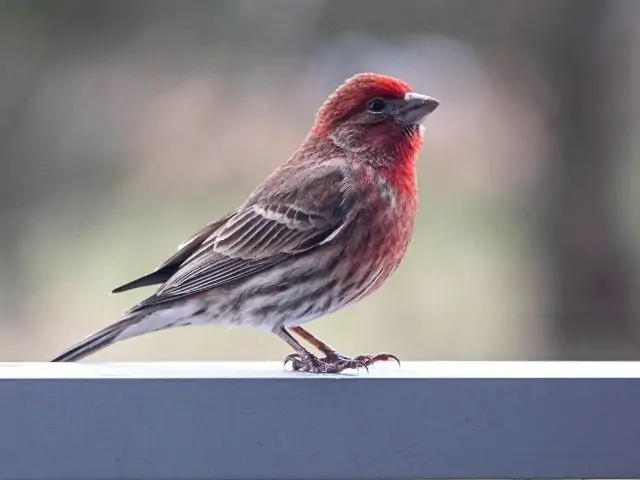
Originally a western species, the House Finch is now a common backyard bird across Florida. Males have a red head, neck, and chest, while females are a plain, streaky brown. They are a frequent sight at seed feeders and birdbaths.
10. Downy Woodpecker (Dryobates pubescens)
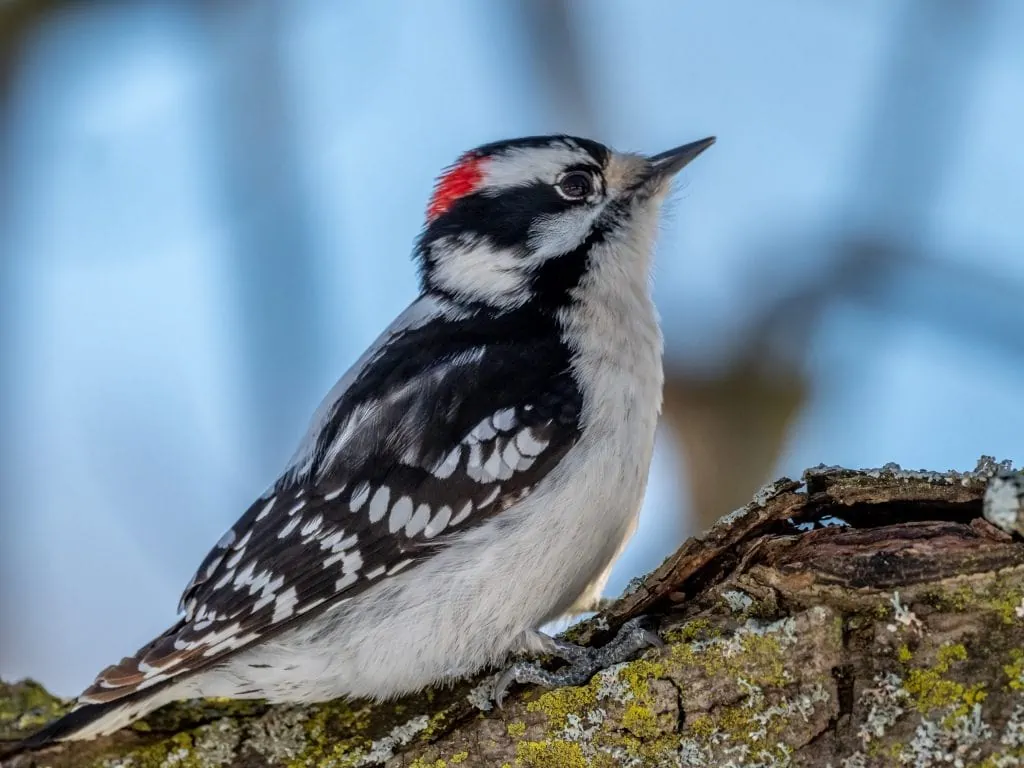
The smallest woodpecker in North America, the Downy Woodpecker is a common visitor to suet feeders and trees. It has a checkered black and white pattern, and the male has a small red patch on the back of his head. It has a high-pitched "pik" call and a quick, rattling drum.
11. Red-bellied Woodpecker (Melanerpes carolinus)
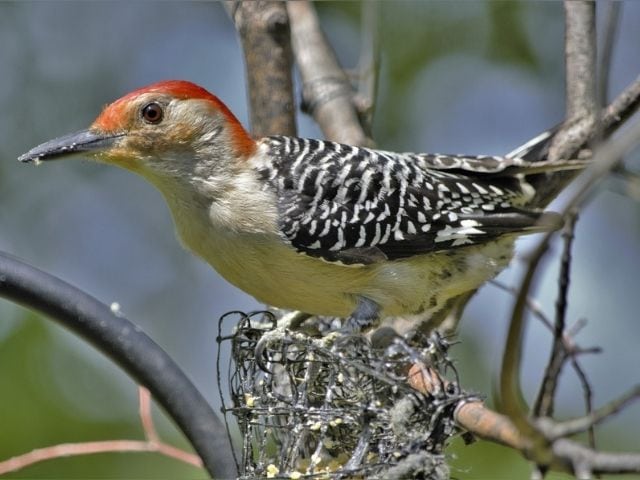
Despite its name, the red on this woodpecker's belly is often hard to see. What’s most noticeable is the male's vibrant red cap and the female's red nape. Its black and white barred back is another key feature. You’ll hear its "churr-churr-churr" call as it forages on trees and visits suet feeders.
12. Pileated Woodpecker (Dryocopus pileatus)
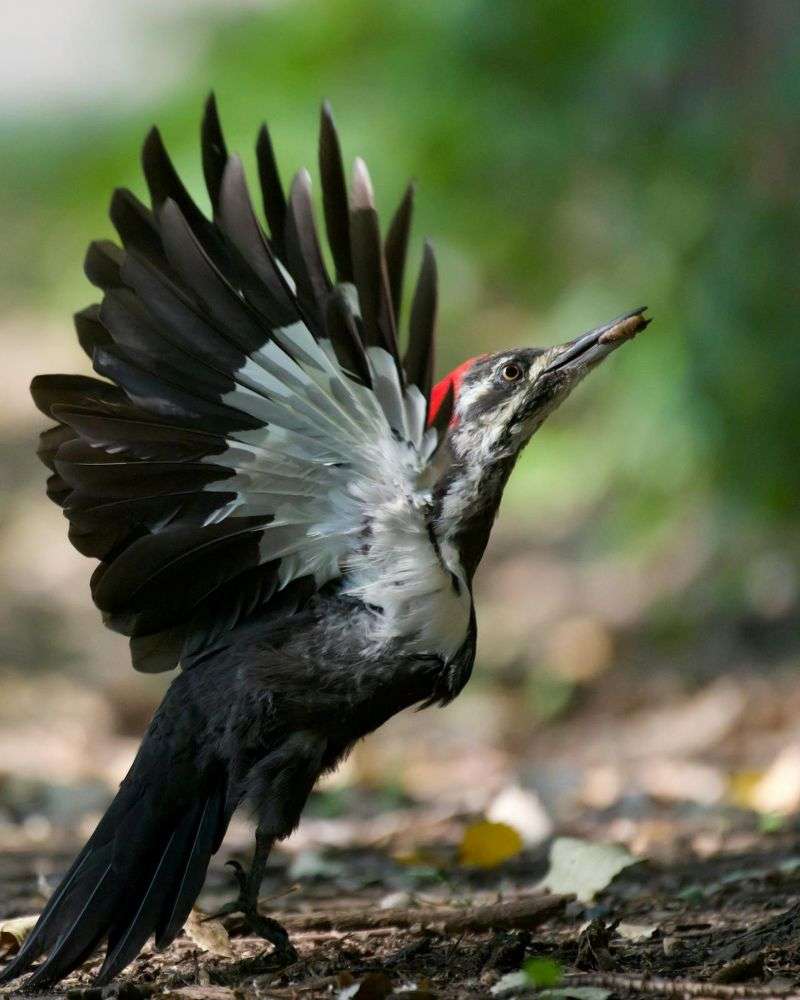
The largest woodpecker in Florida, this crow-sized bird has a magnificent red crest, a black body, and a white stripe on its face. Its loud, high-pitched call sounds like a laugh, and its powerful drumming can be heard from a distance. They are often found in large, mature trees in wooded areas.
13. Eastern Bluebird (Sialia sialis)
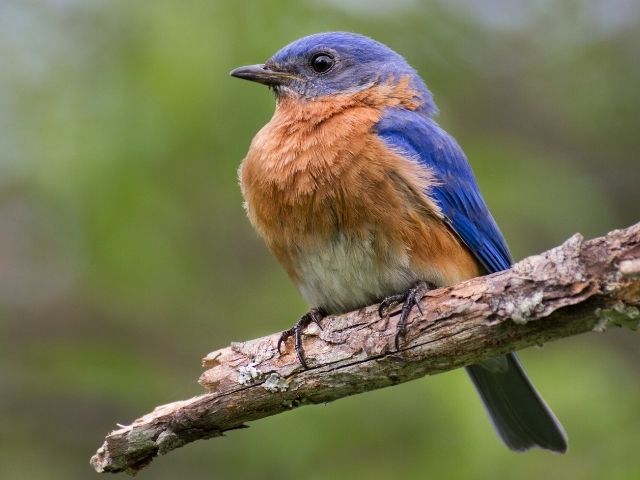
This thrush is a beautiful symbol of successful conservation. The male has a vibrant blue back, a rusty chest, and a white belly. They are often seen in open woodlands, fields, and suburban parks, where they use a distinctive hover-and-drop method to catch insects.
14. Brown Thrasher (Toxostoma rufum)
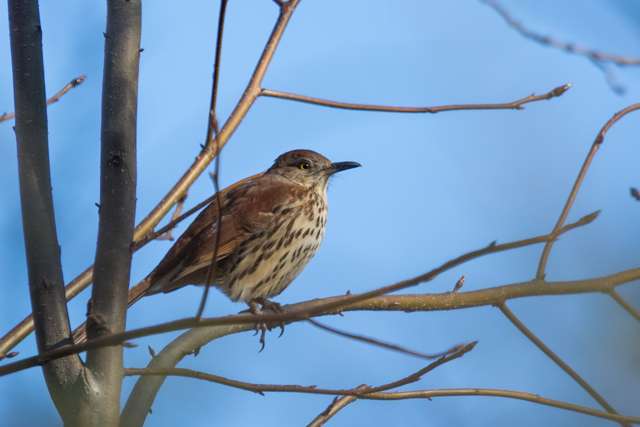
This shy but vocal bird is famous for its long, curved bill and rusty-red plumage. It is a brilliant song mimic, often repeating phrases twice. You can find it in dense shrubs and brushy areas, where it thrashes through leaf litter for food.
15. Common Grackle (Quiscalus quiscula)
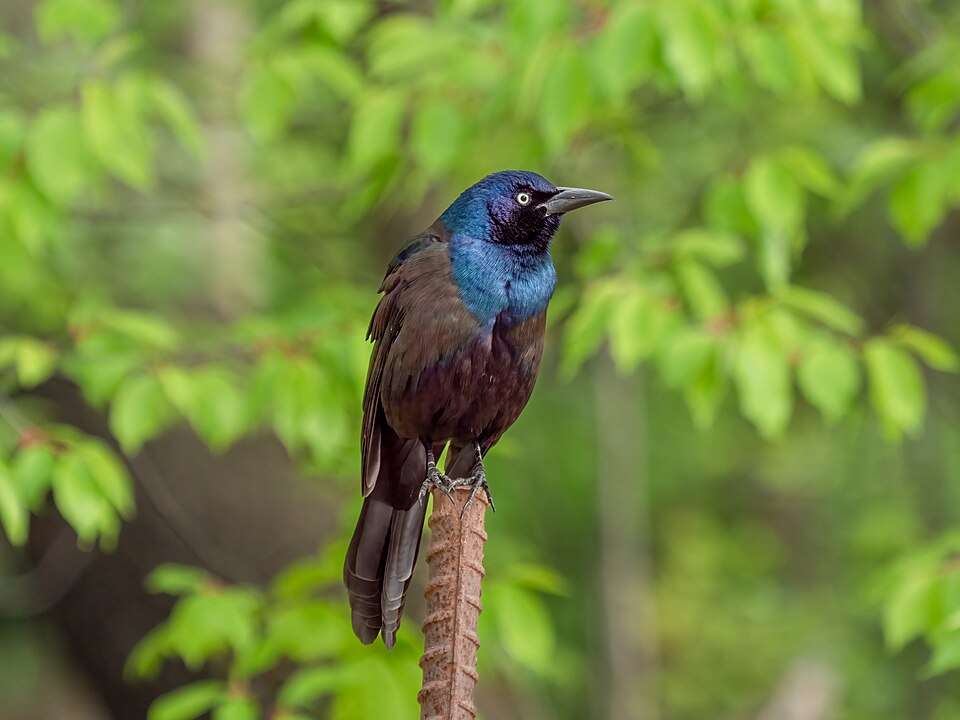
A large, glossy blackbird with a long tail and an iridescent sheen that shines purple or bronze in the sun. Common Grackles are social birds often seen in large, noisy flocks, especially in parking lots, parks, and agricultural fields.
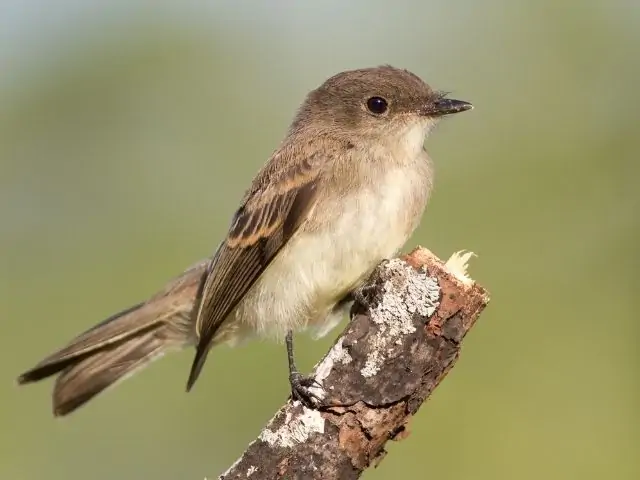
16. Eastern Phoebe (Sayornis phoebe)
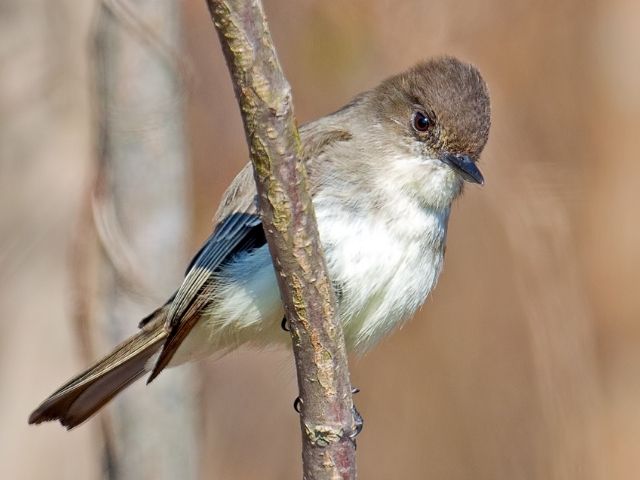
A small, gray-olive flycatcher with a dark head and a habit of rapidly wagging its tail. Its simple "fee-bee" call is a common sound in open woodlands and near streams. They often perch on low branches, waiting to dart out and catch insects in mid-air.
17. White-breasted Nuthatch (Sitta carolinensis)
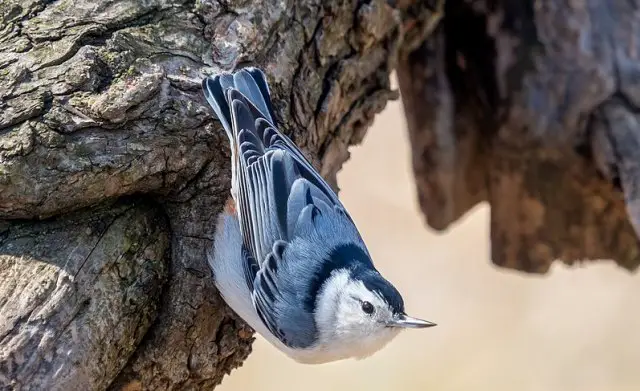
This small, gray-backed bird is famous for its habit of climbing head-first down tree trunks. It has a black cap and a white face and belly. You'll hear its nasal "yank-yank-yank" call as it forages for insects and visits suet feeders.
18. Yellow-rumped Warbler (Setophaga coronata)
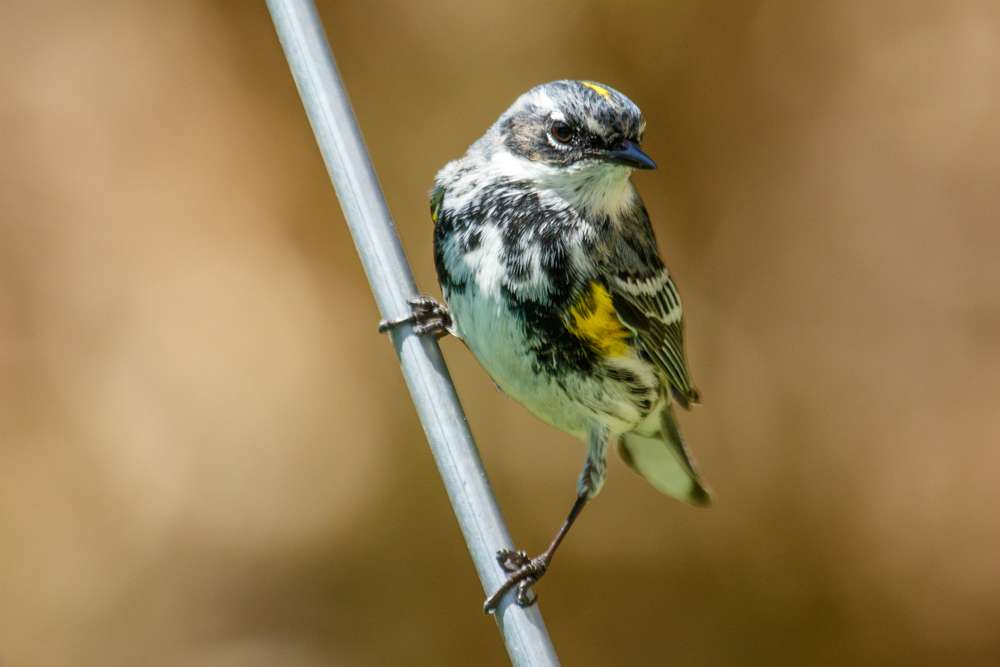
A very common winter visitor to Florida, this warbler is easy to spot in fall and winter. You can identify it by its streaky gray-brown plumage and the tell-tale patch of bright yellow on its rump, which it often flashes.
19. Ruby-throated Hummingbird (Archilochus colubris)

The only hummingbird species to breed in the eastern U.S., the tiny Ruby-throated Hummingbird is a common sight in Florida, especially during migration. The male has an iridescent red throat, and both genders have a metallic green back. They are highly attracted to nectar feeders and red flowers.
20. Wild Turkey (Meleagris gallopavo)
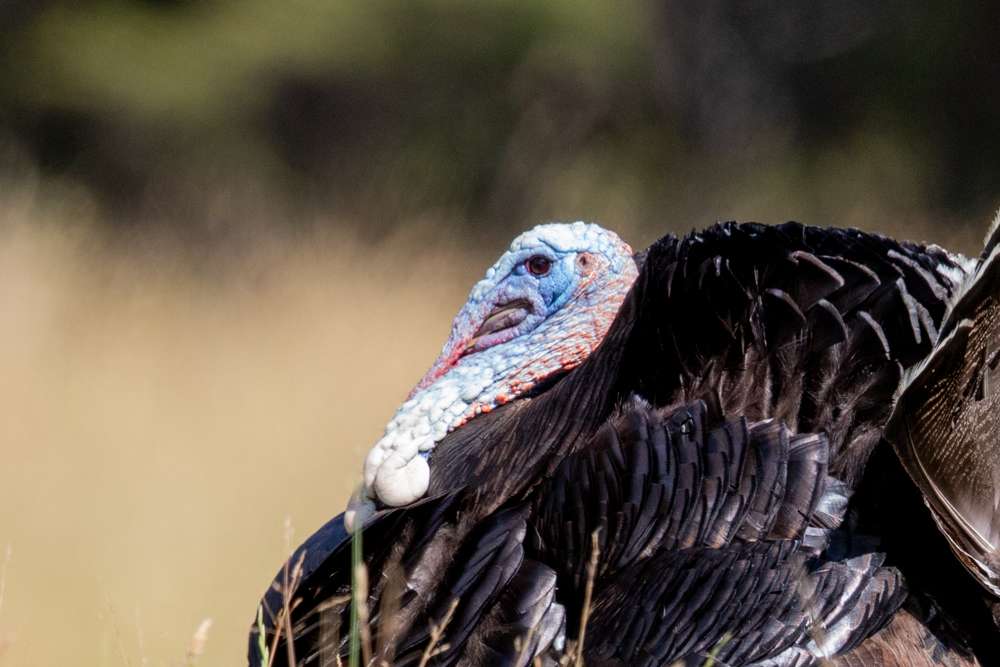
While you might not find this bird in a typical urban backyard, in rural and semi-rural areas of Florida, the sight of a Wild Turkey flock is a rewarding experience. The largest game bird in the state, they are often seen foraging in open woodlands and fields.
Tips To Attract These Birds To Your Yard
Based on the types of birds found in Florida, here are some tips to attract them to your garden.
1. Provide a Variety of Food Sources
The most effective way to attract a diverse range of birds is to offer different types of food in various locations.
Seed Feeders: Use tube feeders, hopper feeders, and platform feeders to attract birds like Northern Cardinals, Carolina Chickadees, and House Finches. Black oil sunflower seeds are a universal favorite.
Suet Feeders: To attract woodpeckers such as the Downy Woodpecker and Red-bellied Woodpecker, hang suet cakes from a tree trunk or a feeding station.
Nectar Feeders: Place red nectar feeders to attract Ruby-throated Hummingbirds.
Ground Feeding: Birds like Mourning Doves and Wild Turkeys prefer to forage on the ground. Use a platform feeder or scatter millet and cracked corn on a cleared patch of ground.
2. Offer a Consistent Water Source
Birds need water for both drinking and bathing, and a reliable source is a huge draw.
Birdbaths: A simple birdbath with a shallow basin is perfect. Change the water daily to keep it fresh and clean.
Misters or Drippers: The sound of dripping or moving water is highly attractive to birds. Consider a mister or dripper to create a gentle water flow that can attract warblers and thrushes.
3. Plant Native Vegetation for Shelter and Nesting
A bird-friendly garden goes beyond feeders. Native Florida plants provide natural food, shelter, and nesting sites.
Shrubs and Bushes: Plant dense native shrubs like beautyberry or wax myrtle to provide safe hiding spots for small birds like Carolina Wrens and Tufted Titmice.
Trees: Plant Florida native trees such as oaks or pines to attract Blue Jays and woodpeckers and offer important nesting locations for larger birds.
Flowers and Berries: Plant flowers that provide nectar for hummingbirds and native plants with berries, which attract birds like the American Robin and Eastern Bluebird.
4. Create a Safe Environment
Minimizing threats is just as important as providing resources.
Keep Cats Indoors: Free-roaming cats are a significant threat to backyard birds.
Reduce Pesticide Use: Avoid using pesticides and herbicides in your garden, as they can harm birds directly and reduce their food sources.
Prevent Window Collisions: Position feeders either very close to a window (less than three feet) or more than 30 feet away to prevent collisions. You can also apply decals or tape to windows to make them more visible to birds.
Frequently Asked Questions
What birds might I see at the Florida Everglades?
The Florida Everglades is a world-renowned birding destination, with over 360 species recorded in the park's diverse sawgrass marshes, mangrove forests, and cypress swamps. The best time to see the largest concentration of birds is during the dry season (typically from November to April), when lower water levels force birds to congregate in smaller areas to find food.
Here are some of the most prominent birds you might see on a visit to the Everglades.
Wading Birds
Wading birds are the most iconic residents of the Everglades. Their long legs and specialized bills allow them to forage for fish, frogs, and crustaceans in the shallow waters.
Great Egret: This large, elegant white heron is a common sight, often seen standing perfectly still before striking its prey with its long, dagger-like bill.
Great Blue Heron: The largest heron in North America, this bird's slate-blue plumage and slow, deliberate movements make it a striking sight as it stalks through the water.
Roseate Spoonbill: This is one of the most unique and sought-after birds in the Everglades. With its vibrant pink plumage and large, spoon-shaped bill, it stands out from all other wading birds.

Roseate Spoonbill White Ibis: This all-white bird with a long, downward-curving red bill is extremely common. They often forage in large groups, probing the mud for crayfish.
Wood Stork: This large, dark-bodied stork has a bald head and a long, thick bill. It was once an endangered species and is now a symbol of successful conservation efforts in the Everglades.
Anhinga: Often called the "snake bird," the Anhinga is an expert swimmer that can be seen spearing fish underwater. After a swim, you'll see it perched on a branch with its wings spread wide to dry in the sun.
Limpkin: You'll likely hear the Limpkin before you see it. Its loud, wailing call is a classic sound of the Florida wetlands. This bird specializes in eating apple snails, a key food source in the Everglades.

Birds of Prey
The wide-open spaces of the Everglades are ideal for raptors. Look up to the sky to spot some of these magnificent hunters.
Snail Kite: This specialized raptor is a federally endangered species in the U.S. and feeds almost exclusively on apple snails. Look for its distinctive hooked bill as it glides low over the marsh.
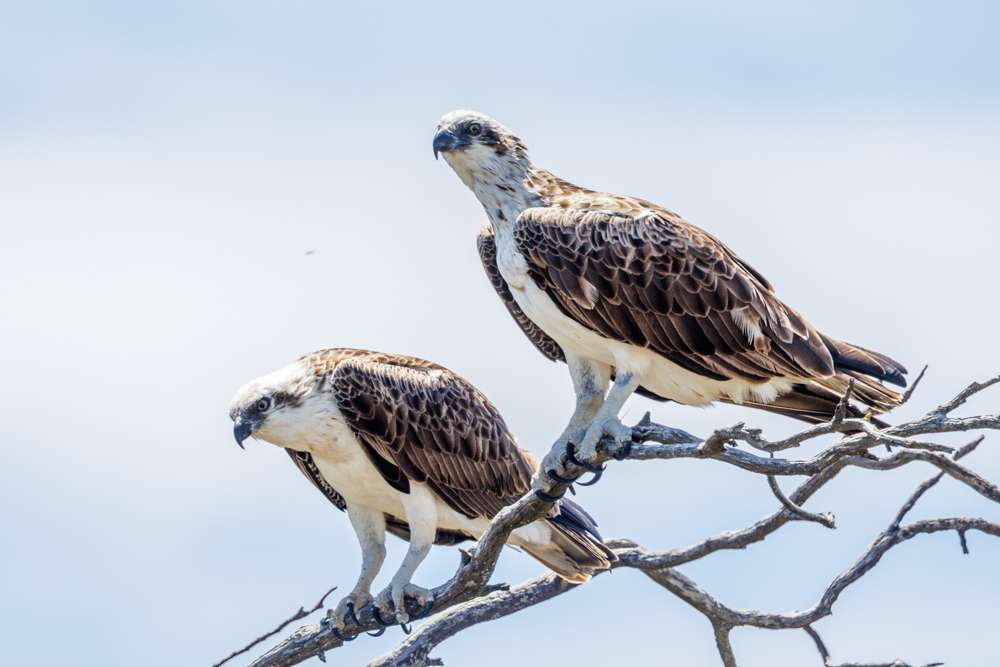
Osprey: Often called a "fish hawk," the Osprey is a common raptor found near any body of water. You can spot it by its white head and dark eye stripe as it dives feet-first into the water to catch a fish.

Osprey Bald Eagle: America's national bird is a surprisingly common sight in the Everglades, where it nests in the tall cypress trees.
Swallow-tailed Kite: This graceful and striking raptor is a must-see in the Everglades. Its black and white plumage and deeply forked tail make it unmistakable as it soars effortlessly through the air.
Other Notable Birds
Beyond the iconic wading birds and raptors, the Everglades is home to many other fascinating species.
Purple Gallinule: This colorful marsh bird has vibrant blue and purple plumage, a red and yellow bill, and long, yellow toes that allow it to walk on lily pads.
Belted Kingfisher: This bird has a shaggy blue crest and a white collar. You'll often see it perched over the water, watching for fish before making a swift dive.
Pileated Woodpecker: The largest woodpecker in Florida, you can spot this crow-sized bird by its magnificent red crest and hear its loud, laughing call from the cypress trees.
Cape Sable Seaside Sparrow: An endangered subspecies of the Seaside Sparrow, this bird is found only in the short-hydroperiod marl prairies of the Everglades and Big Cypress National Preserve.
Should my bird feeder be under the sun or in the shade?
It's best to place your bird feeder in the shade for several important reasons.
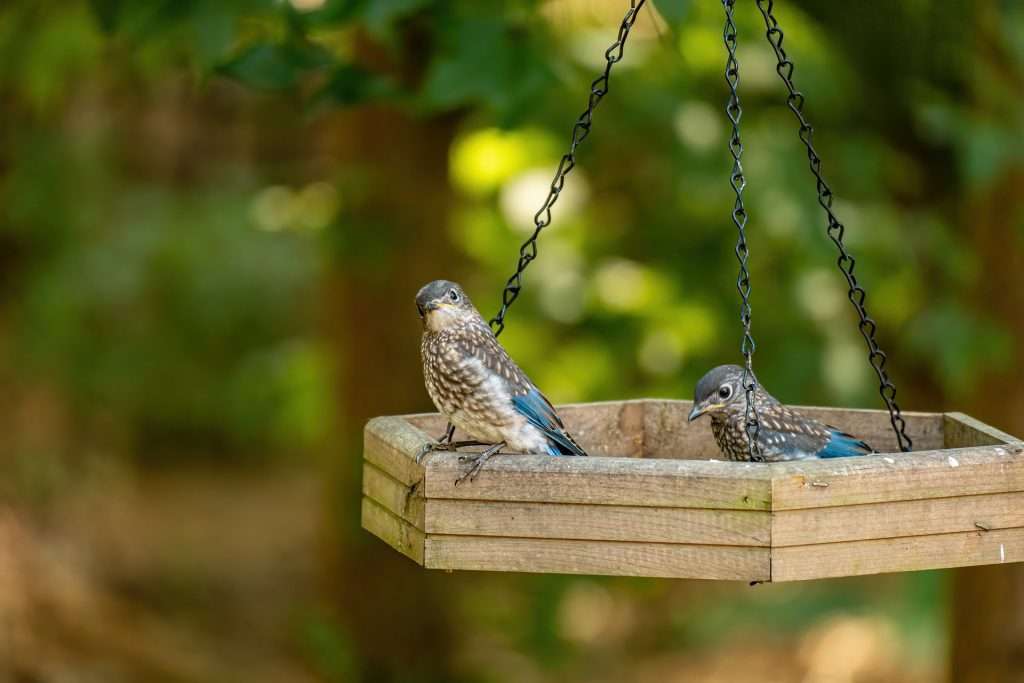
Why Shade is Best
Protects Birds from Overheating: On hot days, birds can easily get overheated while feeding. A shady spot provides a cooler, more comfortable environment for them to eat, especially in Florida's intense heat.
Keeps Food Fresh: Direct sunlight can cause birdseed to spoil quickly. It can melt suet cakes, make nectar ferment, and promote the growth of mold and bacteria in seeds, which can make birds sick.
Prevents Feeder Damage: Prolonged sun exposure can damage plastic feeders, causing them to become brittle and break down over time.
The Downside of a Sunny Spot
Heat Stress for Birds: Birds may avoid a feeder in direct sunlight during the hottest parts of the day.
Spoiled Food: Birdseed, suet, and nectar can all go bad much faster, requiring you to clean and refill your feeder more frequently.
Feeder Deterioration: Plastic parts of your feeder can warp, crack, or become discolored from UV rays.
Placing your feeder in a location that receives partial shade throughout the day is an ideal compromise. This will help keep the birds and their food safe, while still allowing them some warmth on cooler days.
Wrapping Up
Birding in Florida offers a fantastic contrast between the state's wild, protected lands and the comfort of one's own backyard. In the Everglades, the birding experience is defined by the sight of spectacular wading birds like the vibrant Roseate Spoonbill, elegant Great Egret, and iconic Wood Stork, as well as specialized raptors like the Snail Kite.It's a wilderness adventure where the focus is on a unique ecosystem and the magnificent birds that depend on it.
In stark contrast, backyard birding in Florida is a more intimate affair, where a simple feeder can attract a colorful cast of common residents such as the Northern Cardinal, Tufted Titmouse, and the bold Blue Jay. This accessible form of birdwatching also provides a chance to see winter visitors like the Yellow-rumped Warbler, showcasing a continuous parade of avian life right outside your window.
7 Most Seen Florida Owl Species: Types (With Pictures & Videos)
