
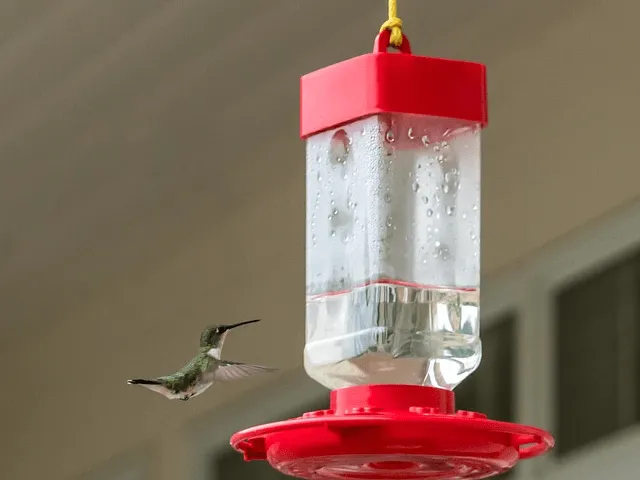
To answer that question… Where you can enjoy it most.
Right?
It may seem simple enough to decide where to hang a hummingbird feeder, but it takes some planning. Once you’ve chosen the best hummingbird feeder for your needs, you have to find the perfect spot for it.
Where To Hang A Hummingbird Feeder
Attracting hummingbirds to your garden is a truly magical experience. These tiny, iridescent jewels of the avian world bring unparalleled beauty and energy, flitting with astonishing agility as they seek out nectar.
Providing a well-placed hummingbird feeder is one of the most effective ways to invite these aerial acrobats into your backyard. However, simply hanging a feeder anywhere isn't enough; strategic placement is key to ensuring their safety, the freshness of the nectar, and your enjoyment of their visits.

In the diverse landscapes of the U.S., from the arid Southwest to the humid East, understanding the specific needs of hummingbirds – and the challenges they face – will guide you in choosing the perfect spot for your feeder.
Safety and Comfort First
When considering where to hang your hummingbird feeder, think like a hummingbird. Their primary concerns are safety from predators, access to reliable food, and energy conservation.
Proximity to Cover (But Not Too Close)
Hummingbirds are constantly aware of predators, such as hawks, outdoor cats, and even larger birds. They need quick escape routes.
Ideal Distance
Aim to hang your feeder about 10 to 15 feet from natural cover, such as dense trees, shrubs, or bushes. This distance provides a safe haven for them to dart into if danger approaches, offering both quick refuge and a place to rest between sips.
Avoid Overly Dense Areas
While cover is crucial, don't hide the feeder deep within dense foliage. If the feeder is too obscured, hummers might not spot it, or it could provide a hiding spot for predators like cats. A balance between visibility and nearby escape routes is essential.
Multiple Feeders for Territorial Birds
Hummingbirds, especially males, are surprisingly territorial and aggressive. If you have multiple feeders, placing them out of sight from one another (around a corner of the house, behind a large bush, or on different sides of your yard) can minimize squabbles and allow more birds to feed simultaneously.
Predator Avoidance
Height
Hang your feeder at a height of at least 4 to 6 feet off the ground. This helps deter ground predators like cats, raccoons, and even curious dogs. If you have a second-story balcony or a tall deck, higher placements are perfectly acceptable, as long as the birds can still easily access it.
No Hiding Spots
Ensure there are no easily accessible perches (like low branches or garden furniture) that would allow a cat to ambush feeding hummingbirds.
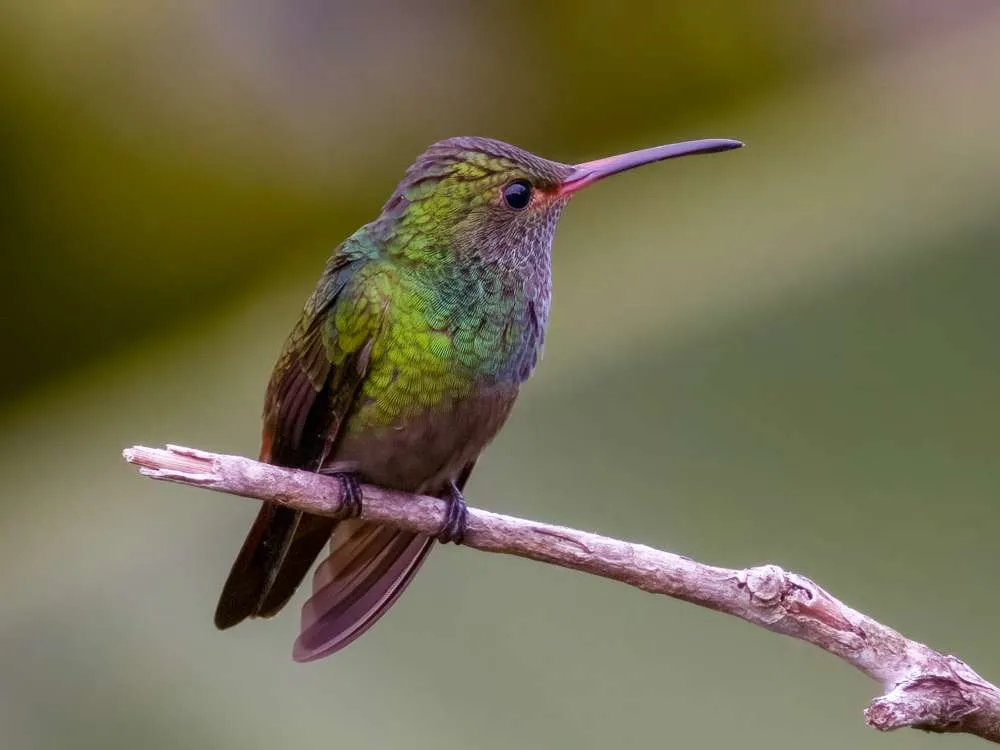
Nectar Preservation: Sun, Shade, and Cleanliness
The freshness of your nectar solution is paramount. Fermented or moldy nectar is harmful to hummingbirds and will quickly deter them from visiting.
Sun vs. Shade
Partial Shade is Best
The ideal location provides partial shade, especially during the hottest part of the day (afternoon sun). Direct, intense sunlight can cause the sugar solution to ferment and spoil rapidly, sometimes within just a few hours on a very hot day. It also accelerates water evaporation, thickening the nectar and making it less palatable.
Some Light for Visibility
While full shade is better than full sun, a spot with dappled sunlight or morning sun is also good. Some light helps the feeder's vibrant colors sparkle, making it more visible and attractive to hummingbirds.
I find that hanging the feeders somewhere with dappled sunlight helps the birds spot them quickly.
Consider a Feeder with a Built-in Shade
Some feeders come with umbrellas or designs that offer built-in shade, which can be helpful in very sunny locations.
Protection from Elements
Wind
Place your feeder in an area that is relatively sheltered from strong winds. A feeder that sways excessively can spill nectar and make it difficult for hummingbirds to feed comfortably.
Rain
While most feeders are designed to be somewhat rain-resistant, heavy downpours can dilute the nectar. Placing a feeder under an eave, awning, or a dense tree canopy can offer some protection, helping to keep the nectar fresh.
Accessibility for Maintenance
Easy Reach
Hummingbird feeders require frequent cleaning and refilling (every 1-2 days in hot weather, 3-5 days in milder conditions). Hang your feeder in a spot that is easily accessible for you without needing a ladder or uncomfortable stretching. This encourages consistent maintenance, which is vital for the birds' health.
Near a Water Source
If possible, choose a location close to an outdoor spigot or a garden hose to make refilling and cleaning more convenient.
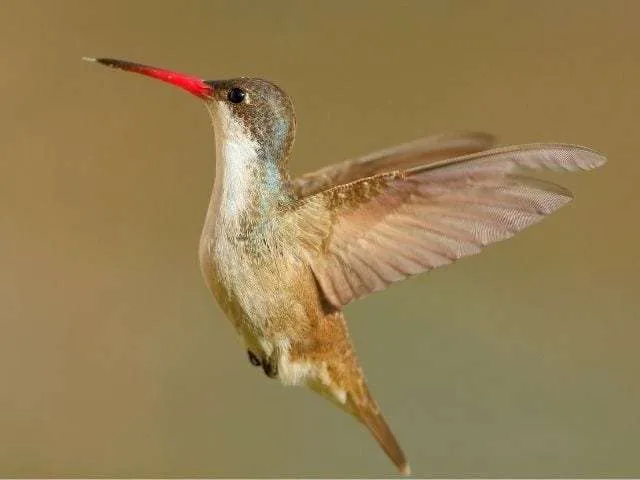
Your Perspective: Enjoyment and Convenience
Part of the joy of having a hummingbird feeder is being able to observe these fascinating creatures up close.
Visibility from Indoors
Window Placement
Consider hanging a feeder near a window where you spend a lot of time, such as a kitchen window, living room window, or even an office window. Special suction-cup feeders are available for direct window attachment.
Window Safety
If placing a feeder near a window, there are two schools of thought on safety to prevent collisions:
Very Close
Place the feeder within 3 feet (about 1 meter) of the window glass. At this close distance, if a bird does hit the window, it won't have gained enough momentum to cause fatal injury. Window-mounted feeders are generally considered safe as birds are focused on landing on the feeder.
Far Away
Alternatively, place feeders more than 10 to 15 feet away from windows to give birds ample maneuvering room to avoid the glass.
Mitigation
Regardless of distance, consider making windows more visible to birds, especially large ones, by applying anti-collision decals, tapes, or films in a pattern (e.g., lines every 2-4 inches).
Near Other Attractions
Flowering Plants
Hummingbirds are naturally drawn to nectar-rich flowers. Placing your feeder near their favorite blooms (especially red, orange, or purple tubular flowers like petunias, salvias, bee balm, or cardinal flower) can greatly increase the chances of them discovering and utilizing your feeder. A 'hummingbird garden' with a feeder as a centerpiece is an excellent strategy.
Avoid Other Bird Feeders
Hummingbirds are often intimidated by larger birds and can be quite territorial. To avoid competition and stress, hang your hummingbird feeder a good distance (at least 15-20 feet) away from seed or suet feeders frequented by larger species.
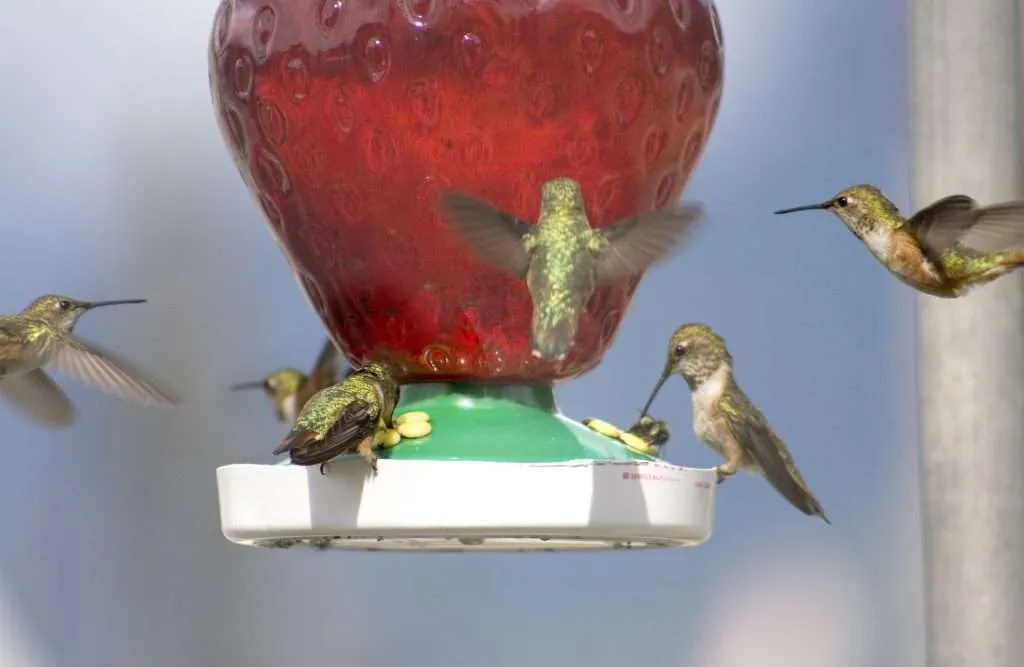
Specific Locations to Consider
Under an Awning or Eave: Provides shade and protection from rain, while also being easily visible.
Hanging from a Gutter: Similar benefits to an awning, often with good visibility.
From a Shepherd's Hook: Allows flexibility in placement in garden beds, especially if combined with nearby protective shrubbery.
On a Deck or Patio Railing: Can offer excellent viewing opportunities, ensuring the feeder is at a moderate height and near cover.
Near a Trellis or Arbor with Climbing Vines: Combines natural forage with a feeding station.
Ultimately, the best place to hang a hummingbird feeder is one that balances the needs of the birds with your ability to maintain the feeder and enjoy their presence. Experiment with different locations if your first choice doesn't yield immediate results, and remember that consistency in providing fresh nectar will be your most powerful tool in attracting these beloved garden visitors.
For a visual guide on optimal feeder placement, check out this video.
Wrapping Up
Hummingbird feeders offer a delightful way to attract these tiny, iridescent birds to your garden, providing unparalleled enjoyment and a close-up view of their astonishing agility.
Beyond the aesthetic pleasure, feeders serve as a crucial supplementary food source, especially during migration, nesting, or when natural nectar supplies are scarce due to environmental factors.
By offering a reliable energy boost, feeders can contribute to the birds' well-being and increase their chances of survival, allowing enthusiasts to foster a direct connection with these captivating creatures while supporting local bird populations.
And now you know the best way to plan where to put them.
Check out our post reviewing hummer feeders.

This was quite informative. Tysm <3
Very informative. We have regular feeders in several locations and just sit and watch the magnificent birds, colors and habits. Just bought a hummingbird feeder and it has not been used. Now I know the best places to put them. Thanks!!!