

Woodpeckers are gorgeous and unique creatures that many bird enthusiasts seek out. Just like their name implies, you can recognize woodpeckers by their tendency to peck into trees for bugs and insects.
So...
While you can find woodpeckers scattered throughout the North American continent, this article will tell you all you need to know about the woodpeckers of Pennsylvania.
Pennsylvania Woodpeckers
The state of Pennsylvania typically lists down a total of seven resident and one migratory species of woodpeckers.
The state offers vast geographic space and ideal weather, allowing woodpeckers to thrive. With this in mind, you can see these beautiful birds just about anywhere in the state.
As a woodpecker would do, these birds will peck into the sides of trees, houses, and even poles to mark their territories.
You will most likely hear varying sounds from several Pennsylvania woodpecker species across the neighborhood during at certain times of the year.
Let’s get started identifying each one’s characteristics!
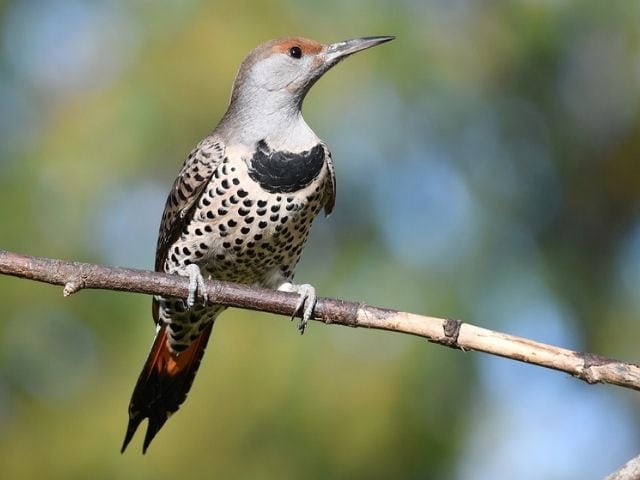
1. Northern Flicker
Measurements
- Wingspan: 16 - 21 inches
- Weight: 4 - 6 ounces
- Length: 11 - 12 inches
Appearance
The Northern Flicker is a beautifully unique woodpecker with unmatched distinct features. These birds will typically have vibrant brown and greyish colors along with a white rump patch. They also boast black bars, dots, and crescents on their chest and belly areas.
These lovely peckers have beautiful, metallic wings that allow you to spot them easily. It is important to note that species from the west will highlight red feathers on their tails. Woodpeckers in Pennsylvania, however, feature yellow feathers on their tail undersides instead of red.
Temperament
When they are on trees, you will notice these birds perching on thin branches, carrying themselves in an upright posture.
You will often encounter Northern Flickers communicating with their fellow woodpeckers by repeatedly pecking its peak on all sorts of surfaces. The kind nature of these birds makes them ideal mates for both female and male woodpeckers.
Habitat
Like most woodpeckers in Pennsylvania, you can find them in places with many trees, especially around yards and parks.
2. Hairy Woodpecker
Measurements
- Wingspan: 13 - 16 inches
- Weight: 1 - 4 ounces
- Length: 7 - 10 inches
Appearance
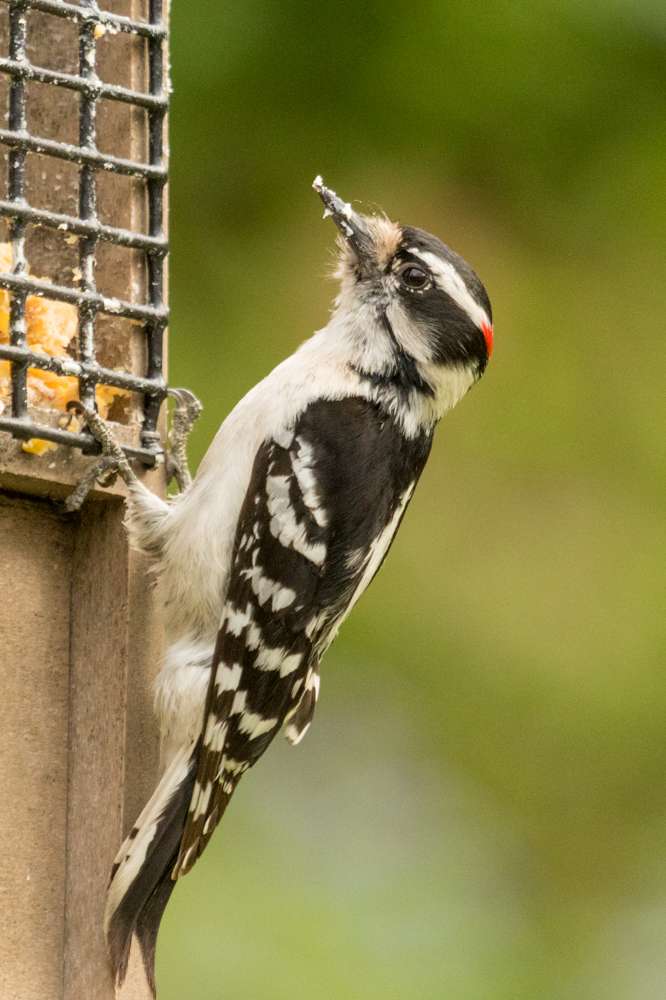
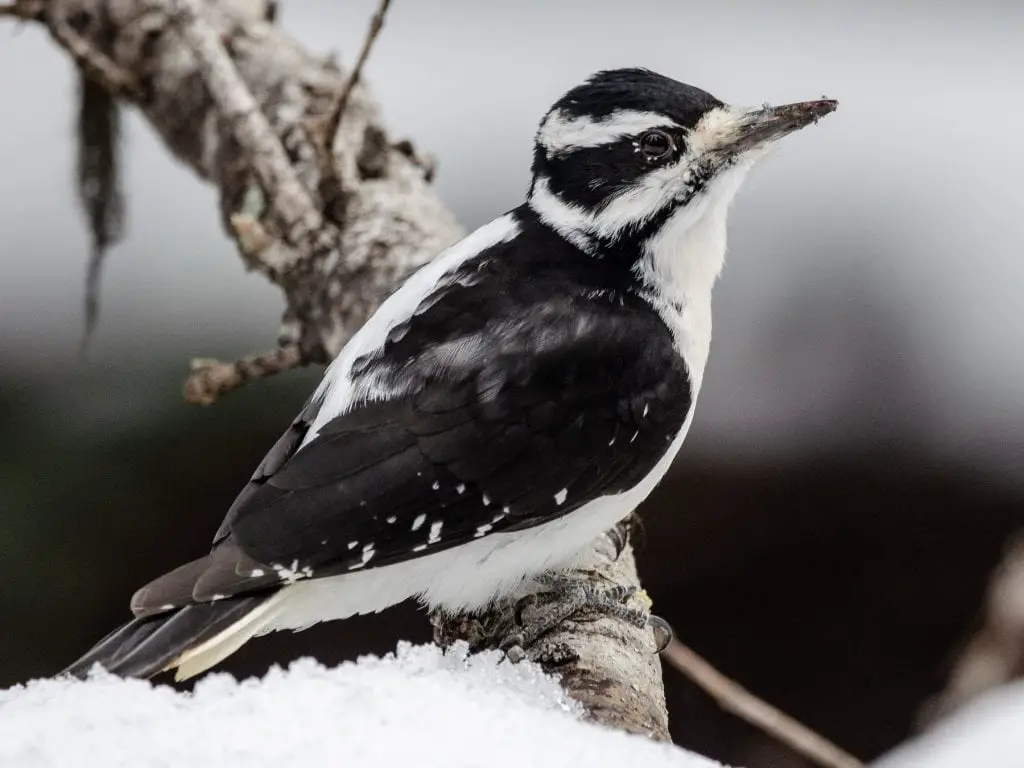
The Hairy Woodpecker features contrasting shades of white and black on its body; their round bodies also make them stand out. Their delicate heads come with two white stripes to match their checkered black and white wings. Finally, a long streak of white typically runs on their backs.
One of the most exciting characteristics of this species is the different appearance of males and females. A male Hairy Woodpecker has a small patch of bright red in the rear of their heads that females do not have.
Temperament
Most people adore Hairy Woodpeckers for their ability to sing beautiful songs when seeking a mate. It allows bird watchers in Pennsylvania to identify them quickly.
You can often catch the Hairy Woodpecker feeding at the foot of trees and above the ground.
In PA, Hairy Woodpeckers commonly stay in the state throughout the seasons. While they do love traveling, these birds nest in the safety of Pennsylvania.
Habitat
Bird enthusiasts will typically find Hairy Woodpeckers residing deep in forests. In contrast, these birds also love forest edges, parks, as well as cemeteries. You can even see them flying about in vast woodlands.
3. Red-bellied Woodpecker

Measurements
- Wingspan: 13 - 17 inches
- Weight: 2 - 3 ounces
- Length: 9 inches
Appearance
Right off the bat, the first thing that you can notice from the Red-bellied Woodpecker has a distinct red-colored nape. This red color comes in light streaks on its underbelly as well.
The Red-bellied Woodpecker also features a pattern of white and black on its back which traces to its white wingtips. This bird's iconic color scheme stands out compared to other pictures of woodpeckers in Pennsylvania.
Temperament
Red-bellied Woodpeckers are frequently spotted to be latching onto tree branches and trunks of all sorts of different trees. For a woodpecker, this bird picks off barky surfaces instead of digging into them.
Just like a newly-wed couple would, the Red-bellied Woodpecker spends time with its partner to create their nest on trees.
Habitat
While these birds are common in Pennsylvania, they can also be widespread across several Eastern forests.
These types of birds will typically settle in oak, hickory, or even pine trees. Otherwise, the Red-bellied Woodpecker also appears near backyards.
4. Pileated Woodpecker
Measurements
- Wingspan: 26 - 30 inches
- Weight: 9 - 13 ounces
- Length: 16 - 20 inches
Appearance
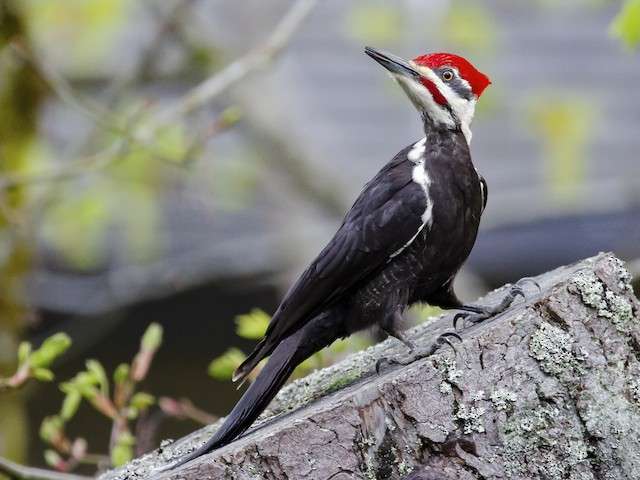
Among the woodpeckers of Pennsylvania, you can probably spot the Pileated Woodpecker from a mile away. Not only are these birds bigger than most woodpeckers, but they also have very vibrant and pleasant colors.
The Pileated Woodpecker has a body with plenty of black and white streaks. The most noticeable feature of this bird is undoubtedly the bright red patch of color atop its head.
Temperament
Insects are probably the this lovely woodpecker’s favorite meal. For this reason, you will often see these birds carve holes into old and rotting wood to eat.
The Pileated Woodpecker has a rather unpleasant call that can be whiny at times. To top it all off, they make a very rhythm-like sound whenever they decide to peck into trees.
Habitat
As they are rather large birds, these striking woodpeckers need a giant nest deep in forests. They often choose upright, dead trees where they can settle.
Interestingly enough, the Pileated Woodpecker will create many entrances near their homes which many bird enthusiasts can quickly identify.
5. Red-headed Woodpecker
Measurements
- Wingspan: 17 inches
- Weight: 2 - 3 ounces
- Length: 7 - 9 inches
Appearance
When it comes to appearance, The Red-headed Woodpecker is very plain but also very elegant; they have unique bright heads that make them stick out like a sore thumb.
These adorable birds are distinguishable from other species by their white bodies and patches on their black wings. The Red-headed Woodpecker’s white patches alternate with black nearing their tails.
Temperament
These distinctive woodpeckers love spending time finding wooden cavities to nest in. While they prefer to live in non-living structures, they still travel to find fresh insects in trees and even mid-flight. Their meals also contain tiny seeds and even fruit.
The Red-headed Woodpecker is most notable for its screechy calls in the wild.
Habitat
6. Downy Woodpecker
Measurement
- Wingspan: 10 - 12 inches
- Weight: 1 ounce
- Length: 5 - 7 inches
Appearance
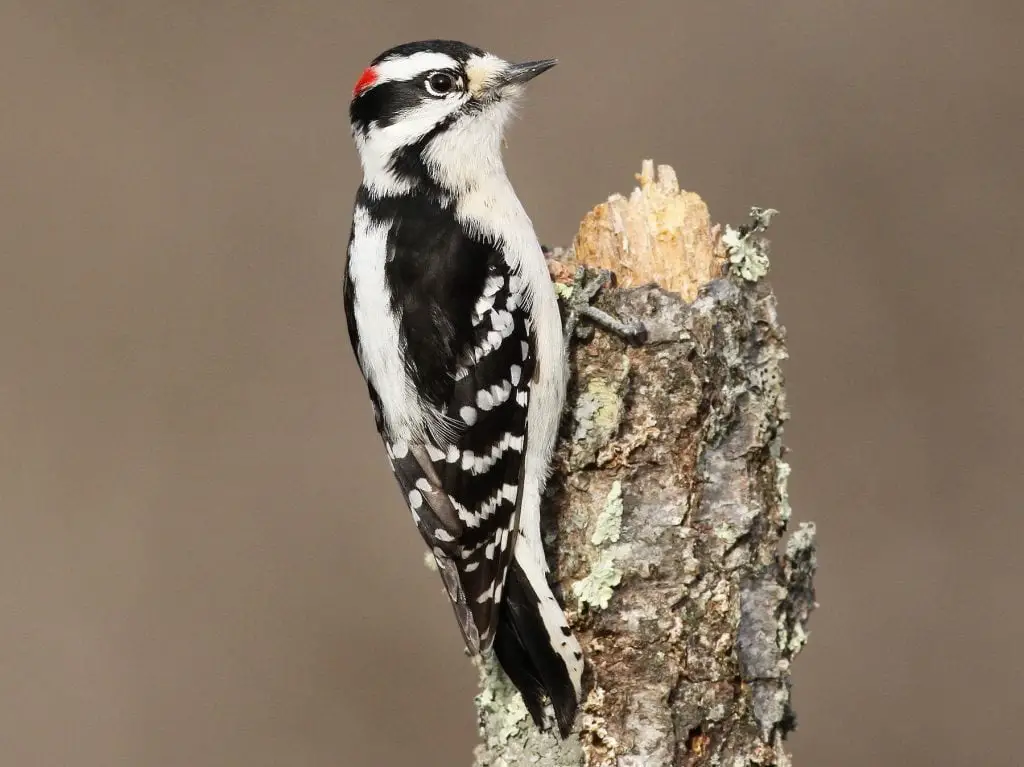
Last but not least, the Downy Woodpecker is arguably one of the smallest woodpeckers out there. With their checker-like wing pattern and white underbellies, this species highlights a balance of white and black body patterns.
This woodpecker has a noticeable white stripe along the center of its backside. Males of the species also have a small patch of red atop their heads that their female counterparts do not have.
Other than that, these birds also have small white and black spots on some of their exterior feathers.
Temperament
This seriously cute woodpecker likes spending time on tree limbs, branches, and trunks all over Pennsylvania, where they make quite a lot of loud noises and frequent drumming on surfaces for their small size.
Downy Woodpeckers also enjoy hopping on the ground and searching for small insects and other tasty snacks.
Habitat
Another unique tendency of the Downy Woodpecker is their enjoyment of making nesting boxes. You can find these nests in open woodlands and deadwood trees among tightly packed trees.
7. Yellow-bellied Sapsucker
Measurements
- Wingspan: 13 - 16 inches
- Weight: 2 - 3 ounces
- Length: 7 - 9 inches
Appearance
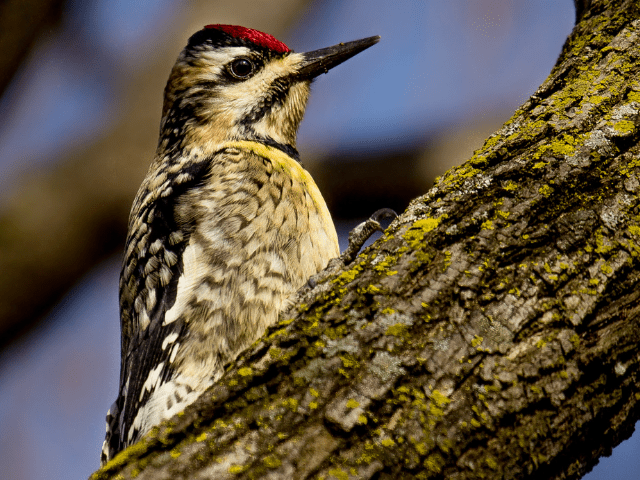
As its name may suggest, Yellow-bellied Sapsuckers do have yellow bellies. Like many different woodpeckers of Pennsylvania, you will recognize this bird by its beautiful black and white pattern. Regardless of sex, they all have red patches on their throats and heads.
The Yellow-bellied Sapsucker’s wings also tend to have a distinct white streak that traces along with its wings. Bold black stripes commonly protect and shadow over their yellow bellies.
Temperament
They are called sapsuckers for a reason. They love to drink saps from various trees and leaves neat trails of sap behind them.
When drilling for sap wells, this lovely woodpecker makes very clean circular holes into trees. These beautiful birds simply love the sugar and insects that sap may give them.
Habitat
Yellow-bellied Sapsuckers have a very particular process whenever they nest. Commonly lasting weeks, male birds will drill a medium-sized cavity to make a suitable nesting area. They dwell in all sorts of small trees across Pennsylvania, such as aspens.
Primarily a migratory species in Pennsylvania, they breed in the northern parts of the state during spring and summer and moving south for winter.
Frequently Asked Questions
What is the difference between the Hairy and Downy Woodpecker?
While they look the same superficially, the Hairy Woodpecker has a much longer bill than the Downy. It is almost the same length as its head. As you are more likely to see these birds apart from each other, it can be difficult to identify them.
So, look at the bill and the size of the head - easy.
Here's a video of a male Hairy Woodpecker:
What is the largest woodpecker in Pennsylvania?
Measuring up to 20 inches, the Pileated is the largest woodpecker in Pennsylvania and North America. Bird magazines and popular shows even featured the Pileated Woodpecker many times due to its pretty black color.
Where are some good places to see woodpeckers in Pennsylvania?
You local park or woods are a good place to start but here are some great places to visit to see woodpeckers and other wildlife:
Allegheny National Forest
You can expect to find resident species like Pileated, Downy, and Red-bellied Woodpeckers here. Its mature forest habitats provide ample foraging and nesting sites. The Tidioute area, in particular, is noted as a good gateway to explore the forest's rich ecosystems.
Cook Forest State Park
Famous for its old-growth forests, Cook Forest State Park is an ideal spot for observing the larger Pileated Woodpeckers. This park's ancient woods provide excellent habitat for a range of woodpecker species.
French Creek State Park
The forest by the pool in the Day Use Area is specifically mentioned as a good place to spot Pileated Woodpeckers.
Wrapping Up
Pennsylvania woodpeckers are all very beautiful birds. With Pennsylvania's varied habitats and the abundance of food sources, it is a great place to visit and find these adorable peckers.
Hence, whether it may be in someone’s yard or deep into a forest, nothing beats these lovely birds of nature. Who knows, they may grace your backyard one day, and now you can identify them with no trouble at all.
