

Georgia, the "Peach State," is not only renowned for its peaches but also for its diverse ecosystems, which provide ideal habitats for a variety of fascinating nocturnal predators: owls. From the dense forests of the Appalachian foothills to the sprawling coastal plains and the edges of suburban developments, seven distinct owl species call Georgia home, either as year-round residents or seasonal visitors.
Each species possesses unique adaptations for hunting in darkness, from silent flight to keen hearing and exceptional night vision, making them truly captivating creatures of the night.
Owls of Georgia
1. Eastern Screech-Owl (Megascops asio) - Georgia's Most Common Owl
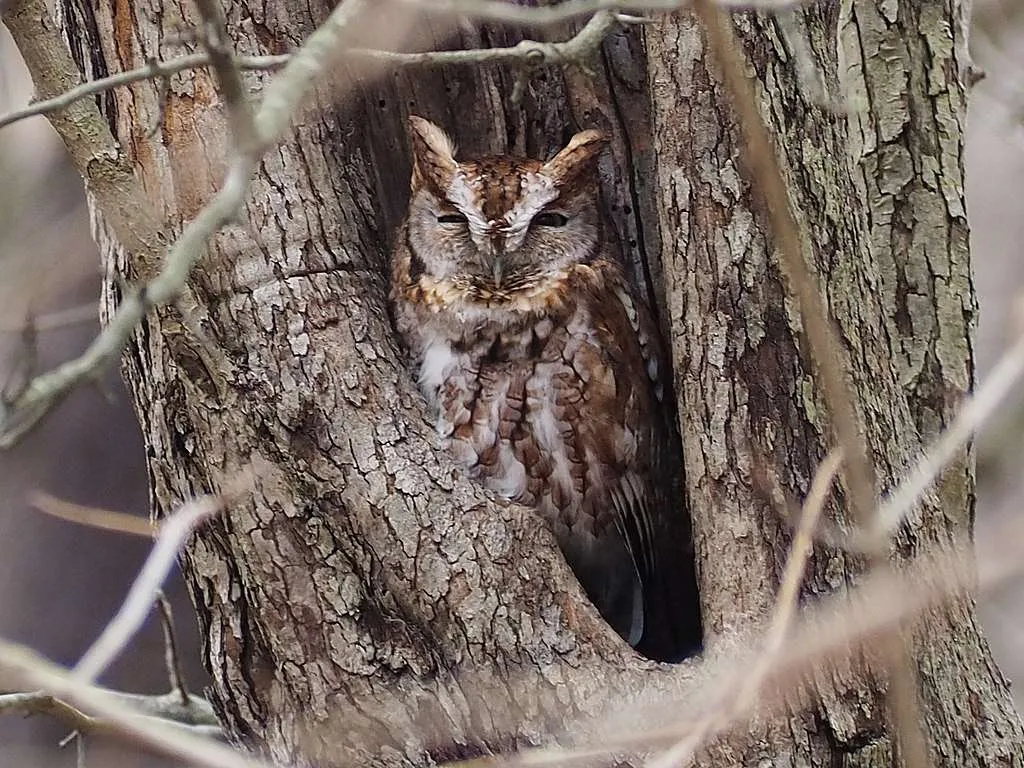
The Eastern Screech-Owl holds the title of Georgia's most common owl, often found surprisingly close to human habitation. These diminutive owls are masters of camouflage, blending seamlessly with tree bark, making them much easier to hear than to see.
Identification: Standing only about 8 inches tall, they come in two color morphs: reddish-brown (red phase) or mottled gray (gray phase). In Georgia, the gray phase is more prevalent. They possess prominent ear tufts, which they can raise or lower, and bright yellow eyes.
Habitat and Diet: Eastern Screech-Owls thrive in open woodlands, suburban backyards with mature trees, parks, and even urban areas as long as suitable cavities for nesting and roosting are available. They are opportunistic hunters, feeding on a wide range of prey including large insects, crayfish, frogs, lizards, small birds, and rodents.
Voice: Their distinctive, quavering, horse-like trill, often described as a "whinny," is a familiar sound on quiet nights.
2. Great Horned Owl (Bubo virginianus) - The Apex Predator

The Great Horned Owl is Georgia's largest and most powerful owl, an apex predator known for its formidable presence and adaptability. It is a year-round resident across the entire state.
Identification: This large owl is easily recognized by its prominent ear tufts (which are actually just feather tufts, not ears), broad body, and mottled brown and grayish plumage. Its piercing yellow eyes are set in a large facial disc.
Habitat and Diet: Great Horned Owls are highly versatile and inhabit a vast array of habitats, from dense forests and wetlands to deserts, grasslands, and even suburban and urban environments. They are fierce hunters with an incredibly varied diet, preying on everything from small rodents and rabbits to large birds, other owls, and even skunks. They are known for their early nesting, often beginning in the depths of winter.
Voice: Their deep, resonant hooting call, typically a rhythmic "hoo-hoo-hooo hoo hoo," is iconic.
3. Barred Owl (Strix varia) - "Who Cooks for You?"
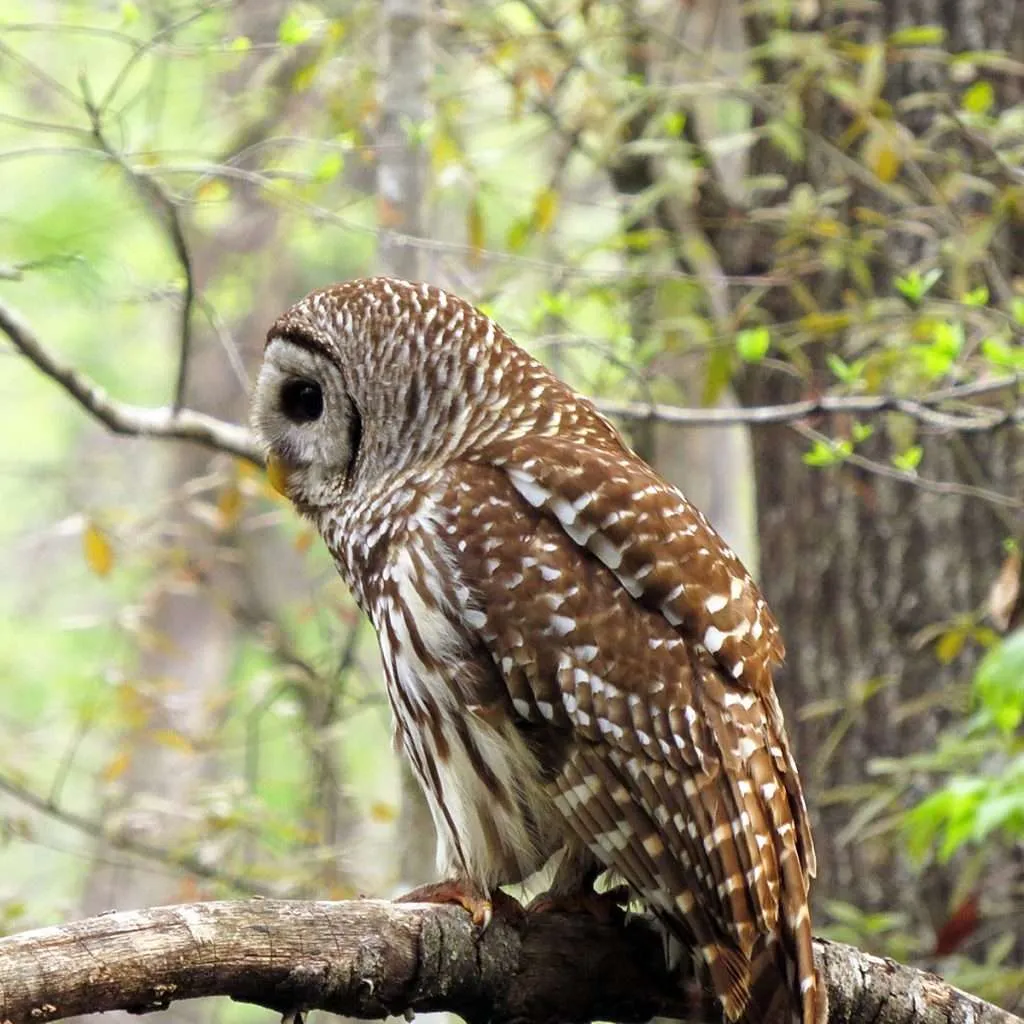
The Barred Owl is a common and vocal owl in Georgia, particularly associated with dense, moist woodlands and swamps. Its distinctive call makes it relatively easy to identify.
Identification: A medium-to-large owl with a rounded head and no ear tufts. Its plumage is a mix of brown and white barring, with vertical streaks on its belly and horizontal barring on its chest. Its dark brown eyes are striking against its pale facial disc.
Habitat and Diet: Barred Owls prefer mature deciduous and mixed forests, especially those near water sources like rivers, swamps, and wetlands. They hunt a diverse range of prey, including small mammals, birds, reptiles, and amphibians.
Voice: Their famous call sounds like "Who cooks for you? Who cooks for you all?" – a question-like hooting that carries well through the quiet night.
4. Barn Owl (Tyto alba) - The Ghost of the Night
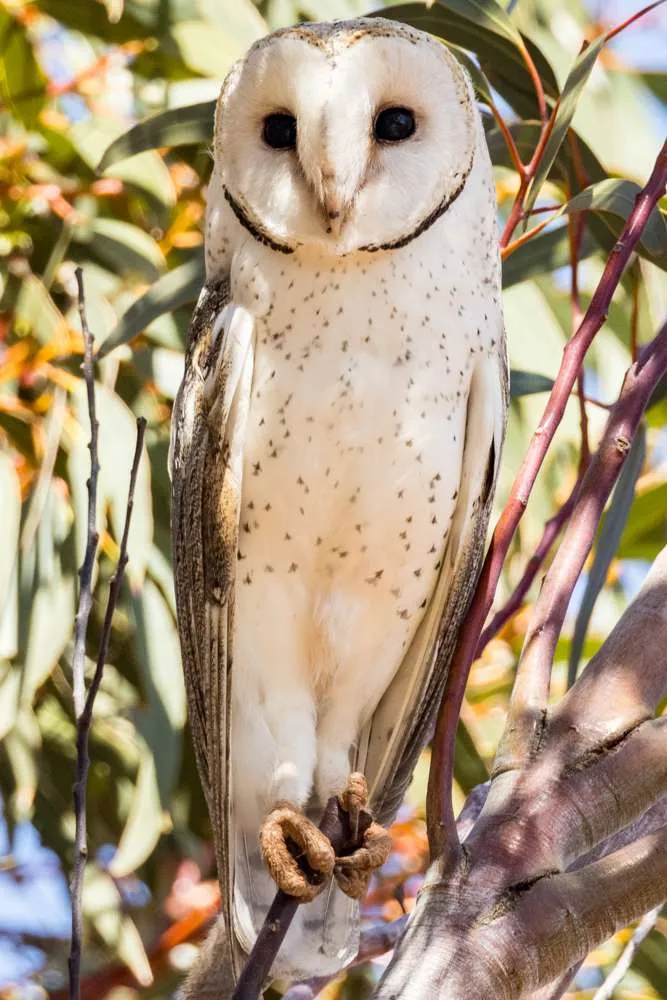
The Barn Owl is a unique and globally distributed owl species, recognized by its distinctive heart-shaped face. In Georgia, it is a resident species, though its populations can be somewhat localized and are of conservation concern in some areas.
Identification: Its most distinguishing feature is its pale, white, heart-shaped face, often appearing ghostly white in low light. Its upperparts are a mottled orange-buff and gray, while its underparts are pure white or pale buff, sometimes with fine spots. It lacks ear tufts.
Habitat and Diet: Barn Owls are primarily found in open country, agricultural fields, grasslands, and marshes, where their preferred prey (rodents like voles, mice, and rats) are abundant. As their name suggests, they often roost and nest in human-made structures like barns, silos, and abandoned buildings, though they will also use tree cavities or nest boxes.
Voice: Unlike other owls, Barn Owls do not hoot. Their calls are a repertoire of hisses, screeches, and clicks, often sounding eerie and unsettling.
5. Short-eared Owl (Asio flammeus) - The Open-Country Hunter (Winter Visitor)
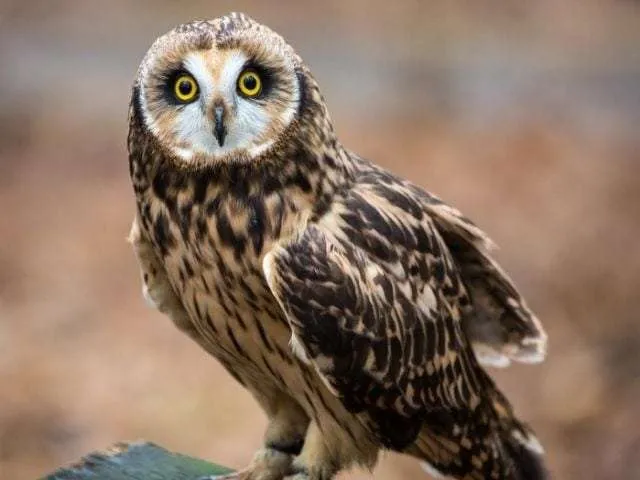
The Short-eared Owl is a fascinating species for Georgia birders because it is primarily a winter visitor and migrant to the state. These owls are unique among North American owls for often being active during the day, especially at dawn and dusk.
Identification: This medium-sized owl has a round head, relatively short "ear" tufts (often not visible), and piercing yellow eyes with dark patches around them. Its plumage is mottled brown and buff with streaks on the underparts. In flight, it shows long, broad wings with a distinctive dark patch at the "wrist" of the underwing. They have a buoyant, somewhat moth-like flight as they glide low over open fields.
Habitat and Diet: In Georgia, Short-eared Owls are found in expansive open habitats such as grasslands, agricultural fields, coastal marshes, and old airfields. They specialize in hunting voles and other small rodents, often quartering the ground in a systematic fashion.
Voice: Their calls are typically quiet hoots or barks, often heard during courtship or territorial displays.
6. Long-eared Owl (Asio otus) - The Elusive Rooster (Rare Winter Visitor)
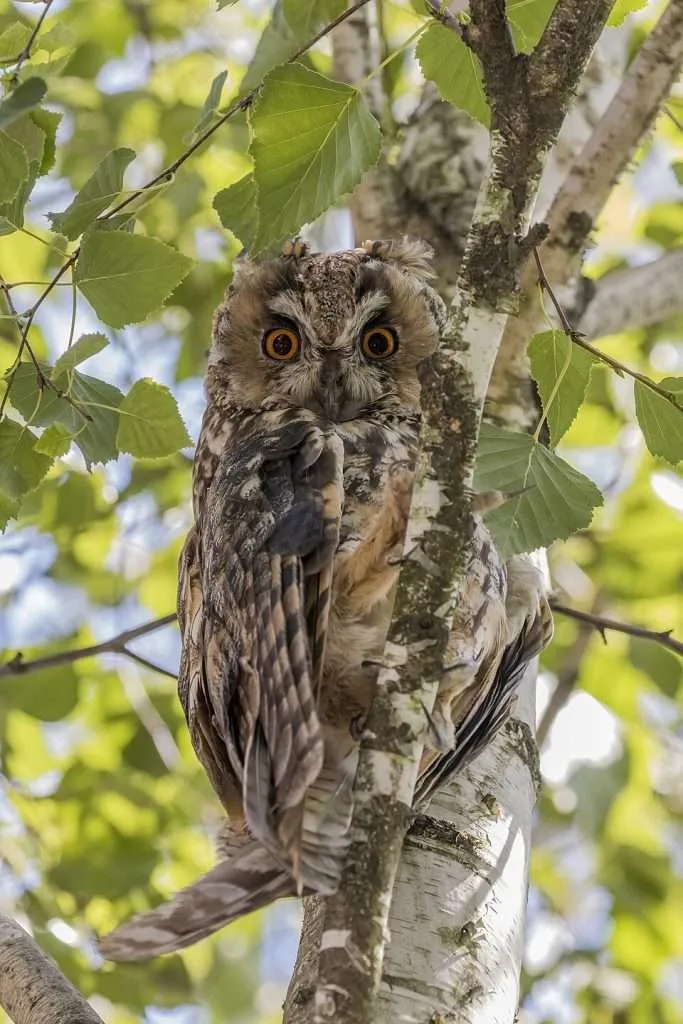
The Long-eared Owl is an extremely rare winter visitor to Georgia, making any sighting a significant event for birders. They are masters of camouflage, often going undetected even when present.
Identification: This medium-sized owl is slender with very long, erect ear tufts set close together on top of its head, giving it a perpetually surprised or intense expression. Its plumage is heavily mottled brown and black, providing excellent camouflage against tree bark. Its orange-yellow eyes are set within a dark facial disc.
Habitat and Diet: During winter, Long-eared Owls typically roost communally in dense conifer groves or thickets near open fields or grasslands where they hunt for small rodents. Their secretive nature makes them challenging to find.
Voice: Their primary call is a low, soft "hoo" note, repeated steadily, which can be easily missed.
7. Northern Saw-whet Owl (Aegolius acadicus) - The Tiny Northern Visitor (Rare Winter Visitor)
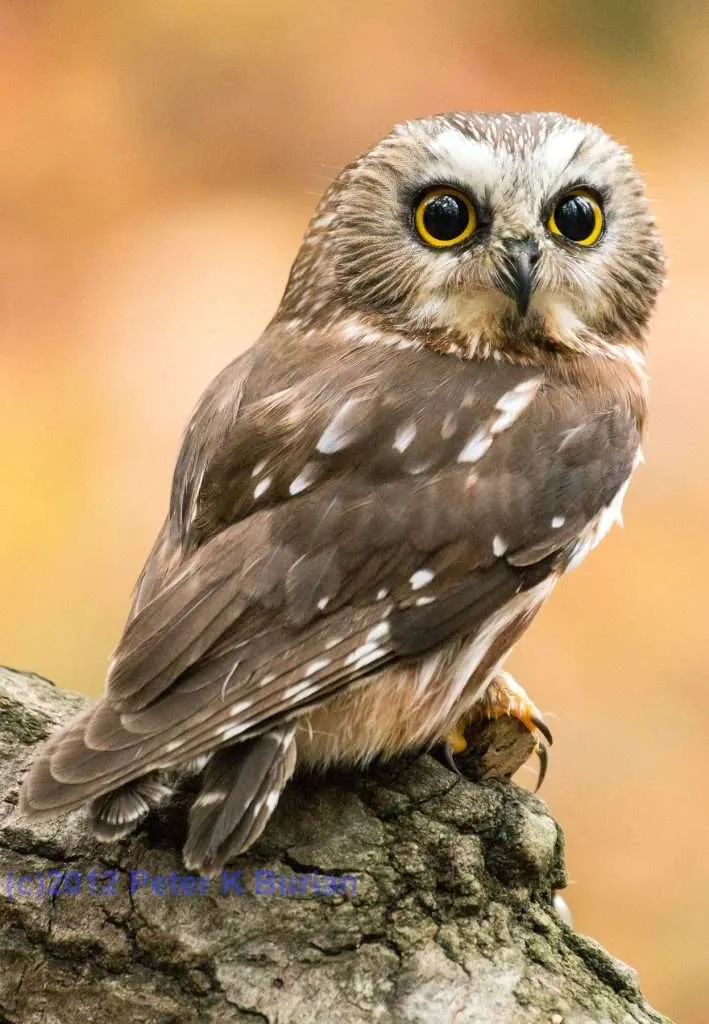
The Northern Saw-whet Owl is the smallest owl in eastern North America, and it is a rare and irregular winter visitor to Georgia, primarily in the northern parts of the state. Its elusive nature and nocturnal habits make it particularly difficult to spot.
Identification: This tiny owl (only about 7-8 inches tall) has a disproportionately large, round head, no ear tufts, and bright yellow eyes. Its plumage is mottled brown on the back with streaks on the white underparts.
Habitat and Diet: In its wintering grounds in Georgia, Saw-whet Owls prefer dense conifer or mixed forests, often near wetlands. They are primarily rodent specialists, preying on mice and voles.
Voice: Its unique call, a series of repetitive, mechanical "toot-toot-toot" notes, is reminiscent of a dull saw sharpening on a whetstone (hence its name).
Observing owls in Georgia requires patience, a keen ear, and often, some nocturnal exploration. Understanding their calls and preferred habitats significantly increases your chances of experiencing these magnificent "silent hunters" of the night.
Finding Owls in Georgia
Georgia's diverse habitats, from the mountains to the coast, make it a great state for owl watching. While owls are nocturnal and often elusive, certain locations with excellent habitat or specific programs can significantly increase your chances of spotting or at least hearing them.
Here are three good places in Georgia to see owls.
Okefenokee National Wildlife Refuge (Folkston, GA):
Why it's good: This vast and unique wilderness area, dominated by cypress swamps, wet prairies, and pine uplands, is prime habitat for several owl species. The dense, mature forests and abundant prey (including various amphibians and reptiles) create an ideal environment.
What you might see: You have excellent chances of hearing and potentially seeing Barred Owls (their "who cooks for you" call echoes through the swamp). Great Horned Owls are also present and common. In the pine uplands, you might even have a chance at the rare Short-eared Owl in winter, or even a very rare Long-eared Owl or Northern Saw-whet Owl further north in the refuge's larger forested areas if conditions are right.
Tips for viewing: Visiting during dawn or dusk is best for owl activity. Take a boat tour (especially guided ones that focus on wildlife), explore boardwalks like the Chesser Island Boardwalk, or drive the Chesser Island Wildlife Drive. Listen intently for calls, particularly the distinct "who cooks for you all" of the Barred Owl.
Find out more here.
Piedmont National Wildlife Refuge (Round Oak/Forsyth, GA):
Why it's good: This refuge manages a mix of loblolly pine forests and bottomland hardwoods, providing diverse habitats suitable for various owl species. It's a well-managed area with a focus on wildlife conservation.
What you might see: Great Horned Owls and Eastern Screech-Owls are common residents and fairly widespread throughout the refuge. You'll likely hear them, especially if you visit around dusk or dawn. Barred Owls will also be present in the more mature, wetter sections of the forest. In winter, you might get lucky and spot a Short-eared Owl in the more open, grassy areas.
Tips for viewing: Explore the numerous dirt roads and trails. Consider a late afternoon visit that extends into dusk, or an early morning visit beginning just before dawn. Listening is key.
Find out more here.
Chattahoochee River National Recreation Area (Various Units near Atlanta, GA):
Why it's good: This series of protected areas along the Chattahoochee River corridor, even within the metro Atlanta area, provides surprisingly rich habitat. The riparian forests (those along the riverbanks) are particularly good.
What you might see: This area is excellent for Barred Owls, especially in the denser, older sections of the forest along the river. Their calls are frequently heard. Eastern Screech-Owls and Great Horned Owls are also common residents and can be found throughout the park's various units.
Tips for viewing: Visit units like Cochran Shoals, Sope Creek, or Island Ford. Walk the trails near the river at dawn or dusk. You might even hear owls from your backyard if you live near one of these green spaces. Local birding groups often lead owl prowls in these areas.
Find out more here.
Frequently Asked Questions About Georgia Owls
Do Owls Live in Georgia?
Georgia is home to four resident owl species, and you are likely to have one or more in your neighborhood. The all-season owls found in the state are Great Horned, Barn, Barred and Eastern Screech Owls. On the other hand, Short-eared, Long-eared, and Northern Saw-whet Owls would visit from time to time. Rarely, Snowy Owls miraculously appear in the state from the North during irruptive years.
Is It Legal to Keep Owls as Pets in Georgia?
No, it's illegal to have an owl as a pet in Georgia or any U.S. state for that matter. They can only be handled or possessed by licensed individuals for educational and research purposes or injury rehab.
What's the Biggest Owl in Georgia?
The biggest owl in Georgia is the Great Horned Owl. It stands 24 inches tall and has a wingspan that's almost 5-foot long. These owls are ferocious hunters and are the uncrowned king of North American owls. Seeing a Great Horned Owl take-off can be mind-boggling at first, especially if you are not accustomed to large birds of prey.
Here's what a Great Horned Owl in Georgia sounds like:
Wrapping Up
So we’ve established there are seven owl species in Georgia that you are likely to come across anytime soon. If you are looking for Snowy Owls, then you are probably out of luck. They have only wandered into the Peach state a couple of times in almost a century, so they aren’t even considered visitors.
But you will have the good chances of seeing Great Horned Owls or Eastern Screech-Owls in GA. Barn Owls are also widespread across the state.
However, you'll need to have a wooded backyard or visit mature forests for any chance at spotting the rest of these owls.
Go get your binocs, camera, and notepad ready for the big find!
