

Colorado's landscapes are a study in extremes, from the vast eastern prairies to the towering peaks of the Rocky Mountains and the deep canyons of the west. This incredible ecological diversity creates a rich tapestry of habitats, providing refuge for a fascinating array of wildlife, including many species of owls.
These enigmatic nocturnal hunters, with their silent flight and keen senses, are among the most sought-after birds for nature enthusiasts. While their secretive nature often makes them challenging to spot, understanding their unique calls, preferred Colorado habitats, and key identification marks significantly increases your chances of encountering one of the Centennial State's magnificent owls.
Here are nine top owl species, encompassing both common residents and elusive rarities, that you might find in Colorado.
Common & Widespread Species
These owls are relatively common and can be found across broad areas of the state, given suitable habitat.
1. Great Horned Owl (Bubo virginianus) – The Iconic Apex Predator
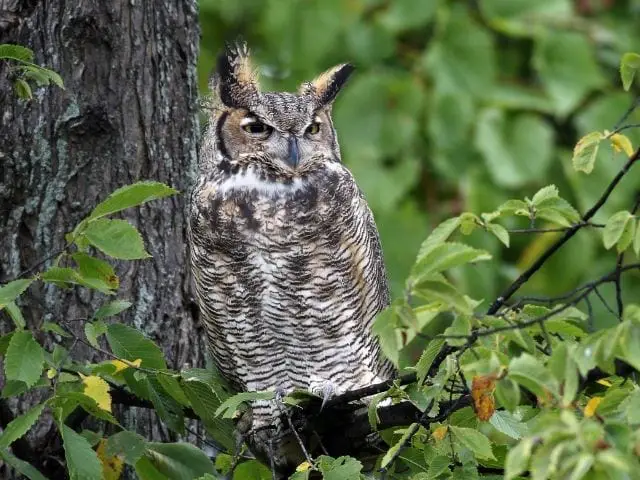
The Great Horned Owl is arguably Colorado's most ubiquitous and recognizable owl, a powerful, adaptable hunter found year-round across nearly every habitat from urban parks to high mountain forests.
Identification: This large, robust owl is easily identified by its prominent ear tufts (feather tufts, not actual ears), broad body, and mottled brown and grayish plumage. Its piercing yellow eyes are set in a large facial disc.
Habitat & Behavior: Great Horned Owls are incredibly versatile, thriving in deserts, riparian areas, mountains, canyons, grasslands, and even suburban environments. They are fierce, opportunistic predators with a vast diet, preying on everything from rodents, rabbits, and porcupines to large birds, other owls, and skunks. Their deep, resonant hooting call, typically a rhythmic "hoo-hoo-hooo hoo hoo," is a classic sound of the Western night.
2. Western Screech-Owl (Megascops kennicottii) – The Small Suburban Whinny
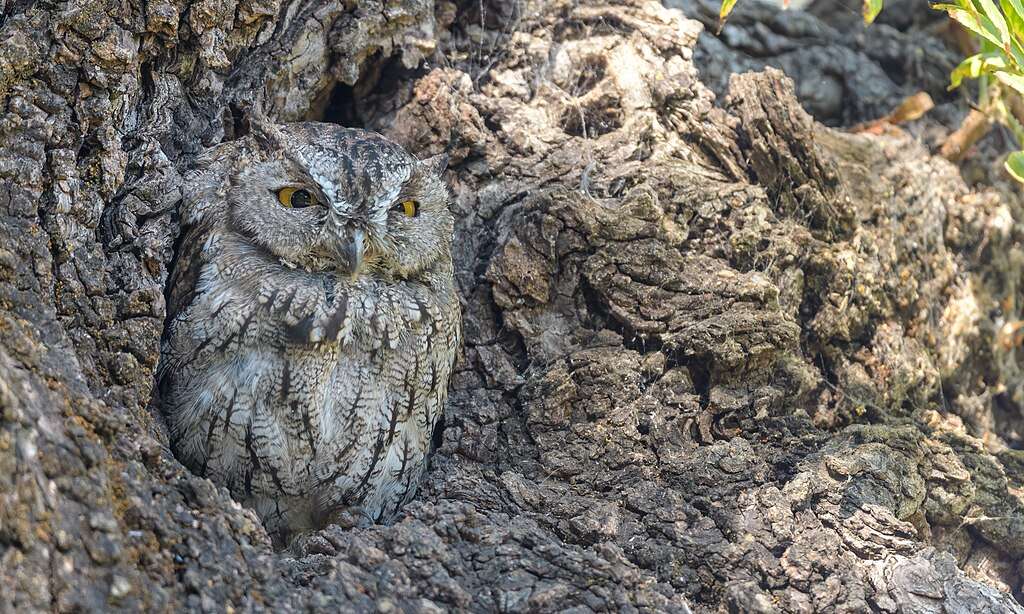
The Western Screech-Owl is a common small owl in many parts of Colorado, especially in riparian areas, canyons, and well-wooded suburban neighborhoods. Like many owls, their excellent camouflage makes them easier to hear than to see.
Identification: Standing only about 8-10 inches tall, they are typically mottled gray-brown with prominent ear tufts and bright yellow eyes. They are very similar in appearance to the Eastern Screech-Owl but are genetically distinct and found west of the Great Plains.
Habitat & Behavior: In Colorado, Western Screech-Owls prefer riparian woodlands, canyon bottoms, and urban/suburban areas with mature trees providing cavities for nesting and roosting. They hunt a range of small prey, including large insects, scorpions, small mammals, and birds.
Voice: Their distinctive call is a series of accelerating hoots, often described as a "bouncing ball" sound, or a single trill. It lacks the quavering, horse-like whinny of the Eastern Screech-Owl.
3. Burrowing Owl (Athene cunicularia) – The Diurnal Ground Dweller

The Burrowing Owl is one of Colorado's most unique owls due to its largely diurnal (daytime active) habits and its preference for living underground. They are a common summer resident on Colorado's eastern plains.
Identification: This small owl has long legs, a relatively short tail, and no ear tufts. Its plumage is mottled brown and sandy-colored, allowing it to blend with its dry environment. It has prominent white "eyebrows" and bright yellow eyes. They often bob their heads when agitated and can be seen perched on fence posts or small mounds.
Habitat & Behavior: Burrowing Owls prefer open, treeless habitats such as grasslands, prairies, and agricultural fields. They utilize abandoned burrows of prairie dogs, ground squirrels, or badgers for nesting and roosting. Their diet consists primarily of large insects (grasshoppers, beetles) and small mammals.
Voice: Their call is a soft, somewhat dove-like "coo-coo," but when threatened, they emit a sharp, rattling hiss that mimics a rattlesnake.
4. Barred Owl (Strix varia) – The Expanding Eastern Hooter

While historically more eastern, the Barred Owl has been steadily expanding its range westward and is now a well-established, though still locally common, resident in many of Colorado's eastern riparian corridors and deciduous forests.
Identification: A medium-to-large owl with a rounded head and no ear tufts. Its plumage is a mix of brown and white barring, with vertical streaks on its belly and horizontal barring on its chest. Its striking dark brown eyes distinguish it from most other Colorado owls.
Habitat & Behavior: Barred Owls prefer mature deciduous and mixed forests, especially those near water sources like rivers, swamps, and wetlands. They hunt a diverse range of prey, including small mammals, birds, reptiles, and amphibians.
Voice: Their famous call sounds like "Who cooks for you? Who cooks for you all?" – a series of rhythmic hoots that carries well through the quiet night.
Less Common, Rare, & Specialized Species
These owls are either migratory, restricted to specific habitats, or simply less numerous across the state.
5. Long-eared Owl (Asio otus) – The Elusive Roosting Owl

The Long-eared Owl is a less common resident and winter visitor to Colorado, known for its extremely cryptic camouflage and tendency to roost in dense conifer groves. Finding them often requires patience and luck.
Identification: This medium-sized owl is slender with very long, erect ear tufts set close together on top of its head, giving it an intense expression. Its plumage is heavily mottled brown and black, providing excellent camouflage against tree bark. Its orange-yellow eyes are set within a dark facial disc.
Habitat & Behavior: In Colorado, Long-eared Owls typically roost communally in dense conifer groves or thickets (e.g., junipers, pines) near open fields or grasslands where they hunt for small rodents. Their secretive nature makes them challenging to find.
Voice: Their primary call is a low, soft "hoo" note, repeated steadily, which can be easily missed.
6. Northern Saw-whet Owl (Aegolius acadicus) – The Tiny Night Hunter

The Northern Saw-whet Owl is the smallest owl in Colorado, a tiny nocturnal resident of mountain conifer forests that is notoriously difficult to spot due to its size and habits.
Identification: This tiny owl (7-8 inches tall) has a disproportionately large, round head, no ear tufts, and bright yellow eyes. Its plumage is mottled brown on the back with streaks on the white underparts. They have a somewhat "surprised" expression.
Habitat & Behavior: In Colorado, Northern Saw-whet Owls prefer dense conifer or mixed forests in mountain ranges, often near wetlands. They are strictly nocturnal hunters, primarily preying on mice and voles, which they catch by diving from a low perch.
Voice: Its unique call, a series of repetitive, mechanical "toot-toot-toot" notes, is reminiscent of a dull saw sharpening on a whetstone.
7. Flammulated Owl (Psiloscops flammeolus) – The Migratory Insectivore
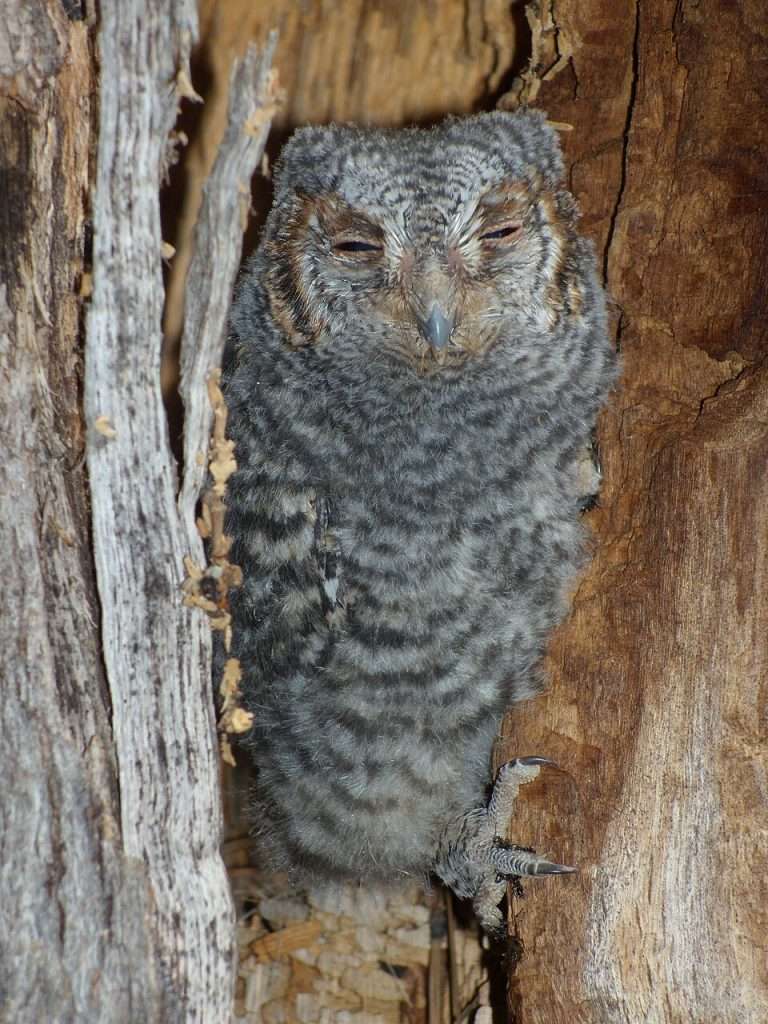
The Flammulated Owl is a small, highly migratory owl that is a summer resident in Colorado's high-elevation mountain conifer forests. It is often overlooked due to its small size, strictly nocturnal habits, and habitat.
Identification: Slightly larger than an Elf Owl (not typically in Colorado) but still very small (6-7 inches). It has small ear tufts and large, dark eyes. Its plumage is a finely mottled mix of gray and reddish-brown (the "flammulated" part refers to these rusty markings), providing excellent camouflage.
Habitat & Behavior: Flammulated Owls breed in mature ponderosa pine, Douglas fir, and mixed-conifer forests in the mountains. They are primarily insectivorous, specializing in moths and beetles, which they often catch in mid-air.
Voice: Their call is a distinctive, low-pitched, single or double "hoot," often repeated regularly, which is surprisingly deep for such a small bird.
8. Short-eared Owl (Asio flammeus) – The Open-Country Migrant
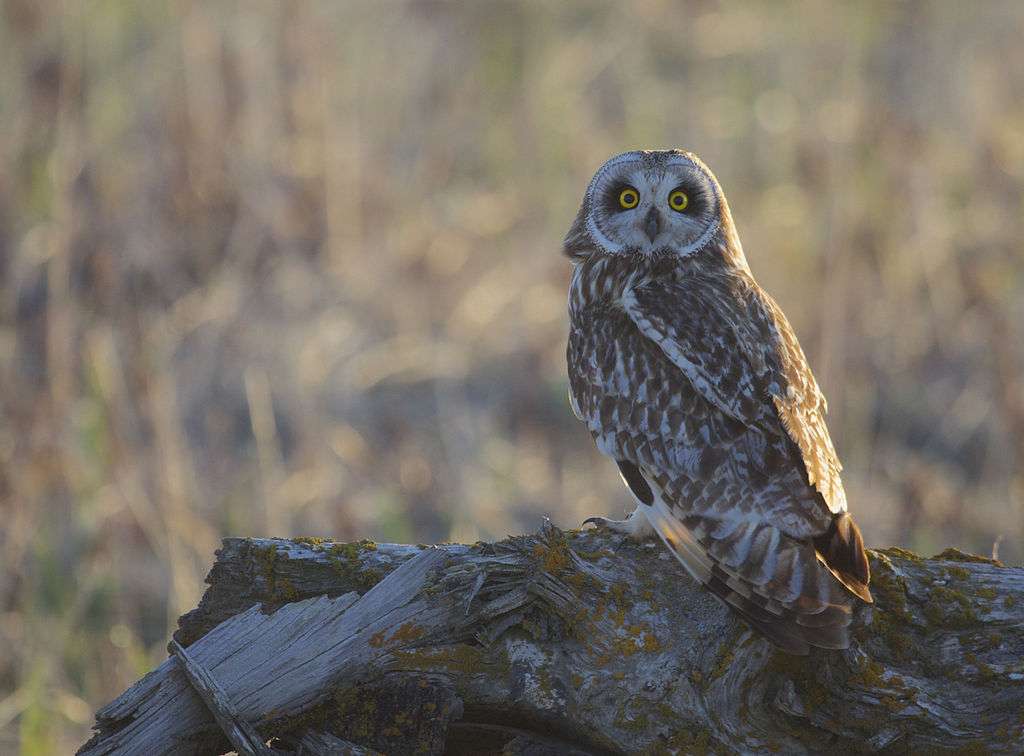
The Short-eared Owl is a medium-sized owl primarily seen in Colorado during winter and migration, though a few may breed in suitable grassland habitats. They are one of the few owl species often active during the day, especially at dawn and dusk.
Identification: This owl has a round head, relatively short "ear" tufts (often not visible), and piercing yellow eyes with dark patches around them. Its plumage is mottled brown and buff with streaks on the underparts. In flight, it shows long, broad wings with a distinctive dark patch at the "wrist" of the underwing. They have a buoyant, somewhat moth-like flight as they glide low over open fields.
Habitat & Behavior: In Colorado, Short-eared Owls are found in expansive open habitats such as grasslands, agricultural fields, and shortgrass prairies. They specialize in hunting voles and other small rodents, often quartering the ground in a systematic fashion.
Voice: Their calls are typically quiet hoots or barks.
9. Snowy Owl (Bubo scandiacus) – The Rare Arctic Wanderer
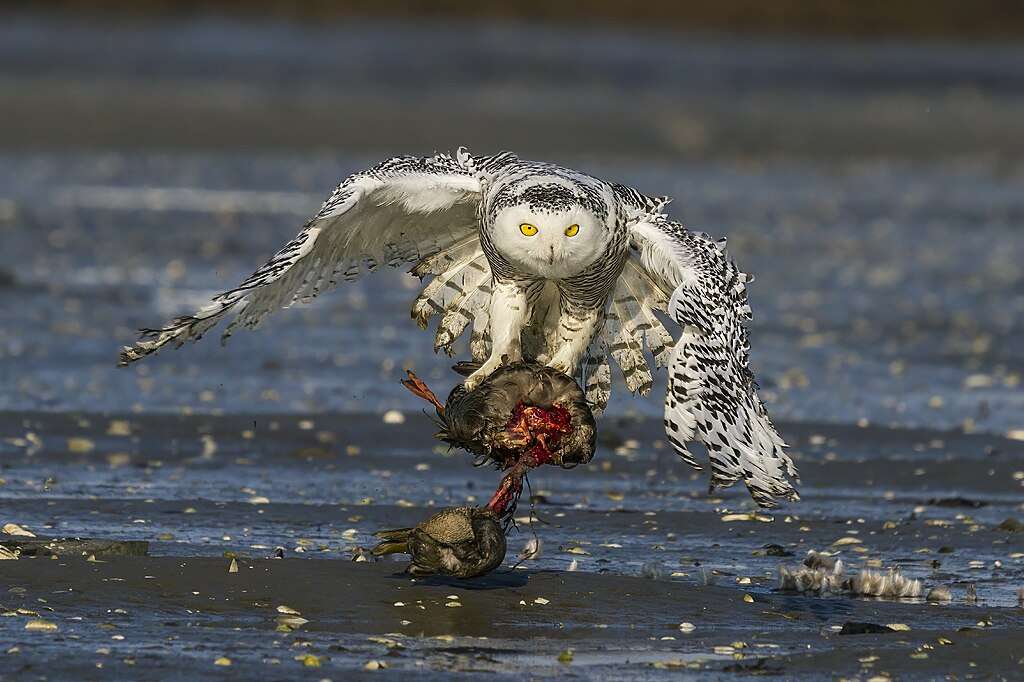
The Snowy Owl is a magnificent and unmistakable species that is a very rare and irregular winter visitor to Colorado. Their presence is part of an "irruption" phenomenon, usually occurring every few years due to prey availability on their Arctic breeding grounds.
Identification: A large, striking owl, predominantly white. Males can be almost pure white, while females and immatures have varying degrees of dark barring. They have a round head and bright yellow eyes.
Habitat & Behavior: In Colorado, Snowy Owls are found in expansive open areas that mimic their tundra breeding grounds, such as agricultural fields, large airports, and wide-open prairies, particularly on the eastern plains. They often perch on the ground or low hummocks.
Voice: They are largely silent in winter, but their calls can include hoots, screeches, and croaks.
General Owl Spotting Tips for Colorado:
Time of Day: Most owls are nocturnal. Your best chances for sightings or hearing calls are at dusk, throughout the night, and at dawn. Exceptions are the largely diurnal Burrowing Owl and the often crepuscular (dawn/dusk active) Short-eared Owl and Snowy Owl.
Know Their Calls: Learning the distinct vocalizations for each species is paramount. You'll often hear them long before you see them.
Focus on Habitat: Tailor your search to the specific habitat preferences of each owl (e.g., grasslands for Burrowing, dense conifers in mountains for Flammulated/Saw-whet, riparian corridors for Western Screech-Owls/Barred Owls).
Look for Roosts: During the day, owls will roost in dense foliage, tree cavities, or rock crevices. Look for "whitewash" (droppings) or owl pellets (regurgitated undigested prey remains) at the base of large trees, which can indicate an owl's presence.
Ethical Viewing: Always maintain a respectful distance. Never use flash photography directly at an owl, as it can damage their sensitive night vision. Avoid excessive playback of calls, which can stress the birds.
Frequently Asked Questions Section
What is the largest owl in Colorado?
The Great Horned Owl is the largest owl species that you can find in Colorado. They are also top on the list of the largest tufted owls living in North America. This is among the most common species of owls and is abundantly found around the globe.
Unlike the name, these owls do not have any horns. Instead, it’s the tuft that looks like horns. They also have filaments on the feathers that serve a silent fly. With an extremely silent flight, they can easily attack prey.
Another amazing feature is the eyesight of this owl. Moreover, the eyes do not move in the eye socket, but they can rotate their head to 270 degrees. The owls also have exceptional hearing abilities.
How big do owls get in Colorado?
The Great Horned Owl is the biggest living species in Colorado, with a wingspan of up to five feet (usually 4.6 feet). They are heavier in build with an average weight of 88 oz. and have a total length of up to 24 inches.
Are there Barn Owls in Colorado?
Yes, barns and owls are a common sight in Colorado. They nest in cavities and also like to nest on artificial structures or old abandoned barns. These owls feature rusty brown color on their back and wings with specks of white.

Is it illegal to kill an owl in Colorado?
Yes, among many other birds, owls are also protected by law in Colorado. These birds are protected both under federal and state law. According to these laws hunting or killing these birds is illegal. In case you are having trouble with any owl, consult the authorities for help.
Before you move on, take a look at this amazing YouTube video of a very vocal Snowy Owl, later on, you can explore other Colorado owl sounds:
Wrapping Up
Colorado's diverse environments provide exceptional opportunities to observe these fascinating owl species. With patience, keen senses, and an understanding of their unique behaviors, you can unlock the secrets of these silent hunters of the plains and mountains.
From the stunning Great Horned Owl to the seriously cute Northern Saw-whet Owl, Colorado has some fantastic owls to see.
Let's get going!
Read about other birds found in Colorado.
