
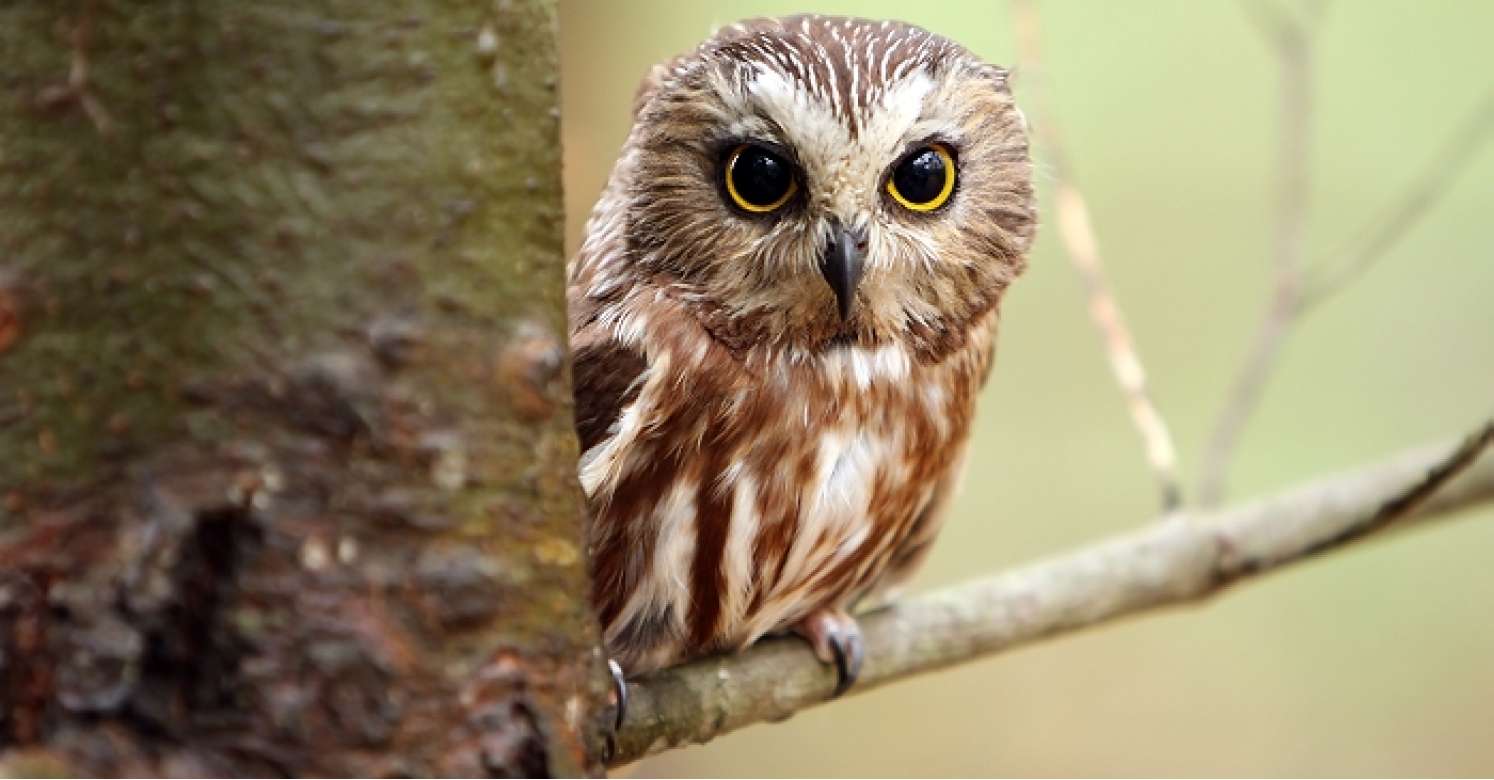
Florida, with its diverse landscapes ranging from dense forests to open prairies and bustling urban centers, provides a surprisingly rich habitat for a variety of owl species.
These nocturnal predators play a vital role in maintaining the state's ecological balance, silently hunting rodents, insects, and other small animals.
While several owl species may pass through or reside in Florida, seven are consistently observed, each with unique characteristics and preferred environments.
1. Great Horned Owl (Bubo virginianus)
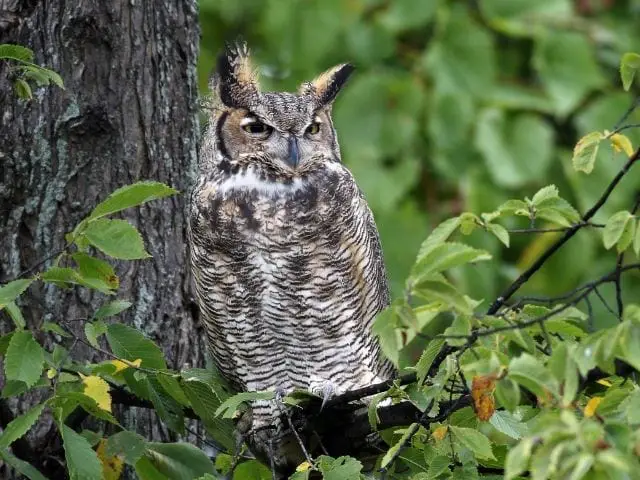
The undisputed monarch of North American owls, the Great Horned Owl is a commanding presence in Florida's skies. Easily recognized by its prominent ear tufts and large yellow eyes, this adaptable owl can be found in almost every habitat imaginable, from deep forests and swamps to suburban parks and even city outskirts. They are formidable hunters with an incredibly varied diet, preying on everything from small rodents and rabbits to other birds and even skunks. Their distinctive, deep "hoo-hoo-hooo" call is a quintessential sound of the Florida night. Great Horned Owls are generally large, ranging from 18 to 25 inches in height with a wingspan of up to 57 inches.
2. Barred Owl (Strix varia)

Known for its distinctive "Who cooks for you? Who cooks for you all?" call, the Barred Owl is another common resident across Florida, particularly in mature forests and swamps, often near water sources. These owls lack ear tufts and have large, dark brown eyes set in a round face, giving them a gentle, inquisitive appearance. Their plumage is a mottled brown and white with characteristic "bars" across their chest. Barred Owls are highly vocal and active, even during the day, making them a more frequently seen species. They typically measure between 17 and 20 inches tall with a wingspan of 39 to 43 inches.
3. Eastern Screech-Owl (Megascops asio)
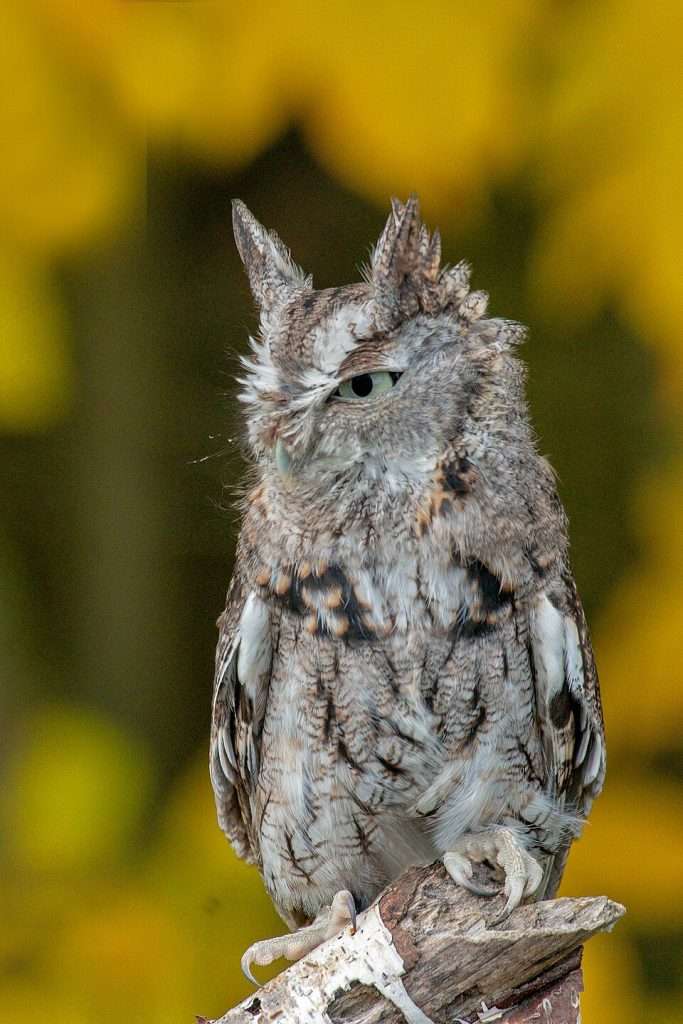
Florida's smallest owl, the Eastern Screech-Owl, is a master of camouflage. These tiny owls, only about 6 to 10 inches tall with a wingspan of 19 to 24 inches, come in two color morphs: a reddish-brown and a gray phase, allowing them to blend seamlessly with tree bark. Despite their diminutive size, they are fierce hunters of insects, small mammals, and birds. Eastern Screech-Owls are common in suburban areas, parks, and wooded neighborhoods, often nesting in tree cavities or readily adopting nest boxes. Their call is a trembling, descending whinny, not a screech as their name might suggest.
4. Burrowing Owl (Athene cunicularia)

A truly unique Florida owl, the Burrowing Owl stands out for its ground-dwelling habits. Unlike most owls, they are active during the day and spend much of their time on the ground, perching on low mounds or fence posts. These small owls, typically 7 to 10 inches tall with long legs and no ear tufts, are often found in open, treeless areas such as prairies, pastures, golf courses, and even vacant lots in urbanized areas, particularly in southwest Florida. They get their name from their habit of nesting and roosting in underground burrows, often those dug by gopher tortoises or other burrowing animals. The Florida Burrowing Owl is a state-threatened species, facing habitat loss due to development, and conservation efforts are crucial for their survival.
5. Barn Owl (Tyto alba)

With its striking heart-shaped face and pale, ghostly appearance, the Barn Owl is a highly distinctive species found across Florida's open habitats. These owls prefer grasslands, agricultural fields, marshes, and even suburban areas, often nesting in barns, abandoned buildings, or large tree cavities. They are incredibly efficient nocturnal hunters, relying on their exceptional hearing to pinpoint prey in complete darkness. Their call is a piercing, raspy screech, rather than a hoot. Barn Owls typically stand 13 to 16 inches tall with a wingspan ranging from 39 to 49 inches.
6. Short-eared Owl (Asio flammeus)

While not a year-round resident in the same numbers as the previous five, the Short-eared Owl is a regular winter visitor to Florida, making it a commonly seen species during the cooler months. These medium-sized owls, around 13 to 17 inches tall with a wingspan of 33 to 41 inches, prefer open fields, marshes, and coastal grasslands. They are known for their buoyant, moth-like flight and often hunt during the late afternoon or early morning hours. Their "ear tufts" are very small and often not visible, giving their head a rounded appearance.
7. Northern Saw-whet Owl (Aegolius acadicus)
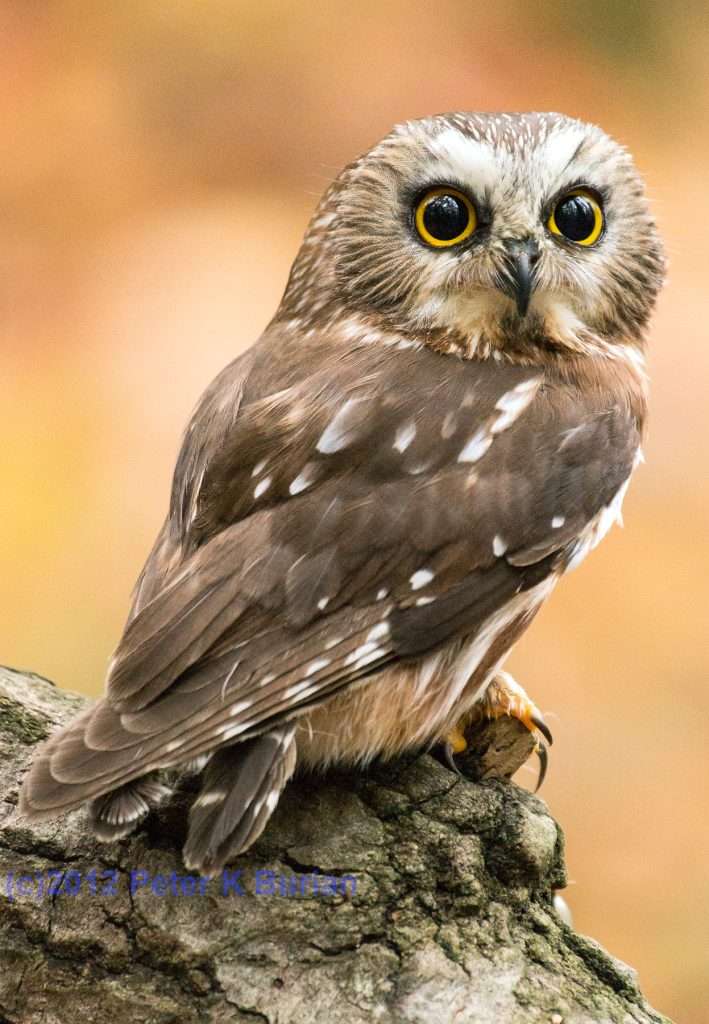
Another less common but regularly observed winter visitor to northern Florida is the Northern Saw-whet Owl. This tiny owl, barely larger than a robin, is incredibly secretive and often goes unnoticed due to its nocturnal habits and preference for dense coniferous or mixed forests. They are characterized by their large head, bright yellow eyes, and lack of ear tufts. Their call is a repetitive, mechanical "toot-toot-toot" that sounds like a saw being sharpened, hence their name. While challenging to spot, their presence makes them a delightful find for birdwatchers in the state.
Learn more about Florida's native owls, including how to identify them and fun facts, in this video.
Frequently Asked Questions (FAQs)
How do you attract owls in Florida?
Provide food for them by letting part of your yard go natural or scattering grains on your yard to attract prey. Spare the old trees for shelter or install nest boxes in one – many owl species in Florida, like the screech-owls, take up residence in them. Avoid unnecessary outdoor lighting, especially at night, as owls hunt better in the dark and seldom visit illuminated yards.
Do owls in Florida attack humans?
Yes but it's super-rare and this only happens when owls are taking care of their young. The owl attacks often occur with unsuspecting hikers and joggers, who escape injury-free or with a little scratch. In Florida, Great Horned Owls are the most likely aggressors, followed by Barred Owls.
Here’s their famous "Who cooks for you? Who cooks for you-all?" call I forgot to sing:
What is the size of the biggest owl in Florida?
The biggest owl in Florida is the Great Horned Owl which is usually about 18 – 25 inches tall, with large yellow eyes and easily recognizable large ear tufts.
