Love The Birds is reader-supported. When you purchase through one of our links we may earn an affiliate commission (at no cost to you).
8 Species of Finches in Texas: Top Types to Spot
Share your love
Texas, a state of immense ecological diversity, boasts an incredible array of birdlife. From the arid Trans-Pecos to the lush Piney Woods and the vast expanse of the Gulf Coast, its varied habitats support a surprising number of species, including a charming collection of finches.
These small, often colorful, seed-eating birds are a delight to behold, whether flitting through backyard feeders or foraging in the wild. While the term "finch" can broadly refer to many small, seedeating passerines, we'll focus on members of the true finch family (Fringillidae) and closely related species often considered "finch-like" by birders.
Here are eight top types of finches you can spot in the Lone Star State.
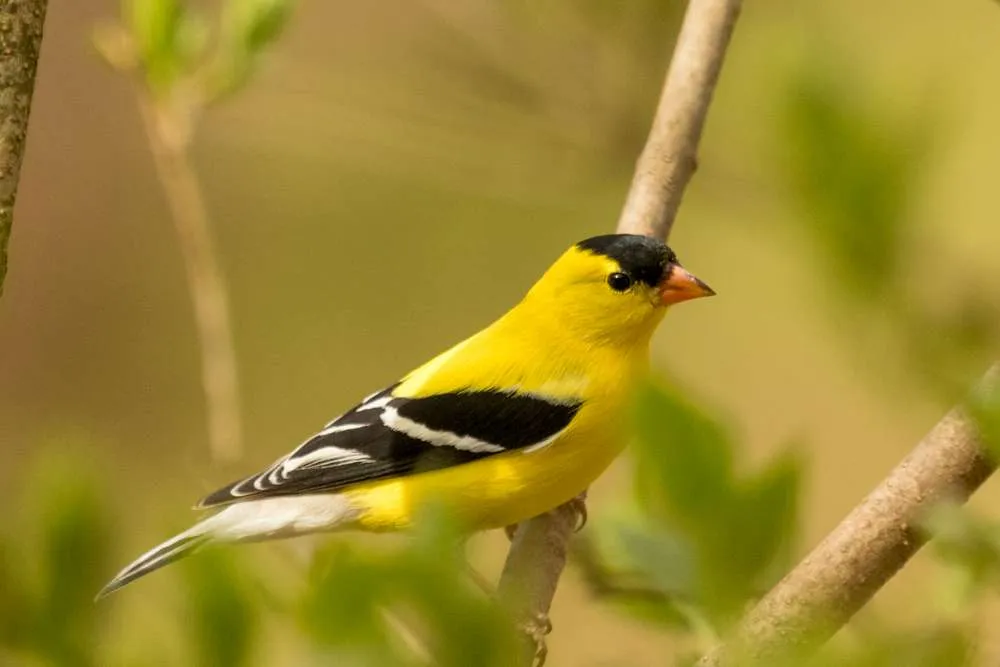
1. American Goldinch (Spinus tristis) – The Golden Jewel
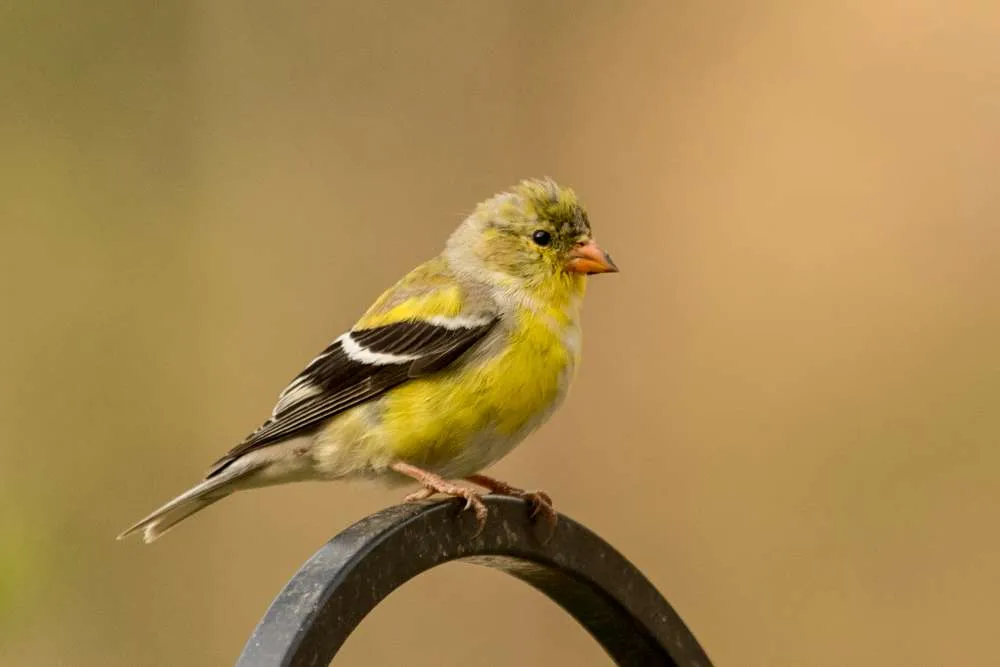
American Goldfinch
Perhaps the most iconic finch, the American Goldfinch is a vibrant splash of sunshine. Males in breeding plumage are an unmistakable brilliant yellow with black wings and a black cap. Females are a more subdued olive-yellow. In winter, both sexes become duller, transitioning to a more muted brownish-yellow.
These delightful birds are common year-round residents across much of Texas, though their numbers swell in winter as northern populations migrate south. They are frequently seen at thistle feeders, carefully extracting seeds, and their undulating flight, often accompanied by their "potato-chip" call, is a familiar sight in open fields and suburban gardens.
Their diet consists almost entirely of seeds, particularly thistle, sunflower, and nyjer.
2. House Finch (Haemorhous mexicanus) – The Urban Acclimatizer
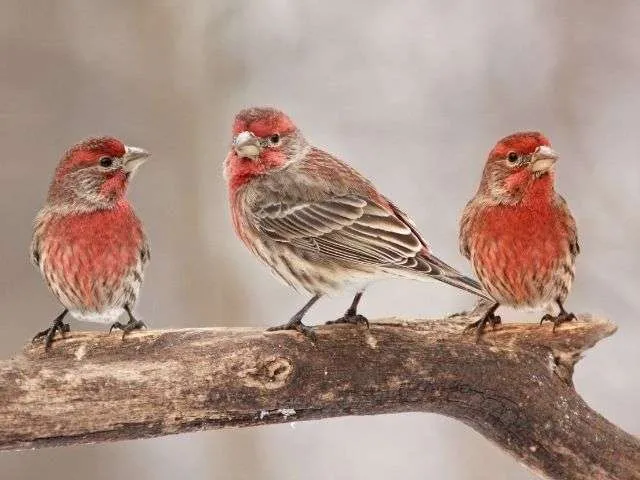
The House Finch has successfully colonized virtually every corner of Texas, becoming one of the most common backyard birds. Males display a rosy red on their head, breast, and rump, though the intensity of the color can vary greatly depending on diet. Females are streaky brown with an indistinct facial pattern.
Originally a western species, they were introduced to the eastern U.S. and have since expanded their range westward again, meeting their native range in Texas. They are highly adaptable, thriving in urban and suburban environments, agricultural areas, and open woodlands.
Their cheerful, jumbled song, often ending with a rising flourish, is a constant sound around human habitation. They are frequent visitors to bird feeders, enjoying sunflower and nyjer seeds.
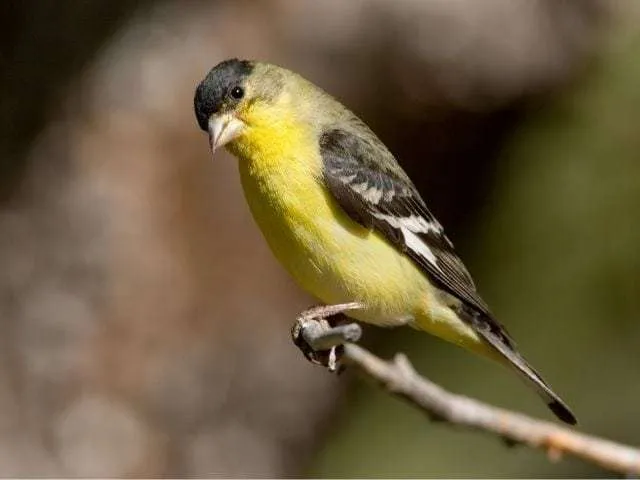
3. Lesser Goldfinch (Spinus psaltria) – The Western Whistle
Yellow Lesser Goldfinch
A smaller, often overlooked cousin of the American Goldfinch, the Lesser Goldfinch is primarily found in the western and central parts of Texas, extending into the Panhandle. Males have a striking black cap and back, bright yellow underparts, and black wings with prominent white wing bars. Females are duller, with olive-green upperparts and yellowish underparts.
They prefer semi-open country with scattered trees and shrubs, particularly those with thistle and sunflower patches.
Their delightful song is a mix of high-pitched whistles and trills, sometimes mimicking other birds. Unlike the American Goldfinch, Lesser Goldfinches often include some insect protein in their diet, especially when feeding young.
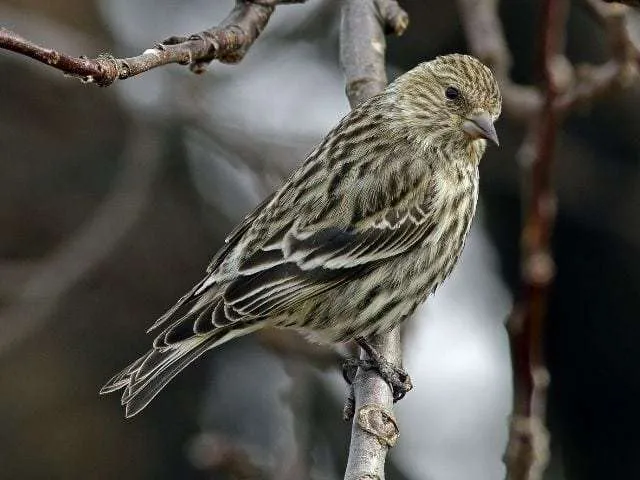
4. Pine Siskin (Spinus pinus) – The Conifer Connoisseur
Pine Siskin
The Pine Siskin is a fascinating irruptive migrant to Texas. While some years they may be absent, other winters bring large numbers of these streaky brown finches to the state, particularly to areas with conifer trees. They resemble a streaky female House Finch but are smaller, with a thinner, more pointed bill and subtle yellow edgings on their wings and tail, often only visible in flight.
Their call, a distinctive "zzzzzzzzzt," often given in flight, is a good way to identify them. As their name suggests, they favor conifer seeds, but will readily visit feeders offering nyjer and sunflower seeds during irruption years.
Their erratic movements are tied to cone crop availability in their northern breeding grounds.
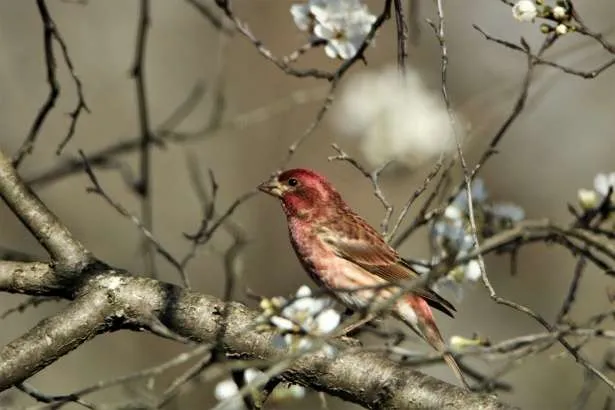
5. Purple Finch (Haemorhous purpureus) – The Raspberry-Colored Rarity
Purple Finch
While less common than the House Finch, the Purple Finch is a prized sighting for many Texas birders, primarily occurring as a winter visitor in the eastern and central parts of the state. Males are a rich, raspberry-red, particularly on the head and breast, with streaky underparts. Females are brown with strong streaking and a distinct white supercilium (eyebrow stripe).
They prefer coniferous and mixed forests, often visiting feeders in suburban areas when food is scarce in the wild. Their song is a rich, warbling carol, more melodic than the House Finch's.
Differentiating them from House Finches requires careful observation, focusing on the more uniform red color and distinct female plumage.
6. Red Crossbill (Loxia curvirostra) – The Conifer Specialist
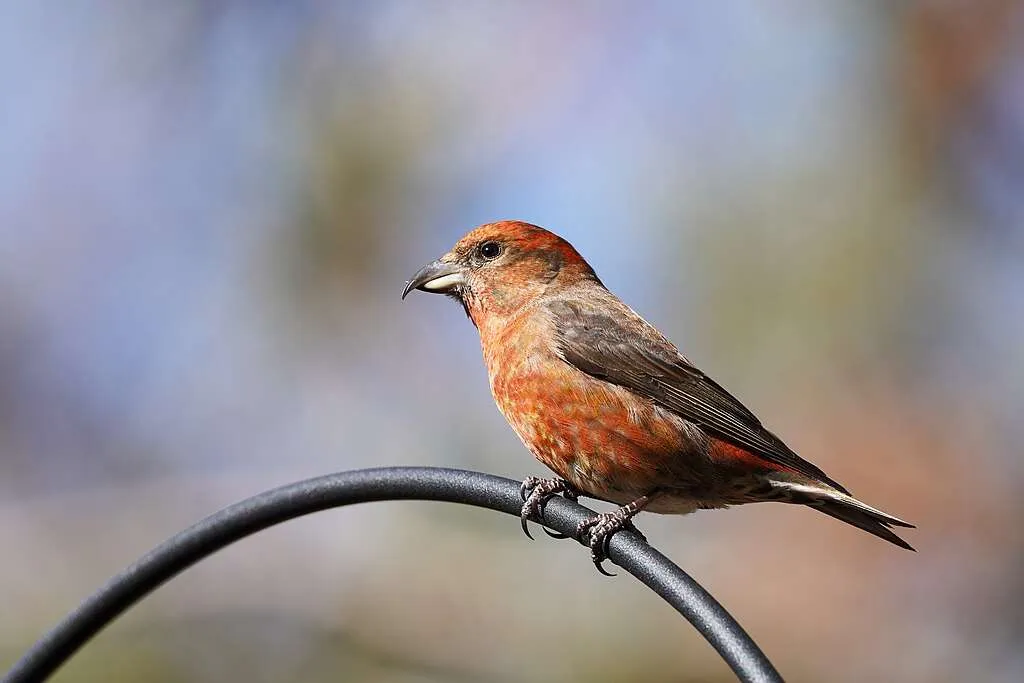
Red Crossbill
A truly unique finch, the Red Crossbill is an irruptive species that can be found in Texas, especially in the Guadalupe Mountains and other limited conifer stands in the western part of the state.
Their most distinctive feature is their crossed mandibles, perfectly adapted for extracting seeds from conifer cones. Males are brick-red, while females are olive-yellow. Their presence in Texas is highly dependent on cone crop availability, leading to unpredictable movements.
They are often detected by their sharp, metallic "chip-chip" calls. Finding Red Crossbills in Texas is a testament to the state's diverse, though often isolated, coniferous habitats.
7. Evening Grosbeak (Coccothraustes vespertinus) – The Bold Behemoth
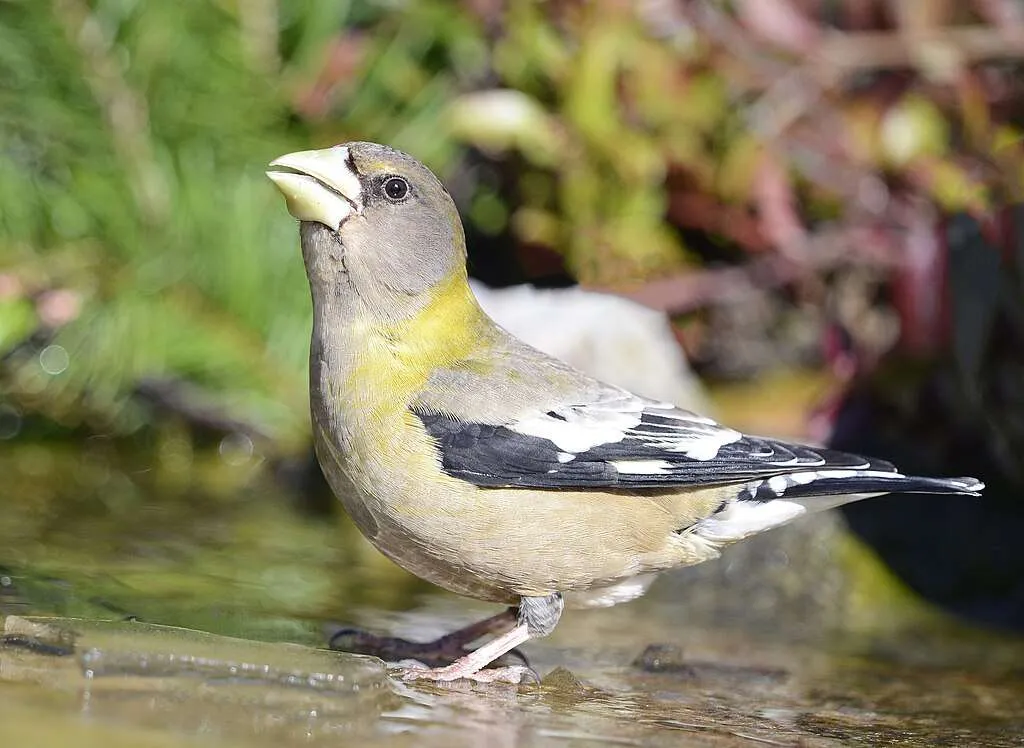
Evening Grosbeak
Another irruptive winter visitor to Texas, the Evening Grosbeak is a large, strikingly patterned finch. Males are a beautiful combination of bright yellow, black, and white, with a massive, pale, conical bill. Females are duller, but still distinctive.
These birds primarily feed on seeds, particularly those of box elders, maples, and other deciduous trees, as well as conifer seeds. When they do appear in Texas, often in northern and central parts of the state, they can quickly deplete backyard feeders.
Their loud, ringing "cleer" call is characteristic. Like Pine Siskins and Red Crossbills, their presence is erratic, tied to food availability further north.
Cassin's Finch (Haemorhous cassinii) – The Mountain Conifer Dweller
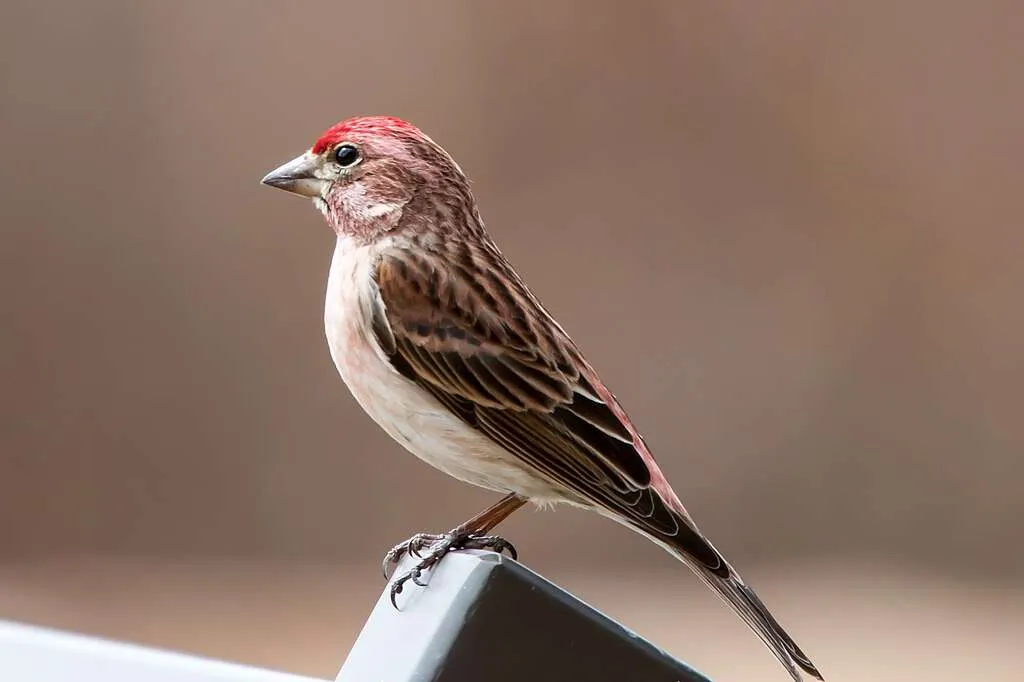
Cassin's Finch
In Texas, the Cassin's Finch is an uncommon winter visitor, mostly restricted to the higher elevations of West Texas, particularly in areas like the Guadalupe Mountains. Like the Purple Finch, the male Cassin's Finch is reddish, but its red is often described as more raspberry-pink, with the brightest red concentrated on its sharply defined crown, which can appear peaked.Female Cassin's Finches are notoriously difficult to distinguish from female Purple Finches. They are streaky brown and white, but often show crisper streaking on the underparts and a more distinct pale eye-ring compared to the Purple Finch. The longer, straighter bill is also a helpful, though subtle, clue.
Their diet largely consists of tree buds and seeds, especially those from conifers like pines and firs. They may occasionally visit feeders offering sunflower seeds during irruption years.
Where To Find Finches In Texas
Texas is a vast state with incredibly diverse habitats, meaning that finches can be found almost anywhere, from urban backyards to remote mountain ranges. The key to finding specific finch species often lies in understanding their preferred habitats and seasonal presence.
Here are some excellent places to find finches in Texas, categorized by the types of finches you're most likely to encounter:
Your Own Backyard & Urban/Suburban Parks (All-around Finch Hotspot)
For the most common and widespread finches, your backyard is often the best starting point, especially if you have feeders.
Target Species:
House Finch: Almost guaranteed in any urban or suburban setting across most of Texas.
American Goldfinch: Very common winter visitor to feeders and weedy fields throughout the state.
Lesser Goldfinch: Common year-round in central and western Texas backyards, especially those with thistle and sunflower seeds.
Pine Siskin (winter irruptions): Can suddenly appear at feeders (especially nyjer/thistle) in large numbers during irruption years.
Purple Finch (winter): Less common, but can show up at feeders in wooded suburban areas, particularly in central and eastern Texas during winter.
Why these places are good: Finches are highly adaptable and are attracted to the reliable food sources (seeds) that feeders provide. Parks often have a mix of trees, shrubs, and open grassy areas, which are ideal for foraging.
Western Texas - Mountains and Conifer Forests (For Specialized Finches)
The Trans-Pecos region of West Texas, with its mountain ranges, offers unique habitats for species not found elsewhere in the state.
Target Species:
Cassin's Finch:Guadalupe Mountains National Park is the premier spot for this species in Texas, especially at higher elevations in coniferous forests (e.g., McKittrick Canyon). It's primarily a winter visitor here, but occasional breeding records exist. Patience and hiking into appropriate habitat are crucial.
Red Crossbill: Also found in the Guadalupe Mountains and other limited, isolated conifer stands (like parts of the Davis Mountains). Their presence is highly unpredictable, tied to cone crop. Listen for their distinctive calls while walking through pine forests.
Lesser Goldfinch: Very common throughout this region in appropriate semi-open habitats with shrubs and scattered trees.
Why these places are good: The elevation and presence of conifers create the specific habitat these specialized finches require.
American Goldfinch
Open Fields, Grasslands, and Agricultural Areas (For Grassland & Irruptive Finches)
Areas with vast expanses of weeds, disturbed ground, and open fields are important for certain finch species, particularly in winter.
Target Species:
American Goldfinch: Often seen in large flocks on weedy fields, especially those with thistles and sunflowers.
Pine Siskin (winter irruptions): During irruption years, large flocks can descend upon weedy fields.
House Finch: Found in agricultural areas and often near farm buildings.
Evening Grosbeak (rare winter irruption): While highly unpredictable, if they show up in Texas, they'll often be found in areas with maples or box elders, including rural and suburban areas.
Why these places are good: These habitats provide abundant seed sources. Look along roadsides, power lines, and fence rows where finches often perch.
State Parks & Wildlife Management Areas (Diverse Habitats for Multiple Species)
Many of Texas's state parks and WMAs offer a mix of habitats, increasing your chances of finding multiple finch species.
Examples:
Palo Duro Canyon State Park (Panhandle): Offers diverse habitats where you can find House Finches, American Goldfinches, and potentially Pine Siskins in winter.
Big Bend National Park (West Texas): While known for many unique species, the Chisos Mountains within the park offer habitat for Cassin's Finches and potentially Red Crossbills at higher elevations, as well as Lesser Goldfinches.
Various parks in the Hill Country: Good for House and Lesser Goldfinches, and potential wintering Purple Finches.
East Texas Pineywoods parks: Can host Purple Finches in winter, as well as American Goldfinches and House Finches.
Why these places are good: Managed areas often maintain healthy ecosystems, providing both food and cover for a wide range of birds. They often have well-maintained trails and birding blinds.
General Tips for Finch Finding in Texas
Time of Year
While House Finches and Lesser Goldfinches are year-round residents in many areas, the winter months (November to March) are best for seeing irruptive species like Pine Siskins, Purple Finches, and potentially Evening Grosbeaks or Red Crossbills (though the latter are very localized). American Goldfinch numbers also swell in winter.
Bird Feeders
If you're targeting backyard species, a good quality bird feeder with black oil sunflower, nyjer, and safflower seeds is a magnet for finches.
Listen for Calls
Many finches have distinctive calls. Learning them can often help you detect their presence before you see them.
Look for Seed-Bearing Plants
Finches are granivores (seed-eaters). Look for areas with thistles, sunflowers, ragweed, and other seed-producing plants.
Check eBird
Before visiting a specific location, consult eBird (ebird.org). You can explore recent sightings, hotspots, and bar charts for different species, giving you an excellent idea of what's currently being seen and where.
By combining an understanding of finch habitats with targeted visits to these diverse Texas locations, you'll greatly increase your chances of spotting a wide variety of these charming birds.
House Finches
Frequently Asked Questions
How Can I Attract Finches?
Finches are known to eat seeds and sometimes small insects. During winter, when food is scarce, they tend to visit bird feeders in backyards. The best way to attract finches is to load up your feeder with seeds -- black sunflower seed, pine seed, nyjer seed, and others you might think would make them drop by.
However, keep in mind that each species has its own favorite food. If you want to attract a specific finch, then use a specific seed.
Know more about how to attract finches to your yard by watching the following video:
Can I Keep Finches As Pets?
Yes, you can keep finches as pets in Texas, BUT with a critical distinction. You can legally keep non-native, captive-bred finches as pets.
You absolutely CANNOT legally keep wild, native Texas finches as pets.
Can you get them from the wild?
NO, you cannot legally get any native Texas finch (or almost any other native wild bird) from the wild to keep as a pet.
What Are Other Backyard Birds In Texas?
Apart from finches, here are some other species that can visit your backyard in Texas:
Blue Jay
Downy Woodpecker
Golden Cheeked Warbler
House Sparrow
Mourning Dove
Northern Cardinal
Painted Bunting
White Winged Dove
Wrapping Up
Texas offers a thrilling experience for finch enthusiasts. From the year-round brilliance of the American Goldfinch to the exciting possibility of an irruptive Red Crossbill or Snowy Owl, the state's diverse habitats provide a dynamic stage for these charming, seed-loving birds. So grab your binoculars, fill your feeders, and enjoy the show!
About The Author
Palmer Howell
Palmer is a bird watcher and writer with 20 years experience of documenting the birds he has seen and the places he has visited. He has traveled all over the world to find the beauty of common birds and photograph rare and exotic species. Now he is sharing his knowledge about bird watching, bird species and all the gear needed to care and photograph our feathered friends.
Read more about Love The Birds on our About page.