

Nevada, a state largely defined by the arid beauty of the Great Basin and the Mojave Desert, might seem an unlikely haven for birdlife. Yet, its vast, varied landscapes—from the salt-scrub flats and sagebrush steppe to the isolated, forested "sky islands" and vital riparian corridors—host a surprisingly rich and tenacious avian community. Spotting these desert birds is a unique challenge that rewards patience and an understanding of the state’s complex ecology. For the dedicated birder, Nevada offers a compelling quest to find species perfectly adapted to extreme heat and scarcity.
The Landscape of Scarcity: Where to Look
The key to finding birds in Nevada is knowing where to find water and vegetation—the two fundamental resources that govern life in the desert. Nevada's birding hotspots are generally clustered in three critical habitats:
1. The Low Desert: Mojave and Southern Valleys
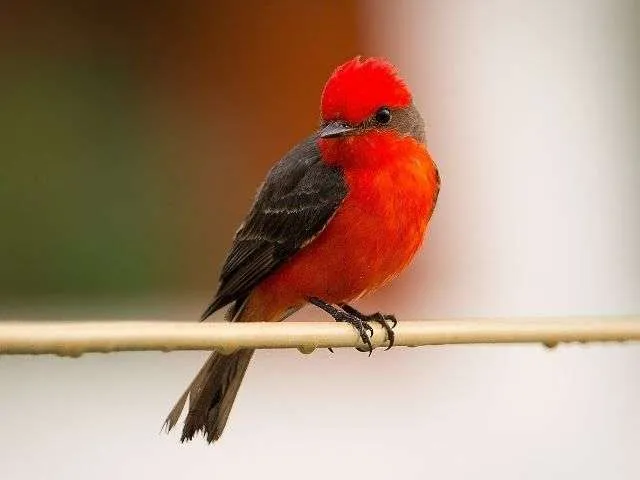
In the southern part of the state, including the Las Vegas Valley and the area around the Colorado River, the Mojave Desert’s scrub and mesquite thickets host species adapted to the hottest conditions.
- Key Birds: Look for the brilliant crimson head and black body of the Vermilion Flycatcher in riparian areas. The Phainopepla, a sleek, crested black bird often seen feeding on mistletoe berries, is another Mojave specialty. The raucous Greater Roadrunner is a terrestrial predator often seen zipping across open ground.
- Where to Go: The Henderson Bird Viewing Preserve (near Las Vegas) offers managed ponds and dense vegetation, attracting both resident and migratory birds. The Valley of Fire State Park provides a backdrop of stunning red rock and supports species like the Black-throated Sparrow and Cactus Wren.

2. The Great Basin and Sagebrush Steppe (Central & North)
The vast central and northern reaches of Nevada are dominated by sagebrush, a crucial ecosystem that supports specialized bird species. This area is characterized by cold winters and hot, dry summers.
- Key Birds: The elusive Greater Sage-Grouse is the iconic bird of this habitat, though it's notoriously difficult to find outside of its springtime lekking displays. The Sage Thrasher and the small, streaked Brewer's Sparrow are found year-round within the sagebrush. Look also for the abundant Horned Lark on the open plains and the stunning Mountain Bluebird perched on fence lines.

- Where to Go: The Sheldon National Wildlife Refuge and Ruby Lake National Wildlife Refuge are massive, remote areas that protect large tracts of sagebrush and vital wetlands, respectively. The mountains and valleys around Elko and Ely provide excellent access to this biome.
3. The Riparian Corridors and Oases
Anywhere water is reliably present—riverbanks, high-elevation springs, or human-made reservoirs—is an avian magnet in the desert. These areas act as essential stopovers for migrants and year-round homes for many species.

- Key Birds: These areas host a burst of color, including the Yellow Warbler, Lazuli Bunting, and various hummingbirds. The Willow Flycatcher is a notable inhabitant of dense riparian thickets. Birds of prey, such as Red-tailed Hawks and Ospreys, are common near larger water bodies.
- Where to Go: The Truckee River Parkway (near Reno/Sparks) and the Walker River provide life-sustaining habitat. Lake Mead National Recreation Area draws shorebirds and wintering waterfowl, while the small marsh areas in Lamoille Canyon serve as true oases.
The Search Tactics: How to Spot Desert Specialists
Spotting desert birds requires adjusting your usual birding techniques. The sheer scale of the landscape and the birds' survival strategies demand specific approaches.
1. Target the Thermal Peaks
Unlike forest birds that are most active at dawn, many desert birds exhibit a secondary burst of activity in the late afternoon and early evening, once the sun begins to drop and the extreme heat dissipates. Morning activity is still crucial, but don't neglect the evening for species that have been sheltering during the midday scorcher.
2. Master the "Sky Islands"
Nevada’s mountain ranges, known as "sky islands," support coniferous forests at higher elevations. These ranges provide cool, wet refugia for species typically associated with northern climes. Driving up into these areas means a dramatic shift in birdlife.

- Species Shift: Within a short drive, you can trade the Black-throated Sparrow for the Steller's Jay, the Clark’s Nutcracker, or the Pygmy Nuthatch.
- Best Spots: The Spring Mountains National Recreation Area (Mount Charleston, near Las Vegas) and the Jarbidge Wilderness Area are prime examples of this ecological phenomenon.
3. Focus on Water Sources
In the desert, a single puddle or seep can attract every bird in the vicinity. Learn to scan for even the smallest signs of water, whether a cattle trough, a small stream crossing, or a high-elevation spring. Wait quietly near a water source, and the birds will often come to you.
4. The Spring Lek Strategy (for Sage-Grouse)
To see the magnificent Greater Sage-Grouse, you must visit during the early spring lekking season (typically late March to early May). A "lek" is a traditional open-ground area where males gather at dawn to perform elaborate mating displays, fanning their tails and inflating large, yellowish air sacs on their chests to make a distinctive popping sound. These trips require a very early start (well before sunrise), a 4x4 vehicle, and often require access with a local guide or the U.S. Forest Service to ensure you do not disturb the sensitive ritual.
Birds of Adaptation: The Desert Survivors
Several Nevada birds showcase amazing evolutionary traits for coping with the harsh environment. Understanding these adaptations helps you locate them.
| Species | Adaptation | Birding Tip |
| Gambel's Quail | Can regulate body temperature over a wide range and survive on metabolic water from seeds. | Listen for its loud, descending whistle in mesquite thickets in the South. |
| Black-throated Sparrow | Does not need to drink water, obtaining all necessary moisture from its diet of seeds and insects. | Found low in the scrub, listen for its simple, musical song in the hottest part of the day. |
| Ash-throated Flycatcher | Nests in natural cavities, often in saguaro or juniper, providing insulation from the heat. | Look for it perched conspicuously on high branches in desert scrub and canyons. |
Essential Gear for Nevada Birding

Birding in Nevada is an exercise in preparation. The environmental challenges are significant, and being well-equipped is critical for both success and safety.
- High-Quality Optics: Because the terrain is vast and the air is clear, birds can be spotted from great distances. A spotting scope is highly recommended, especially for observing raptors, waterfowl at large reservoirs, and Sage-Grouse from a distance.
- Hydration and Sun Protection: The most important safety gear. Carry more water than you think you need. Wide-brimmed hats, sunglasses, and high-SPF sunscreen are non-negotiable.
- Vehicle Preparedness: Much of the best desert birding is accessed via remote, unpaved roads. A high-clearance vehicle, maps (cell service is nonexistent in many areas), and an emergency kit are essential.
- Field Guides: A regional guide focused on the Great Basin and Southwest is invaluable, as many species here have subtle differences from their counterparts further east.
Nevada is a land of extremes, and its desert birds are extreme specialists. They are not found in the noisy abundance of a coastal marsh, but rather in isolated pockets of life that take effort and insight to find. The reward, however, is a profound appreciation for the resilience of nature and the satisfaction of finding the "Jack Pine Ghost" of the sky islands and the diminutive, tough sparrows of the wide-open sagebrush.
