
New Mexico, the "Land of Enchantment," offers a stark yet vibrant canvas where arid deserts meet soaring mountain ranges. It is this collision of ecosystems—most notably the Chihuahuan Desert in the south and the dramatic Rio Grande riparian corridor slicing through the landscape—that creates an unparalleled haven for birdlife. Birding here is less about casual strolling and more about calculated strategy, patience, and appreciation for species that have mastered the art of survival in extreme conditions.
Join us to explore the iconic desert and high-desert birds of New Mexico and provides actionable tips on how and where to spot these remarkable feathered inhabitants.
The Iconic Residents: Masters of the Arid Lands
New Mexico's desert birds are a tough, resourceful group, often relying on camouflage or specialized behaviors to thrive under the relentless sun.
The Quails, Wrens, and Thrashers
The low-lying shrubs and scrublands are ruled by ground-dwelling birds and active, secretive songbirds.
Greater Roadrunner (Geococcyx californianus) 🏃: New Mexico's state bird is the most sought-after sighting. A member of the cuckoo family, the Roadrunner is a large, slender bird famed for its running speed (up to 20 mph) and its diet of lizards, snakes (including rattlesnakes), and insects.
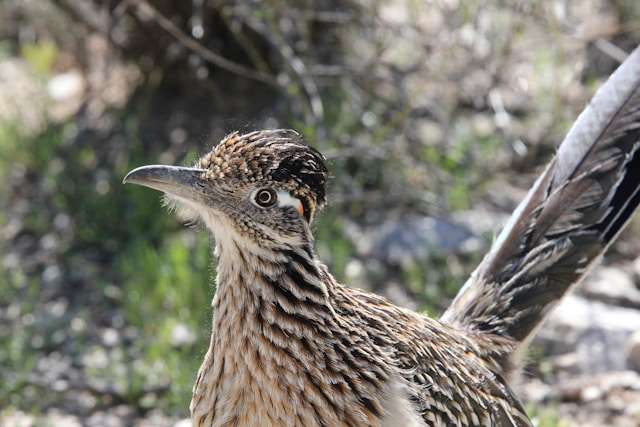
- Spotting Tip: Look for it running across open roads or perching atop a low mesquite or fence post in the early morning sun to warm up. Their call is a distinctive, slow, descending coo-coo-coo.
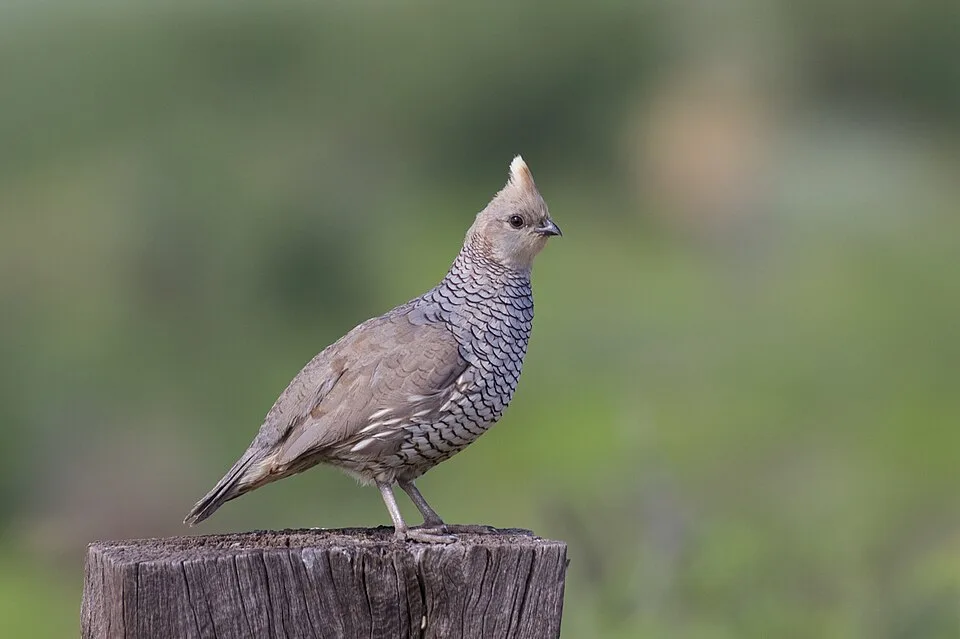
Scaled Quail (Callipepla squamata): Named for the scaly pattern on its breast and belly, this quail prefers the open, dry grasslands of the Chihuahuan Desert.

- Spotting Tip: They are often found in small coveys (groups) scurrying across the ground. Listen for their sharp, distinctive call that sounds like someone squeaking a rubber toy, often described as peck-wawk! or chip-chew.
Cactus Wren (Campylorhynchus brunneicapillus): The largest North American wren, this bold, noisy bird is a year-round resident of the desert scrub, recognizable by its white eyebrow and spotted breast. It is famous for building bulky nests directly within the protective spines of cholla or prickly pear cacti.
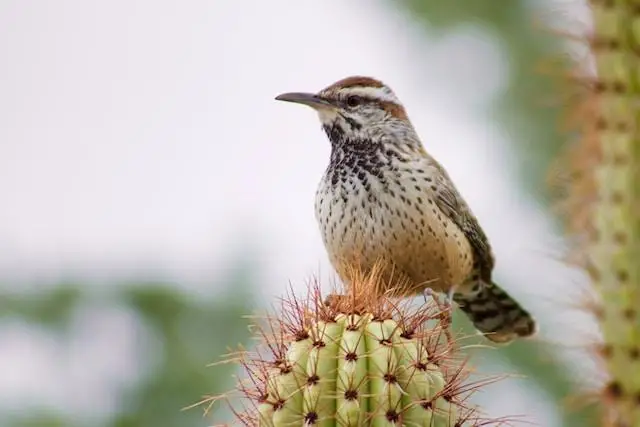
- Spotting Tip: Listen for its low, dry, and monotonous chug-chug-chug call. They are highly active and easily seen hopping under shrubs and on cacti.
Curve-billed Thrasher (Toxostoma curvirostre): This dusty-gray bird has bright yellow eyes and a noticeably long, downward-curving bill, which it uses to probe the soil and leaf litter.

- Spotting Tip: Like the Cactus Wren, it loves dense thorn-scrub. Listen for its loud, sharp whit-wheet! call and watch for it scratching noisily in the brush.
Sparrows and Orioles of the Scrub
Smaller passerines have also evolved to master the heat and scarcity of water.
Black-throated Sparrow (Amphispiza bilineata): A true desert specialist that can often go many days without water, surviving on the moisture from seeds and insects. It has a striking black throat and a grayish body.
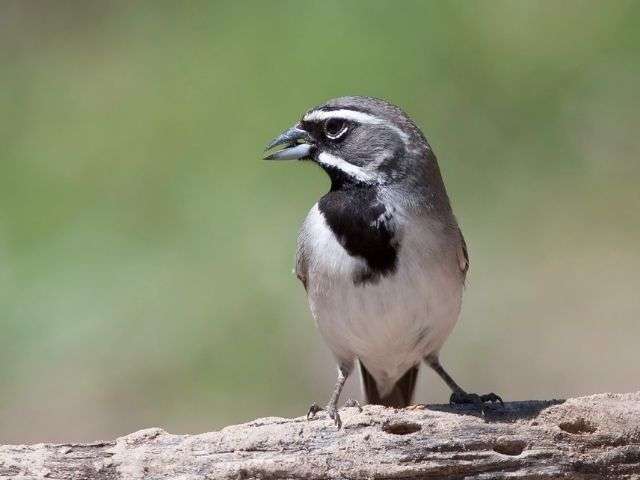
- Spotting Tip: Look for it hopping on the ground or perching on low brush in the driest, most open desert areas. Its song is a simple, tinkling series of notes.
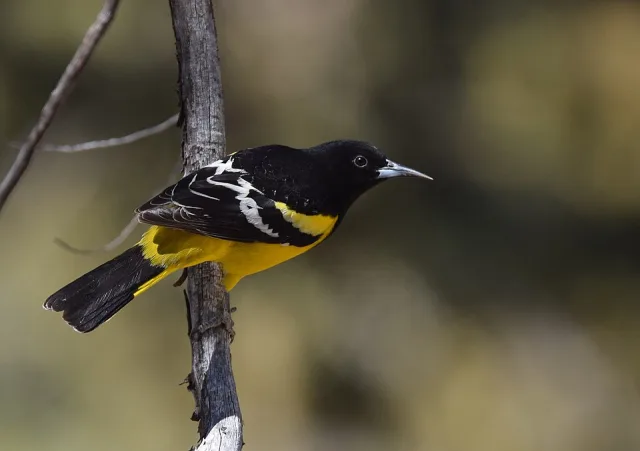
Scott's Oriole (Icterus parisorum): A visually stunning bird; the male is jet black and bright yellow. It is strongly associated with yucca plants, often weaving its neat, pouch-like nest among the dagger-like leaves.
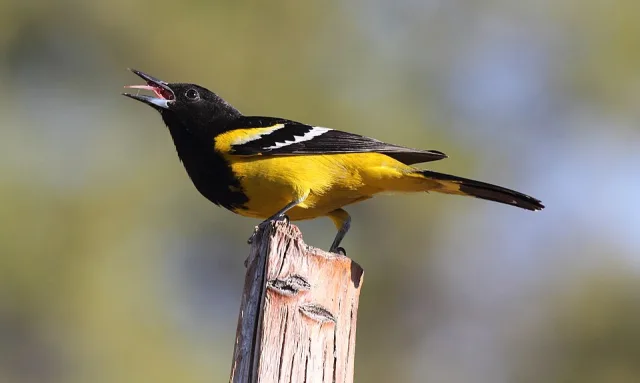
- Spotting Tip: Scan the tops of yucca or tall desert shrubs, especially in the canyons and foothills. Its song is a rich, clear series of whistles.
The Riparian Oasis: The Rio Grande Flyway
While vast areas of New Mexico are desert, the Rio Grande carves a lush, life-giving corridor—a bosque (Spanish for "forest" or "woods")—that is a critical stopover on the Central Flyway. This habitat dramatically increases the state’s bird diversity, especially during migration and winter.
The Winter Spectacle: Cranes and Geese
The most famous New Mexico birding experience occurs in the winter, particularly at the Bosque del Apache National Wildlife Refuge near Socorro.
Sandhill Crane (Antigone canadensis) 🦢: Tens of thousands of these majestic, gray-bodied birds winter along the Rio Grande. They are known for their spectacular, noisy "blast-off" from the wetlands at sunrise and their return at sunset.
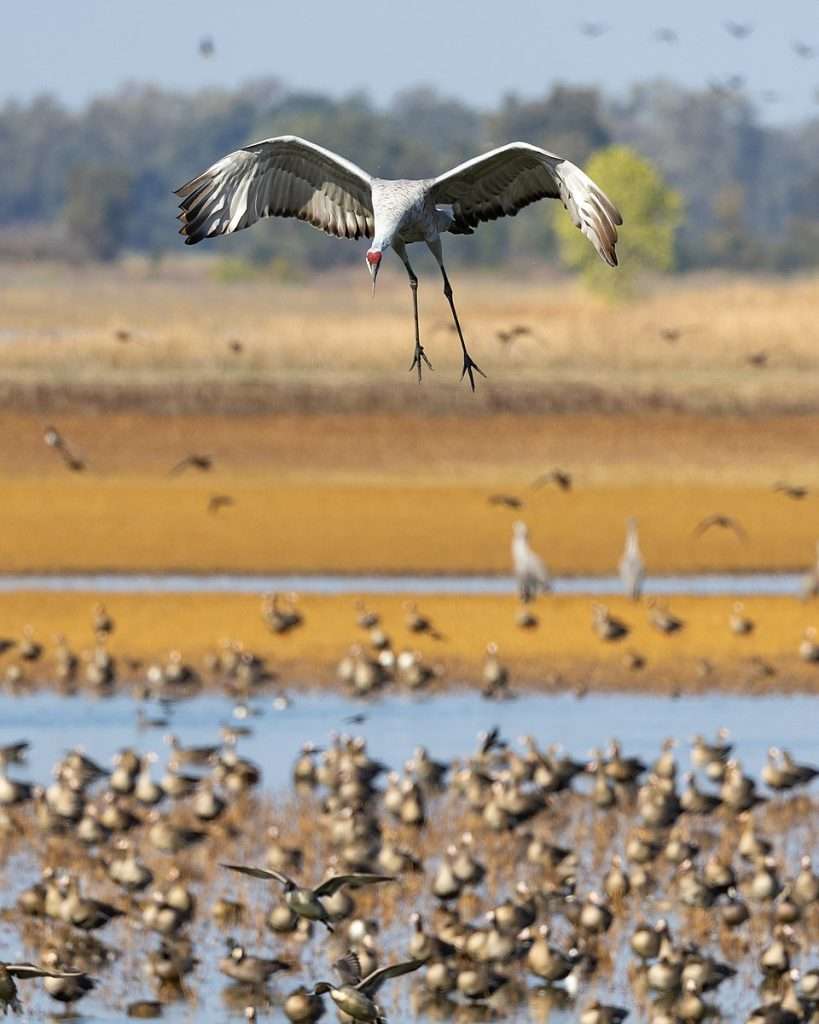
- Spotting Tip: Visit Bosque del Apache from late October through February. Arrive at the designated roosting ponds before sunrise or just before sunset to witness the spectacle.
Snow Goose (Anser caerulescens): Flocks of white Snow Geese (often mixed with smaller Ross’s Geese) create a blinding white blanket on the fields and water during the winter months.
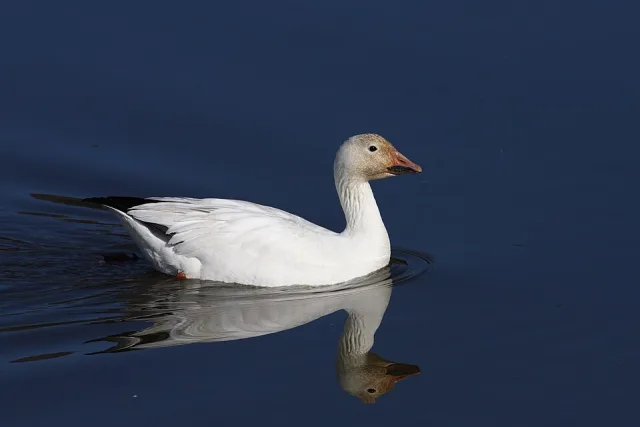
- Spotting Tip: Like the cranes, they are best viewed at dawn and dusk at the Bosque, or when feeding in surrounding agricultural fields during the day.
High Desert and Canyon Specialties
Moving away from the river into the higher elevations and canyons, you encounter species that prefer piñon-juniper woodlands and rocky environments.
Pinyon Jay (Gymnorhinus cyanocephalus): A unique, dull-blue jay that moves in large, noisy, social flocks dedicated to harvesting and caching piñon pine seeds.

- Spotting Tip: Look for them in piñon-juniper woodlands across the state, especially at higher elevations in the central and northern areas. Their calls are loud, nasal, and harsh.
Black-chinned Hummingbird (Archilochus alexandri): One of the most common hummingbirds in New Mexico, particularly in summer near water sources and feeders. The male has a dark head and a brilliant iridescent purple throat band visible in the right light.
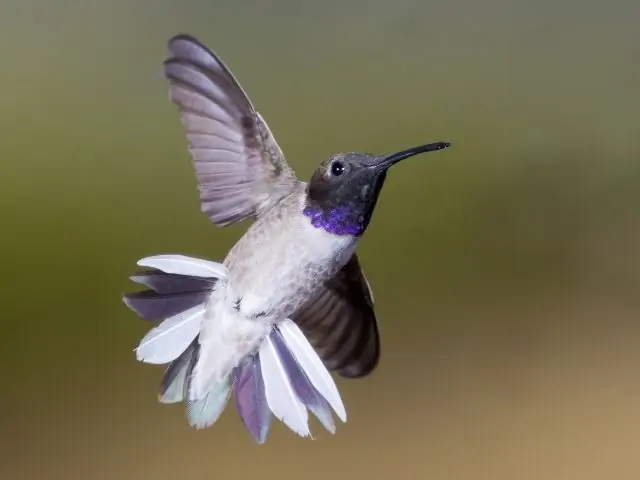
- Spotting Tip: Check hummingbird feeders, flowering plants in riparian areas, and any oasis in the desert scrub from spring through early fall.
Birding Strategy: How to Find Them
Successfully birding the New Mexico desert requires adapting to the environment.
1. Timing is Crucial: Beat the Heat
The desert is brutal during the midday summer hours, and birds conserve energy by minimizing activity.
- Best Time: Sunrise to mid-morning (9:00 AM) and again in the late afternoon (4:00 PM to sunset) are the most productive times. In winter, dawn and dusk are mandatory for the Sandhill Crane and Snow Goose spectacles.
- Seasons: Winter (for large waterfowl) and Spring/Fall migration (for diversity) offer the highest numbers of birds. Summer is quieter but hosts nesting species.
2. Focus on Oases: Water is Life
In the desert, all life revolves around water. Concentrating your search in these spots is key.
- Riparian Corridors: The Rio Grande and its tributaries (like the Gila River) are magnet zones. Look for any cottonwood, willow, or tamarisk thickets. Hotspots include Bosque del Apache NWR, Rio Grande Nature Center (Albuquerque), and Percha Dam State Park.
- Guzzlers and Seeps: Natural springs, cattle tanks, or man-made wildlife guzzlers (water catchments) are high-traffic areas.
- The Dripping Springs Effect: Desert canyons and mountains, such as those in the Gila National Forest or Dripping Springs Recreation Area, can offer small, protected springs that host unique species like the Scott’s Oriole and Black-chinned Sparrow.

Scott's Oriole
3. Gear and Field Craft
- Optics: A good pair of binoculars (8x or 10x magnification) is mandatory. A spotting scope is invaluable for identifying waterfowl and distant raptors in the wide-open desert.
- Hydration and Sun Protection: The desert sun is intense. Carry ample water, wear a wide-brimmed hat, sunglasses, and high-SPF sunscreen.
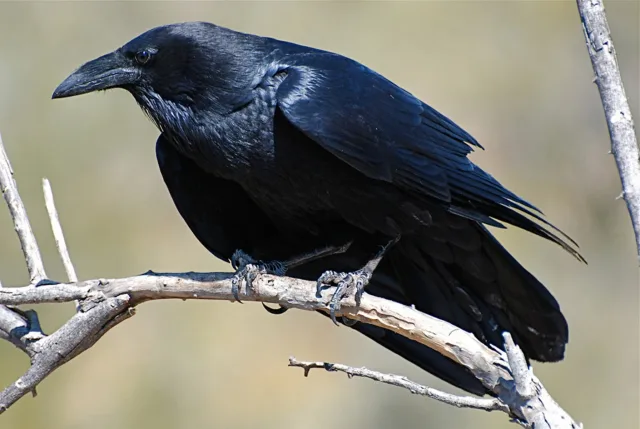
- Listen Closely: Many desert birds are heard before they are seen. Learn the calls of the Cactus Wren, Curve-billed Thrasher, and the Chihuahuan Raven (which sounds distinct from the Common Raven).
- Check High and Low: Desert birds exploit all layers. Raptors like the Red-tailed Hawk or Golden Eagle perch on utility poles or ridgelines; quail and thrashers work the ground; and orioles and wrens stick to the middle of the shrubs and trees.
New Mexico’s desert birds may be smaller and harder to find than the massive migratory flocks, but their ability to thrive in such an unforgiving environment makes them some of the most fascinating subjects in North American birding. By focusing on riparian areas and employing early-morning patience, the dedicated birder will be rewarded with the sight of these resilient and beautiful desert fliers.
Birds of New Mexico: the Common, the Migrants and the Unexpected
