
New Mexico, the "Land of Enchantment," is a state of stunning ecological diversity. Its landscape sweeps from the low-lying Chihuahuan Desert to the towering, snow-capped peaks of the Rocky Mountains, from vast grasslands to the verdant riparian corridors of the Rio Grande. This dramatic topography, combined with its position on the southern leg of the central flyway, makes New Mexico one of the premier birding destinations in North America, boasting an avifauna list of over 550 species.
To capture the essence of New Mexico's birdlife, one must explore its common year-round residents, the spectacular visitors of its migratory seasons, and the rare, accidental guests that send birders into a frenzy. Here are 15 species—a blend of the ubiquitous, the spectacular, and the elusive—that tell the story of New Mexico's avian richness.
Common Year-Round Residents
These five birds are the reliable, hardy spirits that define the New Mexican aviscape, found in deserts, woodlands, and backyards throughout the year.
1. Greater Roadrunner (Geococcyx californianus)
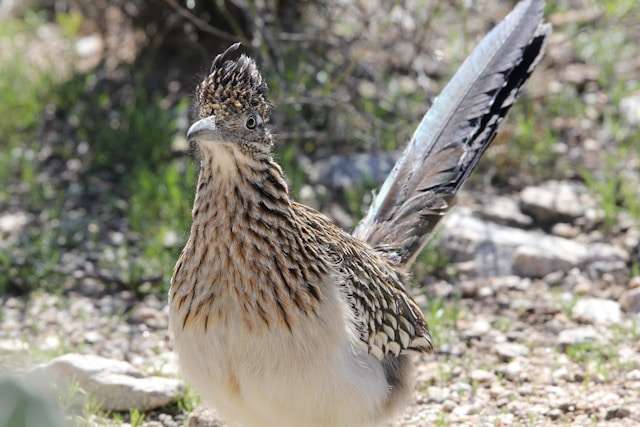
The official state bird, the Greater Roadrunner, is the ultimate icon of the Southwest. This large cuckoo, known for its streaked brown and white plumage and shaggy crest, is far more inclined to run than fly, reaching speeds of up to 20 mph. Found in deserts, scrublands, and open country, it is a fearless predator of insects, lizards, and even rattlesnakes, embodying the rugged spirit of the arid lands. Its characteristic "coo" call is a sound inseparable from the New Mexican desert.
2. Pinyon Jay (Gymnorhinus cyanocephalus)
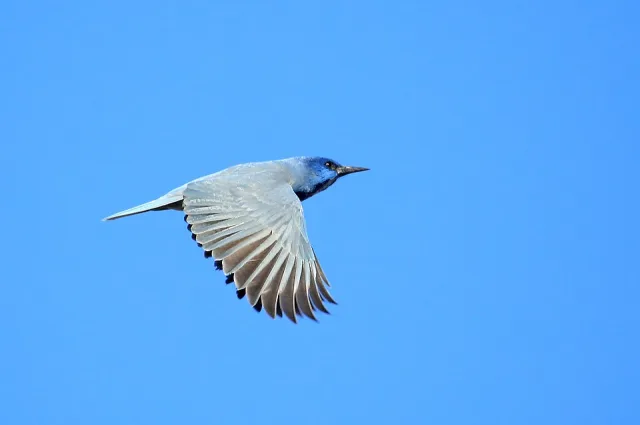
A quintessential species of the pinyon-juniper woodlands that blanket the New Mexican mesas and foothills, the Pinyon Jay is a highly social, dull blue corvid. Unlike other jays, they move in massive, cohesive flocks, their loud, nasal calls echoing through the scrub. Their survival is intrinsically linked to the seeds of the Pinyon Pine, which they meticulously cache—an ecological service essential for the regeneration of this crucial New Mexican habitat.
3. Curve-billed Thrasher (Toxostoma curvirostre)
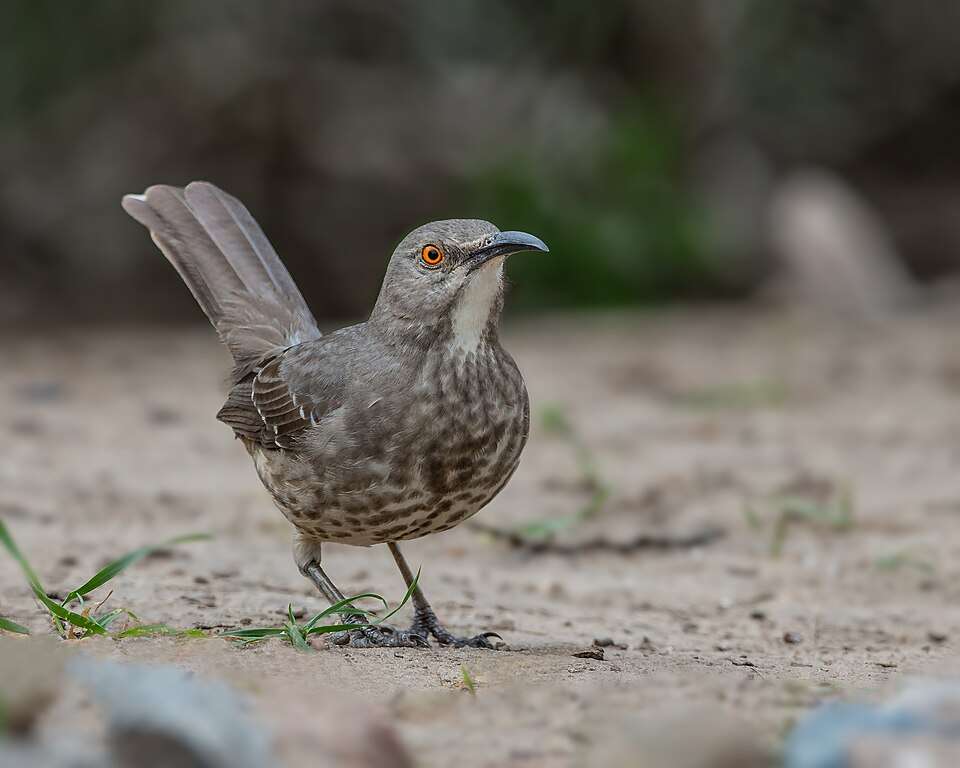
With its long, down-curved bill, the Curve-billed Thrasher is perfectly adapted for probing the ground and thick scrub. A familiar resident of desert scrub and residential areas, its uniform grayish-brown body and faintly spotted chest make it somewhat unassuming, but its presence is often announced by a loud, sharp “whit-wheet!” or a varied, conversational song. It’s an expert at navigating the thorny embrace of cholla and mesquite.
4. Juniper Titmouse (Baeolophus ridgwayi)
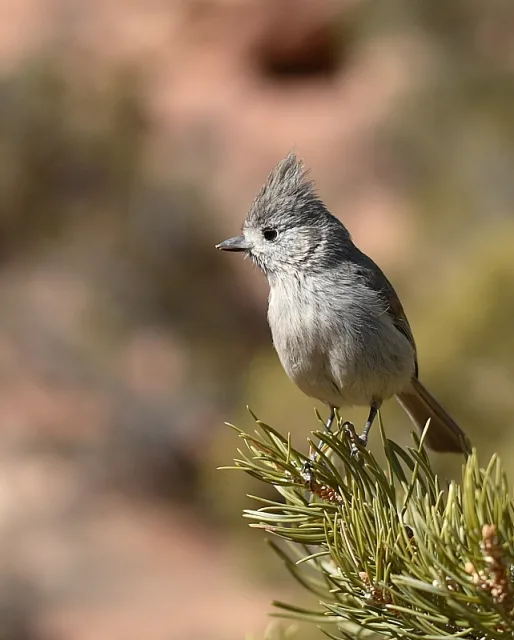
A small, plain gray bird with a noticeable crest, the Juniper Titmouse is a specialized resident of the pinyon-juniper ecosystem. Once considered a single species with the Oak Titmouse, this hardy bird is defined by its subtle, uniform coloring and its tireless, acrobatic movements among the needles and branches. Its clear, repetitive whistled song, often described as “peter-peter-peter,” is a common sound in the central and northern New Mexican highlands.
5. Scaled Quail (Callipepla squamata)

The Scaled Quail, also known as the cotton-top, is a highly recognizable game bird of the arid grasslands and desert scrub. Its distinctive pattern resembles overlapping fish scales, giving it a neat, trim appearance, topped by a small, white, cottony crest. When threatened, a covey will often run rather than flush, but their explosive, whirring flight is a frequent, if startling, sight for those traversing the eastern plains and southern deserts.
Spectacular Migratory Visitors
New Mexico sits within the Central Flyway, making its river valleys and wetlands—especially along the Rio Grande—critical stopovers for millions of birds traveling between their northern breeding grounds and southern wintering territories.
6. Sandhill Crane (Antigone canadensis)

The Sandhill Crane is arguably the most famous migratory visitor, especially at the renowned Bosque del Apache National Wildlife Refuge. Thousands arrive in the late fall and winter, their tall, elegant gray forms filling the skies and marshlands. Their loud, prehistoric-sounding calls—a rolling, rattling cry—create an unforgettable spectacle at dawn and dusk as they fly out to or return from their feeding grounds.
7. Snow Goose (Anser caerulescens)
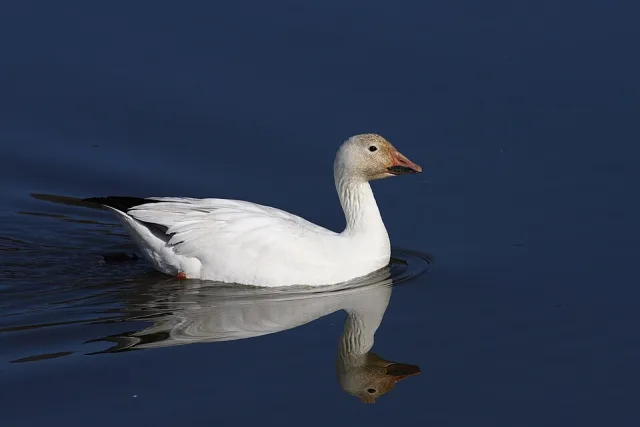
Accompanying the cranes are immense flocks of Snow Geese, whose blinding white plumage and black wingtips turn cornfields and reservoirs into a dazzling, shifting expanse of white. These arctic breeders add to the winter symphony in the Rio Grande Valley, filling the air with their loud, honking chorus.
8. Western Tanager (Piranga ludoviciana)
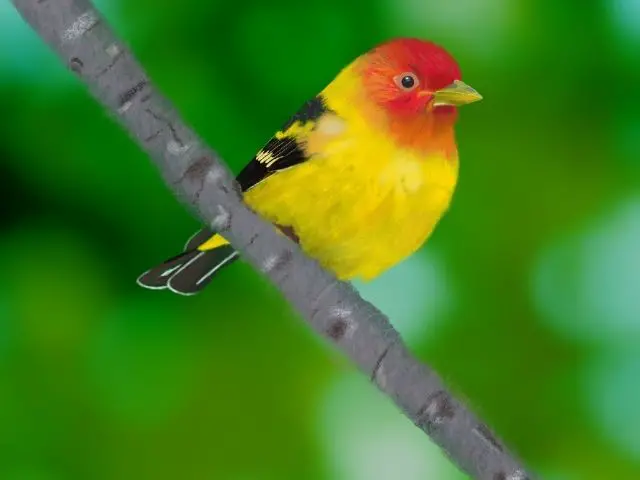
A burst of color in the summer forests of the Rocky Mountain foothills and Ponderosa Pine woodlands, the Western Tanager male is a vision of yellow, black, and a flaming red-orange head. A summer resident, it breeds at higher elevations, bringing a vibrant, tropical hue to the coniferous landscape before migrating south to Central America for the winter.
9. Rufous Hummingbird (Selasphorus rufus)

Known for one of the longest migratory journeys of any bird in the world, the tiny Rufous Hummingbird passes through New Mexico twice a year. The male, with his brilliant, fiery orange-red gorget and rusty back, is famously feisty, chasing much larger birds away from feeders. Its spring migration follows the Pacific coast, but its late summer-fall return route often follows the Rockies, making a stopover in New Mexico’s high-altitude flower gardens crucial.
10. Yellow-rumped Warbler (Setophaga coronata)
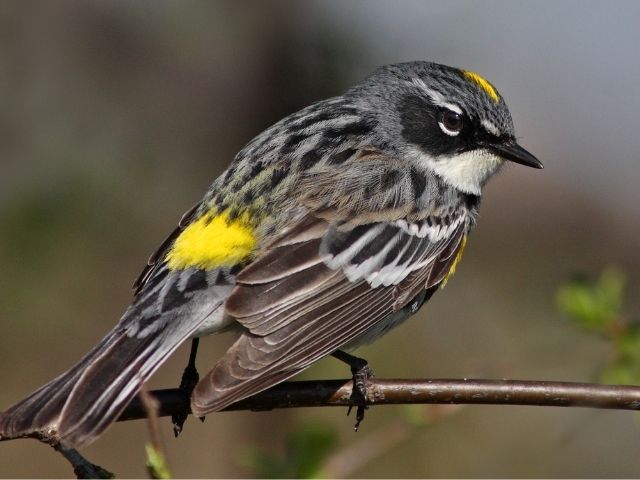
New Mexico plays host to this energetic warbler throughout the non-breeding season. Easily identified by its namesake yellow rump patch—which can be a stunning sight as the bird flits through the junipers—it is one of the most common and adaptable warblers, found from backyard trees to forested canyons. The "Audubon's" subspecies is the primary form seen in the state.
Rare, Accidental, and Specialty Birds (The Birding Treasures)
New Mexico’s diverse climate, coupled with its position near the Mexican border and the edge of the Plains, periodically draws in birds far from their typical range, offering thrilling discoveries for dedicated birders.
11. Gray Vireo (Vireo vicinior)
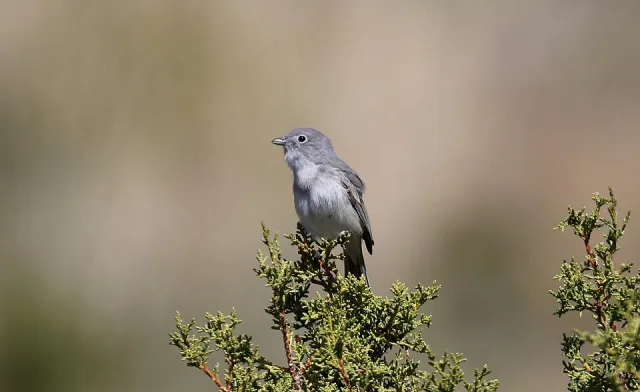
While not a rarity, the Gray Vireo is a specialty bird that requires dedicated searching. It is restricted almost entirely to sparse, open pinyon-juniper and oak scrub, making it a difficult bird to find outside of its highly specific habitat. Its short, distinct song—a series of varied phrases—is often the only way to locate this subtly colored, shy bird. New Mexico is one of the best places in the U.S. to seek it out.
12. Brown-capped Rosy-Finch (Leucosticte australis)
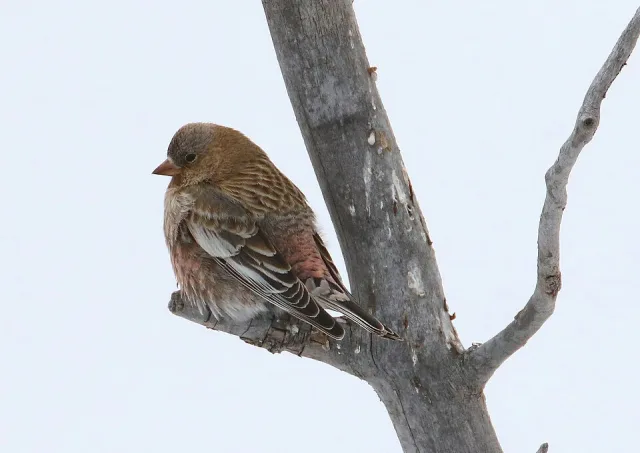
A true high-altitude specialist, the Brown-capped Rosy-Finch is a spectacular winter resident found only in the highest, most exposed areas of the Rocky Mountains, often near the snowline. Birders brave the freezing conditions atop Sandia Crest to see these dark, streaky finches with their rosy-red bellies and wings, which descend to feeding stations only when snow cover makes natural foraging impossible.
13. Varied Bunting (Passerina versicolor)
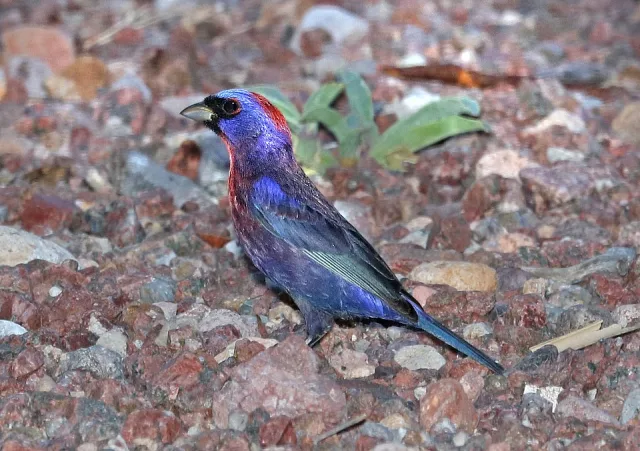
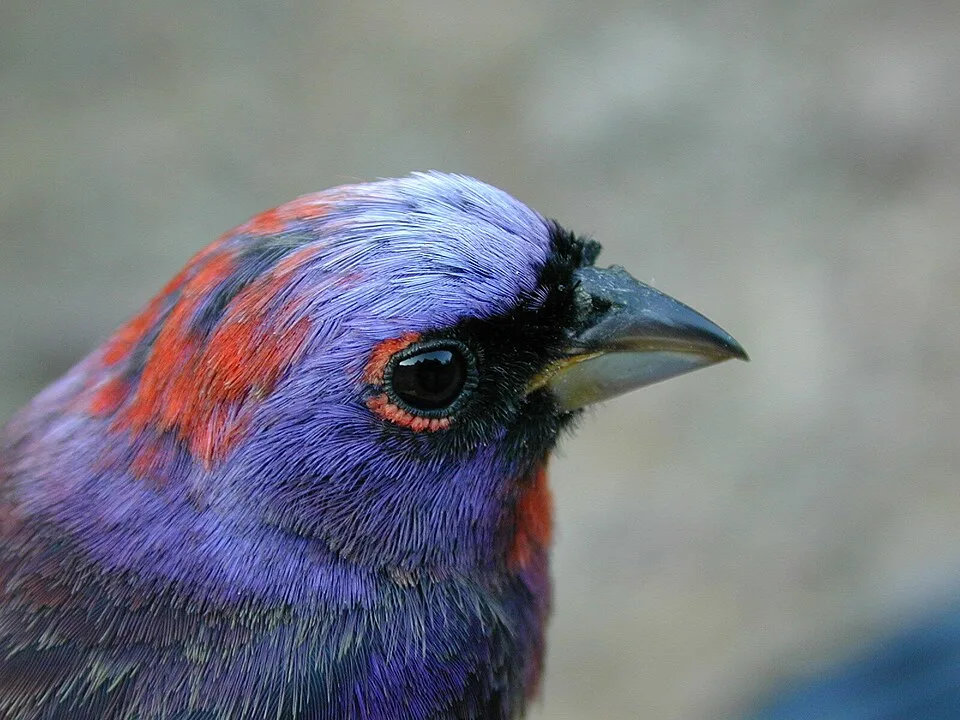
A Mexican specialty that occasionally breeds in the southernmost parts of the state, particularly around oases like Rattlesnake Springs, the Varied Bunting is a stunning sight. The male is a deep purple-blue with a prominent red nape, head, and shoulder. Its presence here is a testament to the influence of the Neotropics on New Mexico's fauna, making it a high-priority find for listers.
14. Lesser Prairie-Chicken (Tympanuchus pallidicinctus)
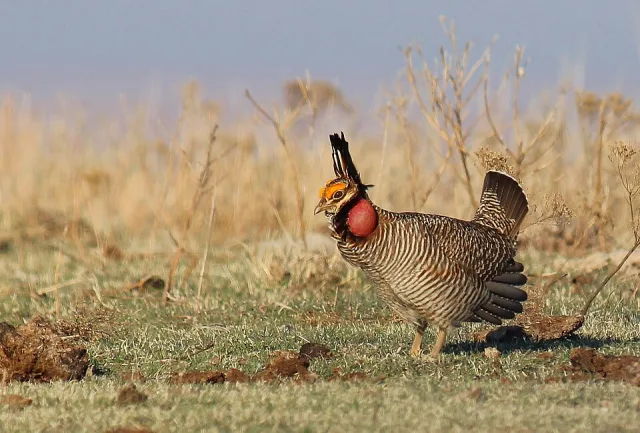
This shy, endangered species is a symbol of the eastern New Mexican plains. Though exceedingly difficult to find, its presence in the shinnery oak and sand sagebrush grasslands is a beacon of conservation. Birders who are lucky enough to witness its spring lek—a communal booming and displaying ground—see one of nature's most dramatic courtship rituals.
15. Great Kiskadee (Pitangus sulphuratus)
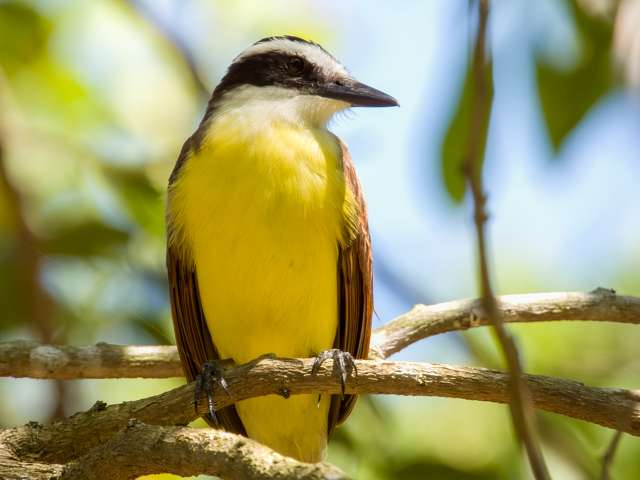
The Great Kiskadee is a dramatic example of an accidental visitor. Primarily a resident of Central and South America, this large, loud flycatcher is a vivid splash of yellow, brown, and white, with a black mask. When one appears out-of-range in a New Mexican hotspot, perhaps having followed the Rio Grande north from Texas, it instantly becomes a major birding news event, highlighting the potential for surprising vagrants in this geographically dynamic state.
From the soaring majesty of the wintering cranes to the quiet, year-round persistence of the Roadrunner, the birds of New Mexico are a reflection of its enchanting and complex environment. They invite observation, respect, and a deeper appreciation for the wild beauty of the Southwest.
