

The United States, a land of incredible geographical diversity, is a birder's paradise. From the rugged coastlines of Maine to the scorching deserts of Arizona, the humid swamps of Florida to the towering mountains of Alaska, its varied ecosystems host an astonishing array of avian life. For many birders, the ultimate goal isn't just to enjoy birds casually, but to embark on a quest: a "50 US Bird Species Bucket List." This isn't just about ticking boxes; it's about experiencing the breadth of American natural beauty, understanding ecological niches, and challenging oneself to find some of the most iconic, elusive, or simply stunning birds the country has to offer.
This U.S. based article presents a carefully curated 50 US Bird Species Bucket List, offering a blend of rarities, regional specialties, behavioral marvels, and simply breathtaking beauties. It's designed to inspire both novice and seasoned birders to explore the incredible avian tapestry woven across the nation.
The List
This list is intentionally diverse, spanning various habitats and encompassing different levels of birding challenge. It's a starting point, a guide to some of the most rewarding birding experiences the U.S. has to offer.
I. Iconic & Widespread (A Great Start)
These birds are recognizable and often found across broad swathes of the U.S., offering a foundational experience.
- American Robin: The quintessential backyard bird, a symbol of spring.
- Northern Cardinal: Brilliant red males, a splash of color even in winter.
- Blue Jay: Intelligent, noisy, and strikingly colored.
- Bald Eagle: The majestic national symbol, a triumphant conservation story.
- Red-tailed Hawk: The most common roadside raptor, master of the thermals.
- Mallard: The familiar duck of parks and ponds.
- Canada Goose: A common sight and sound, often migrating in V-formations.
- Downy Woodpecker: The smallest and most widespread U.S. woodpecker.
- Ruby-throated Hummingbird: Eastern marvel, a tiny jewel at feeders. (Western birders might substitute Anna's or Rufous).
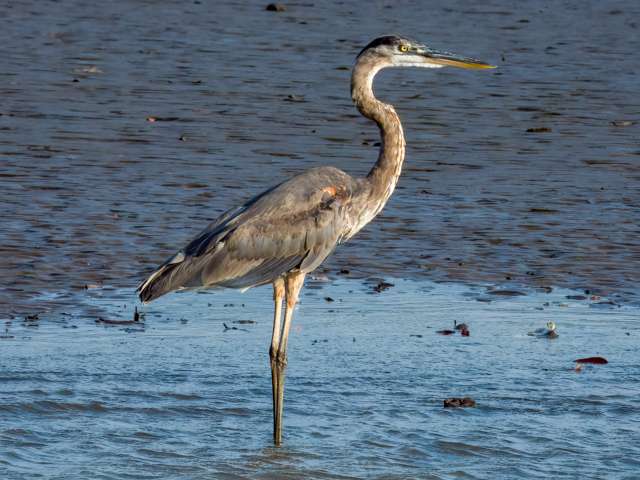
- Great Blue Heron: A statuesque hunter of wetlands.
II. Coastal & Aquatic Wonders (Saltwater & Freshwater Gems)
From crashing waves to tranquil marshes, these birds define America's aquatic ecosystems.
- Puffin (Atlantic or Horned/Tufted): Endearing, colorful seabirds of northern coasts. (Atlantic for Maine, Horned/Tufted for Alaska/Pacific Northwest).
- Osprey: A masterful fish-hunter with a dramatic dive.
- Brown Pelican: Graceful gliders over coastal waters, often seen diving headfirst.
- Piping Plover: An endangered shorebird, tiny and tenacious on sandy beaches.
- Roseate Spoonbill: A flamboyant, bubblegum-pink wading bird of southern wetlands.
- Common Loon: The haunting call of northern lakes, a symbol of wilderness.
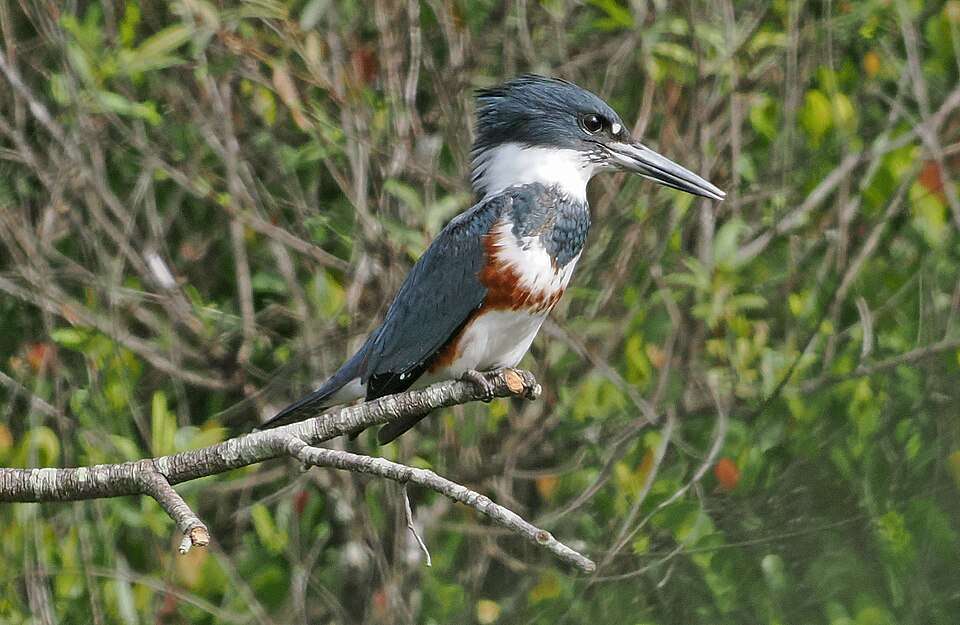
- Kingfisher (Belted or Ringed): Iridescent, crested birds with a distinctive rattle call and powerful dives. (Ringed is more southern US).
- Gulls (Herring, Laughing, or Western): Essential coastal scavengers, each species with unique character.
- American Avocet: Elegant shorebirds with upturned bills, often seen sweeping for food.
- Wood Duck: Arguably North America's most beautiful duck, with stunning iridescent plumage.
III. Forest & Mountain Dwellers (Birds of the High & Deep Wilds)
These birds inhabit the dense woodlands and rugged peaks that define much of the U.S. landscape.
- American Goshawk: A powerful, elusive forest raptor, a challenge to find.
- Pileated Woodpecker: A crow-sized woodpecker with a striking red crest and loud call.
- Barred Owl: "Who cooks for you? Who cooks for you all?" – the iconic call of eastern forests.
- Varied Thrush: A strikingly patterned thrush of western forests with a ethereal, flute-like song.
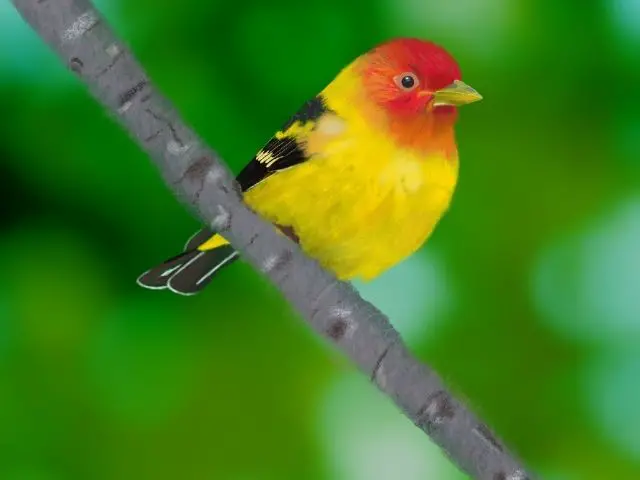
- Western Tanager: A splash of yellow, orange, and black in coniferous forests.
- Hermit Thrush: Known for its incredibly beautiful, ethereal song in deep woods.
- Spotted Owl: An iconic, threatened owl of old-growth western forests.
- Blue Grouse (Dusky or Sooty): Forest grouse of western mountains, known for their "hooting" displays.
- White-breasted Nuthatch: Acrobatic tree-climbers, often seen head-down.
- Golden-crowned Kinglet: A tiny, energetic denizen of conifer forests with a fiery crown patch.
IV. Desert & Arid Lands (Resilient Beauties of the Southwest)
Birds perfectly adapted to the sun-baked landscapes of the American Southwest.
- Greater Roadrunner: The famous cartoon character come to life, a fast-running ground cuckoo.
- Gambel's Quail: Adorable desert quail with a distinctive topknot.
- Gila Woodpecker: A true desert woodpecker, often nesting in saguaros.
- Anna's Hummingbird: A year-round resident in many western areas, known for its dazzling gorget.
- Harris's Hawk: Cooperative hunters, often seen in family groups, unique to the Southwest.
- Elf Owl: North America's smallest owl, nesting in saguaro cavities.
- Phainopepla: A sleek, shiny black bird with a noticeable crest, a desert specialty.
- Cactus Wren: The largest wren in the U.S., often nesting in cacti.
V. Grassland & Prairies (Open Skies & Hidden Gems)
Birds of America's vast open spaces, many of which are endangered.
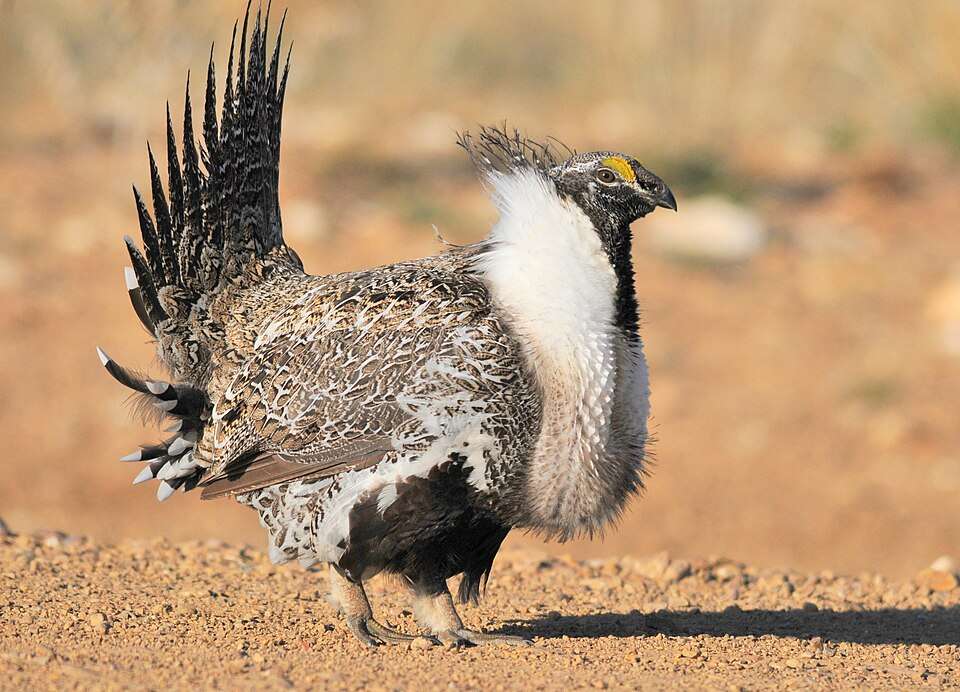
- Greater Sage-Grouse: Famous for its elaborate, bubbling lek display on western sagebrush plains.
- Mountain Plover: A rare and cryptic shorebird of dry grasslands.
- Western Meadowlark: Its flutey, unmistakable song defines the American West.
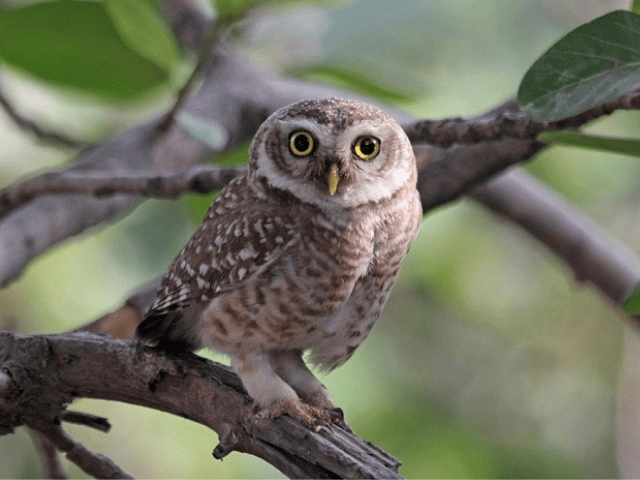
- Burrowing Owl: A small, long-legged owl that lives in underground burrows.
- Dickcissel: A streaky finch-like bird of tall grasslands, known for its "dick-ciss-ciss" song.
VI. Rarities & Regional Specialties (The Ultimate Challenge)
These birds require specific travel, timing, and often a good deal of luck and skill.
- Whooping Crane: The tallest bird in North America, a critically endangered species, often seen in Texas in winter.
- California Condor: The largest North American land bird, a magnificent success story in conservation, found in California and Arizona.
- Ivory-billed Woodpecker (if rediscovered): The "Holy Grail" – though likely extinct, the dream of its rediscovery fuels passionate searches in southern swamps. (If not, substitute Kirtland's Warbler for a rare warbler).
- Gunnison Sage-Grouse: A distinct, highly range-restricted sage-grouse species of Colorado and Utah.
- Northern Hawk Owl: An irruptive species of the far north, sometimes venturing into the northern US in winter.
- Snowy Owl: Another magnificent northern visitor, bringing Arctic beauty to open fields in winter.
- Harlequin Duck: A stunningly patterned duck of rocky coastal waters, found on both coasts (breeding north).

Embarking on Your Journey
Creating a birding bucket list is more than just a list of names; it's a map to discovery. Each bird represents a habitat, a season, and a unique story. To successfully pursue these species, consider:
- Location, Location, Location: Research the best regions and specific hotspots (using resources like eBird) for your target birds.
- Timing is Everything: Understand seasonal patterns – migration, breeding, and wintering ranges.
- Tools of the Trade: Invest in good binoculars, a field guide specific to your region, and potentially a spotting scope.
- Patience and Persistence: Some birds are elusive, requiring multiple attempts and hours in the field.
- Respect and Ethics: Always prioritize the well-being of the birds. Maintain distance, avoid disturbing nesting sites, and minimize playback of calls.
- Citizen Science: Contribute your sightings to eBird. Your observations help conservation efforts and inform other birders.
This 50 US Bird Species Bucket List offers a thrilling challenge and a profound opportunity to connect with the natural world. Each sighting is a reward, each journey an adventure, and each bird a testament to the incredible biodiversity that thrives within the borders of the United States. Happy birding!
The Continuing Saga of Avian Vagrants in the United States and Canada
