
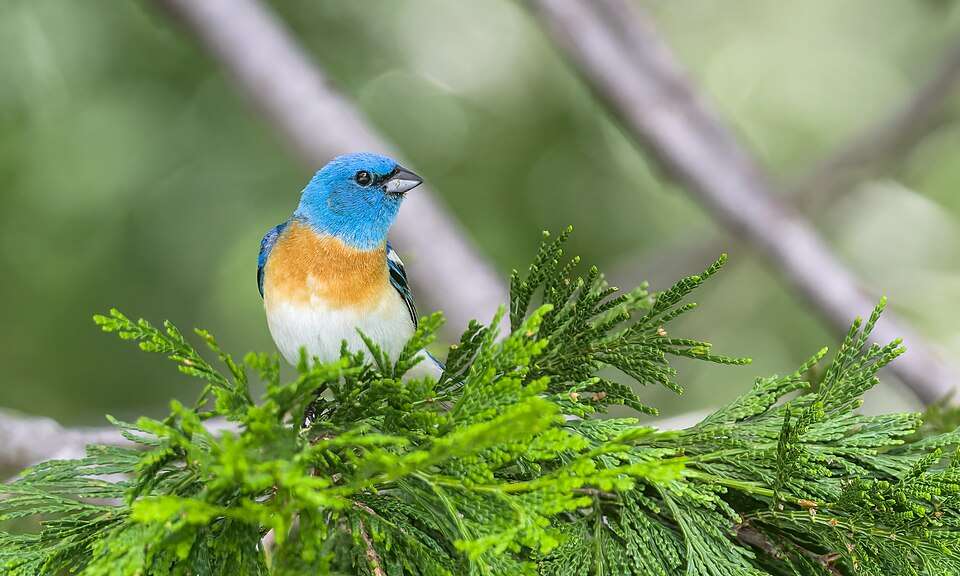
The Silver State, often synonymous with the shimmering lights of Las Vegas and vast stretches of arid desert, holds a surprising secret for nature enthusiasts: it is a premier destination for bird watching. Nevada's diverse ecosystems—from high alpine mountains to expansive basins and desert wetlands—create crucial habitats along the Pacific Flyway, attracting a remarkable variety of resident and migratory species.
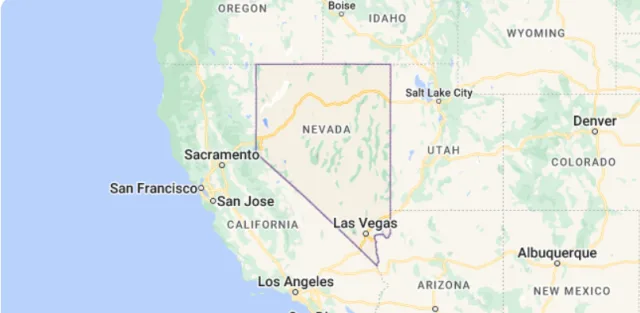
This unique convergence of habitats makes Southern Nevada particularly fertile ground for birders. Among the region's most celebrated spots are Ash Meadows National Wildlife Refuge and Lake Mead National Recreation Area (NRA). The former is a true desert oasis, an internationally recognized Ramsar wetland featuring warm springs and endemic species, acting as a vital refueling station for hundreds of migratory birds like warblers and shorebirds. In contrast, the sprawling shorelines and canyons of Lake Mead NRA offer expansive views for spotting raptors, waterfowl, and iconic desert dwellers like the Phainopepla and the Greater Roadrunner. Whether you're a seasoned birder adding to your life list or a novice seeking a peaceful encounter with nature, Nevada's contrasting landscapes promise an unforgettable avian adventure.
Henderson Bird Viewing Preserve
The Henderson Bird Viewing Preserve (HBVP) is a remarkable example of conservation, located just southeast of the bustling Las Vegas Valley in the city of Henderson, Nevada. This 140-acre site is uniquely situated within the city's Water Reclamation Facility, where reclaimed water feeds a series of nine constructed ponds that act as a permanent, reliable source of water in the surrounding Mojave Desert landscape.
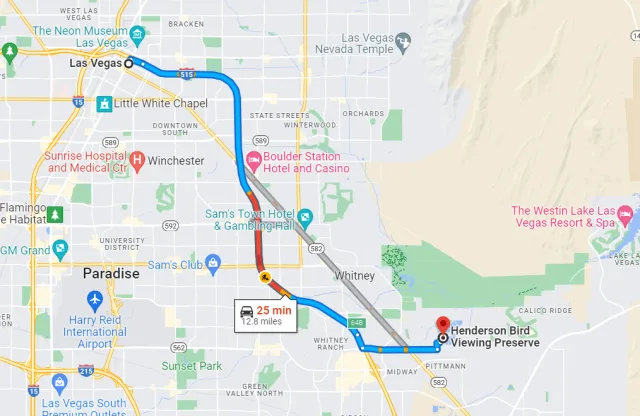
This strategic location along the Pacific Migratory Flyway and the confluence of wetland and arid desert habitats transforms the preserve into a crucial riparian oasis and a major stopover for migratory birds. The geography consists of open water, marshy wetlands, and vegetated banks, all easily accessible via a network of both paved and dirt walking trails that wind through the ponds, providing excellent viewing opportunities for visitors.
The diverse micro-habitats within the preserve support an astonishing number of species, with over 270 types of birds recorded, making it one of Southern Nevada's most productive birding locations. Visitors can expect to see a rich tapestry of waterfowl, including various species of Teal, Ruddy Ducks, and Buffleheads, particularly during the winter months.

Wading birds like Black-crowned Night-Herons and shorebirds such as American Avocets and Black-necked Stilts nest here in the warmer seasons. Crucially, the preserve is also an excellent spot to view resident desert specialties that thrive near water, such as the colorful Gambel's Quail, the elusive Crissal Thrasher, and the iconic Greater Roadrunner, providing birders with a balanced mix of aquatic and desert-dwelling species year-round.

Target Birds
Cinnamon Teal
Verdin
White-faced Ibis
Crissal Thrasher
Abert's Towhee
Lucy's Warbler
Henderson City has a webpage for the reserve with access information.
Pahranagat NWR
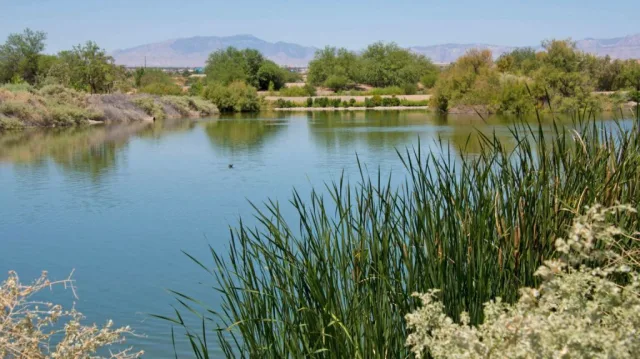
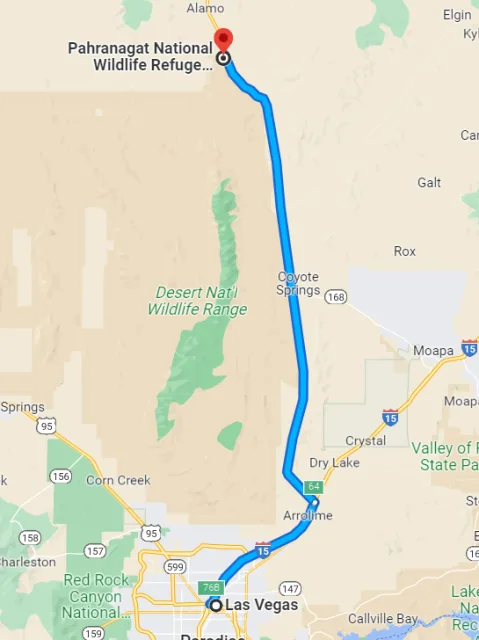
Pahranagat National Wildlife Refuge (NWR) is a stunning geographical anomaly located in Lincoln County, Nevada, approximately 90 miles north of Las Vegas. Set in the expansive Pahranagat Valley, the refuge is a true desert oasis, straddling the transition zone between the Mojave and Great Basin deserts. This vital 5,382-acre sanctuary owes its existence to life-giving thermal springs that feed a complex of lakes and wetlands—specifically Upper and Lower Pahranagat Lakes and the Middle Marsh.
These spring-fed waters create a rare ribbon of marsh, open water, and crucial riparian gallery forests of cottonwood and willow trees, all set against a dramatic backdrop of arid uplands and desert scrub. The Paiute people aptly named this area, with Pahranagat meaning "feet sticking in water," highlighting its historical importance as a wetland in an otherwise parched landscape.
As a designated stopover point on the Pacific Flyway, Pahranagat NWR offers exceptional and diverse bird watching throughout the year, with over 260 species recorded—more than half of all birds documented in Nevada. During the spring and fall migrations, the refuge is blanketed by thousands of waterfowl, including Northern Pintails, Cinnamon Teal, and Redheads, alongside impressive numbers of shorebirds like American Avocets and White-faced Ibis on the seasonal mudflats.
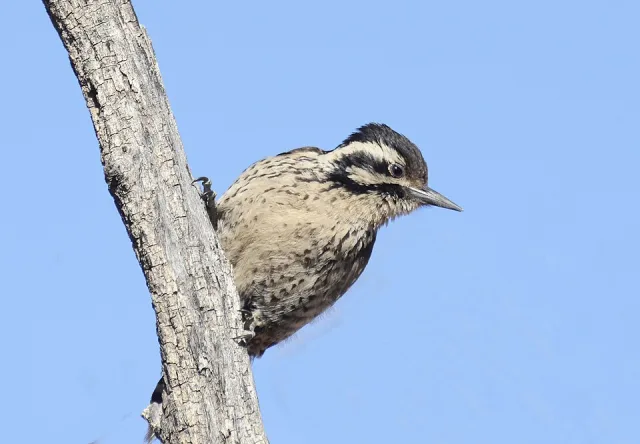
The dense cottonwood and willow riparian habitats are critical for nesting and migrating songbirds, providing excellent viewing opportunities for Yellow Warblers, Bullock's Orioles, and the critically endangered Southwestern Willow Flycatcher. In the winter, the refuge attracts birds of prey, including Bald and Golden Eagles, which hunt over the lakes, making Pahranagat NWR a consistently productive site for birders seeking both wetland specialists and desert residents like the Gambel's Quail and Greater Roadrunner.

Target Birds
Clark's Grebe
Marsh Wren
Ash-throated Flycatcher
Ladder-backed Woodpecker
Western Tanager
American Avocet
The U.S. Fish and Wildlife Service has interesting facts about the reserve, as well as access details.
Lake Mead NRA
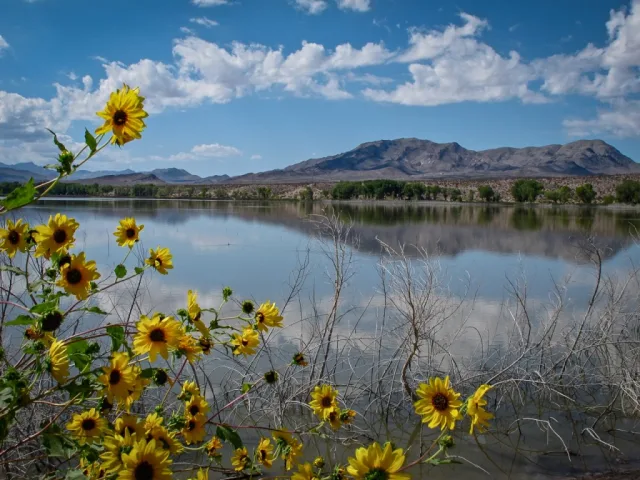
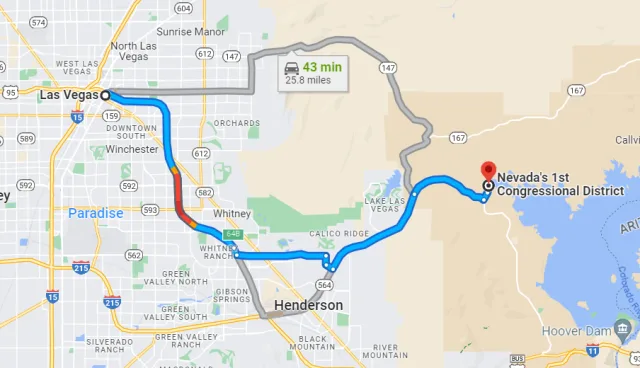
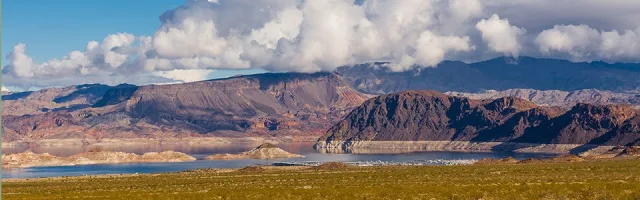
Located just a short drive east of Las Vegas, the Lake Mead National Recreation Area (NRA) is a massive, sprawling park that straddles the borders of Nevada and Arizona. It is an area of profound geographical contrast, sitting at the junction of the Mojave, Sonoran, and Great Basin deserts. The NRA is defined by its two massive reservoirs, Lake Mead and Lake Mohave, created by the Hoover and Davis Dams on the Colorado River.
This introduction of huge bodies of water into the arid landscape is the critical factor in its birding appeal. The geography consists of deep, stark canyons, rugged mountains, and vast desert expanses, broken up by riparian areas and the expansive freshwater shoreline, creating a remarkable range of microclimates and habitats for both desert and aquatic species.
Lake Mead NRA's geography supports over 240 documented bird species, making it a key stopover point along the Pacific and Intermountain Flyways. The open water of the lakes provides crucial habitat for waterfowl and aquatic birds, especially during the winter months, with frequent sightings of species like Western Grebes, Common Mergansers, and huge rafts of American Coots.
Areas like the Las Vegas Wash and various springs—such as Rogers Spring and Blue Point Spring—create essential riparian corridors and green spots in the desert. These areas attract a diverse range of migrant songbirds in spring and fall, as well as resident desert specialists like the Gambel's Quail, Phainopepla, and various species of wren and sparrow. Furthermore, the canyons and cliffs surrounding the water are excellent locations for spotting raptors, including Bald Eagles in winter and the occasional Peregrine Falcon.
Target Birds
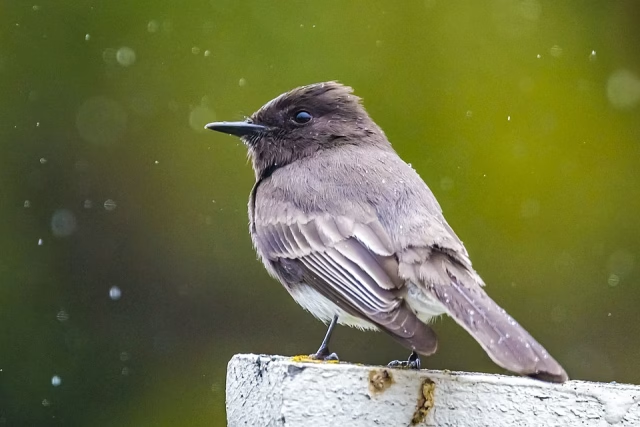
Black Phoebe
Loggerhead Shrike
Rock Wren
American White Pelican
Caspian Tern
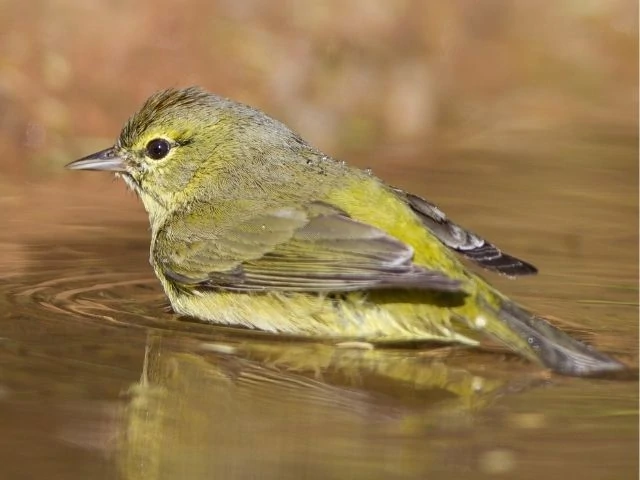
Orange-crowned Warbler
The National Park Service webpage for the Lake Mead area is the place to start. It's important to check the current conditions and regulations before planning a visit to Lake Mead NRA, as the water levels, weather, and access to certain areas may vary.
Pyramid Lake
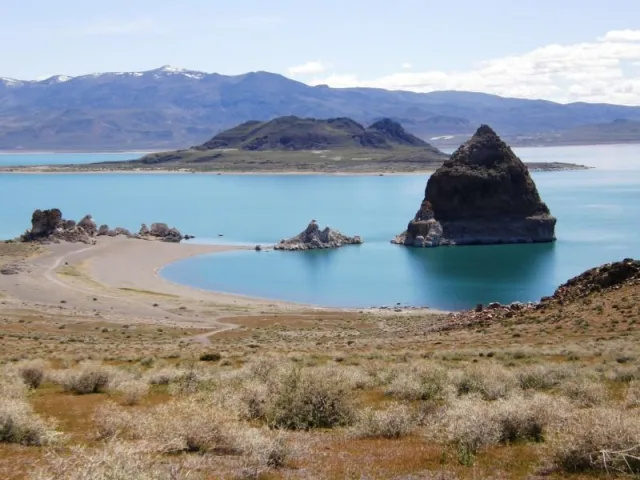
Pyramid Lake is a spectacular geographical feature, located approximately 40 miles northeast of Reno, Nevada, and entirely within the Pyramid Lake Paiute Tribe Reservation. As the geographic sink and terminal point of the Truckee River—which originates from Lake Tahoe in the Sierra Nevada—it is a closed, endorheic basin with no outlet. This means water only leaves through evaporation, resulting in a slightly saline and moderately alkaline chemistry.

The lake is one of the largest natural lakes in Nevada and a remnant of the vast, prehistoric Lake Lahontan that covered much of the Great Basin during the Ice Age. Its namesake comes from the stunning tufa rock formations—calcium carbonate deposits—that rise dramatically from its depths and along its shores, creating a landscape unlike any other in the region. At 1,160 meters (over 3,800 feet) above sea level, its desert setting contrasts sharply with its deep, often changing blue waters.
This isolated, high-desert lake offers exceptional and specialized bird watching opportunities, particularly for waterbirds. The most famous avian attraction is the enormous colony of American White Pelicans that breed on Anaho Island National Wildlife Refuge, a protected island in the lake. While the island itself is closed to the public to ensure the colony remains undisturbed, the pelicans can be easily viewed flying overhead and foraging on the lake from the western shoreline.
Other colonial nesting birds include Double-crested Cormorants, California Gulls, and Great Blue Herons. The lake and the riparian area around the Truckee River delta also serve as a crucial stopover point along the Pacific Flyway, attracting diverse waterfowl, six species of grebes, and various shorebirds, especially during the fall migration. Birders can also find raptors like Bald Eagles in the winter and a variety of sagebrush and riparian songbirds in the surrounding habitats.
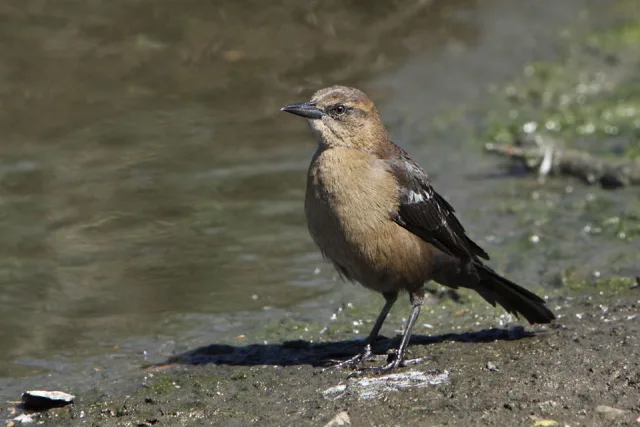
Target Birds
Black-chinned Hummingbird
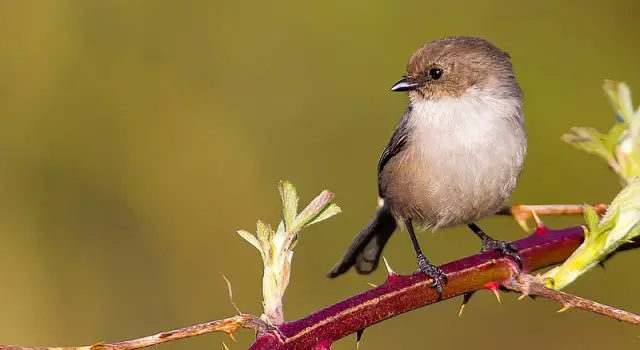
Bushtit
Bewick's Wren
Western Meadowlork
Brewer's Blackbird
Golden Eagle
Nevada Audubon has background information on the area and what birds to expect.
Ash Meadows National Wildlife Refuge
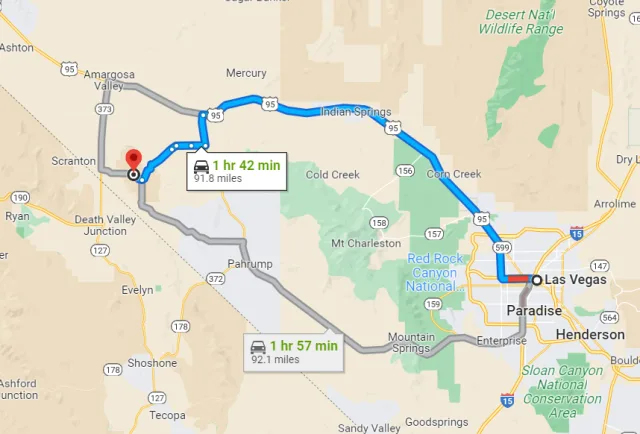
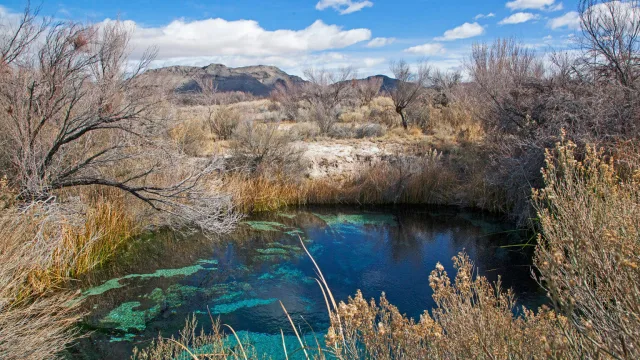
Ash Meadows National Wildlife Refuge, a true biological gem, is situated in the Amargosa Valley of Southern Nye County, Nevada, approximately 90 miles northwest of Las Vegas and directly east of Death Valley National Park. This 23,000-acre protected area is a phenomenal example of a desert oasis ecosystem, designated as a Ramsar Wetland of International Importance due to its unique and critical hydrology.
The geography of the refuge is defined by over thirty perennial springs and seeps, which discharge ancient groundwater from a vast underground aquifer system. This fossil water, believed to be tens of thousands of years old, creates a patchwork of mesic habitats—including spring pools, alkaline marshes, saltgrass meadows, and groves of ash and mesquite trees—contrasting sharply with the surrounding arid Mojave Desert. This concentration of life-giving water supports the highest number of endemic species in the entire United States, including several rare fish and plants.
For birders, Ash Meadows is an indispensable stopover point along the Pacific Flyway, situated perfectly between major migratory routes. The complex mosaic of wet and dry habitats attracts an impressive diversity of avian species, especially during the spring (March-May) and fall (September-November) migration periods, when warblers, flycatchers, and shorebirds stop to rest and refuel.
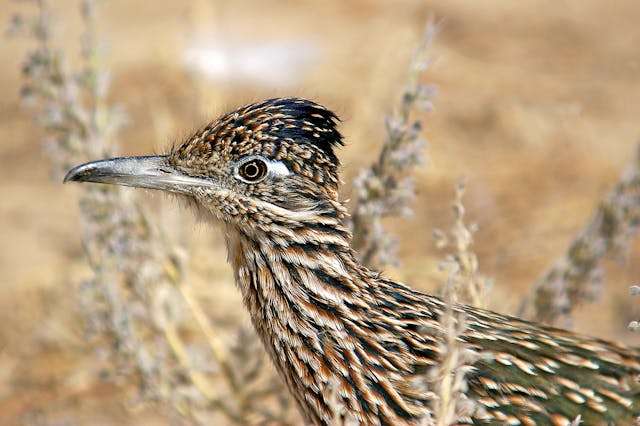
Visitors can traverse accessible boardwalk trails at key spring locations like Crystal Spring and Point of Rocks, offering excellent viewing opportunities for resident desert birds like the Greater Roadrunner, Gambel's Quail, and the striking black-and-white Phainopepla. Winter brings a variety of waterfowl, ducks, and raptors to the open waters of the Crystal and Peterson Reservoirs, ensuring that this small, isolated refuge provides exceptional bird watching action throughout the year.
Target Birds
Redhead
Black-necked Grebe
Shore Lark
Greater Roadrunner
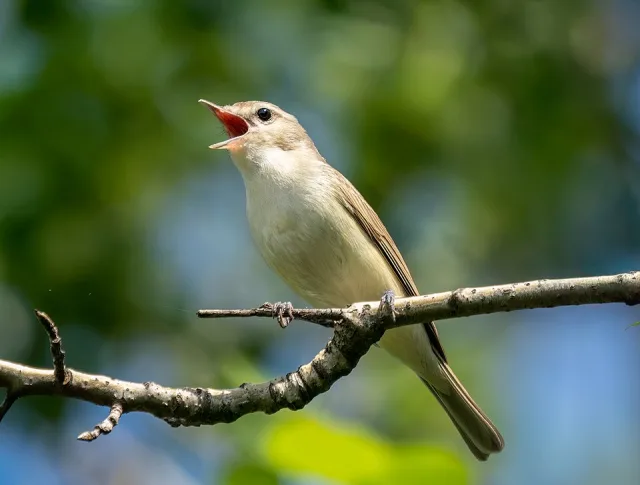
Warbling Vireo
- Mountain Chickadee
The site is managed by the USFWS and they have a Visitor Center on site.
Ruby Lake National Wildlife Refuge
Ruby Lake National Wildlife Refuge is an extraordinary high-altitude oasis, located in the remote Great Basin of northeastern Nevada, flanked by the rugged and scenic Ruby Mountains. Situated at an elevation of approximately 6,000 feet, the geography of the refuge is dominated by a vast network of spring-fed freshwater marsh, wet meadows, and bulrush-encrusted ponds—a surprising spectacle in an otherwise arid region.
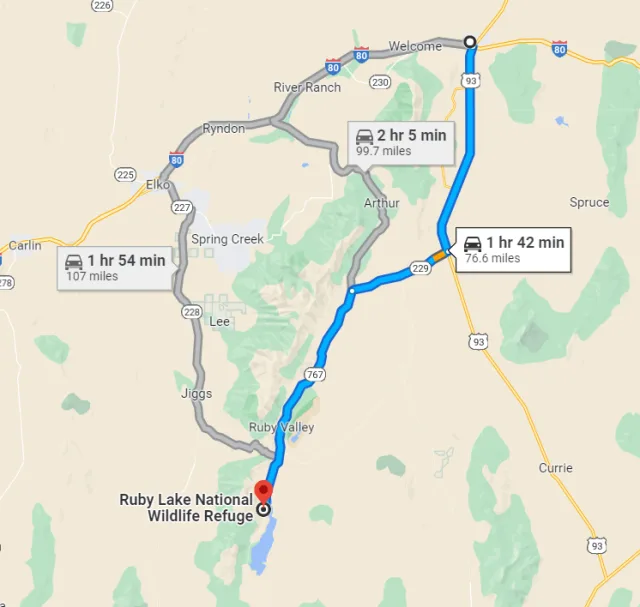
The wetlands are sustained by over 200 natural springs that flow from the nearby mountains, creating a lifeline for wildlife. This extensive marshland, sometimes referred to as the "Ruby Marsh," is a National Natural Landmark and encompasses nearly 40,000 acres, offering visitors a tranquil and spectacularly remote experience. Accessing the refuge involves traveling significant distances on unpaved gravel roads, emphasizing its secluded nature and preservation.
The refuge's location along both the Pacific and Central Flyways makes it a critical stopover and nesting site, earning it recognition as a Globally Important Bird Area. Bird watching here is exceptional, especially during the spring and fall migration seasons, with over 220 species recorded. Ruby Lake NWR is globally significant for its high concentration of nesting waterfowl, most notably supporting the largest breeding population of Canvasback ducks west of the Mississippi River (outside of Alaska).

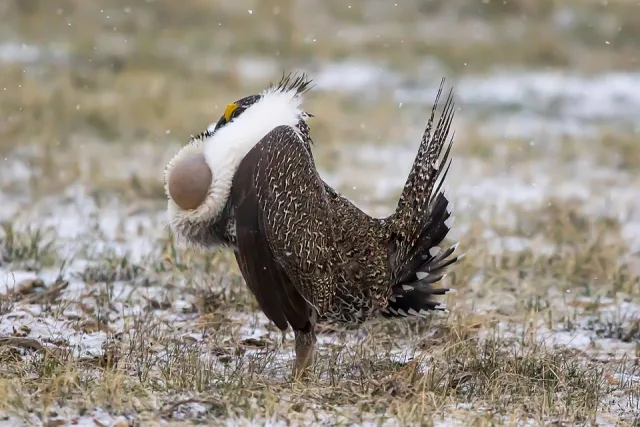
Other flagship species include Nevada's only resident population of Trumpeter Swans (reintroduced from Montana) and a significant nesting population of Greater Sandhill Cranes. Birders can drive the established auto-tour route along the dikes, offering discreet views of dabbling and diving ducks, herons, egrets, pelicans, shorebirds like American Avocets and Black-necked Stilts, and the iconic Greater Sage-Grouse in the surrounding sagebrush habitat.
Target Birds
Bullock's Oriole
Canvasback
Pied-billed Grebe
Forster's Tern
Northern Harrier
Black-billed Magpie
The USFWS is a good resource when planning a trip with up to date information about access.
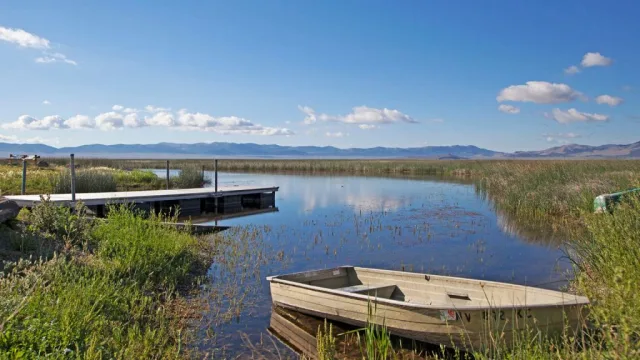
Great Basin National Park
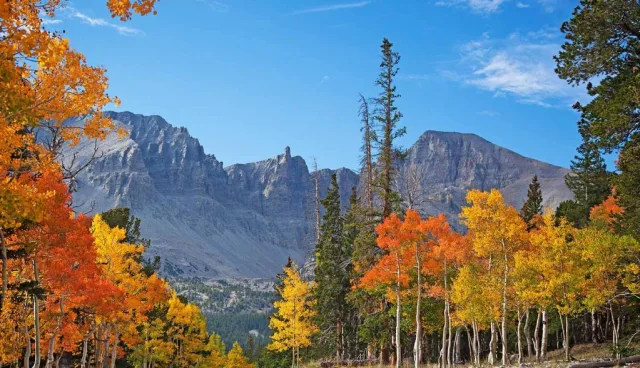
Great Basin National Park is situated in the remote, east-central part of Nevada, hugging the Utah border. This spectacular region is defined by the Basin and Range Province geography, where long, north-south trending mountain ranges rise abruptly from arid valley floors—a topography known locally as "sky islands." The park protects a significant portion of the Snake Range, with its centerpiece being Wheeler Peak, which soars to 13,063 feet.
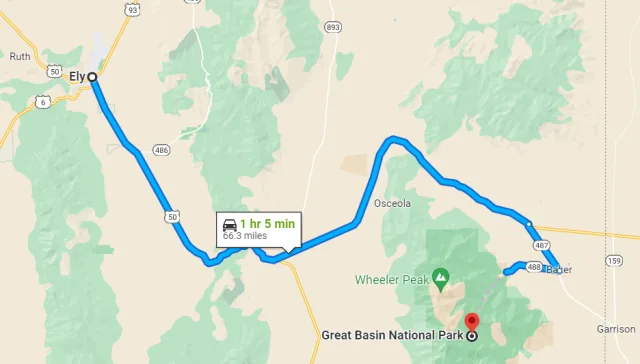
This extreme elevation change is the key to the park's exceptional biodiversity, creating five distinct life zones ranging from low-elevation sagebrush scrub to high-alpine tundra and ancient groves of Great Basin Bristlecone Pines. The park's isolation and varied elevation make it a unique ecological refuge, far from the light and noise pollution of major cities, making for an intimate experience with high-desert nature.
The dramatic change in elevation offers birdwatchers unparalleled opportunities to see species inhabiting everything from arid scrubland to snowy peaks. The lower sagebrush and pinyon-juniper woodlands are home to desert specialists like the Pinyon Jay, Black-throated Sparrow, and Sage Thrasher. As you climb the scenic drive, the habitat shifts to ponderosa pine and aspen forests, attracting woodpeckers (such as the Red-naped Sapsucker), chickadees, and warblers.

At the highest elevations, birders can scan the rocky, subalpine terrain near the glacier and bristlecone pines for the elusive Black Rosy-finch and Clark's Nutcracker. With over 230 recorded species, Great Basin National Park is an officially recognized Important Bird Area (IBA) due to its rare habitats and concentration of high-priority conservation species.

Target Birds
Swainson's Hawk
Cassin's Finch
Virginia's Warbler
Common Poorwill
Plumbeous Vireo
Black-headed Grosbeak
The National Park Service provides Visitors Centers around the park and the website has background information.
Desert National Wildlife Refuge
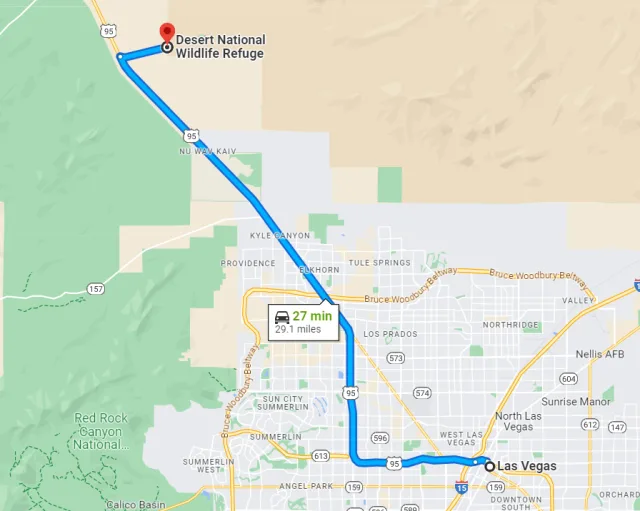
The Desert National Wildlife Refuge is an expansive protected area situated just north of Las Vegas, Nevada, encompassing over 1.6 million acres across Clark and Lincoln counties. As the largest National Wildlife Refuge in the contiguous United States, its sheer size contributes to an astonishing geographical diversity. The refuge straddles the boundary between the Mojave and Great Basin Deserts, featuring six major mountain ranges, including the towering Sheep Range which reaches elevations near 10,000 feet, contrasting sharply with valley floors around 2,500 feet.
This dramatic elevation change creates seven distinct life zones, ranging from low desert shrub communities (creosote bush and white bursage) to high-elevation coniferous forests of Ponderosa Pine and Bristlecone Pine. This incredible variety of habitats, coupled with the critical presence of water sources, is what makes the refuge a magnet for wildlife and a remarkable destination for birders.
For the avian enthusiast, the Desert National Wildlife Refuge offers access to over 320 species of birds. The most accessible and productive birding spot is the Corn Creek Field Station, located at the refuge's southern entrance. This vital oasis features spring-fed ponds, native mesquite, and a riparian area that serves as a crucial stopover point along the Pacific Flyway, especially during spring and fall migrations. Birders can walk short, well-maintained trails to spot a wide variety of migrants, including warblers, flycatchers, and orioles.

Beyond the main station, the diverse life zones attract specialized desert residents, such as the colorful Phainopepla, the iconic Greater Roadrunner, and thrashers like the LeConte's and Crissal Thrashers, making the refuge an essential location for viewing both migratory visitors and permanent desert inhabitants.

Target Birds
Lesser Nighthawk
Phainopepla
White-winged Dove
Violet-green Swallow
Lazuli Bunting
Costa's Hummingbird
The USFWS has lots of facts about the refuge and all the wildlife to be found there.
Lahontan Valley Wetlands
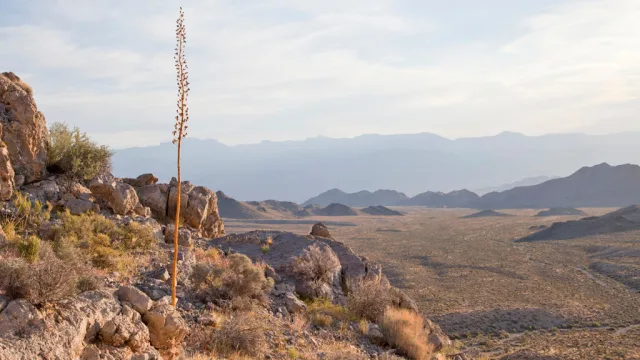
Located in Churchill County, approximately 70 miles east of Reno near the city of Fallon, the Lahontan Valley Wetlands complex is one of the most critical inland wetland areas in the entire Great Basin. Geographically, this valley is a remnant of the vast prehistoric Lake Lahontan, and today serves as the terminal delta of the Carson River within the Carson Sink. This unique location creates a dynamic, closed-basin system where the water quality naturally ranges from fresh in the marsh's upper reaches to increasingly brackish and saline toward the lower-lying Stillwater Marsh.
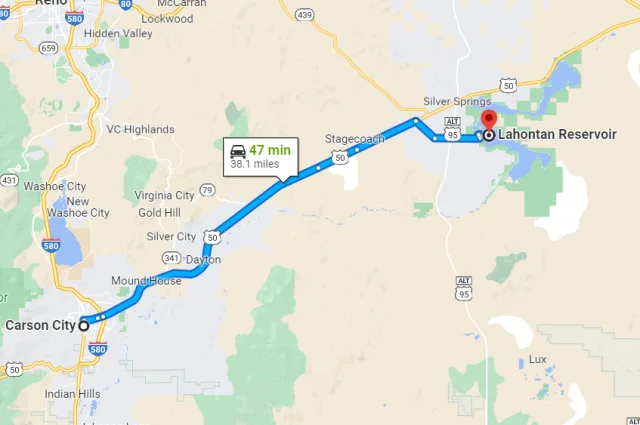
The complex encompasses several key areas, most notably the Stillwater National Wildlife Refuge (NWR) and the Carson Lake and Pasture, providing a mosaic of habitats including freshwater marshes, river corridors, alkali playas, and desert shrublands across nearly 200,000 acres of managed land. The health and extent of these wetlands are directly tied to the snowpack in the distant Sierra Nevada, which feeds the Carson River.
The Lahontan Valley Wetlands' strategic location and diverse geography make it an indispensable stopover for birds traversing the Pacific Flyway. The entire complex has been designated as a site of Hemispheric Importance by the Western Hemisphere Shorebird Reserve Network (WHSRN) and is recognized as an Important Bird Area (IBA). Bird watching here is exceptional throughout the year, but particularly during spring and fall migration, when the area hosts up to 250,000 shorebirds annually.
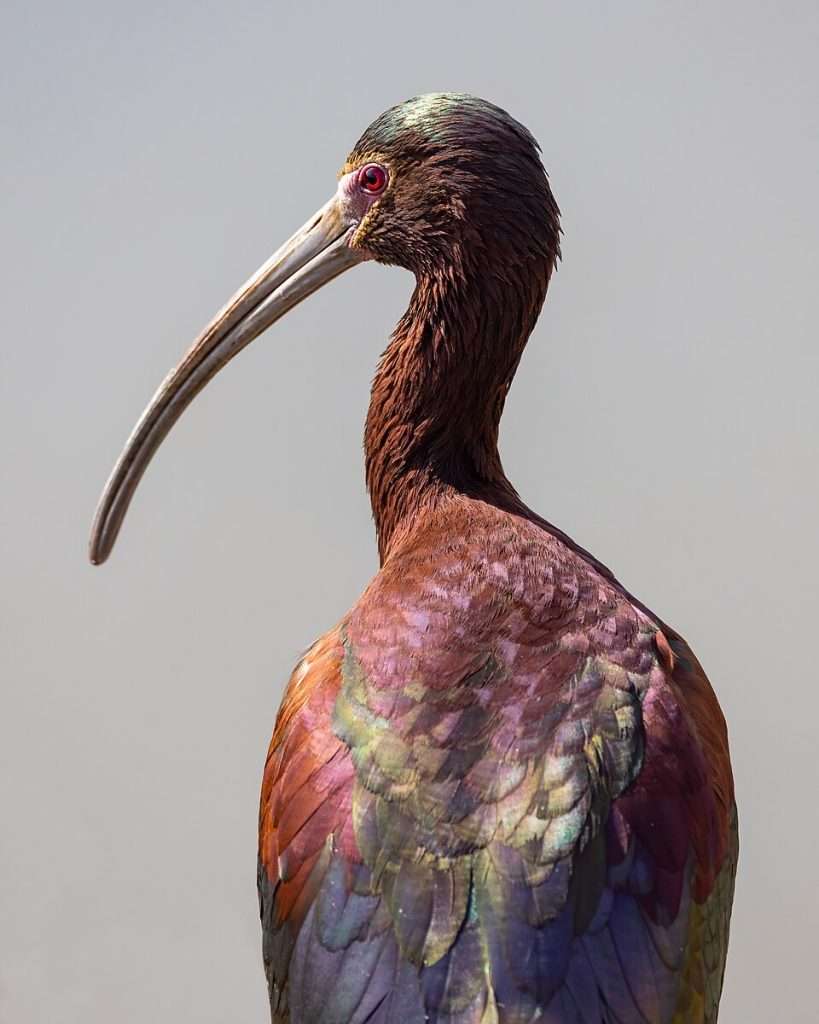
Birders flock here to see massive concentrations of species such as the Long-billed Dowitcher, Western Sandpiper, American Avocet, and Black-necked Stilt. Additionally, the valley supports one of North America's largest nesting colonies of the White-faced Ibis and provides critical habitat for numerous waterfowl, including Cinnamon Teal, Redhead, and a variety of geese and ducks, making it a true desert oasis for wetland-dependent avian life.
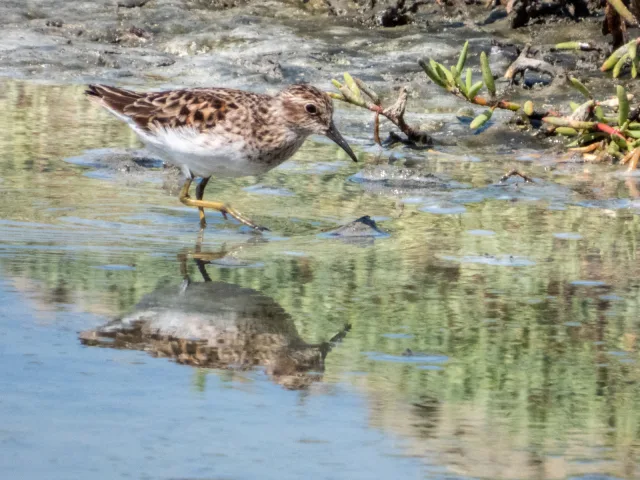
Target Birds
Bufflehead
California Gull
Greater Yellowlegs
Mountain Bluebird
Spotted Towhee
Least Sandpiper
Buff-bellied Pipit
Nevada Audubon has background details about the area and their excellent conservation efforts to protect and manage it.
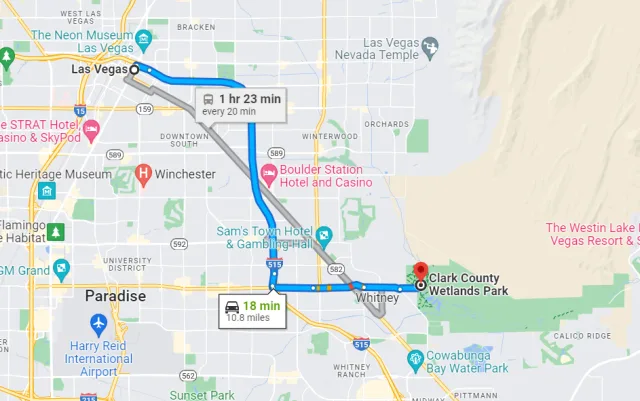
Clark County Wetlands Park
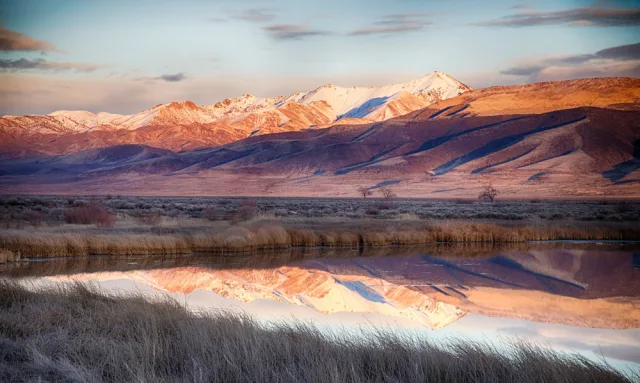
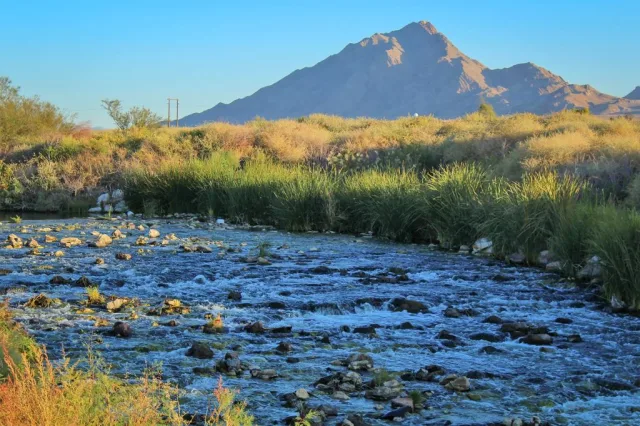
Located surprisingly close to the bustling city, the Clark County Wetlands Park is situated on the eastern edge of the Las Vegas Valley, acting as a vital green lung between Las Vegas and Henderson. Geographically, it is centered around the Las Vegas Wash, a critical 12-mile channel that carries the majority of the valley’s reclaimed water, urban runoff, and stormwater downstream into Lake Mead.
The park’s nearly 2,900 acres encompass a constructed wetland designed to naturally slow the water's flow, reduce erosion, and filter impurities before it reaches the Colorado River system. This dynamic interplay of desert and perpetually flowing water creates a rare and diverse environment, transitioning from desert scrub and mesquite woodlands to rich riparian zones and aquatic wetlands, all set against the backdrop of the surrounding Mojave Desert mountains.
This unique aquatic geography transforms the park into a birdwatching paradise, supporting an astonishing 310 species of resident and migratory birds. The continuous presence of water attracts numerous waterfowl, including various species of ducks, geese, and coots, which can be easily observed from dedicated viewing platforms and boardwalks.
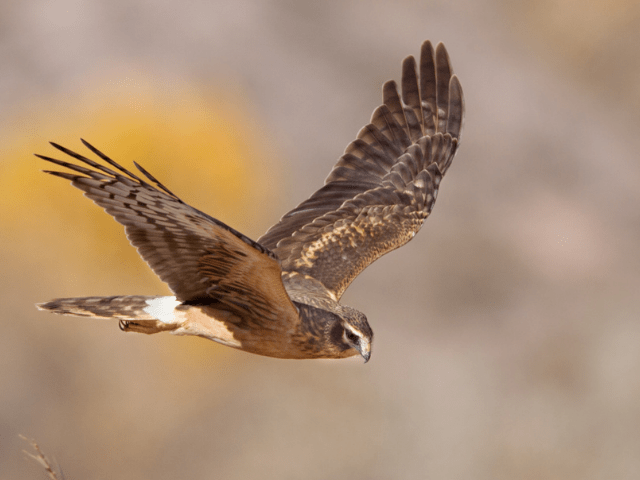
The riparian thickets and cottonwood groves provide essential cover for passerines during migration, with birders frequently spotting warblers, sparrows, flycatchers, and woodpeckers. In addition, the wide-open sky above the Wash is ideal for raptor viewing, often showcasing soaring Red-tailed Hawks and Northern Harriers hunting over the marsh. With miles of paved and soft-surface trails, the Wetlands Park offers year-round opportunities for tranquil observation and is considered one of Southern Nevada's most productive and accessible birding hotspots.
Target Birds
Green Heron
Blue Grosbeak
Great Horned Owl
Ridgway's Rail
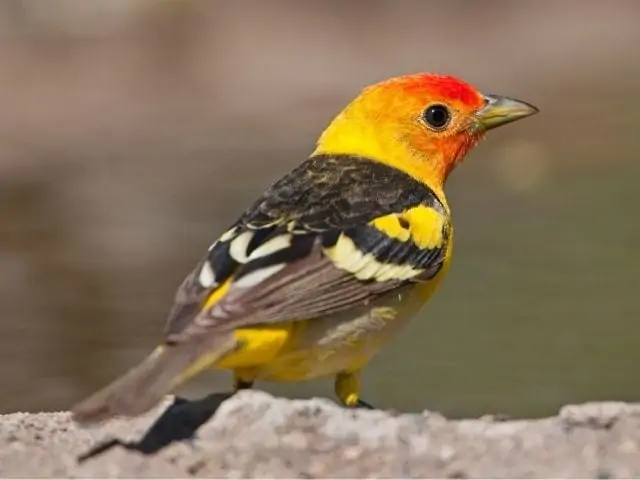
Western Tanager
Bell's and Cassin's Vireo
The Clark County Government website has facts about the area and how best to access it.
Wrapping Up
Nevada, far from being just a monotonous desert, is a spectacular tapestry of diverse habitats that offer some of the most rewarding bird-watching experiences in the American West. From the globally unique Ash Meadows National Wildlife Refuge, a vital spring-fed oasis that supports endemic species and acts as an international Ramsar site, to the expansive open waters of Lake Mead National Recreation Area, and the surprisingly rich urban wetlands of Clark County Wetlands Park, the state provides crucial stopovers and breeding grounds along the Pacific Flyway.
The sheer variety of terrain—alkaline seeps, mesquite thickets, cottonwood riparian corridors, and vast reservoirs—guarantees a diverse avian checklist for visitors across all seasons. Whether tracking the rare Phainopepla in the Mojave Desert, spotting wintering waterfowl on the Lake Mead shorelines, or witnessing the flurry of passerines during migration at Clark County, Nevada’s conservation efforts ensure that these critical habitats remain protected. Ultimately, a birding trip to Nevada is a journey into the heart of a resilient and essential ecosystem, proving that the Silver State is truly a goldmine for bird enthusiasts ready to discover its feathered treasures.
