
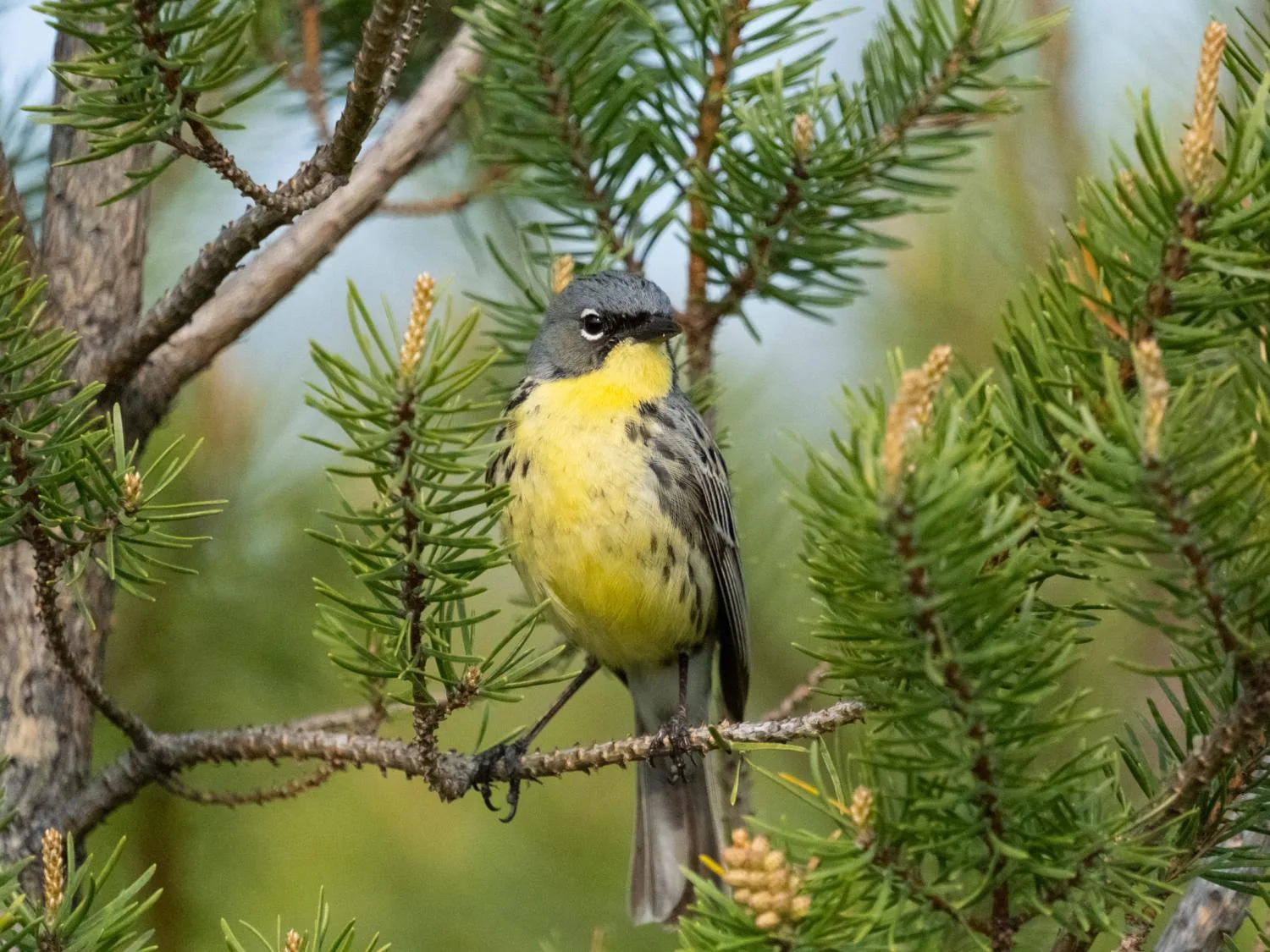
The Kirtland’s Warbler (Setophaga kirtlandii) is more than just a colorful songbird; it's a testament to the power of conservation and a true gem of North American birding. For decades, the species flirted with extinction, but thanks to dedicated efforts, its population has rebounded, drawing birders from around the globe to its singular, specialized nesting grounds in northern Michigan. Successfully finding the "Jack Pine Ghost" requires understanding its unique habitat needs and the limited, structured access to its breeding areas.
The Warbler's Monogamous Habitat
The story of the Kirtland's Warbler is inextricably linked to one tree: the Jack Pine (Pinus banksiana). The bird exhibits one of the most geographically restricted breeding ranges of any North American passerine, nesting almost exclusively in a narrow, 130-mile corridor across the northern Lower Peninsula of Michigan.
Its habitat requirements are hyper-specific:
- Age Matters: Kirtland’s Warblers will only nest in young, dense stands of Jack Pine trees, typically those 5 to 20 feet tall (or 5 to 20 years old). The open canopy and dense understory created by these young trees provide the perfect microclimate and cover for their ground nests.
- The Fire Cycle: Historically, natural forest fires maintained the massive, uniform tracts of young Jack Pine by clearing out old growth and allowing the pine cones to release their seeds (a process called serotiny). Today, this required habitat is created and managed through an intensive, decades-long cycle of logging and replanting coordinated by the U.S. Forest Service, the Michigan Department of Natural Resources, and the U.S. Fish and Wildlife Service.
This specificity means that to find the bird, you must go to the managed Jack Pine plantations, primarily within the Huron-Manistee National Forest and surrounding state lands near the towns of Mio, Oscoda, and Grayling.
When to Go: The Short Window
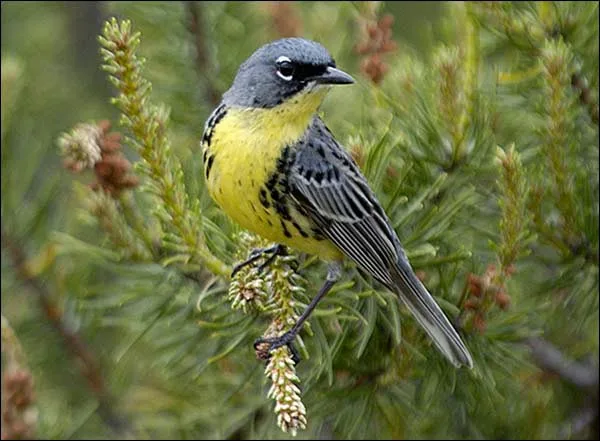
Finding the Kirtland's Warbler is a time-sensitive endeavor. The birds arrive in Michigan from their wintering grounds in the Bahamas in early to mid-May, and they depart by late August or early September.
The absolute best time for viewing is during the breeding season from late May through early July. This period is ideal for two reasons:
- Singing: The males are highly territorial and sing their distinctive, loud, bubbling song from the tops of the short Jack Pines, making them much easier to locate.
- Guided Tours: This is the only time the official, guided tours operate, offering the most reliable access to the nesting grounds.
Outside of this core period, the birds are quieter, more elusive, and the managed areas are generally closed to public entry to prevent accidental disturbance to nests.
Access is Everything: The Importance of Guided Tours
Due to the bird’s federally endangered status (recently downlisted to threatened) and the sensitivity of the nesting habitat, access to the breeding areas is tightly controlled. Self-guided exploration of these active nesting areas is prohibited. The most reliable and ethical way to see the Kirtland's Warbler is by joining an organized tour.
These tours are often led by experts who know the exact location of the current year's nesting territories and ensure proper viewing distance is maintained.
| Tour Location | Operator | Timeframe | Key Feature |
| Mio, Michigan | U.S. Forest Service (Huron-Manistee National Forest) | Late May to Early July | Historically the most consistent location, tours often start at the District Ranger Office. |
| Grayling, Michigan | AuSable Valley Audubon (sometimes in partnership with Michigan Audubon) | Late May to Early July | Accesses areas north and west of Mio, providing an alternative viewing opportunity. |
| Tawas Point | (Self-Guided Migration Stop) | Mid-May and Late August | Not a nesting location, but a reliable spot to see the bird during its migration, especially if it is late arriving or lingering. |
The Viewing Experience: Patience and Optics
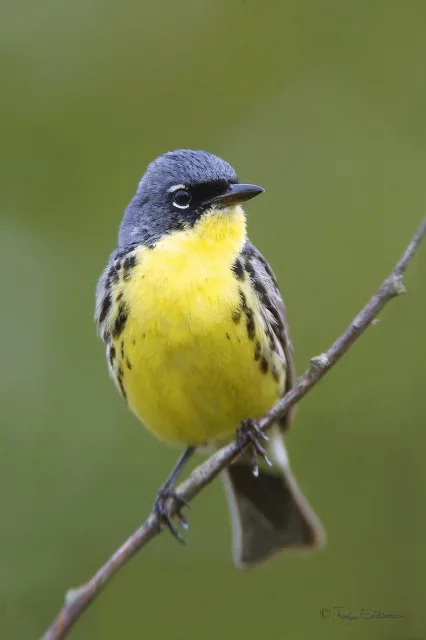
The Kirtland's Warbler is a relatively large warbler, known for its bluish-gray back, bright yellow belly, and subtle black streaking. However, finding it can still be a challenge.

- Listen First: Start by listening for the male's loud, rhythmic song—a series of sharp chip-chip-chip notes that escalate into a forceful trill. Once located, scan the top of the nearest Jack Pine.
- Look Low: If the bird isn't singing from the treetop, it will be low in the underbrush. They spend a surprising amount of time on or near the ground.
- Use Optics: A good pair of binoculars (8x or 10x magnification) is essential. The guides will position the viewing group far enough away to prevent disturbance, so good optics will be your best friend.
- Weather: Be prepared for early morning starts, which are the best time for warbler activity. The Jack Pine areas can be sandy and warm in the summer, so wear appropriate footwear and bring water.
The satisfaction of seeing the Kirtland's Warbler is knowing you are observing a species that has been pulled back from the brink of extinction. It is a rare sighting that connects a birder directly to one of the most successful and specialized conservation stories in the United States.
