
For birders in the United States, there are "lifers," and then there are legends. For decades, the Mottled Owl (Ciccaba virgata) was a ghost—a tropical species that lived in the lush forests of Mexico and Central America, barely acknowledged as a member of the U.S. avifauna.
But things are changing. Recent high-profile sightings in South Texas have sent ripples through the birding community, proving that this mysterious predator is more than just a one-off visitor. I have only seen them in Costa Rica so this is very exciting news.
Why is the Mottled Owl so Rare in the U.S.?
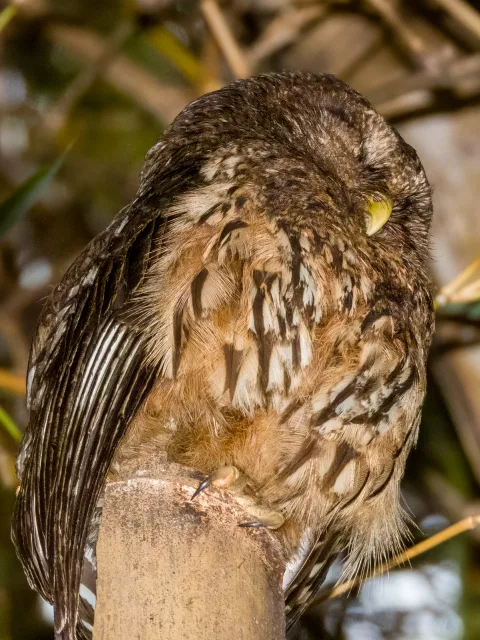
The Mottled Owl is a permanent resident of the American tropics. Its range extends from Mexico all the way down to northern Argentina. Because they are non-migratory, they rarely feel the need to travel long distances. In the U.S., they are officially classified as a Code 5 rarity by the American Birding Association—the highest level of rarity, reserved for species that have been recorded five or fewer times in the last 30 years, or are accidental visitors. Until recently, the U.S. record was mostly limited to a single road-killed specimen found in 1983.
Where to Find Them: The Texas Connection
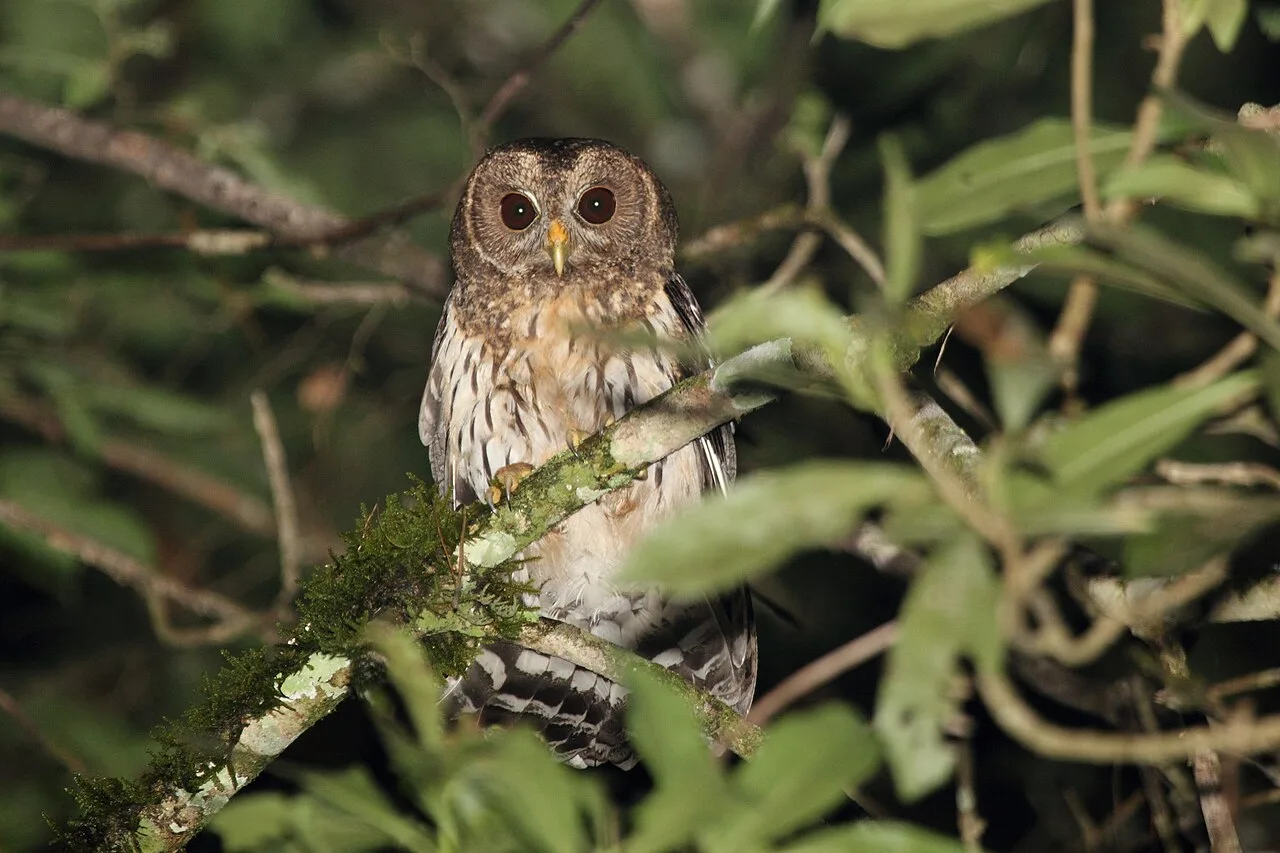
If you want to see a Mottled Owl in the U.S., there is only one place to go: the Lower Rio Grande Valley (RGV) of Texas. Specifically, the owl has recently made headlines at the Santa Margarita Ranch in Starr County. This private ranch has become a sanctuary for rare "Mexican specialties" that occasionally wander across the river.
Recent Sightings
Santa Margarita Ranch, TX: A "continuing" bird has been reported throughout 2025 and 2026, often seen by guided birding groups.
Starr County: Other sporadic reports have popped up in wooded pockets along the Rio Grande, though the ranch remains the most reliable hotspot.
Why Are They Showing Up Now?
Ornithologists are still debating why these owls are crossing the border more frequently. Theories include:
Habitat Expansion: As climate patterns shift, tropical species may be pushing their northern limits into the dense thorn-scrub of South Texas.
Increased Observation: With higher-quality cameras and more birders visiting the RGV, we are simply getting better at finding birds that might have always been there, hiding in plain sight.

About Santa Margarita Ranch

The Santa Margarita Ranch is a legendary destination for birders, but it isn’t a public park. It is a private working ranch that grants access only to authorized birding guides and their groups. The ranch is famous for hosting species you can’t find anywhere else in the country, such as the Brown Jay and the Bare-throated Tiger Heron. Its proximity to the Rio Grande makes it a primary "landing pad" for vagrant birds from Mexico.
Tips for Finding a Mottled Owl
Hunting for a Mottled Owl is a test of patience. Here is how to increase your chances:
Hire a Guide: Because the best spots are on private land like Santa Margarita, you must book a tour. Guides know the specific roosting trees where the owl has been spotted.
Listen for the "Hoot": Unlike the "Who cooks for you?" call of the Barred Owl, the Mottled Owl has a deep, rhythmic series of hoots that sounds like hoo-hoo-hoo-hoo-hoooo.
Look for "Mobbing": During the day, smaller birds like kiskadees or kingbirds will often "mob" a roosting owl to try and drive it away. If you see a group of small birds making a ruckus in a dense thicket, check for a pair of dark eyes staring back.
Check the "Whitewash": Look for owl pellets or white droppings at the base of large, leafy trees. Mottled Owls prefer dense canopy cover to hide from the Texas sun.
The Bottom Line
The Mottled Owl is a reminder that the borders of the natural world are fluid. Whether it’s a permanent shift in range or a few adventurous individuals, the presence of this owl in Texas is a gift to American birders. If you’re heading to the RGV, keep your ears open and your binoculars ready—you might just see a legend.
