
April 2026 will go down in the history books as one of the most electric months for North American birding. While the Rio Grande Valley is always a hotspot, a unique combination of weather patterns and sheer luck brought a wave of "Mega-Rarities" across the border, turning South Texas into a temporary pilgrimage site for birders from across the continent.
Here is a breakdown of the incredible sightings that defined this historic month.
1. Crimson-collared Grosbeak (Edinburg, TX)

The star of the Rio Grande Valley this spring was the Crimson-collared Grosbeak at the Edinburg Scenic Wetlands.
The Sighting: A vibrant male has been a "long-staying" celebrity, originally appearing late last year but continuing through April 2026.
The Appeal: This is a northeastern Mexican specialty that only rarely crosses into the U.S. Its striking black face against a deep crimson body has made it the most photographed bird in Texas this month.
2. King Eider (Portsmouth, NH)

In an unusual northern spring sighting, a male King Eider delighted East Coast birders.
The Sighting: Initially spotted near Peirce Island, the bird moved to Odiorne Point State Park and remained through late April.
The Rarity: While King Eiders are known in the Atlantic, seeing a male in high breeding plumage this far south in late April is a rare treat for New Hampshire birders.
3. Buff-collared Nightjar (Santa Cruz County, AZ)
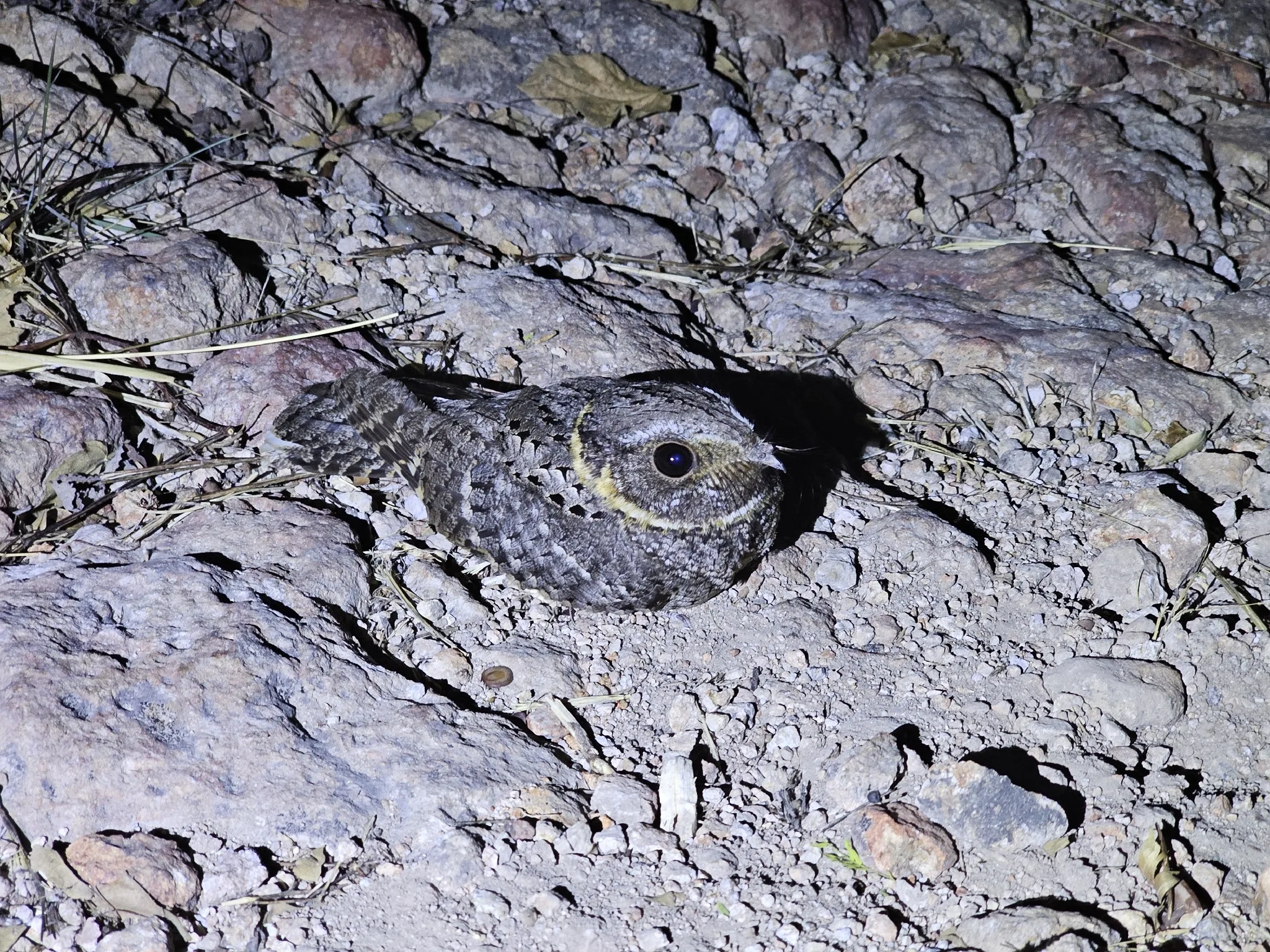
As the desert heat began to rise in late April, the "ghosts" of the Southwest returned.
The Sighting: Buff-collared Nightjars were confirmed back in their traditional haunts in Montosa Canyon and Box Canyon.
The Hunt: These are strictly nocturnal birds. Birders have been trekking into the canyons at dusk to hear their unique "accelerating" call, which sounds like a ball bouncing on a table.
Regional Rare Bird Alerts: April 2026
| Region | Featured Rarity | Notes |
| California | Thick-billed Kingbird | Continued through April 15 along the Mineral Wells Trail in Griffith Park, LA. |
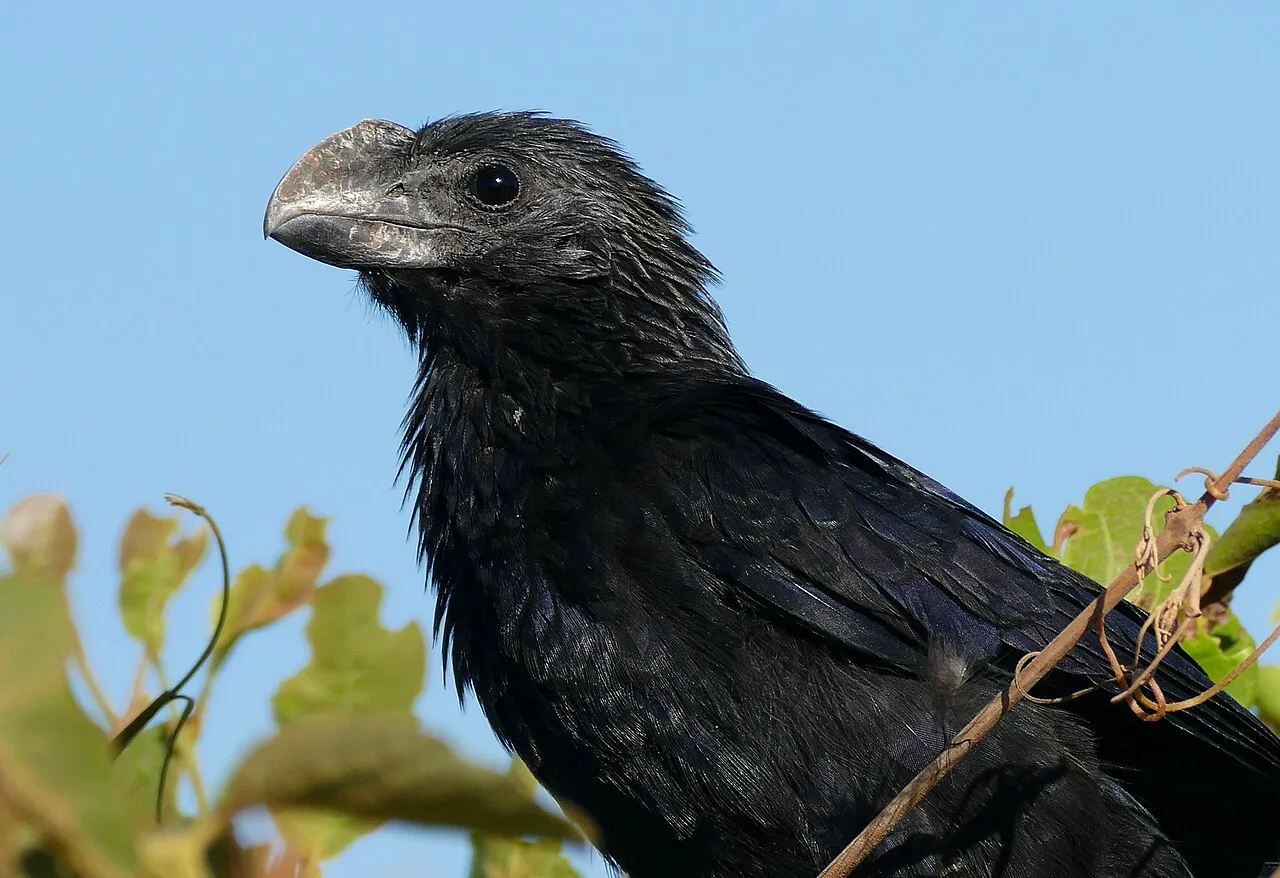
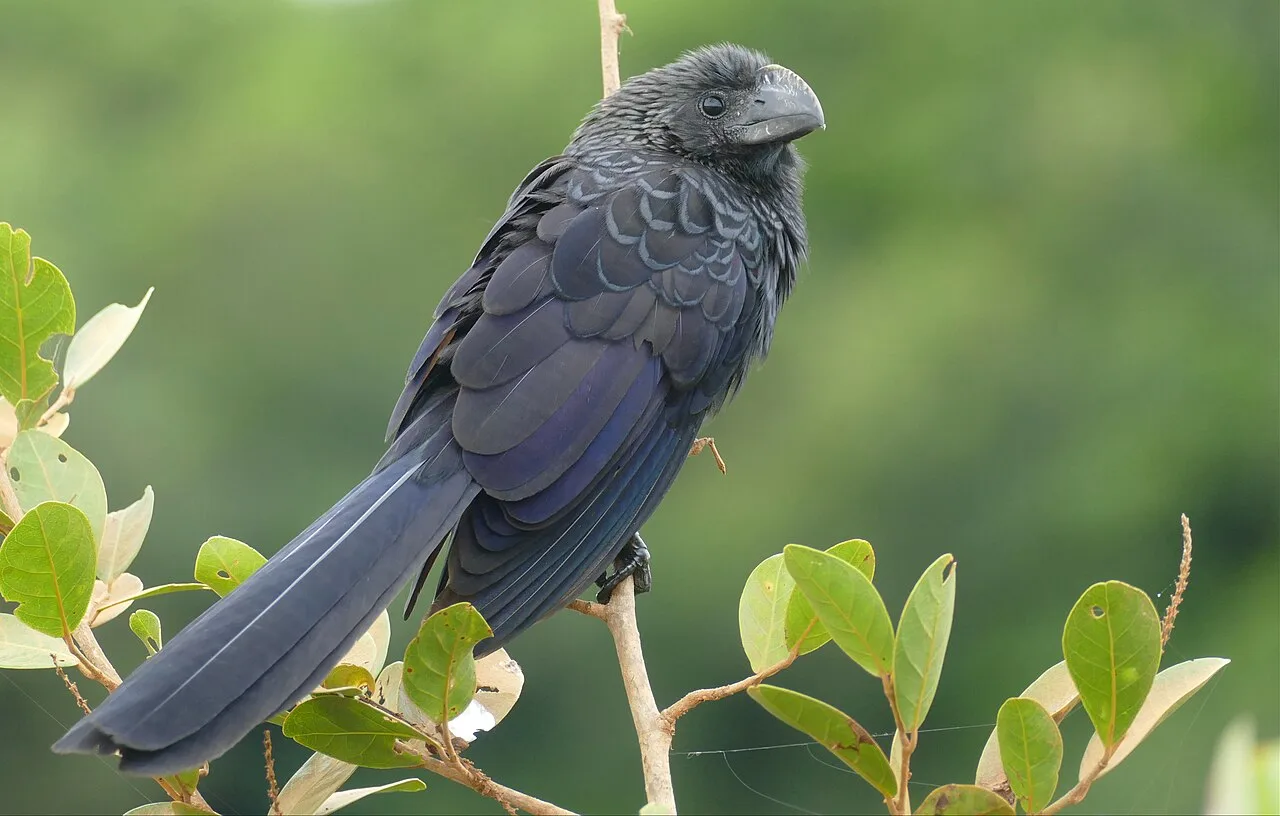
| Florida | Smooth-billed Ani | Reported in Miami-Dade County (L-31W Canal) through early May. |
| Arizona | Hudsonian Whimbrel | A rare inland shorebird photographed at Lake Cochise in Willcox on April 27. |
| New England | White-faced Ibis | Multiple sightings in Rye, NH, throughout the last week of April. |
Why April is the "Cruelest (and Best) Month" for Birders
April is a transition period. You have "winter holdovers" (like the King Eider) overlapping with "early tropical arrivals" (like the Nightjars).
What drove the April 2026 rarities?
The "Overshoot" Phenomenon: Strong southerly winds in mid-April pushed many species past their usual breeding grounds. This likely explains the Chestnut-sided Warblers showing up in Southern California and Arizona.
The Drought Effect: Continued dry conditions in parts of Mexico continue to push "Mexican specialties" like the Crimson-collared Grosbeak and Tropical Kingbirds into the reliable green spaces of South Texas and Arizona.
Tips for Chasing May 2026 Rarities
As we move into May, the "migration window" is still wide open. If you're out this week:
Check the Coastlines: After storms, "fallouts" can occur where hundreds of tired migrants land in the first trees they see.
Keep an Ear Out for "Wrong" Songs: Many rarities are found because a birder heard a song that didn't belong. If you hear a warbler song you don't recognize, track it down!
Verify Your ID: Use tools like Merlin Bird ID or eBird to double-check rarities. Remember, a common bird in an unusual plumage is more likely than a mega-rarity—but April 2026 has proven that "impossible" birds are out there.
