

In the frantic, screen-saturated landscape of the 21st century, a new form of therapy is taking flight—quite literally. While we have long known that "getting outside" is good for the soul, psychologists and ecologists are increasingly narrowing their focus onto a specific catalyst for well-being: the bird. Whether it’s the rhythmic tapping of a woodpecker in a remote forest or the vibrant flash of a goldfinch at a backyard feeder, interacting with birds is proving to be a potent antidote to the stresses of modern life.
Recent studies suggest that birds provide a unique combination of sensory engagement and psychological "soft fascination" that few other natural elements can match. Here is why the avian world is becoming a cornerstone of mental health advocacy.
The "Soft Fascination" Effect
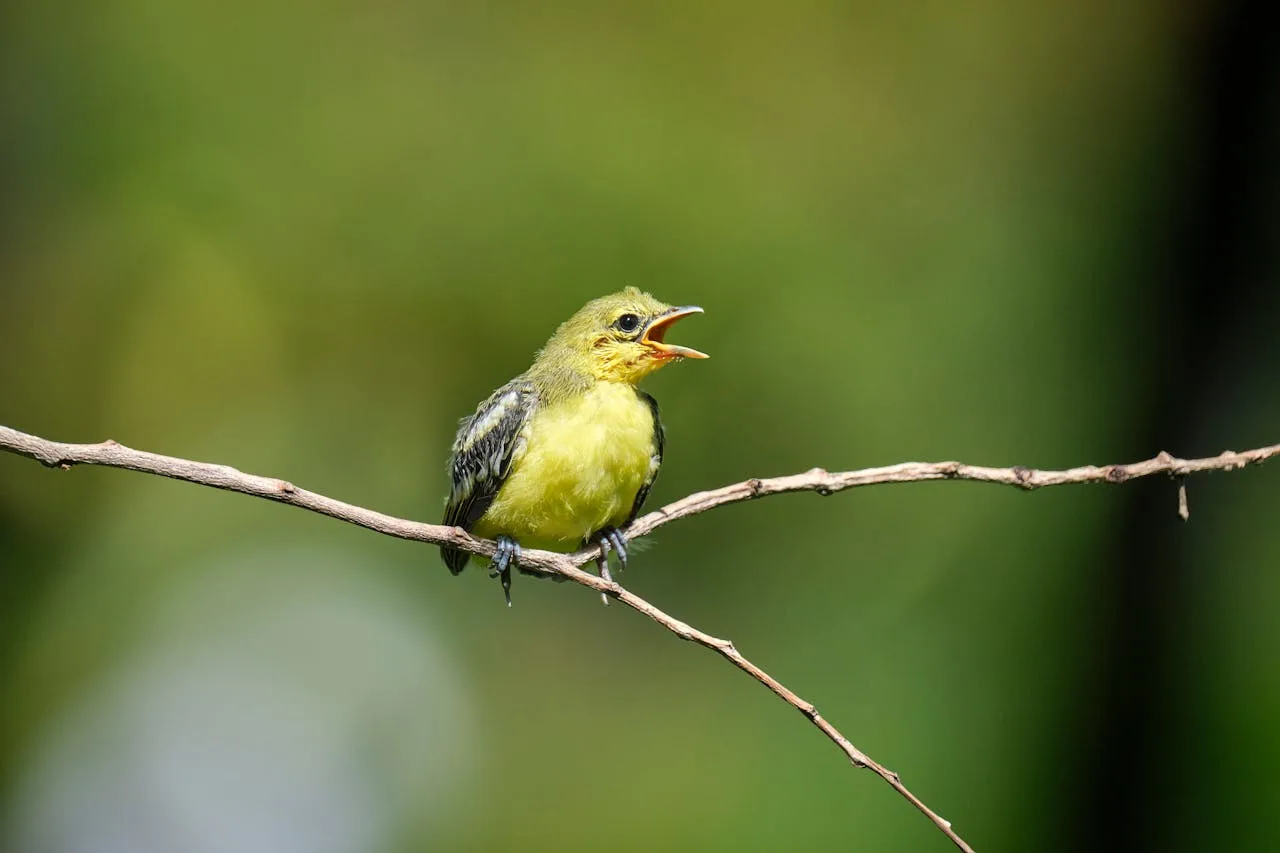
One of the leading theories in environmental psychology is Attention Restoration Theory (ART). It suggests that urban environments demand "directed attention"—a draining, focused energy used to navigate traffic, emails, and spreadsheets. Nature, however, provides "soft fascination."
Birds are the perfect embodiment of this. They are interesting enough to hold our attention but not so demanding that they exhaust it. Watching a bird forage doesn’t require you to solve a problem; it simply asks you to observe. This shift allows the prefrontal cortex—the brain’s "executive suite"—to rest and recover.
The Sound of Silence (and Song)
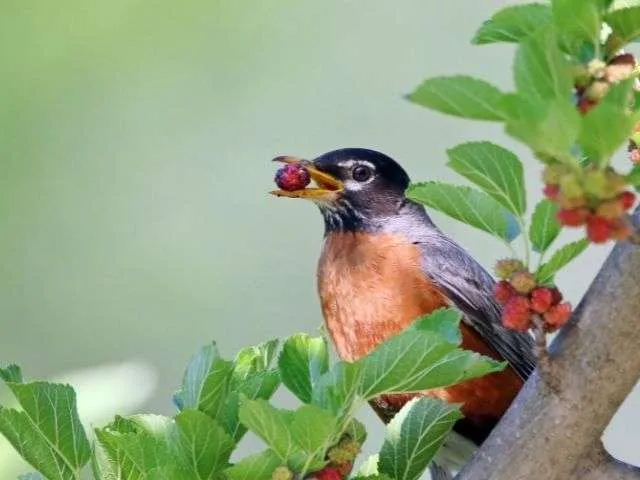
It isn’t just the sight of birds that heals; it’s the soundscape. Research published in Scientific Reports found that listening to birdsong significantly reduces feelings of anxiety and paranoia in healthy participants.
Unlike the jarring, unpredictable sounds of a city (sirens, construction, shouting), birdsong is often perceived by the human brain as a "safety signal." Evolutionarily, a singing bird usually indicates an environment free of immediate predators, allowing our nervous system to downshift from "fight or flight" into "rest and digest."
The Power of the "Micro-Interaction"
You don't need to trek into the wilderness to reap these rewards. The Great Backyard Bird Count and similar community science projects have highlighted the value of the "micro-interaction."
For many, the act of maintaining a bird feeder creates a powerful sense of agency and routine. In a world where global events often feel out of our control, the simple act of ensuring the chickadees have sunflower seeds provides a tangible, positive impact. This "nurturing loop" can be particularly transformative for:
The Elderly: Providing a window into a lively, social world that helps combat feelings of isolation.
Remote Workers: Offering a "natural break" that reduces the digital fatigue associated with back-to-back video calls.
Children: Encouraging empathy and patience as they learn to wait and watch for different species.
Birding as a Mindfulness Practice
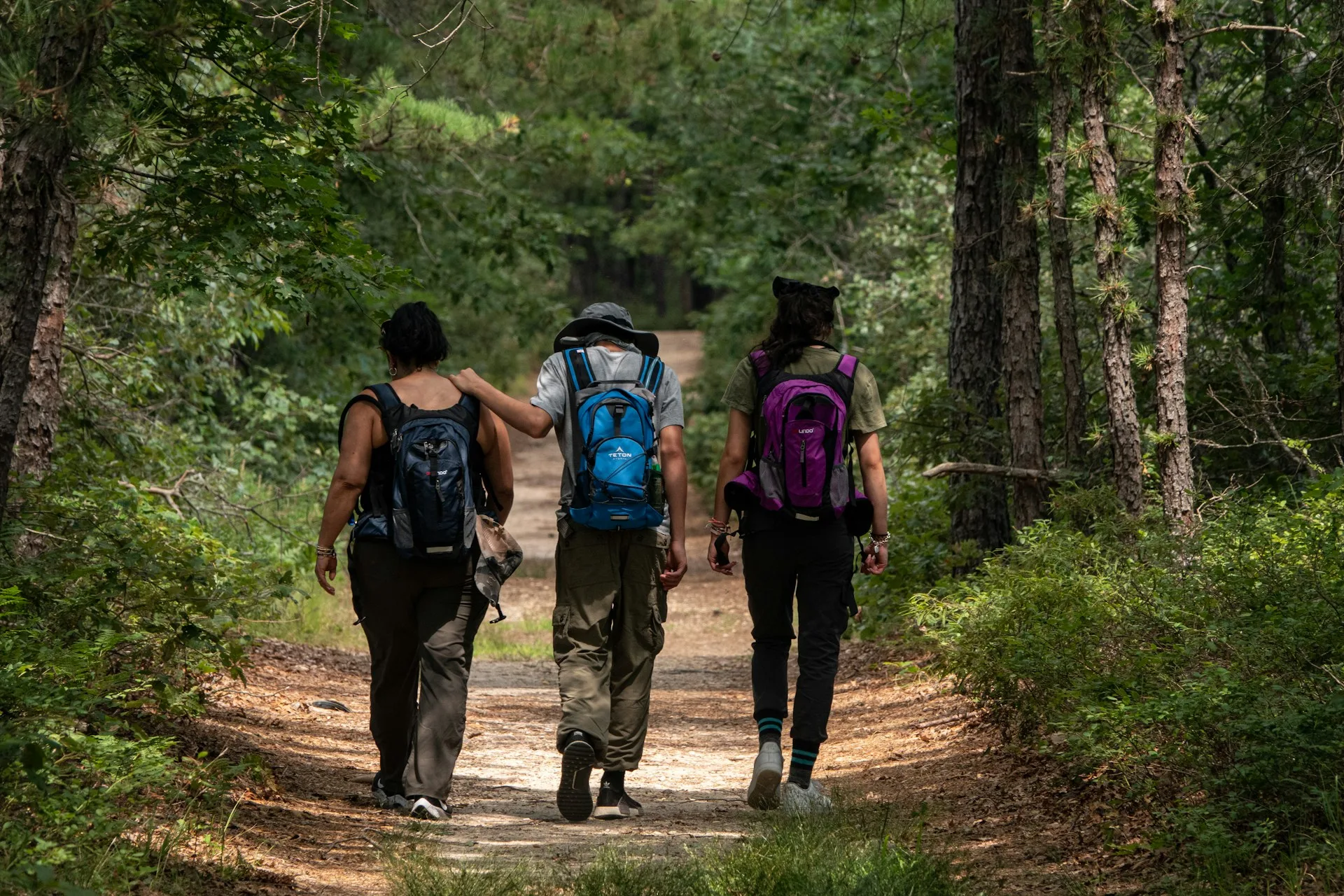
At its core, birding is an exercise in extreme mindfulness. To find a bird, you must be quiet, still, and observant. You must notice the slight rustle of a leaf or the specific pitch of a call. This forced presence is the definition of "being in the moment."
When birding, the "Default Mode Network" of the brain—the part responsible for rumination and worrying about the past or future—tends to quiet down. You aren't thinking about your mortgage while trying to distinguish a Downy Woodpecker from a Hairy Woodpecker; you are entirely in the now.
The "Species Diversity" Correlation
Interestingly, the mental health benefits actually increase with the diversity of the birds present. A study across Europe found that people were happiest in areas with the highest number of different bird species. This suggests that our brains are finely tuned to the health of the ecosystem. A diverse avian population is a sign of a thriving environment, and humans, as biological creatures, feel a subconscious sense of security in a thriving habitat.
Conclusion: Hanging the Prescription
As we look toward the future of healthcare, "Green Prescriptions"—doctors advising patients to spend time in parks or gardens—are becoming more common. Within that movement, birding stands out as an accessible, low-cost, and high-reward activity.
Whether you are scanning a distant horizon for a rare hawk or simply watching a sparrow splash in a birdbath, you are engaging in a restorative practice that is millions of years old. The birds aren't just part of the scenery; they are active participants in our emotional resilience. Perhaps the best thing we can do for our mental health today isn't to look inward, but to look up.
