
Every year, millions of birds in the United States face hazards ranging from window strikes and cat attacks to dehydration and avian diseases. For a bird lover, few things are more distressing than finding a feathered creature huddled on the sidewalk or fluttering helplessly in the grass. However, the line between "helping" and "harming" is thin. Knowing the proper protocols—and when to keep your hands off—is essential for the survival of the bird.
To Intervene or Not to Intervene?
The first and most important rule of bird rescue is to determine if the bird actually needs help. This is particularly critical during the spring and summer months, which is fledgling season.
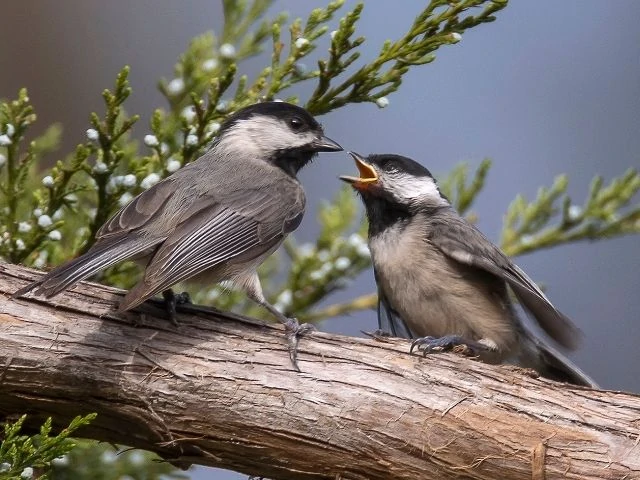
Fledglings: These are adolescent birds that have left the nest but cannot yet fly well. They often have short tail feathers and may look "clumsy." If a bird is bright-eyed, hopping, and has feathers, it is likely a fledgling. Do not intervene. Their parents are almost certainly nearby, watching and feeding them.

Precocial Chicks Nestlings: These are tiny, often featherless or downy birds that have fallen from the nest. If you can find the nest, it is a myth that "human scent" will cause the parents to reject them. Simply pick the bird up and put it back.
When to Act: If the bird is shivering, has a visible wound, has been in a cat's mouth, is unable to stand, or has a drooping wing, it requires human assistance.

The Rescue Protocol: Safe Capture and Transport
If you have determined the bird is in distress, your goal is to minimize its stress while ensuring your own safety. Birds are high-metabolism animals; fear can literally cause their hearts to stop.
1. Prepare Your "Rescue Kit"
You don't need professional gear. A cardboard box with air holes poked from the inside out (to avoid sharp edges) and a soft cloth or paper towel at the bottom is perfect. Avoid wire cages, as birds can damage their feathers against the bars.
2. The Capture
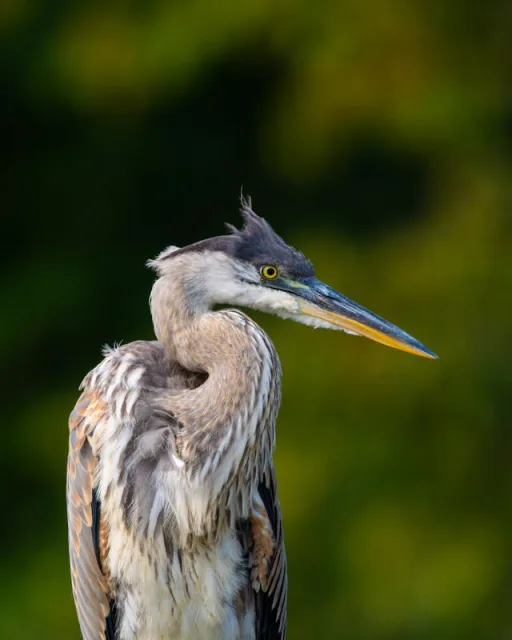
Approach the bird quietly. If possible, wear gloves (especially for raptors or large-billed birds like herons). Use a light towel or t-shirt to drop over the bird. This obscures its vision and calms it down. Once the bird is "hooded" by the cloth, gently scoop it up and place it in the box.
3. The "Golden Rule" of Care
Do not give the bird food or water. This is the most common mistake made by well-meaning rescuers.
An injured bird is often in shock; forcing water into its beak can cause it to aspirate (inhale liquid into its lungs), leading to pneumonia or drowning.
Birds have highly specific diets; feeding a grain-eater worms or a meat-eater bread can be fatal.
Keep the box in a warm, dark, and quiet place. Do not peek at the bird, and do not let children or pets near it.
Navigating the Legal and Professional Landscape
In the United States, most birds are protected under the Migratory Bird Treaty Act. It is technically illegal for a private citizen to keep a wild bird for more than the time it takes to transport it to a licensed facility.
Finding a Wildlife Rehabilitator
You are a "transporter," not a "doctor." To find a professional who can provide medical care:
Animal Help Now (ahnow.org): This is the most comprehensive resource in the U.S. You can enter your zip code to find the nearest licensed avian rehabilitator.
State Wildlife Agencies: Your state’s Department of Natural Resources (DNR) or Fish and Wildlife Service usually maintains a directory of licensed rehabbers.
Local Veterinarians: While most vets focus on domestic pets, many have the contact info for local wildlife experts.
Addressing Common Scenarios
Window Strikes
If a bird hits a window and is stunned, it often has a concussion. Place it in a box in a quiet spot for 30–60 minutes. If it recovers, you will hear it fluttering against the cardboard; at that point, take the box outside and let it fly away. If it hasn't recovered in an hour, it needs a rehabber.
Cat Attacks
Even if a bird looks "fine" after being caught by a cat, it is likely in grave danger. Cat saliva contains Pasteurella bacteria, which is lethal to birds. Any bird that has been in a cat's mouth needs immediate antibiotics from a professional.
Disease (The "Sick" Bird)
If you see a bird at your feeder that looks "puffy," lethargic, or has crusty eyes (common in House Finch Conjunctivitis), it is sick. In this case, your best move is to take down your feeders and clean them with a 10% bleach solution. Leaving feeders up during a disease outbreak creates a "super-spreader" event.
The Power of Prevention
While rescue is noble, prevention is more effective. You can reduce the number of injured birds in your neighborhood by:
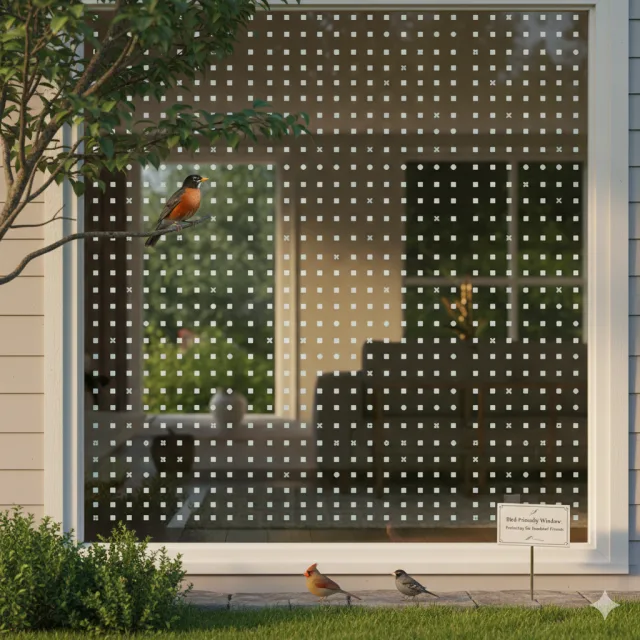
Applying window decals or Zen Wind Curtains to prevent strikes.

Keeping cats indoors, especially during fledgling season.
Cleaning bird baths every few days to prevent the spread of Trichomoniasis.
Being a guardian for our avian neighbors requires a balance of compassion and restraint. By following these steps, you give a "lost" bird its best chance at returning to the sky.
