

Minnesota is affectionately known as the "Land of 10,000 Lakes," but in the deep freeze of winter, its northern reaches transform into a landscape earning a far more fitting nickname among birders: "The Arctic Riviera." This is the Sax-Zim Bog, a sprawling, 300 square-mile area northwest of Duluth that becomes, without question, the premier destination in the Lower 48 states for finding the most sought-after boreal and Arctic bird species, chief among them the magnificent northern owls.
The Unique Geography of the Bog
The Sax-Zim Bog is not a single, monolithic wetland but a "magic mix" of habitats that owe their unique structure to the last glacial retreat over 10,000 years ago. Its diverse topography encompasses:
Black Spruce and Tamarack Bogs: These dense, forested peatlands are the preferred nesting and roosting sites for true boreal specialists.
Aspen and Birch Uplands: Higher, drier forests that provide refuge and food for various woodpeckers and finches.
Open Meadows and Hay Fields: Leftover from failed attempts at agriculture in the early 1900s, these open areas are crucial for hunting. They are filled with meadow voles, the primary prey for wintering owls and raptors.
This unique combination of open hunting grounds adjacent to dense, undisturbed bog forest is what makes Sax-Zim so critical. It provides the Great Gray Owl, for instance, with the large tracts of bog they require for nesting and roosting, coupled with the open fields they need to efficiently hunt.

The Reign of the Raptors: A Winter Owl Wonderland
While the Bog hosts over 240 species throughout the year, winter (mid-December through early March) is when the region truly comes alive, becoming a magnet for species that have migrated south from the Canadian taiga. The biggest draw is, of course, the owls.
1. The Majestic Great Gray Owl
The Great Gray Owl is the undisputed star of the Sax-Zim Bog. As the largest owl in North America by length, its imposing size and cryptic, gray-mottled plumage make it a spectacular sight against the snow. While they breed here year-round, their presence becomes more obvious in winter when they are forced to hunt more often in the open meadows to find voles. During irruption years—when prey species crash farther north in Canada—hundreds of these owls may descend upon the Bog, as happened famously during the winter of 2004-2005.
2. The Fierce Northern Hawk Owl

Unlike most of its nocturnal cousins, the Northern Hawk Owl is diurnal (active during the day), making it a favorite among photographers. With its striking hawk-like profile and long tail, this owl often perches prominently atop isolated snags or tall spruce trees along the roadside, scanning the fields for prey. The Bog is one of the few places in the lower 48 states where the Northern Hawk Owl regularly breeds.
3. The Elusive Boreal Owl

The Boreal Owl is the most difficult of the trio to locate. Small and strictly nocturnal, it typically remains hidden in the dense forest during the day. However, it becomes most conspicuous during the coldest month, February, when food stress compels it to hunt earlier or later in the day, increasing the lucky birder’s chance of a sighting.
Other raptors, such as the Rough-legged Hawk and the predatory Northern Shrike, also migrate south from the Arctic to hunt over the Bog's open fields, adding to the predatory drama of the winter landscape.
From Novelty to Nuisance: The Unstoppable Rise of the House Sparrow in America
More Than Just Owls: Boreal Specialties
The winter spectacle in Sax-Zim extends well beyond the owls. The ecosystem supports a host of other highly sought-after boreal specialties—species that rely on the spruce and tamarack trees and the supplemental feeders maintained by the local conservation group, the Friends of Sax-Zim Bog (FOSZB).
Boreal Chickadee: A northern relative of the familiar Black-capped Chickadee, distinguished by its brown cap and sides. It is a true indicator species of the intact boreal forest.

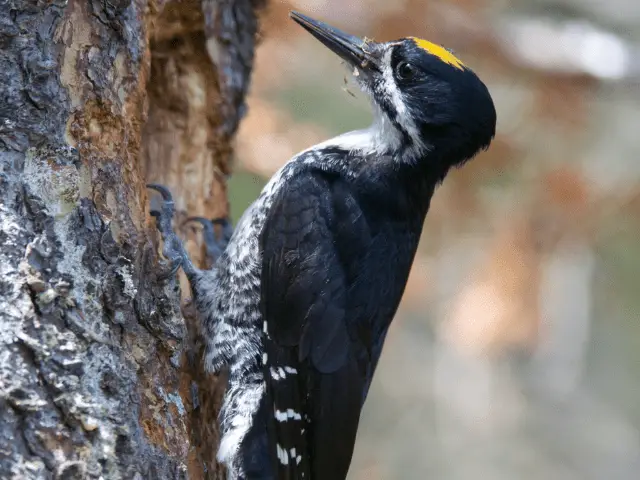
Boreal Chickadee Black-backed Woodpecker: This striking woodpecker thrives in the dead or dying spruce and tamarack, often focusing on beetle-infested wood. It's a year-round resident but highly visible in winter.

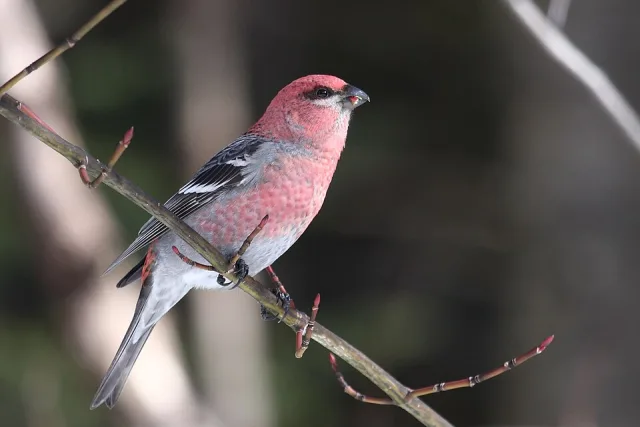
Black-backed Woodpecker Winter Finches: Visitors often find "irruptive" flocks of beautiful finches that move south in search of food. These can include the brick-red males of the Pine Grosbeak, the striking yellow-and-brown Evening Grosbeak, and the highly sought Hoary Redpoll mixed among flocks of the more common Common Redpoll.
Pine Grosbeak Canada Jay (formerly Gray Jay): Known as the "camp robber" for its fearless approach to human activity, this curious and intelligent bird is a delightful, year-round resident.


Planning Your Winter Trip
Visiting the Sax-Zim Bog requires preparation for true northern cold, with temperatures often plunging far below zero. The best time to visit is typically mid-December through February.
Logistics: The FOSZB maintains a Welcome Center in Meadowlands, MN, open through the winter, which provides invaluable resources, including maps, recent bird sighting information, and local knowledge.
Best Practices: Birding in the Bog is predominantly done by car along a network of accessible, well-maintained county roads. Visitors are strongly advised to drive slowly, pull completely over when stopping, and practice ethical birding by respecting private property and minimizing disturbance to the wildlife, especially the sensitive, energy-stressed owls.
For the intrepid birder willing to embrace the cold, the Sax-Zim Bog offers an unmatched opportunity to connect with the wild heart of the North American boreal forest and witness the winter majesty of its most spectacular resident: the Great Gray Owl.
This video provides footage of a birding day in the Sax-Zim Bog, featuring multiple owl species like the Northern Hawk Owl and Great Gray Owl, along with other northern specialties. Three Owls, a Marten, and Steve the Shrike-Sax-Zim Bog Birders' Day-Virtually Live 42 S4E7

