

The House Sparrow (Passer domesticus) is arguably the most common, yet least loved, bird in the United States. Flitting about fast-food parking lots, hopping beneath outdoor café tables, and nesting in every conceivable nook and cranny of our buildings, this small, brown-and-gray bird is a ubiquitous part of the American urban and agricultural landscape.
However, the House Sparrow is not native to the Americas. Its remarkable success story is a tale of deliberate human introduction, ecological opportunism, and a subsequent, spectacular population boom that led to one of the most curious and dramatic examples of avian blowback in U.S. history: a nationwide bounty on its head. The sparrow's journey from a nostalgic immigrant to an invasive species is a compelling chapter in American environmental history.
A Bird of Nostalgia: The Initial Introduction (1850s)
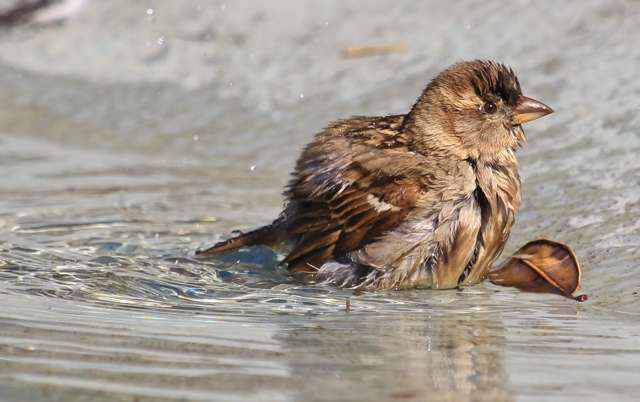
The arrival of the House Sparrow in the U.S. was driven by a mixture of romanticism and misplaced entomological hope.
The Quest for Pest Control
In the mid-19th century, American cities, particularly New York, were facing a significant problem with insects, specifically cankerworms that defoliated the shade trees lining urban streets. Scientists and city officials, aware of the sparrow's insect-eating reputation in Europe, believed this small bird could be the perfect biological solution. They looked to the bird as a natural ally against urban pests.
The first documented successful introduction occurred in 1851 when eight pairs of House Sparrows were released in Brooklyn, New York, specifically at Green-Wood Cemetery and near the present-day Brooklyn Museum. This initial group struggled, but further, larger, and more widespread releases soon followed.
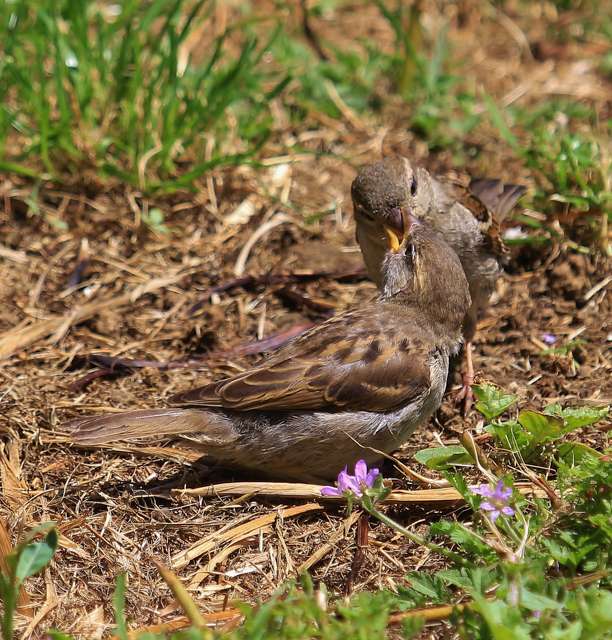
The Role of European Immigrants
The motivation wasn't purely scientific; it was also cultural. The mid-19th century saw massive waves of European immigration, particularly from the British Isles and Germany. For these immigrants, the House Sparrow was a familiar, comforting sight and sound of "home." They saw the bird as a charming piece of their cultural heritage, and many actively participated in its introduction and spread, seeing it as a symbol of their new settlements.
From the 1850s through the 1870s, subsequent introduction efforts were conducted in numerous cities, including Boston, Philadelphia, Chicago, St. Louis, and Salt Lake City. These releases were highly successful. Unlike many failed introduction attempts, the House Sparrow possessed two key traits that guaranteed its success: extreme adaptability and a strong dependence on human infrastructure.
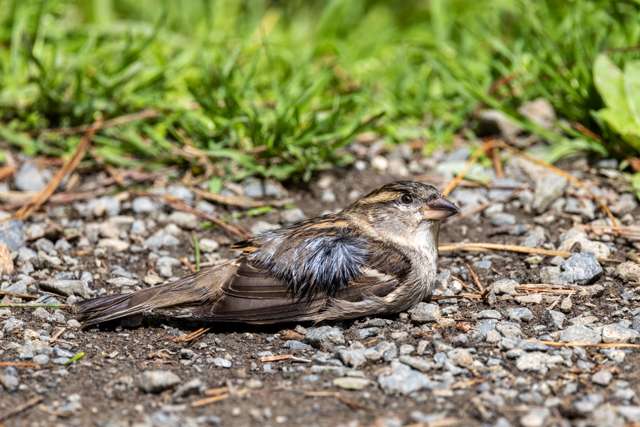
The Era of Explosion: Unchecked Spread (1870s – 1900s)
Once established, the House Sparrow experienced a population explosion unmatched by any other avian introduction in U.S. history. By the end of the 19th century, the bird had spread from coast to coast and from Canada to Mexico.
The Horse and Carriage Highway
The primary catalyst for this rapid spread was not its flying ability, but the era of the horse and carriage. Prior to the automobile, cities and towns relied entirely on horse-drawn transportation. This created an endless supply of the sparrow's primary food source: waste grain and seeds found in horse droppings and spillage around stables and feed stores. The entire transportation infrastructure of the U.S. became a continuous, well-provisioned migratory highway for the sparrow.
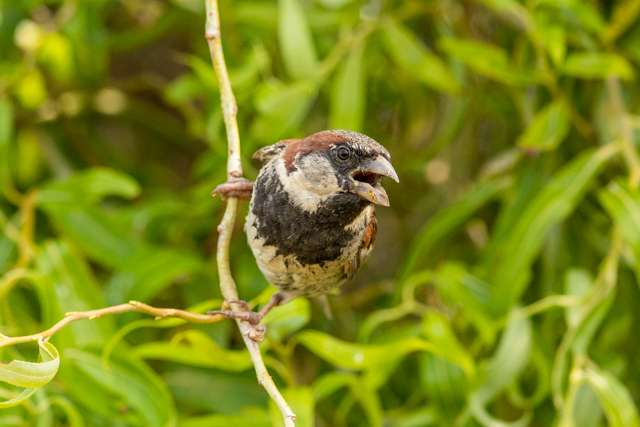
Ecological Niche and Aggression
The sparrow's success was also cemented by its aggressive nesting behavior and its ability to utilize human structures.
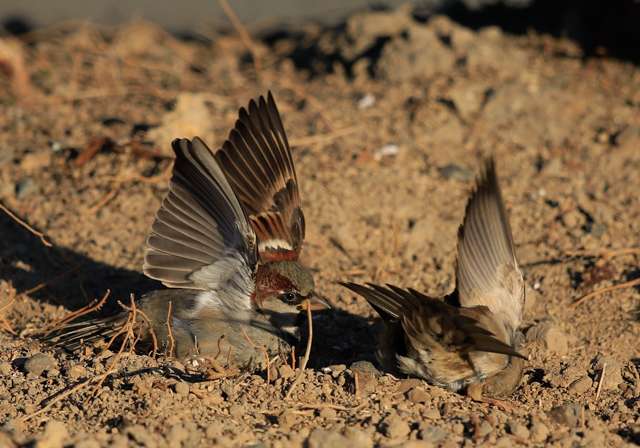
- Nesting: They are highly opportunistic cavity nesters, taking over any suitable hole—under eaves, in vents, behind signs, and in nest boxes. Crucially, they actively and often violently displace native cavity-nesting birds, such as Bluebirds, Tree Swallows, and Purple Martins. They will destroy the eggs and kill the nestlings of native species to secure a prime nesting spot.

- Dietary Flexibility: While initially lauded for eating insects, the sparrow quickly revealed itself to be primarily a granivore—a seed-eater. Its diet is incredibly varied, consuming seeds, grains, garden vegetables, and, critically, livestock feed, making it highly competitive with agricultural interests.
Within just 50 years of its first release, the House Sparrow became one of the most numerous birds in North America, effectively claiming the niche of an urban generalist that no native bird could fill.
The Sparrow Wars: From Hero to Scourge (1880s – 1920s)
As the sparrow population reached plague proportions, the initial adoration quickly turned to widespread hostility. Farmers, gardeners, and ornithologists began to recognize the bird not as a helpful friend, but as an ecological and economic pest.
Economic Damage

The largest complaints came from the agricultural sector. House Sparrows consumed and contaminated massive quantities of stored grain in barns and elevators. They damaged ripening grain fields and fruit crops. Their sheer numbers meant that the cumulative economic loss became substantial, earning them the nickname "feathered rats."
Ornithological Outcry
Native bird enthusiasts and professional ornithologists became the sparrow's fiercest critics. They documented the aggressive displacement and killing of beloved native species, particularly the gentle Eastern Bluebird. Publications and conservation groups began campaigns to warn the public about the sparrow's devastating impact on North American avifauna.
The Great Bounty Era
The solution, for many states and municipalities, was the brute-force tactic of a bounty system.

- State Initiatives: Starting in the late 1880s, states like Michigan, Illinois, and Pennsylvania enacted legislation offering cash rewards for the capture or killing of House Sparrows. The bounty was typically placed on the sparrow's head, or sometimes for its eggs.
- Town Competitions: Localities organized "Sparrow Extermination Societies" and held shooting competitions aimed at culling the population. It was common for cities to pay a bounty of a few cents per bird, a significant amount at the time, leading to mass culling efforts.
- Federal Concern: The issue became so serious that the U.S. Department of Agriculture (USDA) commissioned detailed studies on the bird's ecology and impact. The 1889 USDA Bulletin No. 1, The English Sparrow in North America, Especially in Its Relations to Agriculture, was an authoritative, 400-page condemnation of the bird, officially recommending methods for its control.
Despite the widespread and often brutal efforts of the bounty era, the programs were largely ineffective. The sparrow's reproductive capacity—producing multiple large broods per year—easily outpaced human culling efforts. The bounty system proved costly and failed to make a lasting dent in the sparrow’s exponential growth.
Adaptation and Permanence (20th Century to Present)
By the early 20th century, the American public, having failed to eradicate the bird, largely accepted its permanence. The House Sparrow, however, faced one final major challenge: the rise of the automobile.
Surviving the Auto Revolution
When cars replaced horses, the sparrow lost its primary food source: grain waste on the streets. This environmental shift should have caused a catastrophic population crash.
Instead, the sparrow adapted. It shifted its focus almost entirely to human waste—seeds dropped from bird feeders, discarded fast-food scraps, grain spillage around processing plants, and the seeds of weedy plants thriving in disturbed urban soil. It reinforced its identity as a commensal species, one whose survival is inextricably linked to human existence.
Today, the House Sparrow population is immense, though it has seen some localized declines in areas due to urbanization and changes in agricultural practices. It remains a ubiquitous example of a highly successful invasive species whose introduction was a spectacular, yet ultimately tragic, failure of 19th-century ecological management. The bounty system is long gone, but the sparrow remains a constant, often overlooked, reminder of the powerful, unpredictable consequences of tampering with nature's balance.
