

South Carolina, the Palmetto State, is a tapestry of varied landscapes—from the Appalachian foothills to the vast maritime forests and marshy coastline. This rich ecological diversity creates a haven for an incredible array of avian life. Birdwatching here is a year-round delight, showcasing a resident population, a massive influx of migrants, and the occasional, thrilling appearance of a genuine rarity. Whether in a suburban backyard or a secluded coastal refuge, the state's birdlife is vibrant, vital, and captivating.
The Common Residents: Year-Round Staples
The everyday soundtrack of South Carolina is composed by its abundant year-round resident birds. These are the species that have adapted to thrive in the state’s climate throughout all four seasons, providing consistent color and song for observers.
Northern Cardinal
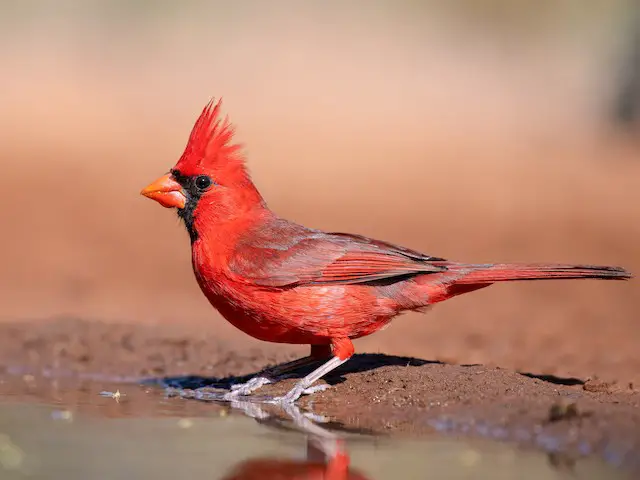
Perhaps the most iconic resident is the Northern Cardinal (), whose brilliant red plumage and cheerful, whistled song are instantly recognizable. They are constant visitors to backyard feeders, providing a splash of color even against a winter backdrop.
Carolina Wren

Closely following in popularity is the Carolina Wren (), a small bird with a disproportionately loud, rolling, and emphatic song that fills the air. It's often heard before it's seen, flitting through dense shrubbery with its tail cocked upward.
Carolina Chickadee and Tufted Titmouse

In the state's forests and yards, the inquisitive Carolina Chickadee () and the crested Tufted Titmouse () are common sights, often seen foraging together in mixed flocks.

Brown Pelican
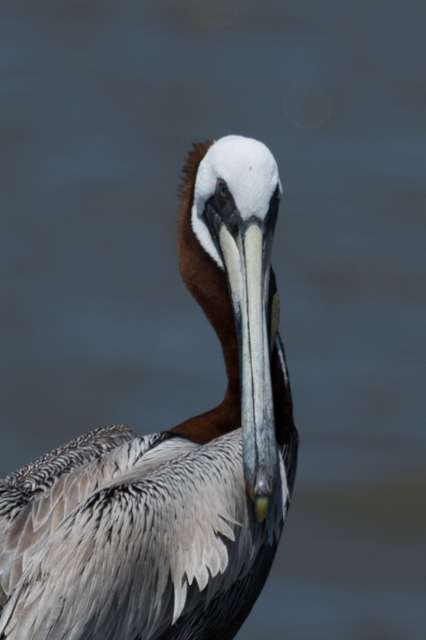
The coastal regions boast their own iconic common residents, most notably the majestic Brown Pelican (). These large seabirds are a fixture of the low-country skyline, often seen gliding just above the waves or plunging dramatically for fish.
Willet

Along the sandy shores, the Willet (), a large sandpiper with striking black-and-white wing patches in flight, nests and forages in the tidal flats.
Blue Jay and Northern Mockingbird
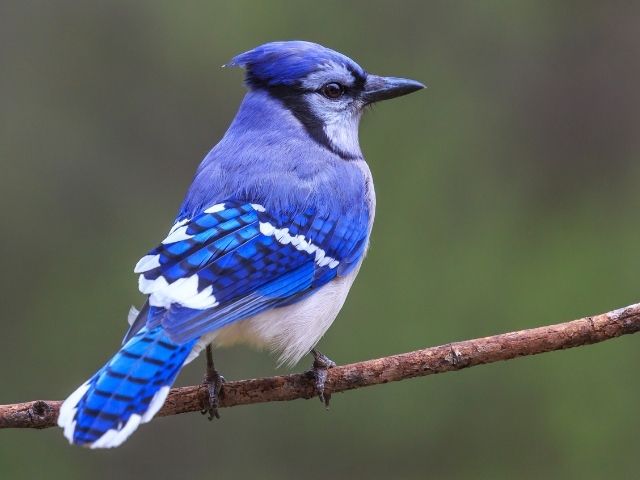
In the pinelands of the coastal plain, the striking blue-and-black Blue Jay () and the melodious Northern Mockingbird (), famous for its complex song repertoire, round out the list of common, everyday species that define South Carolina’s resident avifauna.

The Migratory Throng: Seasonal Travelers
South Carolina lies strategically within the Atlantic Flyway, one of North America's primary migratory routes. This location makes the state a crucial stopover point, wintering ground, and nesting area for countless birds traveling between their breeding grounds in the north and their non-breeding grounds in the south.
Spring and Fall Migration
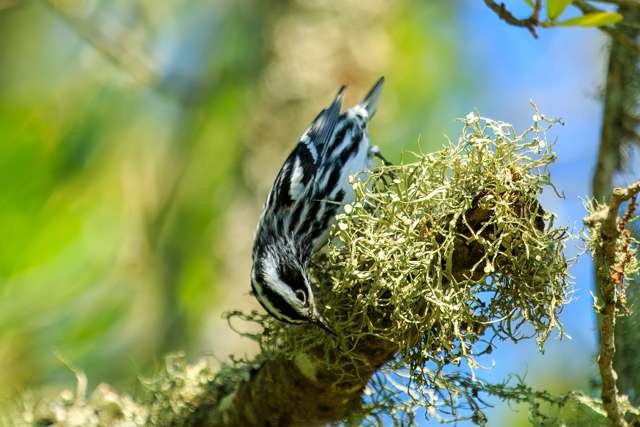
The spring and fall months bring a spectacular array of neotropical migrants through the state. Wood Warblers (), famed for their vibrant colors and diverse songs, are a major highlight. Species like the bright yellow Northern Parula (), the skulking Worm-eating Warbler (), and the distinctive Black-and-White Warbler () pass through, utilizing the state's forests for rest and refueling.
One particularly striking species is the Painted Bunting (), often called the "nonpareil" (without equal) for the male's electric blue head, red rump, and green back. While some breed in the coastal lowlands, many pass through on their way to more northerly breeding sites.

Winter Residents
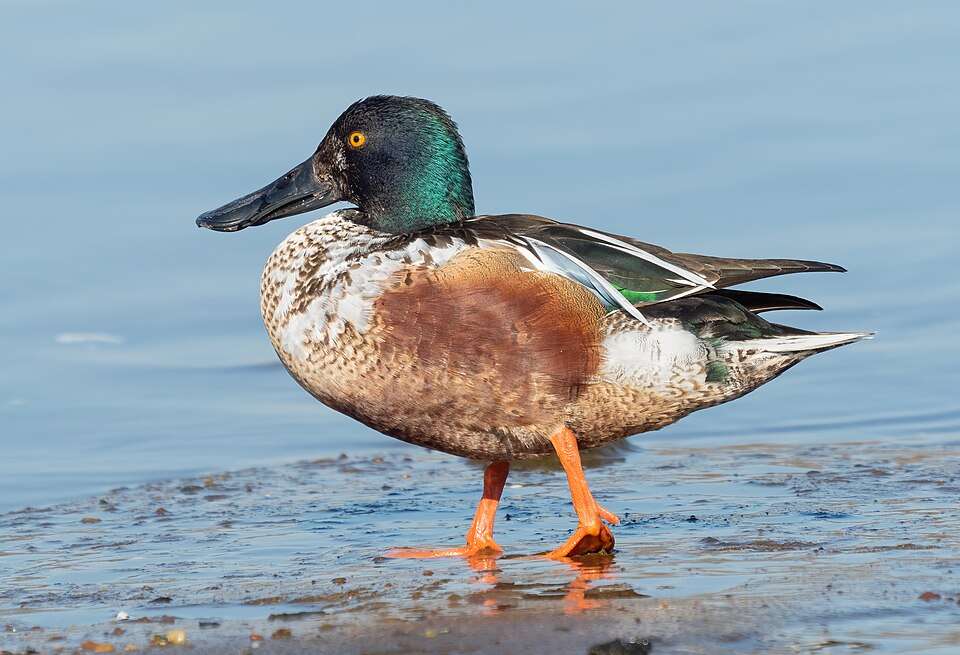
As the seasons change, northern breeders arrive to spend the cooler months in South Carolina’s mild climate. The coastal wetlands and impoundments become filled with waterfowl . Northern Shovelers (), Ring-necked Ducks (), and various species of diving and dabbling ducks are common sights.
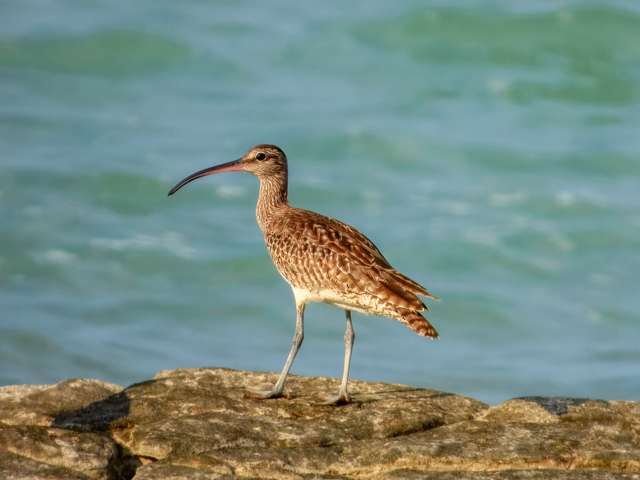
The beaches and mudflats see a massive influx of shorebirds (). The Red Knot (), a federally protected species famous for its incredibly long-distance migration from the Arctic to South America, utilizes the South Carolina coast as a crucial stopover, along with Dunlins () and Sanderlings (). The enigmatic Whimbrel (), a large, long-billed shorebird, also stages on the coastal islands, with tens of thousands congregating at sites like Deveaux Bank during their migration.
The Rare and Elusive: Chance Encounters
The rare bird species in South Carolina are those whose presence is either extremely localized, highly threatened, or the result of a vagrant, off-course migration.
Highly Localized and Imperiled Species
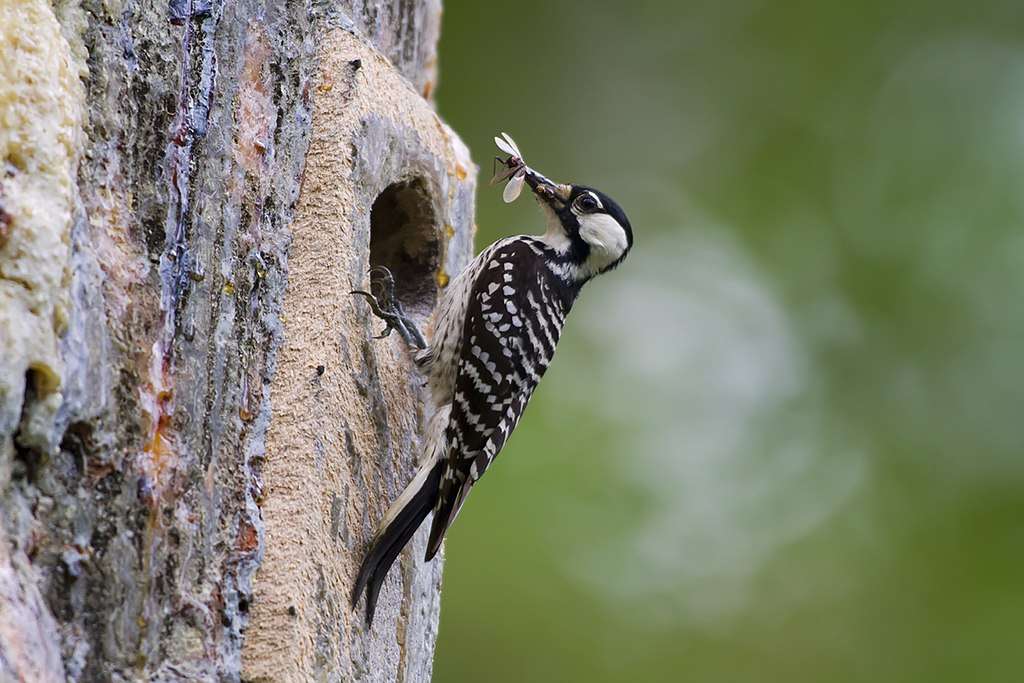
Some of the rarest breeding birds in the state are those with specific, threatened habitat requirements. The Red-cockaded Woodpecker () is a federally endangered species that relies entirely on old-growth, fire-managed longleaf pine forests for nesting. Its habitat is severely fragmented, making sightings localized to protected areas like the Francis Marion National Forest.
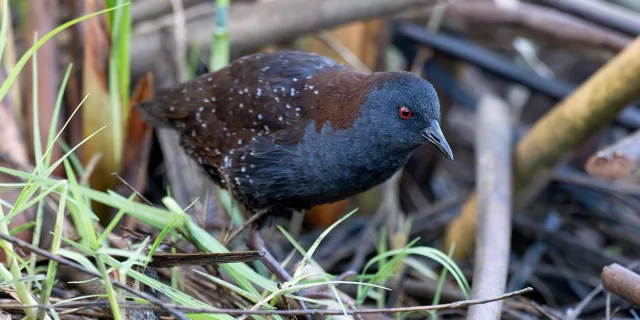
In the coastal marshes, the tiny, secretive Black Rail () is a highest-priority conservation species, federally listed as threatened. This marsh bird rarely flies, spending its life hidden among the thick grasses, making it one of the most difficult birds in North America to spot. Its presence is often only confirmed by its distinctive call.
The stunning Swallow-tailed Kite () is a rare and localized summer resident, breeding primarily in the forested wetlands of the coastal plain. Its graceful, deeply forked tail and elegant flight make it an unforgettable, though infrequent, sighting.

Vagrants and Accidental Visitors
The true excitement in rare birding comes from the vagrants—birds blown off course or extending their range unpredictably. South Carolina's position allows for occasional sightings of species normally found much further south or west.

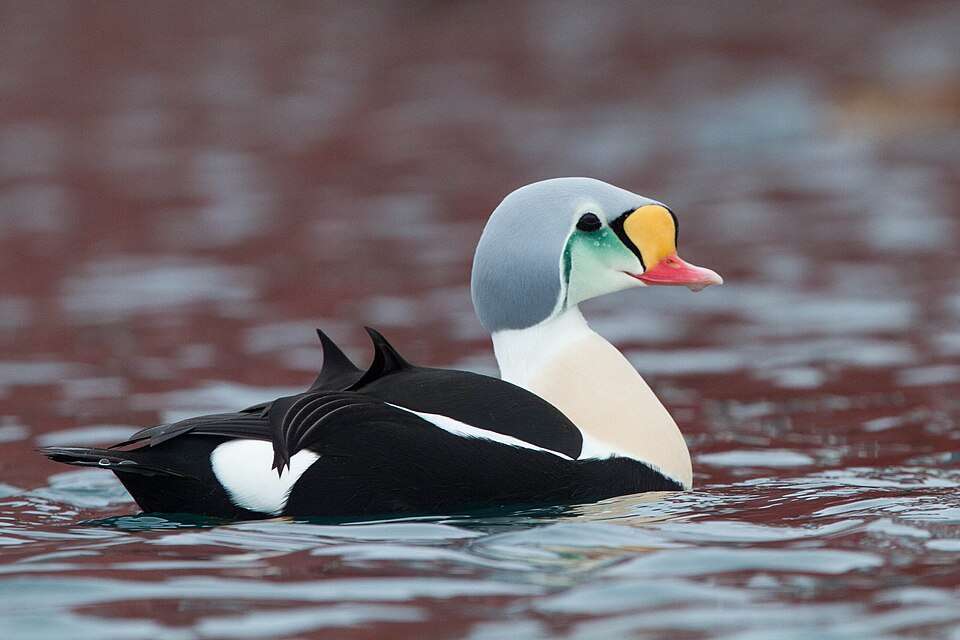
The Roseate Spoonbill (), with its unmistakable pink plumage and spatulate bill, is a species slowly expanding its range northward from Florida, making it a "newcomer" that is becoming less rare but still a sought-after sight. On the other hand, the sighting of an extremely rare bird like a White Wagtail (), an Old World species occasionally found in the state, sparks a genuine sensation among the birding community. Other accidental visitors have included species like the King Eider () and various Western hummingbirds, driven east by strong weather systems or navigational errors. These unexpected guests serve as a reminder of the dynamic, sometimes unpredictable, nature of avian migration and the constant possibility of a thrilling new discovery.
A State of Conservation
The common, migratory, and rare birds of South Carolina are not just beautiful; they are integral to the state’s natural heritage. Their diversity is a testament to the health of its varied ecosystems. The challenges of coastal development, habitat loss, and climate change, however, continue to threaten many species, especially vulnerable coastal nesters like the Least Tern () and the Wilson's Plover (). Through the tireless efforts of local Audubon chapters, the Department of Natural Resources, and dedicated birders, conservation initiatives are working to protect and manage critical habitats, ensuring that the Palmetto State remains a welcoming home and essential flyway for its magnificent birdlife for generations to come.

