
South Dakota, a state defined by the vast prairies of the Great Plains and the unique forests of the Black Hills, is a crucial intersection for North American avian life. Its diverse landscapes—from wetlands, grasslands, and riparian corridors along the Missouri River to the pine-covered peaks of the west—support an impressive array of bird species. Birdwatchers can observe common year-round residents, witness the spectacle of millions of birds migrating along the Central Flyway, and, with luck, spot a rare vagrant far from its typical range.
Here is an exploration of 15 notable bird species, categorized by their status in South Dakota: common, migratory, and rare.
Common Year-Round Residents
These five species are readily observed in South Dakota throughout the year, having adapted to the state's four distinct seasons, including harsh winters.
1. Ring-necked Pheasant (Phasianus colchicus)
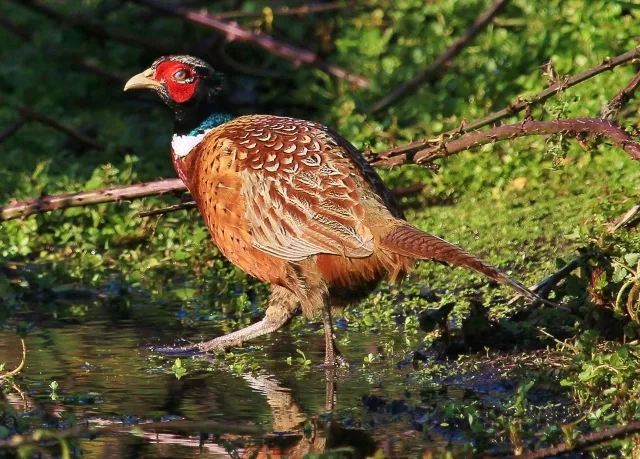
As the state bird, the Ring-necked Pheasant is perhaps South Dakota's most recognizable species. Though an introduced game bird, it thrives in the state's mix of agricultural fields and dense grasses. Males are instantly identifiable by their iridescent plumage, red facial wattles, and, of course, the distinctive white neck ring. They are most often seen foraging on the ground or exploding from cover in a burst of noisy flight.
2. Black-capped Chickadee (Poecile atricapillus)
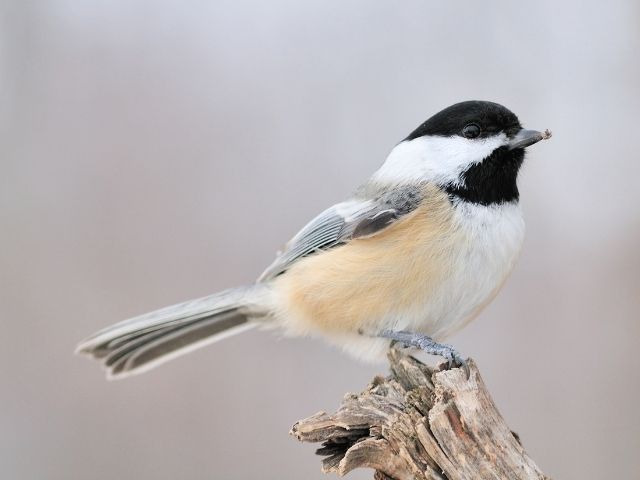
A tiny, energetic songbird, the Black-capped Chickadee is a familiar sight at backyard feeders and in wooded areas. Named for its black cap and bib contrasting with white cheeks and a grey body, this bird is known for its remarkable ability to cache thousands of food items. Its cheerful "chick-a-dee-dee-dee" call brightens even the coldest winter days.
3. Horned Lark (Eremophila alpestris)

The Horned Lark is a true bird of the prairie, preferring wide-open fields and sparse grasslands. It's often one of the few passerines visible in winter, foraging on the ground for seeds. Named for the small, black "horns" (feathers) on its head, it blends seamlessly into the stubble and dirt, making its ground-nesting habits safe from detection.
4. American Dipper (Cinclus mexicanus)
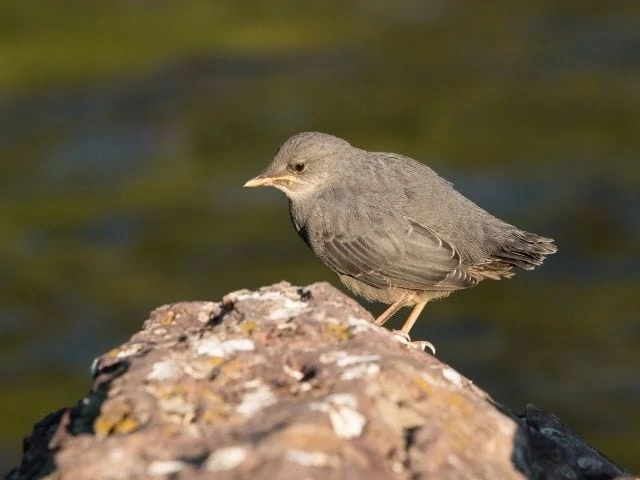
A unique resident of the cold, fast-flowing streams of the Black Hills, the American Dipper is an exceptional sight in South Dakota. This small, slate-grey bird is the only aquatic songbird in North America. It literally "dips" into the water and walks along the bottom of the stream, searching for aquatic insects, insulated by a dense layer of feathers and protected by special membranes over its nostrils and eyes.
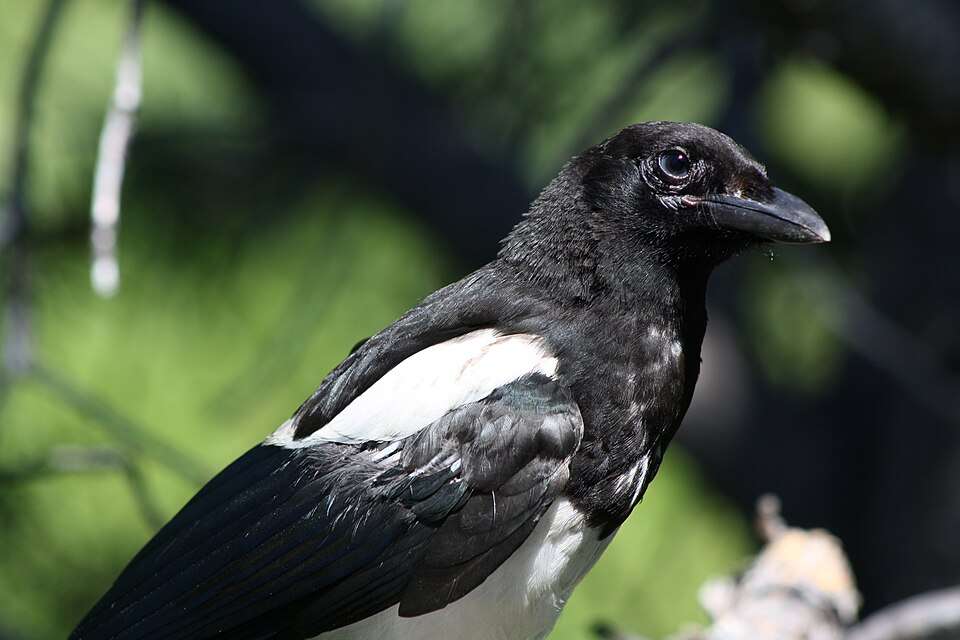
5. Black-billed Magpie (Pica hudsonia)

Found primarily in the western part of the state, the Black-billed Magpie is a large, striking member of the corvid family (jays, crows, and ravens). Its black and white plumage has an exquisite iridescent blue-green sheen visible in good light. Known for their intelligence and omnivorous diet, these birds are common in open woodlands and riparian areas, often building massive, domed nests high in trees.
Spectacular Migratory Visitors
South Dakota lies directly in the Central Flyway, making it a vital stopover and breeding ground for millions of birds traveling between their northern breeding grounds and southern wintering areas.
6. Sandhill Crane (Antigone canadensis)

Every spring and fall, the skies over central South Dakota fill with the guttural, rattling calls of thousands of Sandhill Cranes. These tall, grey birds with a striking red forehead are annual migrants, stopping at wetlands and agricultural fields to rest and refuel. Their impressive flight formations are a true spectacle of the changing seasons.
Unlocking the Incredible Sight Skills of North America's Hawks
7. Franklin's Gull (Leucophaeus pipixcan)
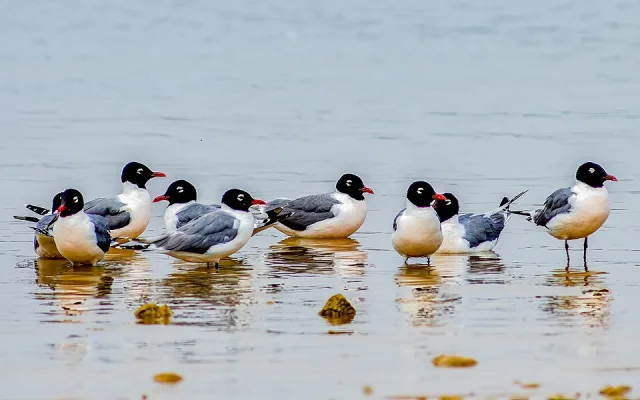
Breeding across the prairie pothole region of the Dakotas, the Franklin's Gull is a gregarious waterbird. During the breeding season, it sports a black hood, making it one of the most handsome gulls. Its migration is one of the longest of any gull, with some birds flying south all the way to the Pacific coast of South America, making its brief summer residency in South Dakota a critical part of its life cycle.
8. Yellow Warbler (Setophaga petechia)
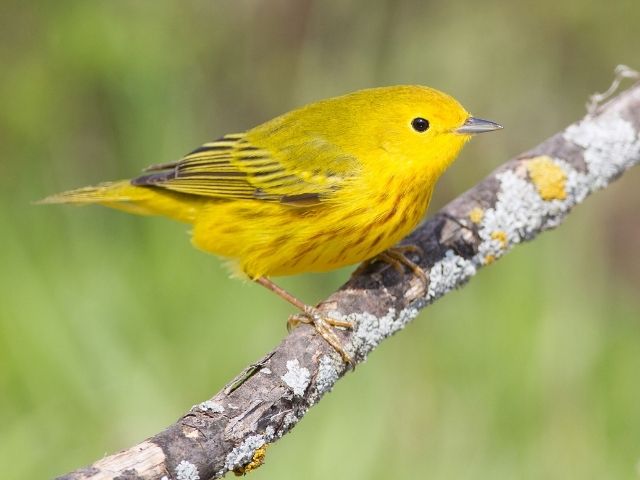
One of the most common and widespread warblers in North America, the bright yellow Yellow Warbler is a welcome sign of spring in South Dakota’s shrublands and riparian thickets. Males are distinguished by faint reddish streaks on their breast. They breed across the state before undertaking a long journey to their wintering grounds in Central and South America.
9. Upland Sandpiper (Bartramia longicauda)
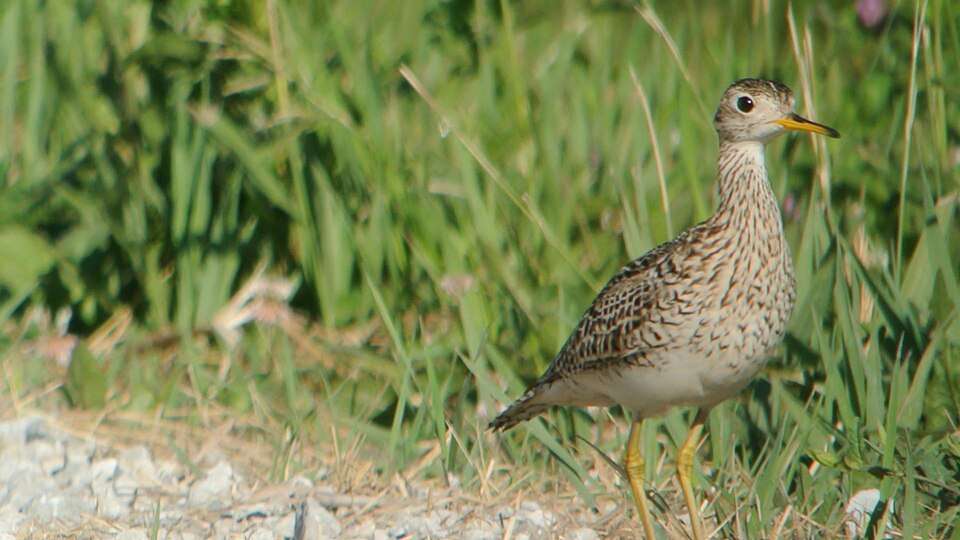
A quintessential bird of the native prairie, the Upland Sandpiper is a slender shorebird with long legs, easily distinguished by its large eyes and small head perched atop a long neck. Its call, a haunting, whistling, two-part song, is one of the iconic sounds of the South Dakota grasslands in summer. This species is an important indicator of healthy prairie habitat, which is crucial as they migrate to winter in South America.
10. Bald Eagle (Haliaeetus leucocephalus)
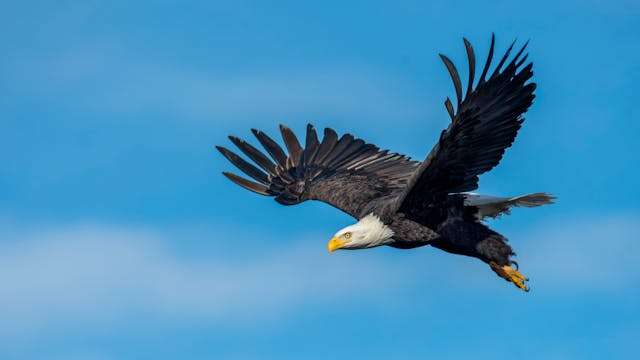
While some Bald Eagles are year-round residents, many more are winter migrants, particularly along the Missouri River. When the larger lakes and reservoirs freeze, the tailwaters below the dams often remain open, creating crucial fishing spots. Dozens of Bald Eagles often congregate here, drawn south from their northern breeding ranges in a magnificent display of raptor power.
Rare and Irregular Vagrants
South Dakota's location means it occasionally receives visitors far outside their typical range. These rare birds offer an exciting challenge for dedicated birders.
11. Whooping Crane (Grus americana)
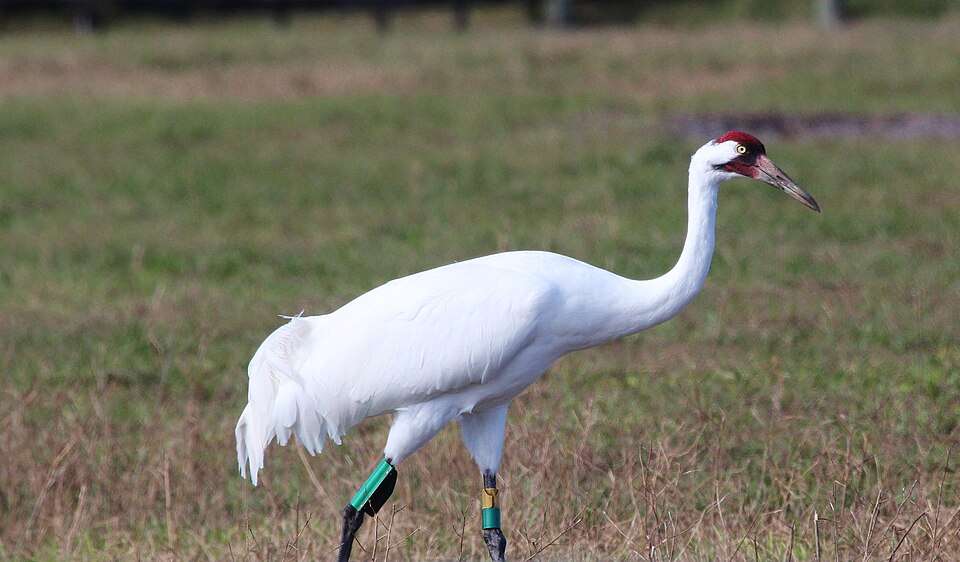
The Whooping Crane is one of North America’s most endangered birds. While its primary migratory path lies west of South Dakota, rare sightings of individual birds or small groups occur annually, usually intermixed with large flocks of Sandhill Cranes. A sighting of this massive, elegant white bird is a major event, underscoring the conservation importance of the Central Flyway.
12. Magnificent Frigatebird (Fregata magnificens)

The Magnificent Frigatebird is an extremely rare and accidental visitor to South Dakota. This large seabird, with its deeply forked tail, long pointed wings, and black plumage, is almost exclusively a tropical coastal species. Inland sightings are typically the result of birds being blown hundreds of miles off course by major storm systems, offering a fleeting, unbelievable glimpse of a true ocean wanderer over the landlocked prairie.
13. Gyrfalcon (Falco rusticolus)
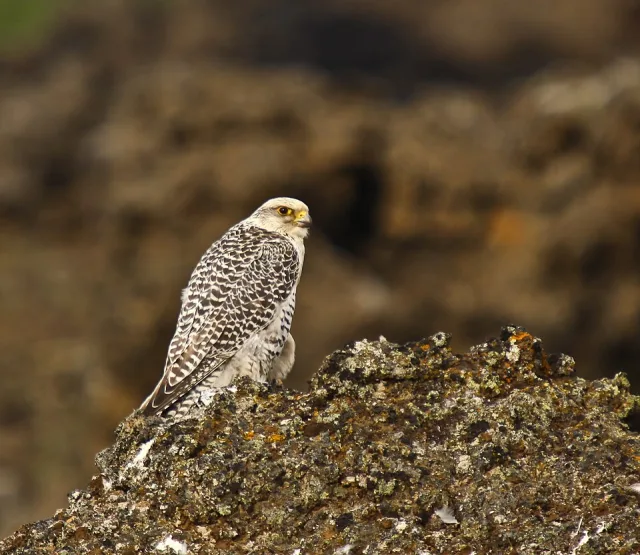
The Gyrfalcon is the largest and most powerful of the falcons, breeding in the far Arctic. During severe winters with limited prey, a few of these magnificent raptors venture south into the northern Great Plains, including South Dakota. Primarily a winter visitor, spotting a Gyrfalcon is highly prized by birders due to their rarity and their remote breeding range.
14. Black-legged Kittiwake (Rissa tridactyla)
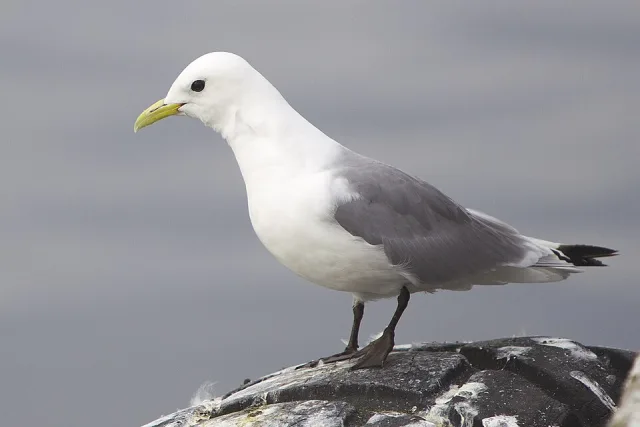
Another surprising seabird on this list, the Black-legged Kittiwake is an ocean-going gull rarely seen away from coastlines. However, occasional individuals, particularly juveniles, get blown inland or stray during migration and are sometimes found on the large Missouri River reservoirs, such as Lake Oahe, particularly in the late fall or early winter, far from the nearest ocean.
15. Varied Thrush (Ixoreus naevius)
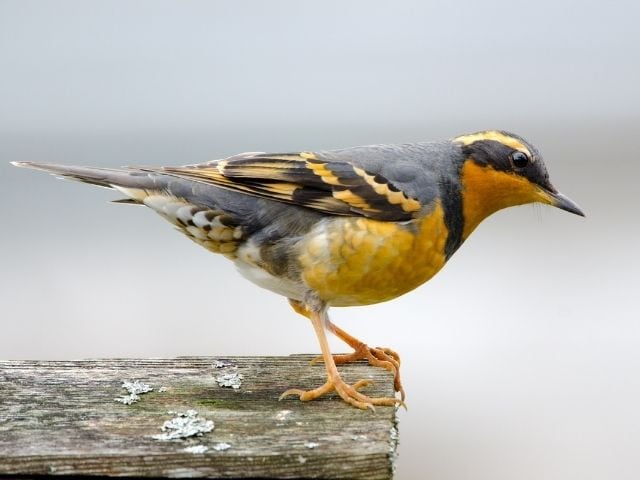
The Varied Thrush is a stunning thrush of the Pacific Northwest and Rocky Mountain forests. While common in its native range, it is an irregular and rare winter visitor to South Dakota. Its presence is often tied to an unusual fall migration known as a vagrancy event. Its orange, black-striped breast and clear, ethereal, two-tone whistles make it a beautiful, though unexpected, addition to the state’s winter avifauna.
A Landscape of Avian Wonder
South Dakota’s avian population is a reflection of its unique geography, sitting at the transition zone between eastern forests and western prairies. From the year-round resilience of the Ring-necked Pheasant and Black-capped Chickadee to the spectacular migratory journey of the Sandhill Crane and the tantalizing rarity of the Whooping Crane or a lost seabird, the state provides a dynamic and rewarding experience for anyone looking to the sky. Protecting the diverse habitats across the state—especially its native grasslands and vital prairie potholes—remains critical to ensuring this incredible spectrum of winged life continues to thrive for generations to come.
Birds of Rhode Island: the Rare, Common and Migrants of the Ocean State
