
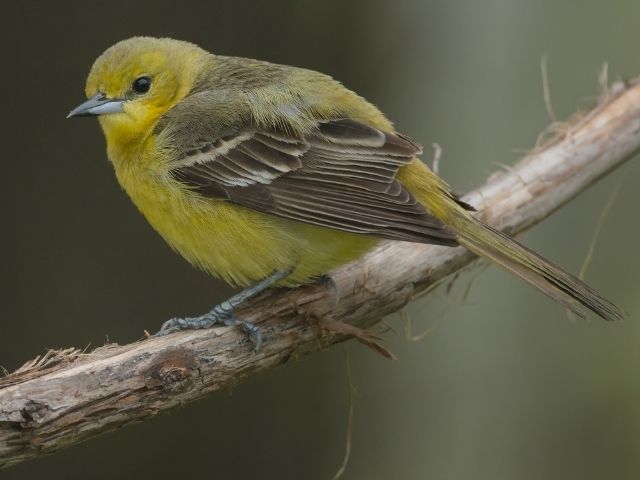
For generations, the narrative of avian biology has been dominated by the dazzling male. The scarlet flash of the Northern Cardinal, the brilliant song of the American Robin, the complex display of the male Peacock—these are the textbook examples of sexual selection. Females, conversely, are often described simply as "duller," "brown," or "cryptic," their primary role reduced to incubation and brood care.
This male-centric view, however, misses a vast, vibrant, and complex half of the avian world. Recent research in ornithology, much of it conducted in the U.S., is revealing that female birds are not passive recipients of male attention but are active, complex players in evolution. They exhibit surprising flashes of color, engage in complex social behavior, and, in many species, sing as frequently and beautifully as their male counterparts. Shifting our focus to the feathered female reveals a more nuanced, scientifically richer tapestry of avian life.
Beyond Brown: Female Color and Cryptic Beauty
The prevailing assumption that female birds are uniformly dull for camouflage is true for many species where the female alone incubates the nest (e.g., most ducks and many warblers). However, this generalization obscures the stunning beauty and complex signaling often present in female plumage.
1. Cryptic Color is a Survival Strategy
In species where males are brightly colored, the female’s camouflage is an active, life-saving adaptation. She is a master of disguise, and her muted tones are an evolutionary achievement. For instance, the female Mallard duck is a mosaic of browns and tans, perfectly blending into the shoreline reeds and grass, ensuring that her clutch of eggs is safe while the male's striking green head draws attention elsewhere. Her success is measured not in how much she attracts, but in how well she disappears.

2. The Color-Coded Female
In several species, the female is not dull but simply uses a different color palette than the male, often with its own function.
- Northern Cardinal: While the male is brilliant red, the female is a rich, warm brown with strategic splashes of red on her crest, wings, and tail. These red highlights signal her health and breeding condition to the male while she remains largely camouflaged in the nest.

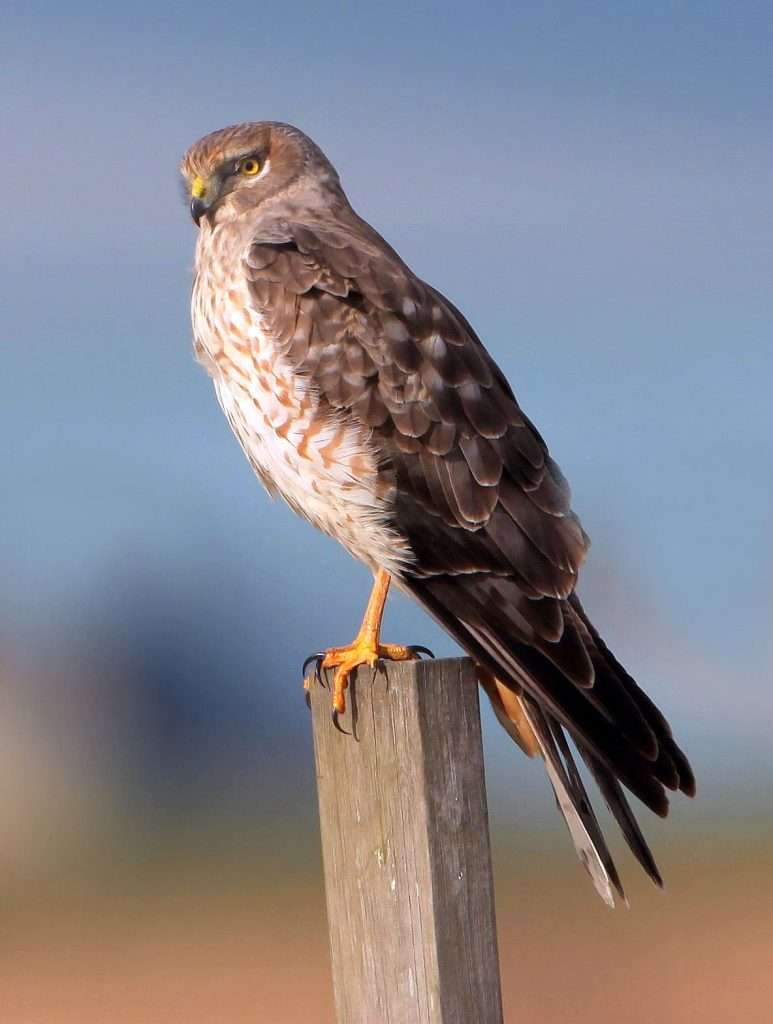
- Northern Harrier: This is one of the few raptors where the female is visually distinct from the male. The female is heavily streaked with brown, while the male is a pale gray. Her larger size and unique coloration may signal dominance or reproductive status within their territory.
3. Role Reversal: Females in the Spotlight
In a fascinating number of species, the traditional color roles are completely reversed. In these instances, it is the female who is the brighter, more aggressive sex.
- Phalaropes (Wilsons' and Red): In these shorebirds, the female is brighter and more intensely colored. She engages in courtship displays, competes for mates, and defends the territory. Once eggs are laid, the duller male takes over all incubation and chick-rearing duties, freeing the female to find another mate. Her bold color is necessary for active sexual selection.
The Unsung Chorus: Female Song and Communication
The long-held belief that only male birds sing has been largely discredited by modern bioacoustics research. While males typically sing louder and more complex songs to defend territory and attract mates, female song is far more widespread than previously recognized and serves critical functions.
1. Duetting and Pair Bonding
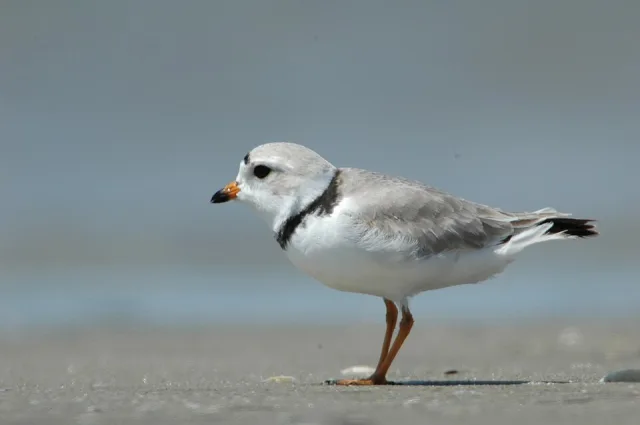
In species like the Piping Plover or many tropical species that winter in the U.S., the male and female often engage in "duetting"—singing coordinated songs that interlock. This is not casual chattering; it's a sophisticated communication that:
- Reinforces the pair bond and confirms mutual investment in the territory.
- Rapidly advertises territory to intruders, as a duetting pair sounds like a larger, more formidable defender.
2. Territorial Defense and Mate Attraction
In up to 70% of temperate songbird species, females have been documented singing, particularly when resources are scarce or competition is high.
- Northern Cardinal: Female Cardinals are famous for singing. They often sing from the nest to communicate to the male when he needs to bring food, but they also sing to defend resources in the winter, proving that song is not strictly a male mating display.
- Year-Round Singing: For species where both sexes hold year-round territories (common in the tropics and some temperate residents), female song is essential for mutual defense of winter food supplies.
3. The Unidentified Singer
Much female song has historically gone unrecorded because ornithologists have traditionally focused only on the louder, more conspicuous male vocalizations during the early morning chorus. Automated Recording Units (ARUs) and machine learning are now proving that female contributions to the soundscape are constant, though often softer and lower in complexity.
Active Architects: Female Behavior and Sexual Selection
Female birds are not passive players in the mating game; they are the ultimate decision-makers, driving the evolutionary pressures that shape the males.
1. Cryptic Mate Choice
Sexual selection is often perceived as males performing for females. But females exert significant control, often subtly. A process called Cryptic Female Choice suggests that females may influence paternity after mating, either by favoring the sperm of a preferred male or choosing when and where to lay eggs to maximize their genetic outcome.
2. The Nesting Specialist
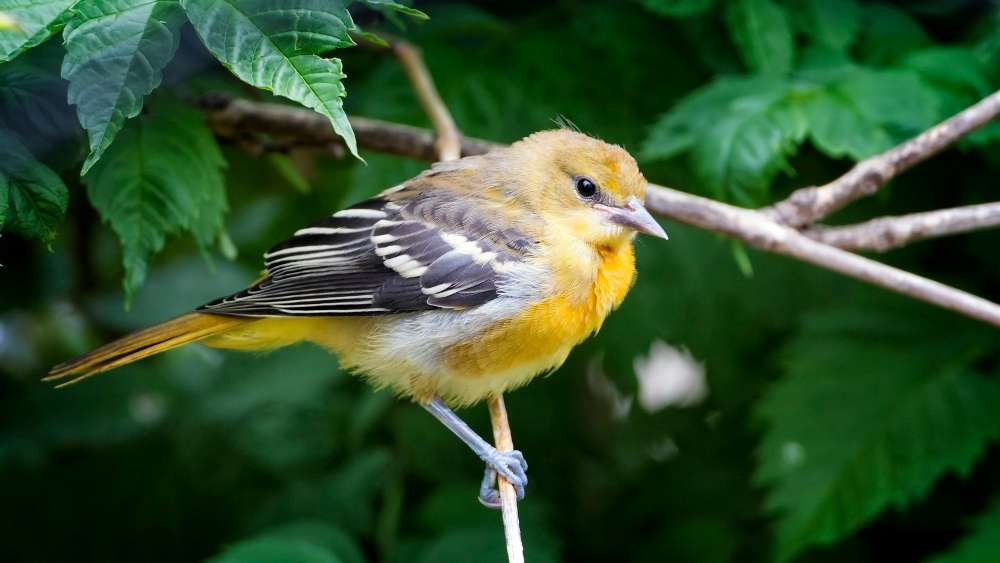
The female is the architect of the nest, a feat of engineering essential for reproductive success. In species like the Baltimore Oriole, the female meticulously weaves a deep, hanging, sock-like nest high in the canopy—a construction that requires immense skill and attention to detail and is critical for protecting the eggs and young from predators and the elements.
3. Aggression and Competition
In many species, the female is a fierce competitor and defender of resources.
- American Kestrel: The female Kestrel, though slightly larger, is an active hunter and will aggressively drive off rivals or predators near the nest site. Her presence and participation in hunting ensures that chicks receive the necessary food.
- The Polygamous Female: In species where the male provides little to no paternal care (such as the Eastern Meadowlark), the female must be highly capable of defending the nest and foraging alone, making her autonomy and resilience central to the species’ success.
Wrapping Up: Rebalancing the Birding Narrative
The future of American ornithology demands a balanced view, one that recognizes the intricate, essential roles of the feathered female. Her cryptic colors are not a sign of inferiority but a testament to successful survival; her song is not just a secondary echo but a critical tool for pair bonding and defense; and her active mate choice drives the evolution of the species.
By training our binoculars and our attention on the female—the silent builder, the subtle singer, the rigorous decision-maker—we gain a richer understanding of avian adaptation, ultimately improving our ability to conserve and appreciate the entirety of our nation's birdlife. The true complexity of the avian world lies not just in the male's showy display, but in the female's essential, multifaceted strength.
The Feathered Feast: Unpacking Bird Feeding Guilds Across the U.S.
