
Rhode Island, despite its diminutive size, boasts a remarkably rich and diverse avifauna. Its blend of coastal habitat, dense woodlands, and fresh/saltwater wetlands makes it a critical stopover point on the Atlantic Flyway and a permanent home for many hardy species. From the ubiquitous backyard visitors to the dazzling migrants and extraordinary vagrants, the Ocean State offers a fascinating spectrum for bird enthusiasts.
This article highlights 15 feathered residents, travelers, and rarities that embody the complexity and beauty of Rhode Island's birdlife.
Year-Round Residents: The Steadfast 5
These birds are the backbone of the state's ecosystem, adapting to all four seasons and providing constant color and song.
1. Northern Cardinal (Cardinalis cardinalis)

A favorite backyard visitor, the male Northern Cardinal is unmistakable with his brilliant red plumage and black face mask. Females are a warm reddish-brown with red accents. Their clear, whistled song is a hallmark of a Rhode Island morning, often heard year-round, even in the depths of winter. They are frequent visitors to bird feeders.
2. Black-capped Chickadee (Poecile atricapillus)

Energetic and bold, the Black-capped Chickadee is a tiny powerhouse. Recognizable by its black cap and bib contrasting with white cheeks, its namesake "chick-a-dee-dee-dee" call and the "fee-bee" spring song are known by all. They are essential residents of forests and suburban areas, known for their curiosity and ability to weather New England winters.
3. Blue Jay (Cyanocitta cristata)
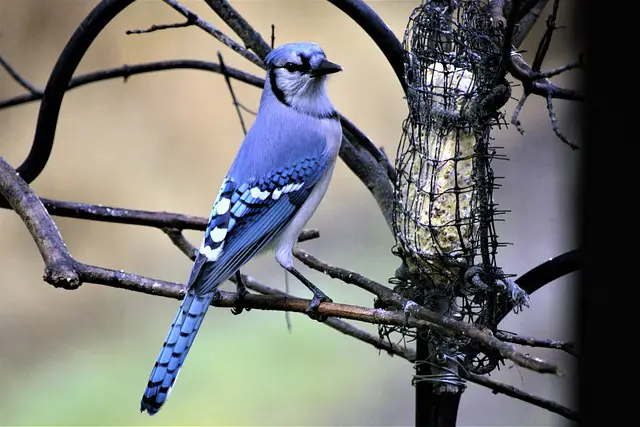
Strikingly crested, the Blue Jay is one of the most intelligent and conspicuous birds. Their brilliant blue, black, and white plumage is instantly recognizable. Known for their loud, scolding calls and their habit of caching acorns and other nuts, they are a dominant presence in deciduous and mixed woodlands.
4. Mourning Dove (Zenaida macroura)
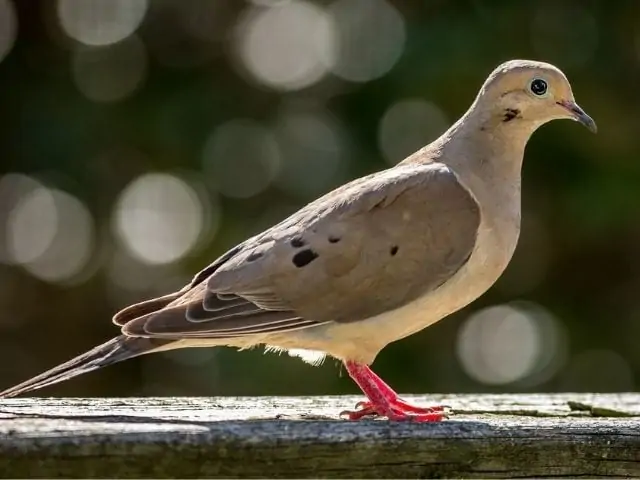
Commonly found in open woodlands, fields, and suburban settings, the Mourning Dove is identifiable by its slender build, long pointed tail, and soft, mournful cooing that gives it its name. They are a familiar sight at bird feeders and on wires.
5. Great Blue Heron (Ardea herodias)
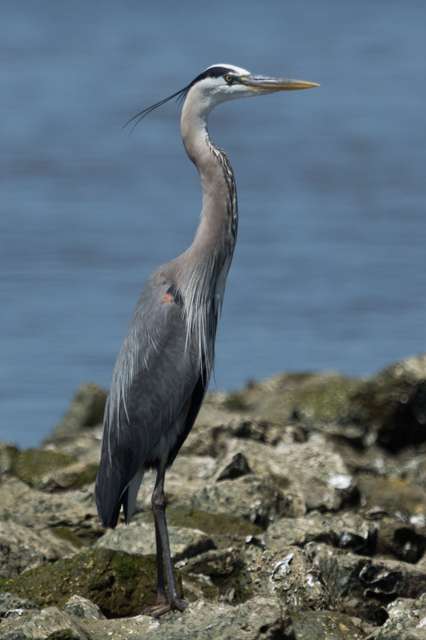
Rhode Island’s extensive coastline, ponds, and salt marshes are home to the stately Great Blue Heron. This magnificent wading bird stands over four feet tall and is a master hunter, often seen standing motionless in shallow water before spearing fish or frogs with lightning speed. They are a common sight near the water, even when ice begins to form.
Migratory Wonders: The Seasonal 5
Rhode Island’s position on the Atlantic Flyway makes it a crucial stopover and breeding ground for species that travel thousands of miles.
6. Osprey (Pandion haliaetus)

A conservation success story, the Osprey returns to Rhode Island's coastal marshes and bays every spring to nest on high platforms. Often called the "fish hawk," it is a medium-sized raptor recognized by its brown upperparts and white head with a dark stripe through the eye. Watching an Osprey spectacularly dive feet-first into the water to catch a fish is a favorite spring and summer pastime.
7. Ruby-throated Hummingbird (Archilochus colubris)

The tiny, iridescent Ruby-throated Hummingbird is a symbol of spring and summer, arriving in late April/early May. Males have a brilliant, fiery red throat (gorget). These energetic birds migrate from Central America, feeding on flower nectar and sugar water throughout the breeding season before embarking on their epic southward journey in the fall.
8. Scarlet Tanager (Piranga olivacea)
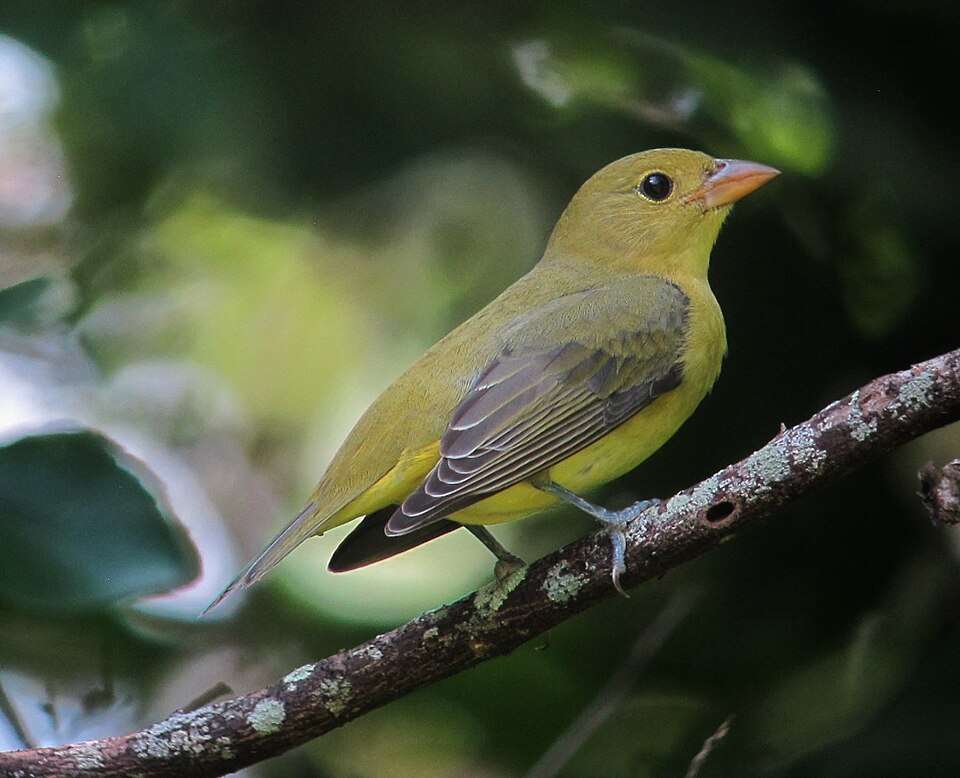
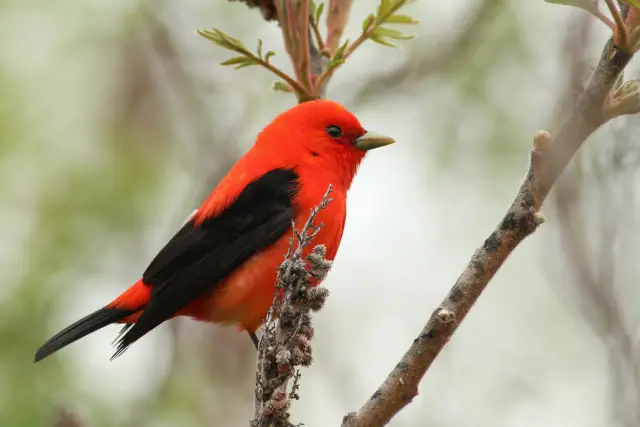
A breathtaking splash of color in the deep woods, the breeding male Scarlet Tanager is a vibrant, unmistakable scarlet red with black wings and tail. Females are a dull yellowish-green. Their arrival in spring brings a rich, caroling song to the state’s mature deciduous forests.
Birds of Oklahoma: All the Best of the Backyard, Migratory and Uncommon Species
9. Black-bellied Plover (Pluvialis squatarola)

During spring and fall migration, Rhode Island’s coastal beaches and mudflats are vital resting grounds for shorebirds like the Black-bellied Plover. In its striking breeding plumage, this bird has a solid black face, neck, and belly contrasting with a white stripe and mottled gray back. It’s one of the first shorebirds to show up in the spring and among the last to leave in the fall.
10. Wood Thrush (Hylocichla mustelina)

The flute-like, ethereal song of the Wood Thrush is considered one of the most beautiful sounds in the North American woods. A ground-foraging migrant that breeds in Rhode Island's deciduous forests, it has warm rusty-brown upperparts and heavy, dark spots on its white breast. The species is of continental concern due to habitat loss.
Rarities and Vagrants: The Exceptional 5
These birds are either rare due to their limited occurrence in the state or are vagrants that have been blown off course, making their sighting a major event for the local birding community.
11. Harlequin Duck (Histrionicus histrionicus)
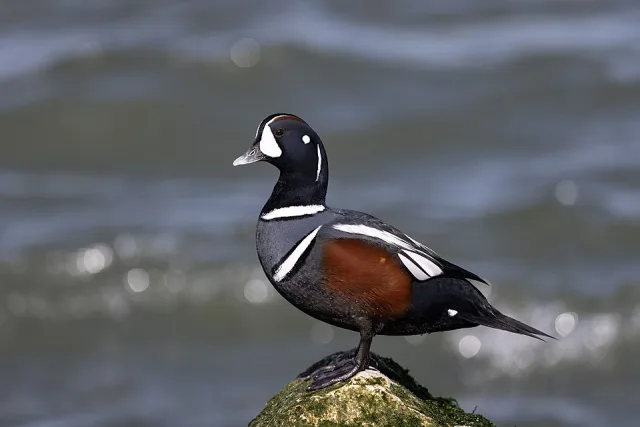
While seen annually in small numbers, particularly at coastal points like Sachuest Point National Wildlife Refuge during the winter, the Harlequin Duck is a highly localized and sought-after sea duck. The male’s elaborate plumage is a gorgeous patchwork of slate blue with chestnut flanks and striking white markings. They breed far north in fast-moving rivers and their wintering appearance in Rhode Island is always a treat.
12. Snowy Owl (Bubo scandiacus)
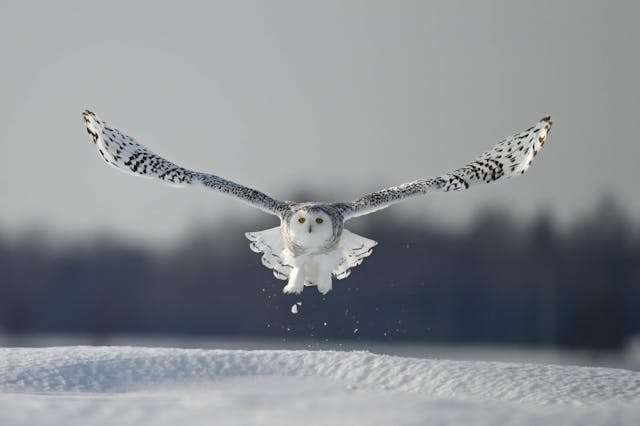
During "irruption" years, when food scarcity drives them south from the Arctic, the massive, spectacular Snowy Owl appears along Rhode Island’s dunes and coastal areas, sometimes remaining through the winter. This almost entirely white owl is a master of camouflage against a snowy backdrop, making its sighting a rare and exciting event.
13. Mountain Bluebird (Sialia currucoides)
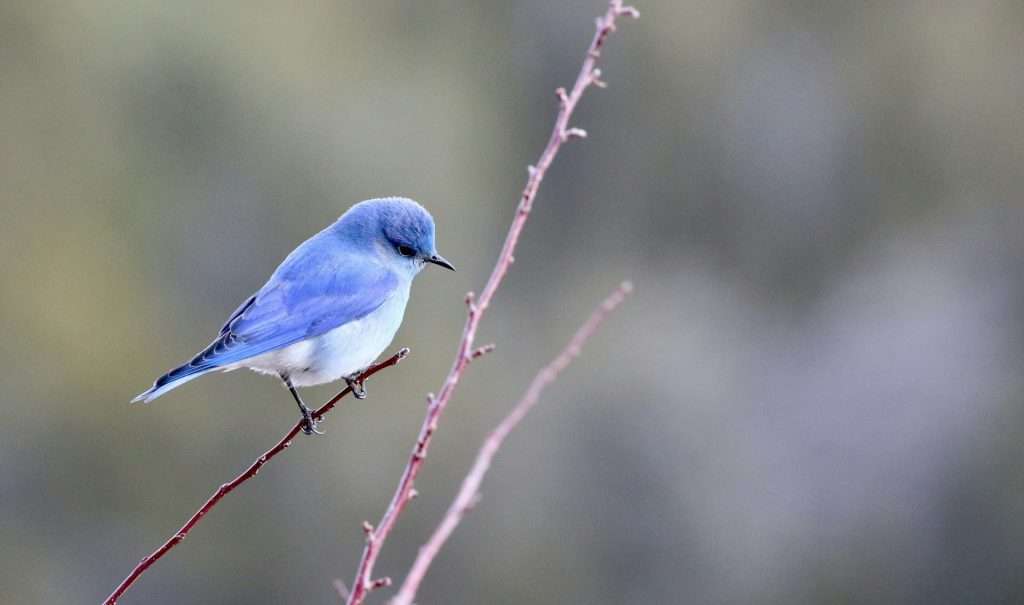
A testament to the power of wind and confusion, the Mountain Bluebird is a very rare vagrant from western North America. A few records exist, with birds—males a brilliant, unstreaked sky-blue—having been spotted in open fields, far from their usual Rocky Mountain range. Every sighting is a birding sensation.
14. Black-bellied Whistling-Duck (Dendrocygna autumnalis)
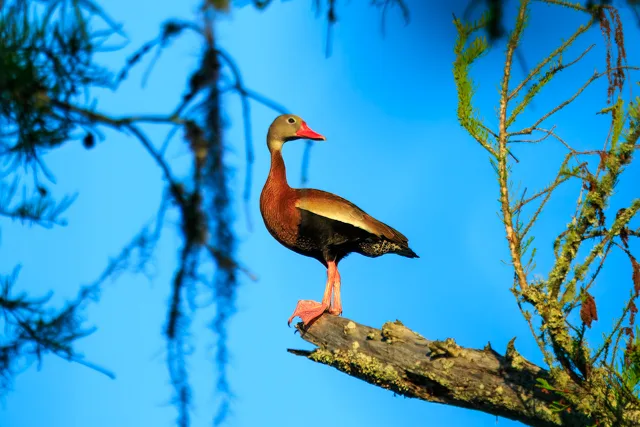
A species predominantly found in the southern U.S. and tropics, a Black-bellied Whistling-Duck in Rhode Island is a true rarity. Distinguished by its bright pink bill, long legs, and an overall reddish-brown body with a conspicuous black belly patch, these ducks are usually far outside their expected range, likely blown north by powerful weather systems.
15. Northern Lapwing (Vanellus vanellus)
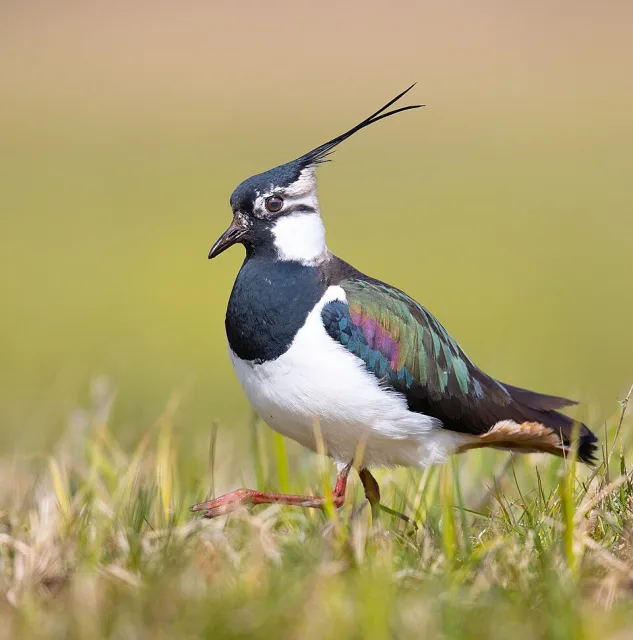
Perhaps the most exotic rare bird, the Northern Lapwing is an Old World species from Eurasia. Sightings in the Northeastern U.S. are exceptionally rare and are almost certainly storm-driven vagrants. The bird is striking: a greenish-black crest, a black bib, and a beautiful green and purple iridescent back, making a Rhode Island sighting a once-in-a-lifetime record for most local birders.
Conservation and the Future
The varied list of birds—from the common Cardinal to the rare Lapwing—underscores Rhode Island’s vital role in the larger Atlantic Flyway ecosystem. Birding hotspots like Block Island, Sachuest Point, and Ninigret National Wildlife Refuges are crucial for bird populations, especially during migration.
However, challenges remain, particularly habitat loss along the coastline and the effects of climate change, which shift migration patterns and threaten nesting areas. The conservation efforts of the Audubon Society of Rhode Island and local naturalists are essential to ensuring that the state remains a welcoming haven for these 15 species and the over 400 others that grace its small but ecologically important landscape. Rhode Island proves that one doesn't need to be a large state to be a massive player in the world of ornithology.
Hummingbird Heaven: The Ultimate Guide to Attracting Tiny Jewels to Your Garden
