
North Dakota, the "Peace Garden State," is a land defined by its vast, rolling prairies and its glacial legacy: the Prairie Pothole Region. This unique landscape, often called the "duck factory of North America," positions North Dakota directly in the Central Flyway, making it a critical hub for birdlife. From the charismatic songbirds of the grasslands to the myriad waterfowl resting on millions of small wetlands, the state offers a spectacular avian showcase.
To truly appreciate North Dakota’s birding richness, one must explore its resident, migratory, and rare species. Here are 15 of the state’s most significant birds.
The Common Residents: Backbone of the Prairie
These species can be seen year-round or are so ubiquitous during the breeding season that they define the local avian character.
1. Western Meadowlark (Sturnella neglecta)
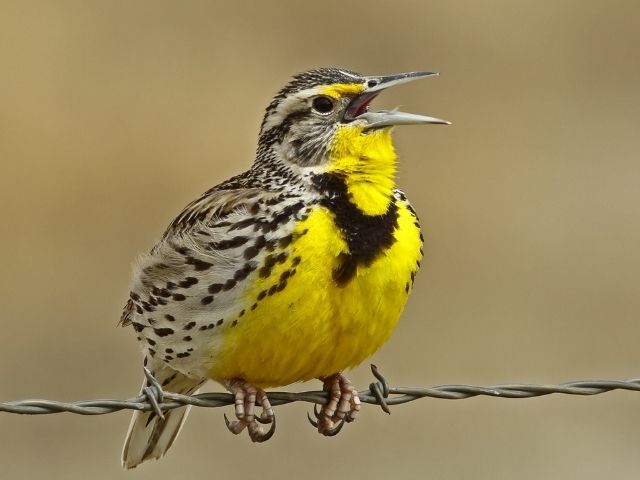
As North Dakota’s official state bird, the Western Meadowlark is the sound and color of the prairie. With its brilliant yellow breast crossed by a sharp black 'V', and its flute-like, cascading song, it is instantly recognizable. Found in grasslands and fields, it remains a common resident, often perched on fence posts announcing its territory.
2. Black-capped Chickadee (Poecile atricapillus)
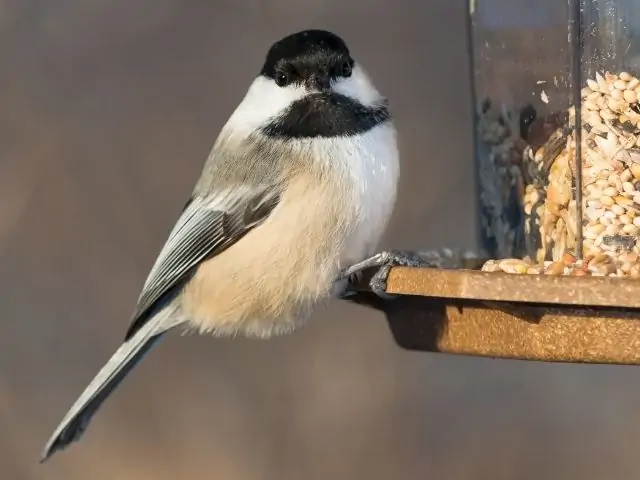
A tiny, energetic resident of wooded areas, parks, and backyards, the Black-capped Chickadee is known for its distinctive black cap and bib and its cheerful, namesake call: "chick-a-dee-dee-dee." They are resilient, cavity-nesting birds that survive the harsh North Dakota winters with aplomb.
3. House Sparrow (Passer domesticus)

A highly adaptable species introduced from Europe, the House Sparrow is perhaps the most common bird in North Dakota's urban and agricultural areas. Though often overlooked, this small, brown-and-gray bird thrives near human settlements, quickly colonizing eaves and crevices.
4. Sharp-tailed Grouse (Tympanuchus phasianellus)
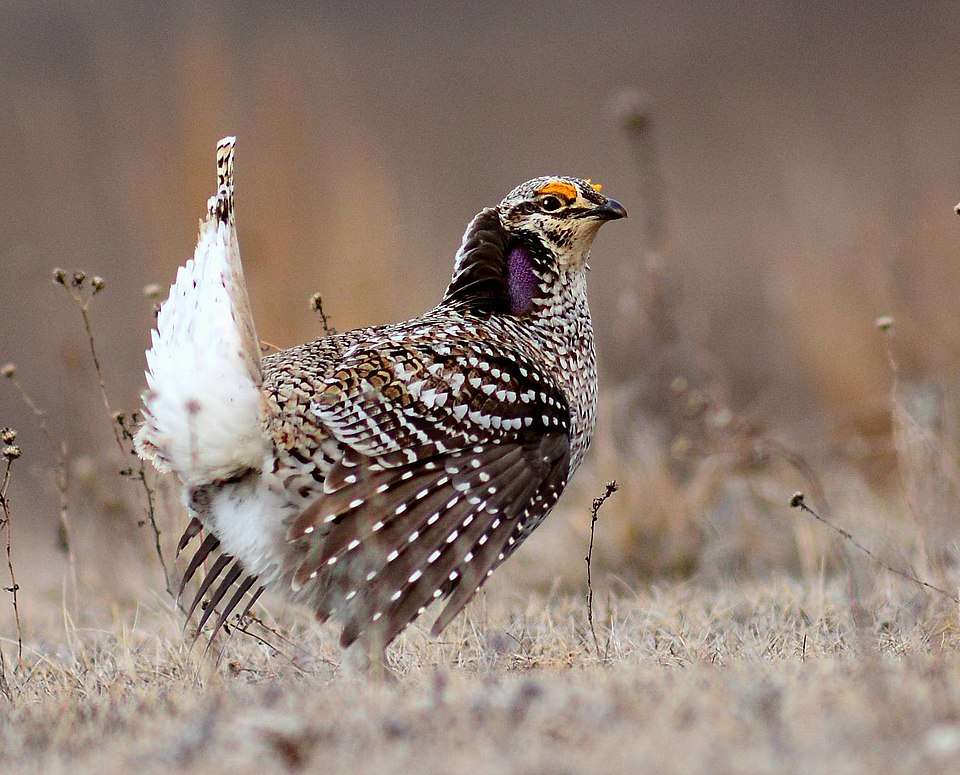
A true prairie icon, the Sharp-tailed Grouse is a medium-sized game bird found in the state's grasslands. Its most remarkable feature is the spectacular mating ritual performed by males on communal dancing grounds called leks. The males inflate air sacs and stamp their feet in a mesmerizing, low-frequency performance to attract mates.
5. American Robin (Turdus migratorius)
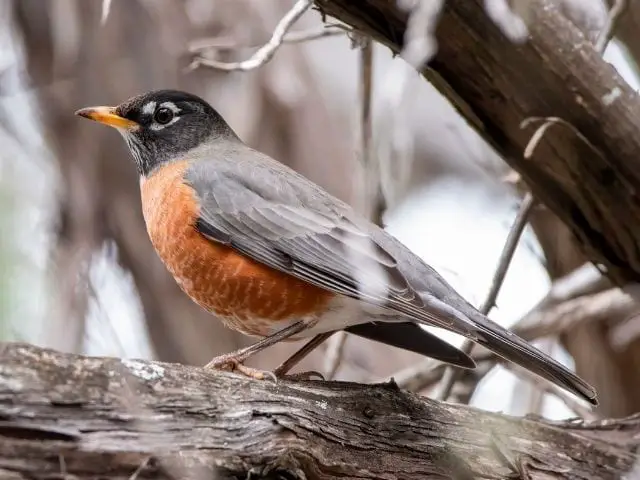
Though considered a harbinger of spring across much of North America, the American Robin is a common sight in North Dakota from spring through fall, foraging on lawns and in wooded edges. Its rusty breast and familiar worm-pulling antics make it a backyard staple.
The Migratory Marvels: Jewels of the Central Flyway
North Dakota’s position along the Central Flyway and the abundance of water in the Prairie Pothole Region make it an indispensable stopover and breeding ground for millions of migrating birds.
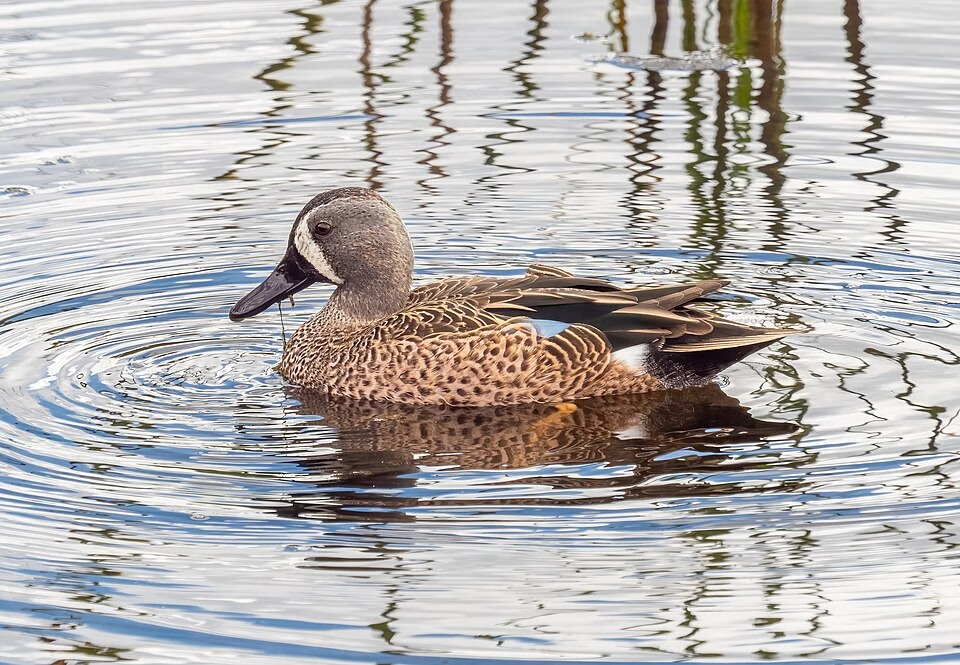
6. Blue-winged Teal (Spatula discors)
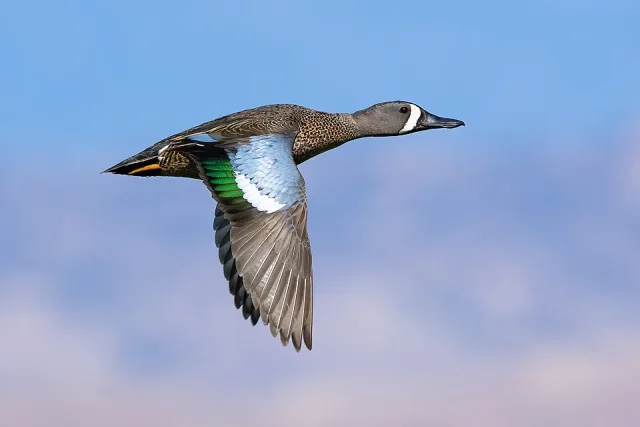
One of the most common nesting ducks in North Dakota, this small dabbling duck relies heavily on the state's potholes. The male is distinguished by a bold white crescent on its face and a large blue patch on its wing, a flash of color as it takes flight.
7. Snow Goose (Anser caerulescens)
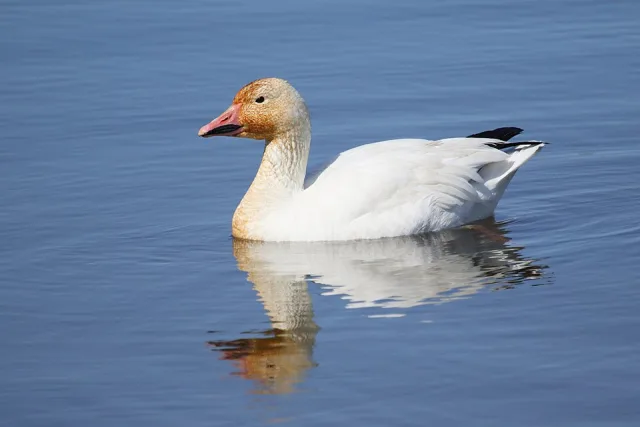
In spring and fall, North Dakota skies are darkened by massive flocks of Snow Geese during their migration. These flocks, sometimes numbering in the tens of thousands, create one of North America's most spectacular avian events as they stop to refuel in fields and wetlands.
8. Baird's Sparrow (Centronyx bairdii)

A highly sought-after grassland specialist, the Baird's Sparrow nests almost exclusively in the northern Great Plains. This shy songbird requires pristine mixed-grass prairie, making it an excellent indicator of healthy native habitat. Birders listen carefully for its thin, insect-like song.
9. Sandhill Crane (Antigone canadensis)
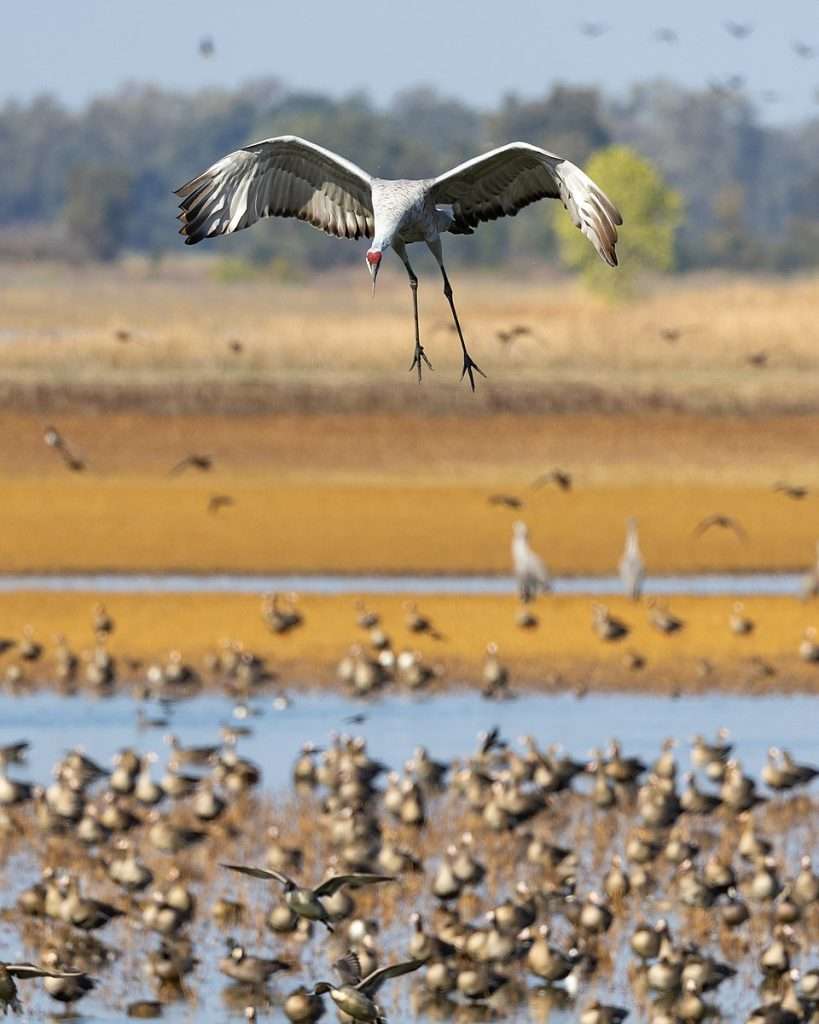
Though most famous for their massive stopover along Nebraska's Platte River, Sandhill Cranes pass through North Dakota in significant numbers, particularly in the western part of the state. Their enormous wingspans and ancient, rattling calls are a powerful sound of migration.
10. Franklin’s Gull (Leucophaeus pipixcan)
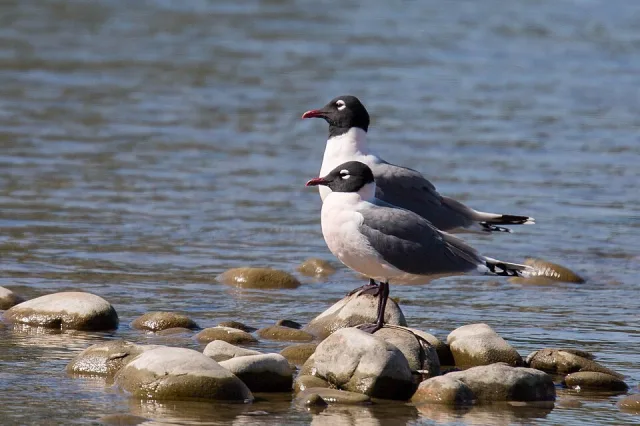
Breeding in massive colonies in the state’s large cattail marshes, this is North Dakota's signature gull. Migrating all the way to the coasts of South America, the Franklin's Gull is notable for its sleek black hood and a beautiful pinkish wash on its breast during breeding season.
11. American White Pelican (Pelecanus erythrorhynchos)
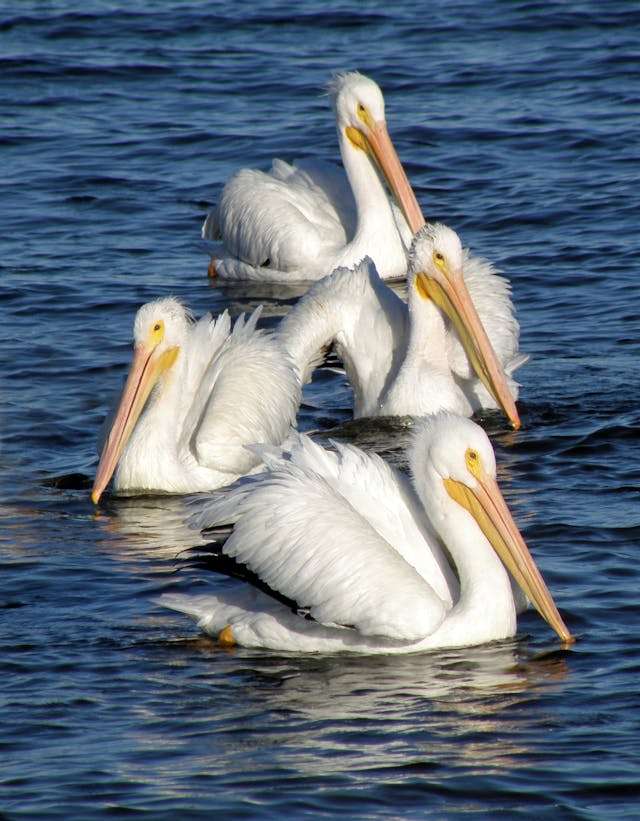
These majestic birds, with their nine-foot wingspan, are common summer residents, particularly on larger lakes like Devils Lake. They are highly social, fishing cooperatively by dipping their enormous pouches simultaneously to herd fish.
12. Sprague’s Pipit (Anthus spraguei)
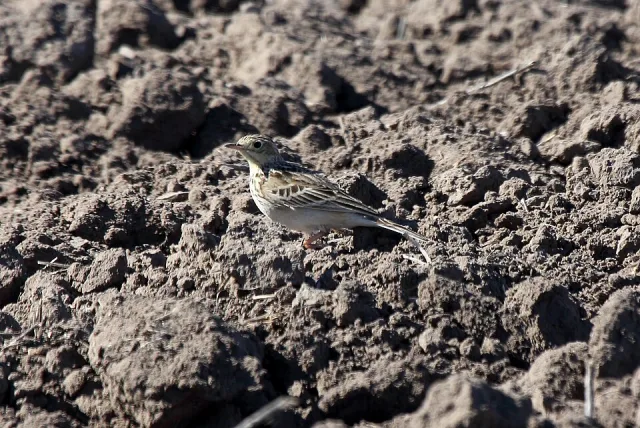
A bird of conservation concern, the Sprague's Pipit is a champion of the disappearing native prairie. It is notoriously difficult to spot on the ground, but its presence is revealed by its extraordinary "sky dance," where the male spirals high into the air, singing continuously for minutes before parachuting back down.
The Rare and Accidental Visitors: Thrill of the Unexpected
Due to its vast, open nature and position on a major flyway, North Dakota occasionally hosts rare or out-of-range species, generating excitement among the birding community.
13. Piping Plover (Charadrius melodus)

Though a regular breeder, the Piping Plover is considered rare and federally threatened. It nests on the bare, sparsely vegetated shorelines of alkaline wetlands and river sandbars. Its small size, pale, sand-colored plumage, and single black breast band make it challenging to spot, and every sighting is a critical conservation moment.
14. Mountain Plover (Charadrius montanus)
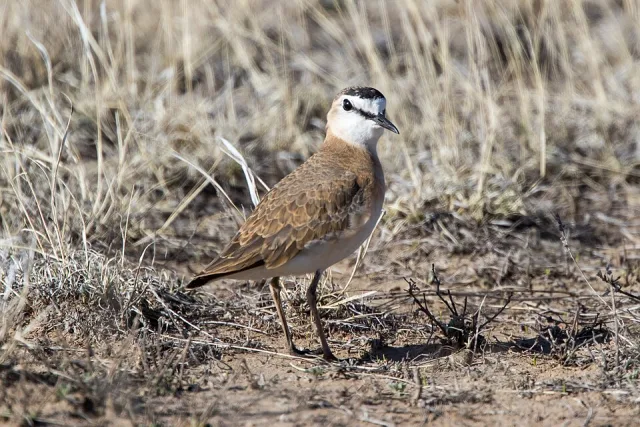
Unlike its shore-loving relatives, this plover is an arid-land specialist. While its historic range dipped into the western Dakotas, its presence today is increasingly rare and localized. Finding a Mountain Plover in North Dakota is a testament to locating one of the last vestiges of intact shortgrass prairie habitat.
15. Steller's Sea-Eagle (Haliaeetus pelagicus)

Perhaps the most spectacular accidental sighting in recent North Dakota history, the Steller's Sea-Eagle is an immense raptor native to coastal Russia and Japan. In late 2021 and early 2022, a single individual embarked on an unprecedented odyssey across the continent, appearing briefly in North Dakota, among other states. Its dark plumage, massive size, and blindingly white shoulder and tail patches make it utterly unmistakable, solidifying its place as one of the rarest bird records for the Northern Plains.
North Dakota’s birdlife is a captivating reflection of its geography. The state is a testament to the value of its wetlands and native prairies, providing a haven for millions of birds who sing, nest, and refuel on their incredible journeys. For the birder, the sight of a common Western Meadowlark in spring is as rewarding as the thrill of spotting a threatened Piping Plover or an impossibly rare international visitor, all contributing to the state's vibrant, essential role in North American ornithology.
