
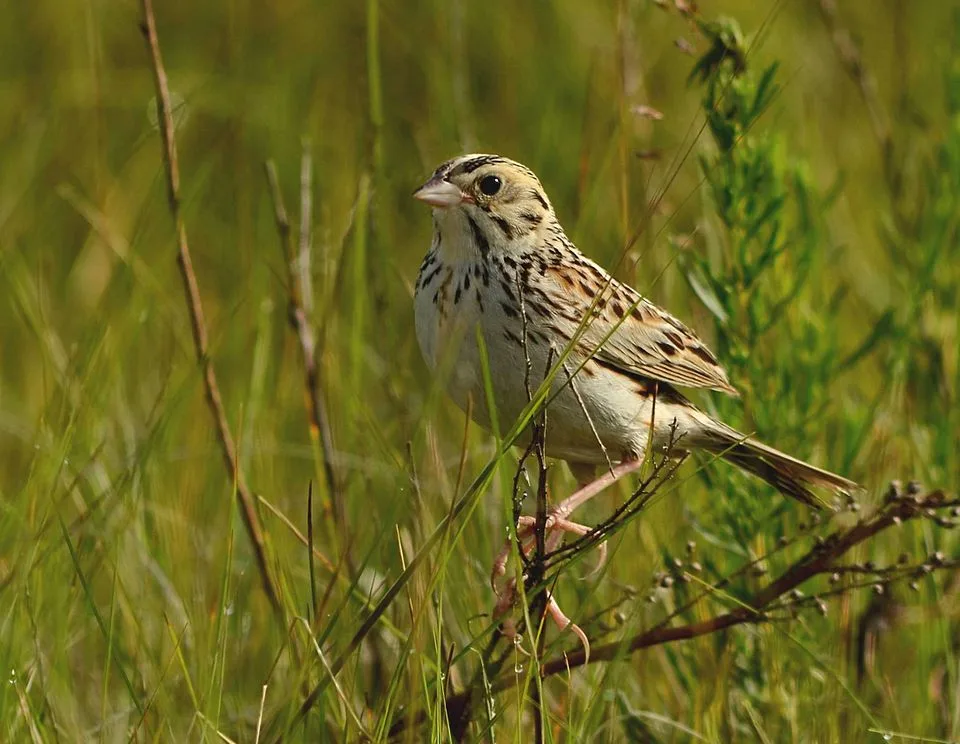
North Dakota offers some of the most spectacular birdwatching opportunities in the United States, primarily due to its pivotal location within the Central Flyway migration route and its landscape dominated by the Prairie Pothole Region. Often referred to as America’s "duck factory," the state's vast expanses of mixed-grass prairie and countless small wetlands create essential breeding and staging grounds for millions of birds. With more National Wildlife Refuges (NWRs)—63 in total—than any other state, North Dakota is an essential destination for any serious birder or wildlife enthusiast.
Audubon NWR, established on the southern portion of Lake Audubon, is a major stopover for hundreds of thousands of waterfowl, including ducks, geese, and Sandhill Cranes, during the spring and fall migrations. It provides diverse habitats—native prairie, planted grasslands, and wetlands—which also support nesting species like Western Grebes, Ruddy Ducks, and a host of shorebirds and songbirds.
Though less information is readily available for McKenzie Slough, it is part of the same critical Prairie Pothole landscape, offering vital wetland habitat that attracts similar concentrations of waterbirds and grassland specialties, including sought-after species like the Baird's Sparrow, Sprague's Pipit, and Chestnut-collared Longspur.
Visitors can expect to see over 200 species of birds, ranging from impressive flights of American White Pelicans to the subtle beauty of grassland sparrows. These refuges and sloughs provide an accessible and unparalleled opportunity to witness the incredible biodiversity of the northern plains.
Long Lake NWR
Long Lake National Wildlife Refuge (NWR) is a crucial sanctuary situated in south-central North Dakota, primarily near the town of Moffit, and encompasses parts of Burleigh and Kidder counties. Geographically, it lies along the western edge of the Prairie Pothole Region, where the flat Coteau Slope meets the rolling terrain of the Missouri Coteau. This junction creates a complex landscape of mixed-grass prairie, scattered small wetlands, and the refuge's namesake—Long Lake.
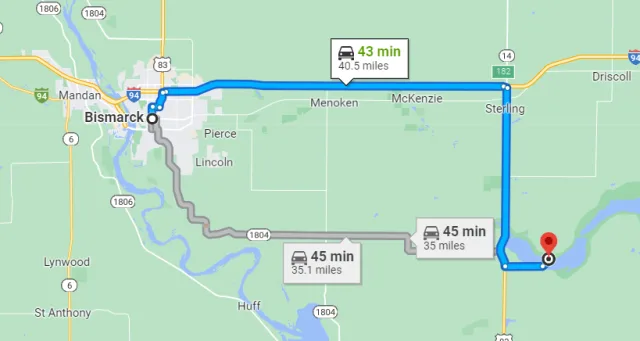
This is an 18-mile-long, shallow, saline (salty) lake basin that has been partitioned by dikes for water level management. The lake’s depth is highly dynamic, ranging from marsh-like shallows in most years to depths of up to seven feet in wet periods, leading to a highly variable and productive aquatic system that is vital for migratory birds.
Established in 1932 along the Central Flyway, Long Lake NWR is globally recognized for its importance to avian conservation, designated as both a Globally Important Bird Area and a Western Hemisphere Shorebird Reserve Network (WHSRN) site. Birdwatching opportunities peak in spring and fall, when the refuge hosts thousands of migrating waterfowl, including massive flights of ducks, geese, and Sandhill Cranes, with occasional sightings of the endangered Whooping Crane.
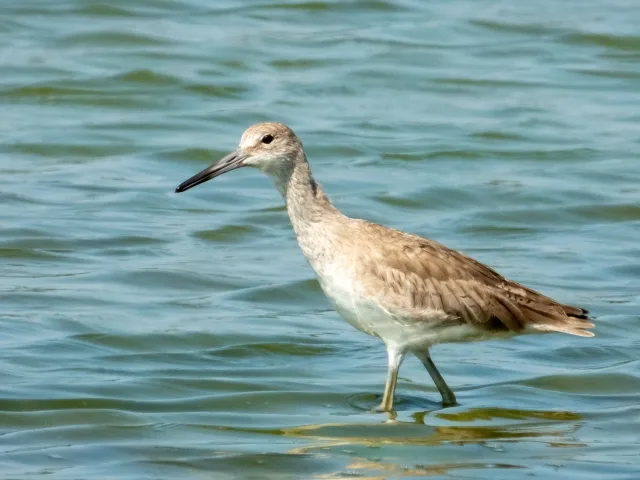
During the nesting season, the expansive mudflats (especially when water levels recede) and grassy uplands attract a rich diversity of species. Notable nesters include the Marbled Godwit, Willet, and the threatened Piping Plover, while visitors in spring can witness the dramatic mating displays of Western Grebes on the open water and the 'dancing' of Sharp-tailed Grouse on traditional leks in the native prairie.

Target Birds
Sora
Black Tern
Western Kingbird
Brewer's Blackbird
Wilson's Snipe
American White Pelican
Cliff Swallow
The U.S. Fish and Wildlife Service has background information about the site and the best way to visit.
Bowman-Haley Recreation Area
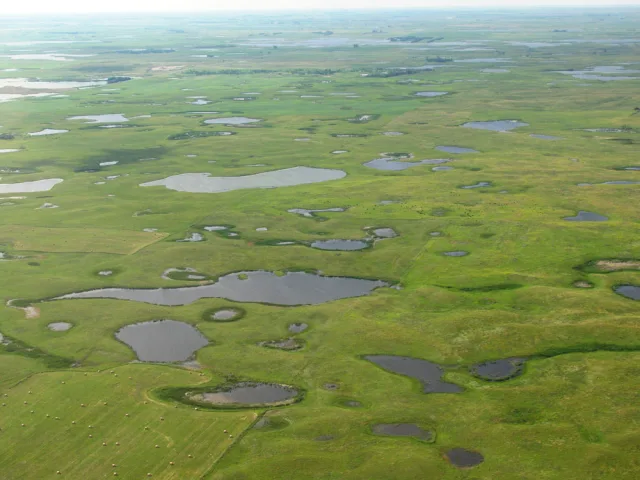
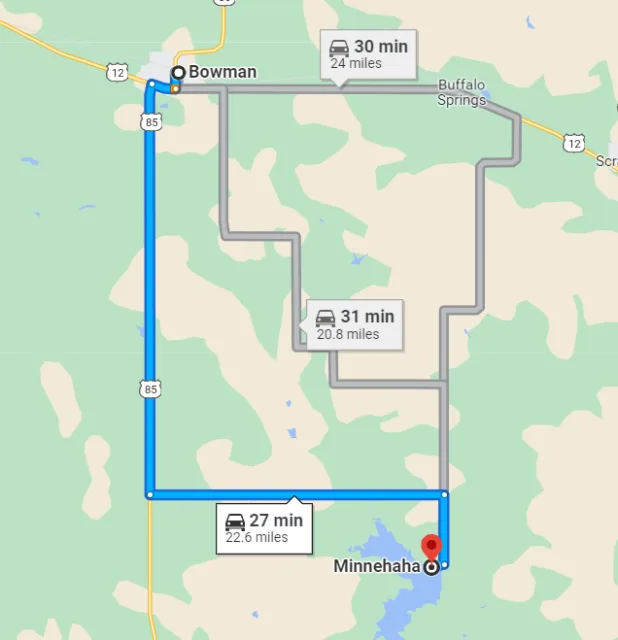
The Bowman-Haley Recreation Area is situated in the southwestern corner of North Dakota, approximately 11 miles south of the city of Bowman and just a couple of miles north of the border with South Dakota. The geography of the area is defined by the Bowman-Haley Dam, an earthen dam completed in 1970 on the North Fork of the Grand River. This structure created Bowman-Haley Lake (also known as the Bowman-Haley Reservoir), a V-shaped body of water with about 17 miles of shoreline.
The surrounding landscape consists of roughly 7,000 acres of rolling uplands and prairie creeks, a classic example of the rugged buttes and mixed-grass prairie of the western Great Plains, contrasting with the central and eastern portions of the state. This geographic setting, nestled between prairie, uplands, and a substantial reservoir, creates a unique transitional habitat.
The distinct mix of open water, riparian creek bottoms, and short-grass prairie makes Bowman-Haley a crucial spot for birdwatching, especially given its location near the western edge of the Central Flyway. The reservoir attracts an abundance of waterfowl and shorebirds, including various ducks, geese, gulls, and terns, particularly during migration.

Furthermore, the surrounding mixed-grass prairie provides excellent opportunities to find signature western grassland species such as the Chestnut-collared Longspur, Lark Bunting, and possibly the elusive Baird's Sparrow or Sprague's Pipit. Birders may also spot raptors like the Prairie Falcon over the rolling landscape and occasionally even the endangered Whooping Crane during its spring and fall migration between Texas and Canada's Wood Buffalo National Park.

Target Birds
Black-billed Magpie
Shore Lark
Lark Bunting
Western Meadowlark
Northern Shoveler
Least Sandpiper
Broad-winged Hawk
The Recreation.gov website has information about activities at the lake.

McKenzie Slough
McKenzie Slough, officially the McKenzie Slough Wildlife Management Area, is a highly productive wetland complex located in Burleigh County, North Dakota, just southeast of the state's capital, Bismarck. Geographically, it is part of the vast Prairie Pothole Region, a crucial landscape of the North American Great Plains formed by the last glaciation, which left behind millions of shallow depressions or "potholes" that fill with water.
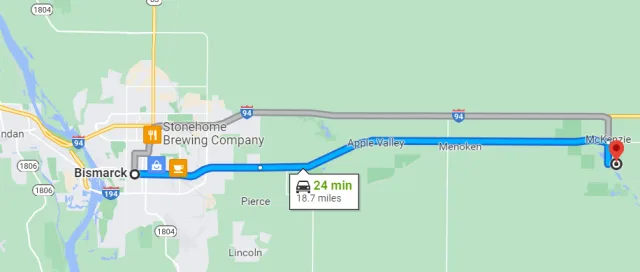
The slough itself is described as a large swamp area within the Lake McKenzie Basin, an extensive lake plain surrounded by low glacial hills. Its position near the Missouri River and in the Central Flyway ensures that the 736-acre management area's diverse habitat of emergent vegetation, open water, and surrounding prairie is essential for migrating and breeding birds.
The primary appeal of McKenzie Slough for birdwatching lies in its phenomenal concentrations of waterbirds and migratory species. When water levels are high, the slough is a reliable breeding ground for a variety of nesting species, including Pied-billed and Eared Grebes, Ruddy Ducks, American Coots, and colonial nesters like Yellow-headed Blackbirds and Marsh Wrens.

During the spring and fall migrations, the slough becomes a temporary home for a stunning array of waterfowl and shorebirds such as American Avocets, Wilson's Phalaropes, and various sandpipers. Notably, the area hosts a massive blackbird mega-roost in the fall, where radar has estimated counts of hundreds of thousands to over a million birds, offering an unforgettable avian spectacle for visitors to the region.
Target Birds
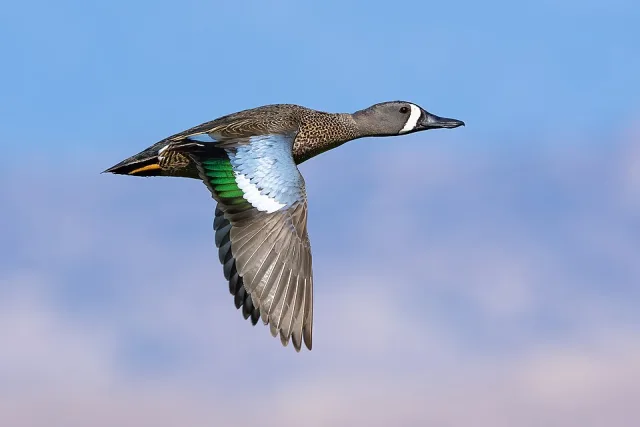
Blue-winged and Green-winged Teal
Western Grebe
Forster's Tern
Black-crowned Night Heron
White-faced Ibis
Clay-colored Sparrow
Marsh Wren
The Minot Daily News has a nice piece about a 2023 visit to the area.
Arrowwood NWR
Arrowwood National Wildlife Refuge (NWR) is centrally located in North Dakota, roughly 26 miles north of Jamestown, spanning parts of Stutsman and Foster counties near the town of Pingree. Established in 1935, the refuge encompasses nearly 16,000 acres, its geography defined by a 16-mile stretch of the James River Valley. This river system feeds four main water bodies—Arrowwood Lake, Mud Lake, Jim Lake, and Depuy Marsh—creating a unique, diverse blend of habitats.
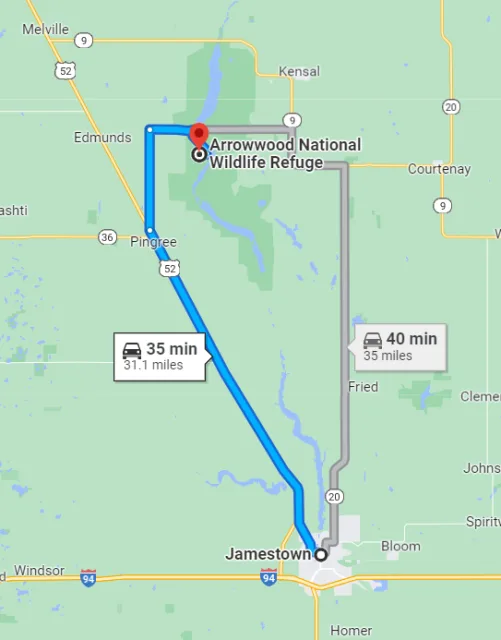
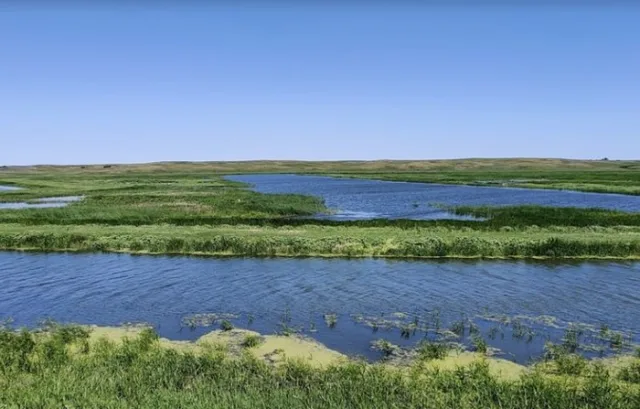
While predominantly mixed-grass prairie and extensive wetlands within the Prairie Pothole Region, Arrowwood is also notable for its forested coulees featuring uncommon trees like oak and hackberry, which offer sheltered areas that contrast with the open plains. The refuge's management actively uses prescribed fire and grazing to maintain healthy native grasslands, ensuring it remains an ideal environment for both resident and migratory species.
As a critical stopover along the Central Flyway, Arrowwood NWR offers outstanding and varied birdwatching opportunities, with over 250 species documented over time. The refuge is renowned for its spectacular concentrations of waterfowl during spring and fall migrations, when numbers of ducks and geese can swell to nearly 100,000. Common sightings include Canada Geese, Mallards, Pintails, and various diving ducks.

The mixed habitats also make it excellent for observing diverse bird groups, from wading birds like Great Blue Herons and American Bitterns in the wetlands to prized grassland songbirds such as the Baird's Sparrow, Grasshopper Sparrow, and Bobolink in the uplands. Birders can take advantage of the 5.5-mile self-guided Auto Tour Route and the dedicated Warbler Woodland Watchable Wildlife Area, a great spot to catch numerous songbirds during the May spring migration.

Target Birds
Greater White-fronted Goose
Red-necked and Black-necked Grebe
American Avocet
Upland Sandpiper
Wilson's Phalarope
Say's Phoebe
Sharp-tailed Grouse
The USFWS has a little bit of detail about the area. There is a Visitor Center which would be a good place to start.
Minot Sewage Lagoons
The Minot Sewage Lagoons are a well-known, albeit unorthodox, birdwatching hotspot located just outside the city of Minot in Ward County, North Dakota. Geographically, this location sits squarely within the state’s expansive Prairie Pothole Region, a landscape defined by thousands of small, glacier-formed wetlands and surrounding mixed-grass prairie.
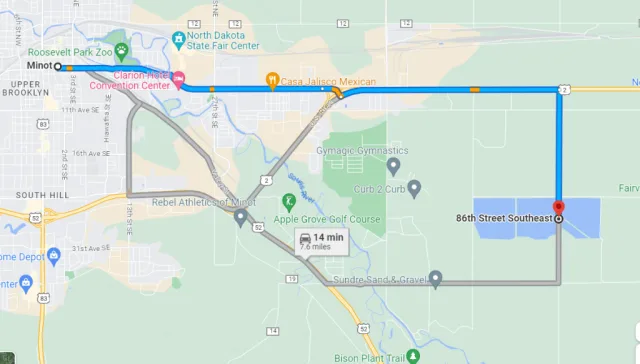
While Minot itself lies in the Souris River Valley, the artificial bodies of water created by the city’s wastewater treatment process mimic the natural sloughs and wetlands of the prairie, creating a reliable and year-round source of open water and varied mudflat habitat that is often absent elsewhere, especially during dry periods or late in the season. These man-made impoundments provide a critical stopover for migratory species traversing the Central Flyway.
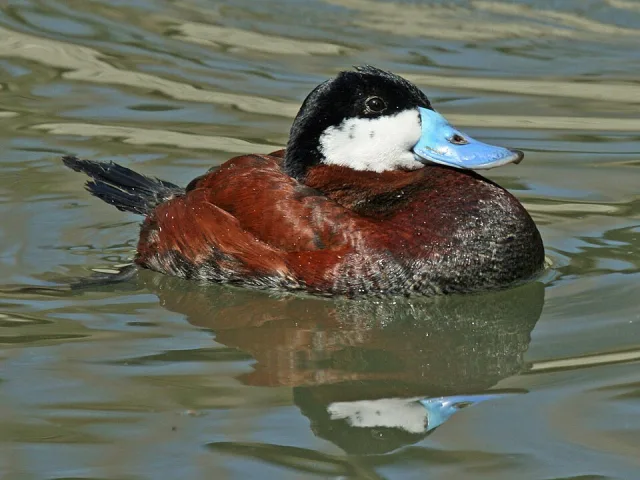
The dependable water and controlled water levels at the lagoons create exceptional birdwatching opportunities, particularly for waterfowl and shorebirds. Birders frequent the site to observe large congregations of ducks, geese, and grebes, including species like Gadwall, Northern Shoveler, Ruddy Duck, and multiple grebe species, such as Eared Grebe.
Crucially, the varying water depths attract a diverse array of waders and shorebirds like Wilson's Phalarope, American Avocet, Black-necked Stilt, and various sandpipers, which forage along the muddy edges of the dikes. The site’s reputation as a reliable spot for unusual migrants, including the occasional rarity, makes it an essential stop for any birder visiting the Minot area, supplementing the excellent birding found at nearby natural areas like the Upper Souris and Des Lacs National Wildlife Refuges.

Target Birds
Sora
Red-necked Phalarope
Franklin's Gull
Least Flycatcher
Lazuli Bunting
Snow Goose
Sharp-tailed Grouse
The Three Rivers Birding Club has an interesting article about their visit to the area.
Audubon NWR
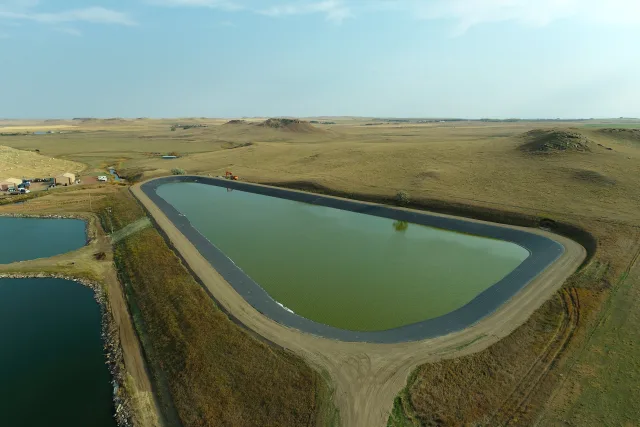
The Audubon National Wildlife Refuge (NWR) is a premier birding destination situated in the heart of North Dakota's Prairie Pothole Region, approximately 65 miles north of Bismarck near the town of Coleharbor. Established in 1956, the refuge occupies 14,739 acres, including the southern portion of Lake Audubon, a large man-made reservoir created by the Garrison Dam project on the Missouri River. This unique geography features a combination of native mixed-grass prairie, planted grasslands, and numerous small wetlands—the characteristic "potholes" left by receding glaciers.
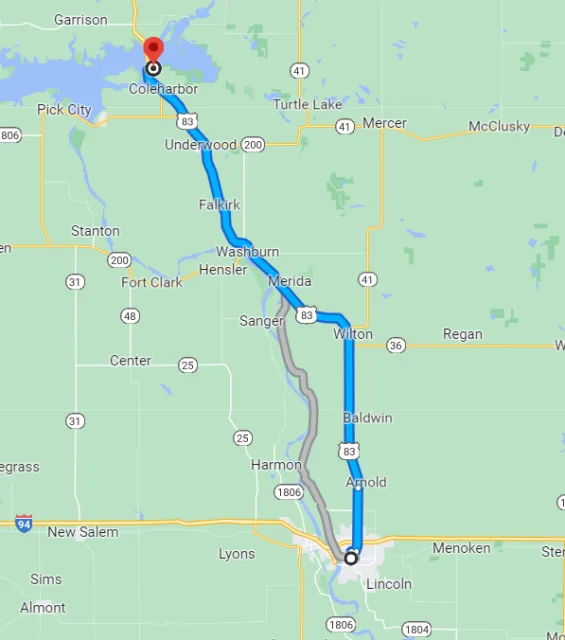
This varied terrain makes it a critical area within the Central Flyway migration route, providing essential feeding, resting, and nesting habitat for a spectacular array of wildlife. The refuge is easily accessible, offering an 8.5-mile auto tour route along the south shore of Lake Audubon, as well as hiking trails that traverse the pothole country.
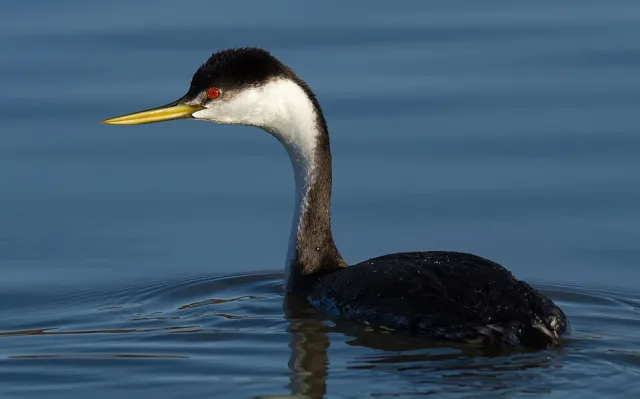
The birdwatching opportunities at Audubon NWR are diverse and seasonally spectacular, with over 243 species recorded. As a major stopover on the Central Flyway, the refuge hosts massive spring and fall migrations of waterfowl and shorebirds, including thousands of ducks, geese, and Sandhill Cranes. During the breeding season, the wetlands come alive with species like Western Grebes, Ruddy Ducks, American Avocets, and various nesting waterfowl.
The surrounding prairie grasslands are a haven for iconic prairie birds, such as the Upland Sandpiper, Dickcissel, Horned Lark, and Western Meadowlark. The area is also known to provide habitat for threatened and endangered species, including the migrating Whooping Crane and the nesting Piping Plover. Whether driving the tour route or walking the trails, birders are guaranteed an impressive display of prairie and waterbird life.

Target Birds
Bobolink
Ruddy Duck
Virginia Rail
American Bittern
Northern Harrier
- Spotted Towhee
The USFWS has really good details about the area and its management.
Kellys Slough NWR
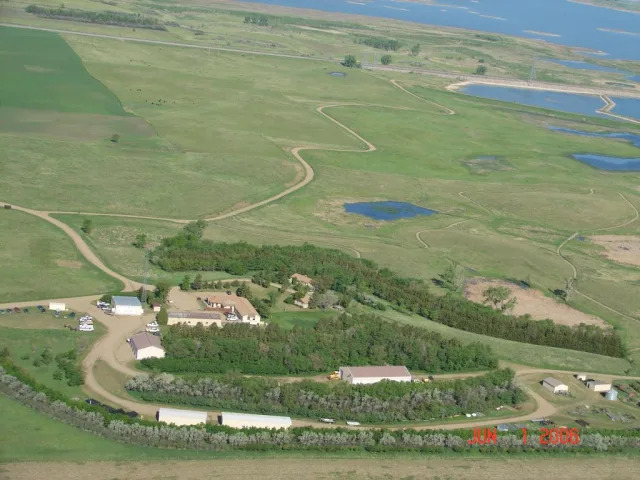
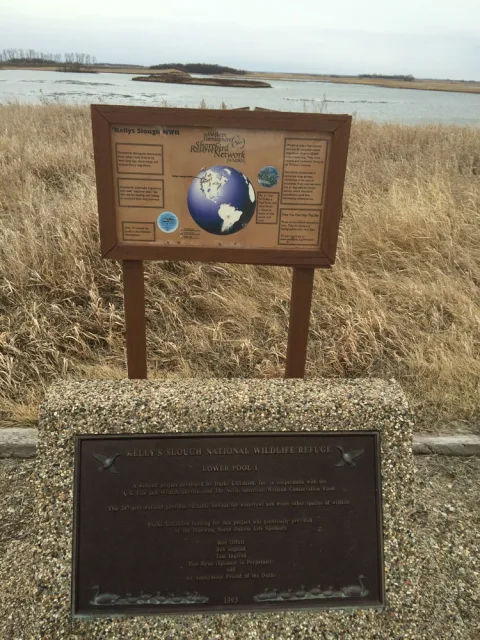
Kellys Slough National Wildlife Refuge (NWR) is strategically located in the heart of the agriculturally intensive Red River Valley in Grand Forks County, northeastern North Dakota, approximately 11 miles west of the city of Grand Forks. Geographically, the refuge lies within the ancient lakebed of Glacial Lake Agassiz, resulting in a smooth, nearly level topography. This location is part of the famed Prairie Pothole Region, a critical ecosystem of the U.S. Central Flyway. The refuge complex, established in 1936, encompasses a system of managed wetlands and grasslands, covering about 1,270 acres.
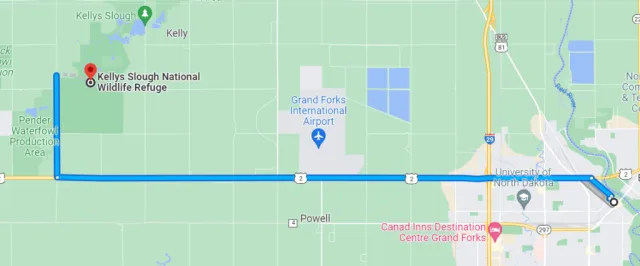
The intermittent stream of Kellys Slough, which flows into the Turtle River, forms the core wetland habitat. This system is crucial because it serves as one of the few significant wetland stopover points in the intensively farmed Red River Valley, providing essential water and rest for countless migratory birds.
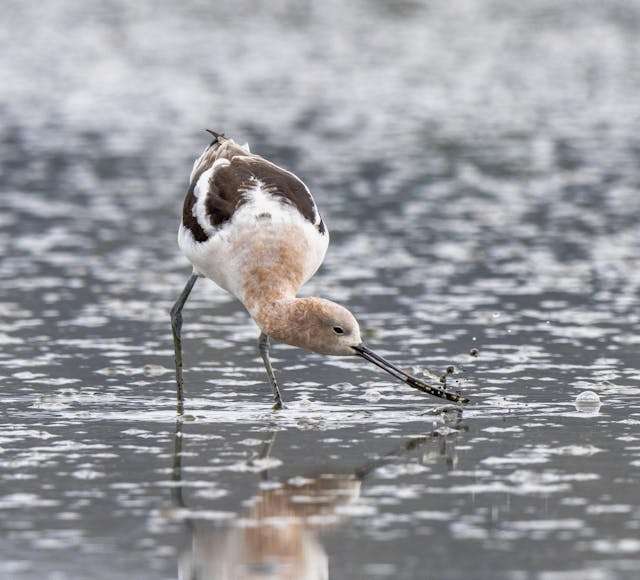
The refuge's location and actively managed wetlands—including eight water-controlled pools—make it an exceptional birdwatching destination, particularly for shorebirds and waterfowl. Kellys Slough NWR has been designated as a Western Hemisphere Shorebird Reserve Network (WHSRN) Site of Regional Importance, hosting over 35,000 shorebirds between April and August. Birders can regularly spot over 22 species of shorebirds during peak migration, including the American Avocet, Wilson's Phalarope, Lesser Yellowlegs, and Marbled Godwit.
Additionally, the managed pools and surrounding grasslands provide nesting habitat for a wide variety of species: over a dozen species of ducks, such as Mallards and Blue-winged Teal, along with grassland birds like Bobolinks and various sparrows. An elevated viewing platform and short nature trails offer excellent, accessible vantage points for observing these spectacular concentrations of migrating and breeding waterbirds.
Target Birds
Willow Flycatcher
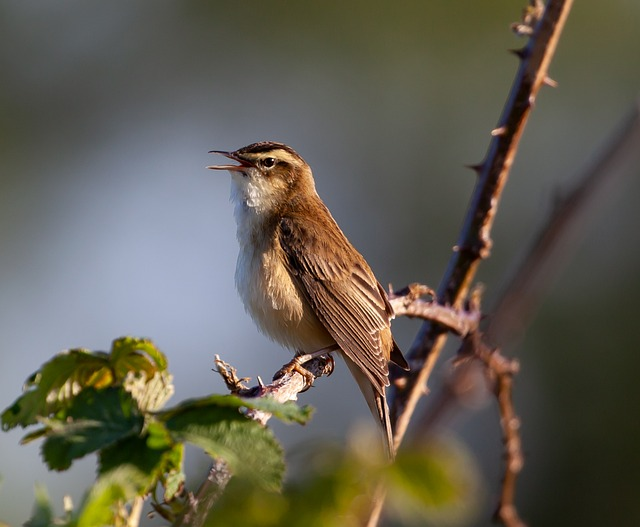
Sedge Wren
Grasshopper Sparrow
Dickcissel
Trumpeter Swan
Gray Partridge
Marbled Godwit
The Grand Cities Bird Club has fantastic detail about what to see where and is a must read for birding visitors.
Lostwood NWR
Lostwood National Wildlife Refuge (NWR) is a critical birding destination located in the heart of the Missouri Coteau region in northwestern North Dakota, primarily situated in Burke and Mountrail Counties, about 20 minutes north of Stanley. This area is a striking example of the Prairie Pothole Region, a vast, glacially-formed landscape characterized by rolling to steep hills covered in northern mixed-grass prairie and dotted with countless wetlands, locally known as "potholes."
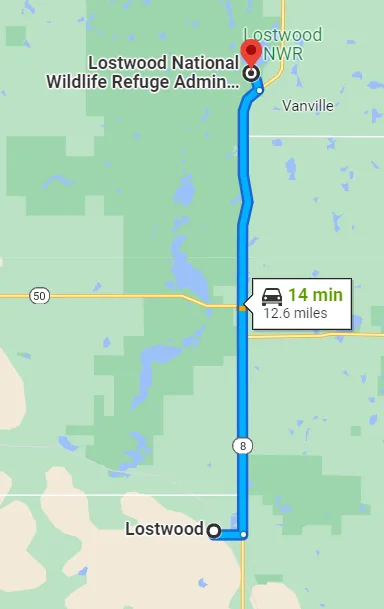
The Refuge encompasses 27,589 acres, including a 5,577-acre Wilderness Area, and protects one of the largest publicly owned tracts of pristine native prairie remaining in the state. Its unique, undulating topography and high density of temporary and permanent wetlands make it a vital breeding ground in the Central Flyway, distinct from the flatter landscapes elsewhere in North Dakota.
Lostwood NWR is internationally recognized for its ecological importance, having been designated a Globally Important Bird Area by the American Bird Conservancy and National Audubon Society. The refuge is considered one of the best locations in North Dakota to observe rare and specialized grassland-dependent bird species, which rely on the native mixed-grass prairie for survival.
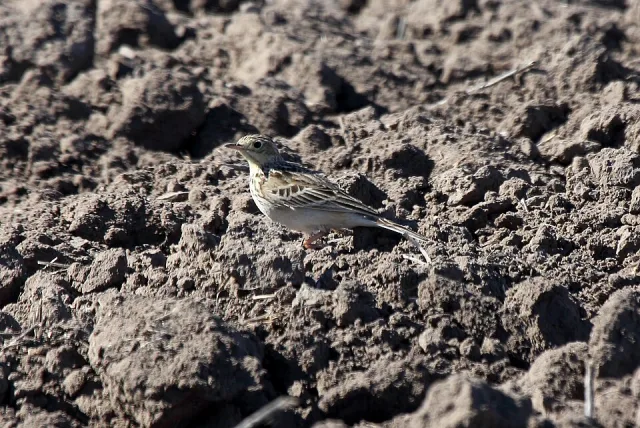
Birders flock here to find sought-after species such as the Sprague's Pipit and Baird's Sparrow, alongside other prairie inhabitants like the Chestnut-collared Longspur, Grasshopper Sparrow, Upland Sandpiper, and Marbled Godwit. The plentiful wetlands also support numerous breeding waterfowl, including over a dozen species of ducks, grebes, and black terns. Viewing opportunities are excellent via a 7-mile self-guided auto tour and observation blinds, particularly during the peak nesting season of May and June.

Target Birds
Slavonian Grebe
Spotted Sandpiper
Vesper Sparrow
Swainson's Hawk
Sprague's Pipit
Chestnut-collared Longspur
- Prairie Falcon
The USFWS website has good information for visitors to the refuge.
Turtle River SP
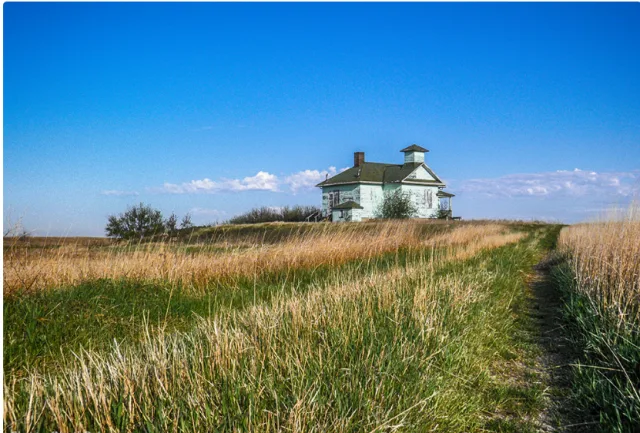
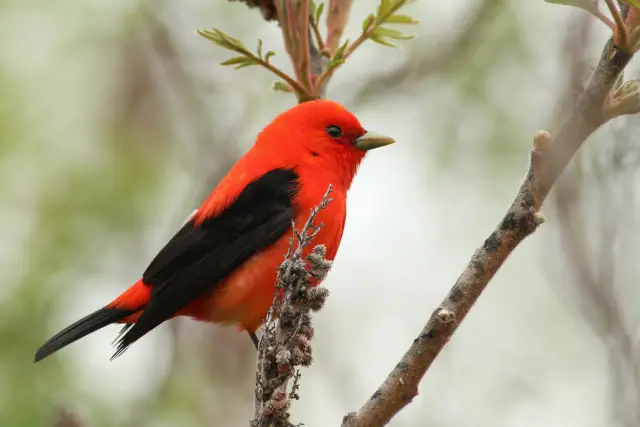
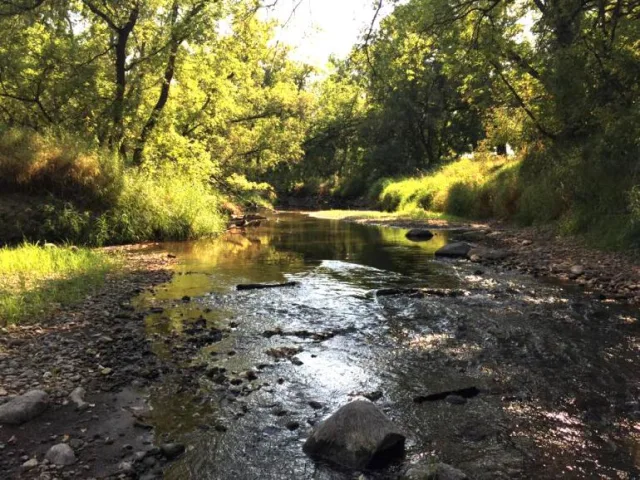
Turtle River State Park is a scenic recreational oasis located in Grand Forks County in the eastern part of North Dakota, approximately 22 miles west of the city of Grand Forks. The park's distinct geography is defined by the Turtle River, which meanders through a heavily wooded valley carved into the surrounding flat terrain of the Red River Valley.
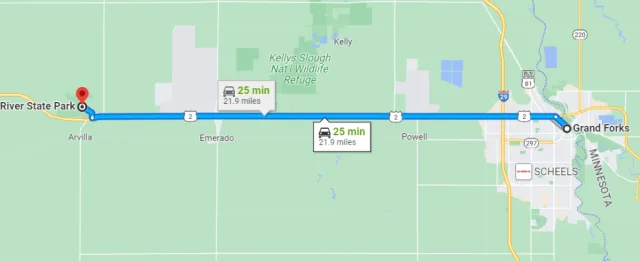
This area is a significant anomaly in the predominantly prairie landscape, as the river corridor provides a deep, sheltered environment with mature deciduous trees. The park encompasses 775 acres of mixed habitat, including lush riparian forest along the riverbanks, wooded hillsides, and small pockets of open prairie and oxbow wetlands. This variety, contrasted with the vast plains nearby, makes it a unique ecological pocket.
The diverse, mature woodland and riverine habitat at Turtle River State Park make it a prime location for birdwatching, particularly for species not typically found in the state's central prairie pothole region. The park is home to a varied bird population, with over 100 different types of birds recorded, including various species of warblers, sparrows, and woodpeckers.

During the spring migration, the wooded river valley acts as a crucial stopover and "migrant trap" for neotropical songbirds traveling along the Central Flyway. Birders can walk the over 13 miles of trails, such as the River View or Eco Loop trails, to look for species like the Brown Thrasher and the Gray Catbird, as well as various ducks and turtles nesting in the oxbow wetlands. The best time for birding is during the spring migration or early summer when nesting activity is at its peak.
Target Birds
Hooded Merganser
American Redstart
Rose-breasted Grosbeak
Scarlet Tanager
Indigo Bunting
Alder Flycatcher
Philadelphia Vireo
The North Dakota Parks and Recreation website has guidance and checklists for viewing wildlife within the park.
Wrapping Up
In conclusion, North Dakota is an essential, yet often underrated, destination that every serious birder must experience. Its unique status as the heart of the Central Flyway and the Prairie Pothole Region ensures a dynamic spectacle throughout the migration seasons, offering hundreds of thousands of waterfowl at sites like Audubon NWR and high concentrations of shorebirds. Beyond the sheer numbers, the state is the premier location for finding sought-after grassland specialties—birds that thrive in the expansive, mixed-grass prairie landscape. Whether you are traversing the wide-open spaces searching for the sky-larking display of the Sprague's Pipit or exploring the wooded river corridors of Turtle River State Park for migrating warblers, North Dakota offers accessible birding with a refreshing lack of crowds. It remains a tranquil, wide-open sanctuary where the abundance of avian life—from the grand American White Pelican to the subtle beauty of the Baird's Sparrow—provides an unparalleled opportunity to connect with the raw biodiversity of the North American plains.
Birds of North Dakota: Beautiful Backyard, Marvelous Migrants and the Rare Species
