

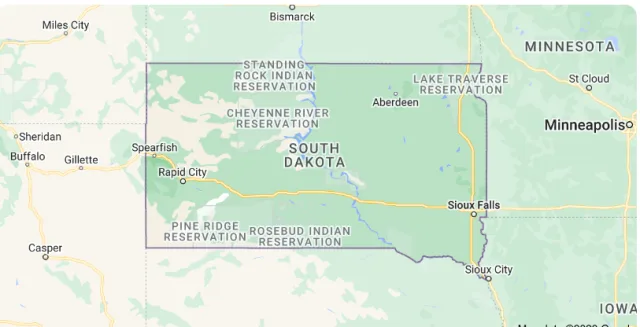
Whether you are a seasoned enthusiast hoping to spot a charismatic western specialty like the American Dipper or a grassland icon such as the Sprague's Pipit or Burrowing Owl, or a beginner simply looking for a fantastic place to observe migratory waterfowl, South Dakota delivers. Its diverse geography means you can find forest birds typical of the Rocky Mountains, eastern species thriving along the Missouri River, and the distinctive birds of the mixed-grass prairie, all within a few hours' drive. This article will guide you through the premier birding hotspots and the magnificent avian residents and visitors that make South Dakota an unforgettable destination for bird lovers.
Lake Andes NWR
The Lake Andes National Wildlife Refuge is strategically located in southeastern South Dakota, near the town of Lake Andes in Charles Mix County. Geographically, it is situated north of the Fort Randall Dam on the Missouri River and lies within the extensive Plains and Prairie Potholes Region, an area renowned for its critical importance to continental waterfowl populations.
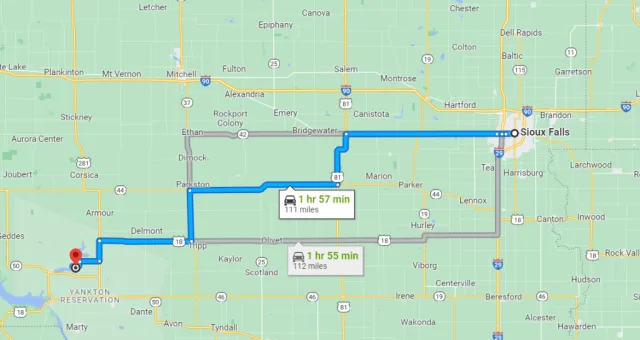
The refuge's core feature is the 4,700-acre Lake Andes, a natural, shallow prairie lake formed during the last Ice Age. The surrounding refuge lands, totaling about 5,639 acres, encompass a mix of vital habitats including wetlands, grasslands, and riverside forests. This mosaic of water and prairie habitat is what makes the refuge a key stopover and breeding area for migratory birds.
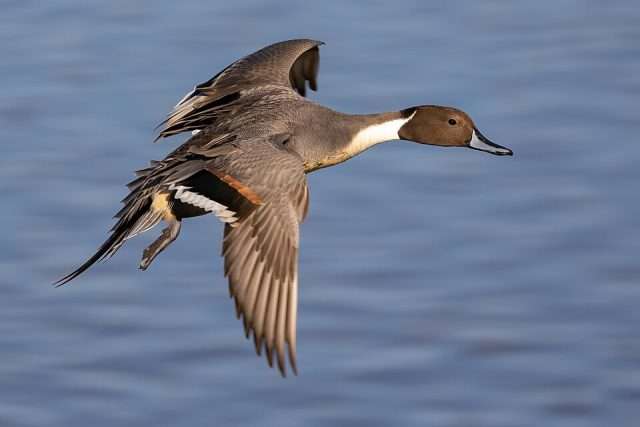
This diverse geographical setting creates outstanding opportunities for bird watching, especially during the spring and fall migrations when the refuge hosts tens of thousands of waterfowl and shorebirds. Birders can expect to see numerous species of ducks and geese, such as Northern Pintails, as well as a variety of shorebirds and waterbirds. The refuge also supports nesting populations of various species, including Bald Eagles and Ring-necked Pheasants.
For a more focused raptor viewing experience, the nearby, but publicly closed, Karl E. Mundt National Wildlife Refuge is a separate unit of the complex established specifically for Bald Eagle protection, where their numbers can approach 200 during harsh winters, making the whole complex area crucial for birding enthusiasts. Migrating songbirds and grassland species can also be found in the terrestrial habitats surrounding the lake.
Target Birds
American Avocet
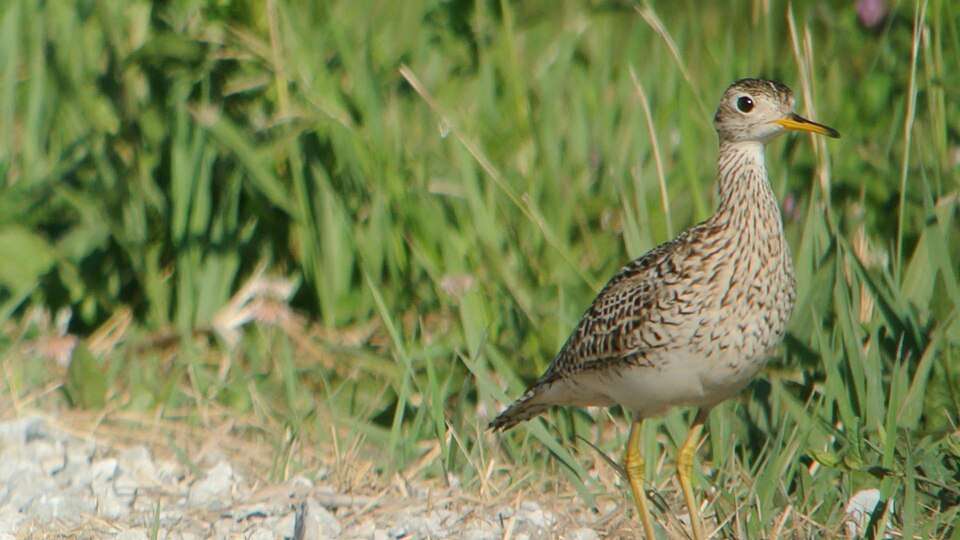
Upland Sandpiper
Bobolink
Western Meadowlark
Gadwall
American White Pelican
Willow Flycatcher
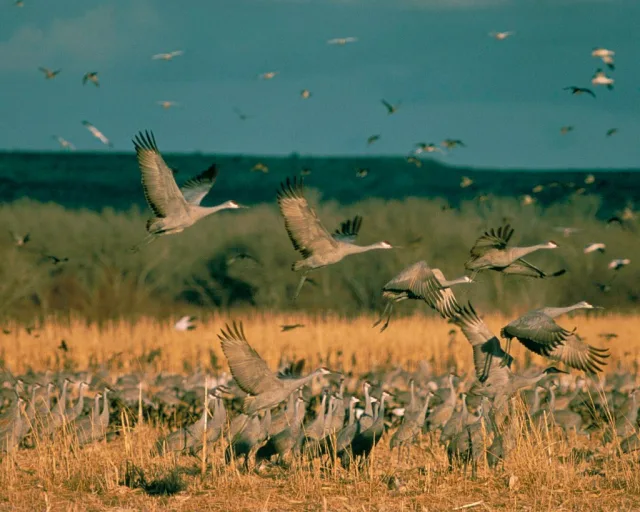
The U.S. Fish and Wildlife Service has access information for the park and is a good place to start planning a trip.
Oahe Downstream Rec. Area
The Oahe Downstream Recreation Area is a state recreation area in central South Dakota, located immediately below the Oahe Dam on the Missouri River. This strategic location, just north of Fort Pierre and near the state capital of Pierre, places it in a region where the river flows freely below the massive Lake Oahe reservoir. The geography is characterized by the river corridor, which includes a forested expanse with large cottonwood trees along the banks, and a transition to the surrounding green, rolling prairie and grassland habitats.
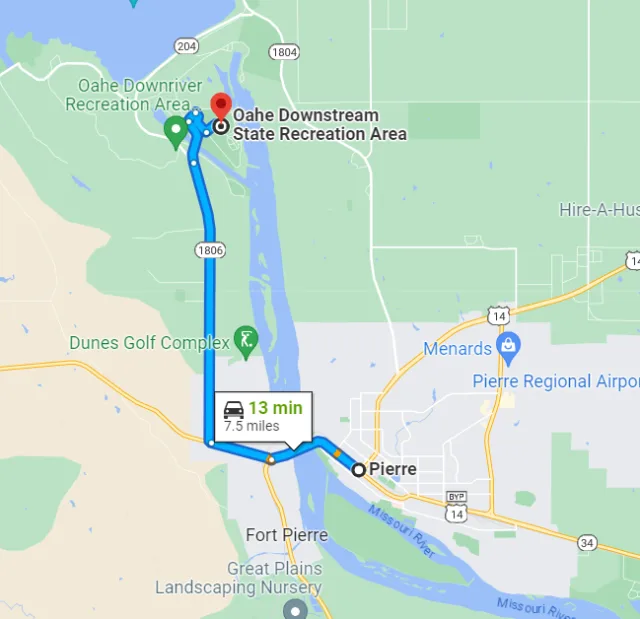
This convergence of riparian forest, open water, and prairie makes the 900+ acre park a significant ecological oasis and a natural migration corridor, offering diverse habitats that attract a high number of bird species. The area includes the stilling basin, a marina, and various trails like the Cottonwood Path.
The varied habitats at the Oahe Downstream Recreation Area provide exceptional bird watching opportunities throughout the year. The park is most famous for its concentration of Bald Eagles during the winter, which are drawn to the open water of the Missouri River tailrace below the dam, where they hunt for fish. Bird watchers can often see these majestic raptors roosting in the tall cottonwood trees close to the riverbank. Beyond the eagles, the open water also attracts numerous gulls, terns, and waterfowl, especially during migration and winter, sometimes yielding rare sightings for the state.
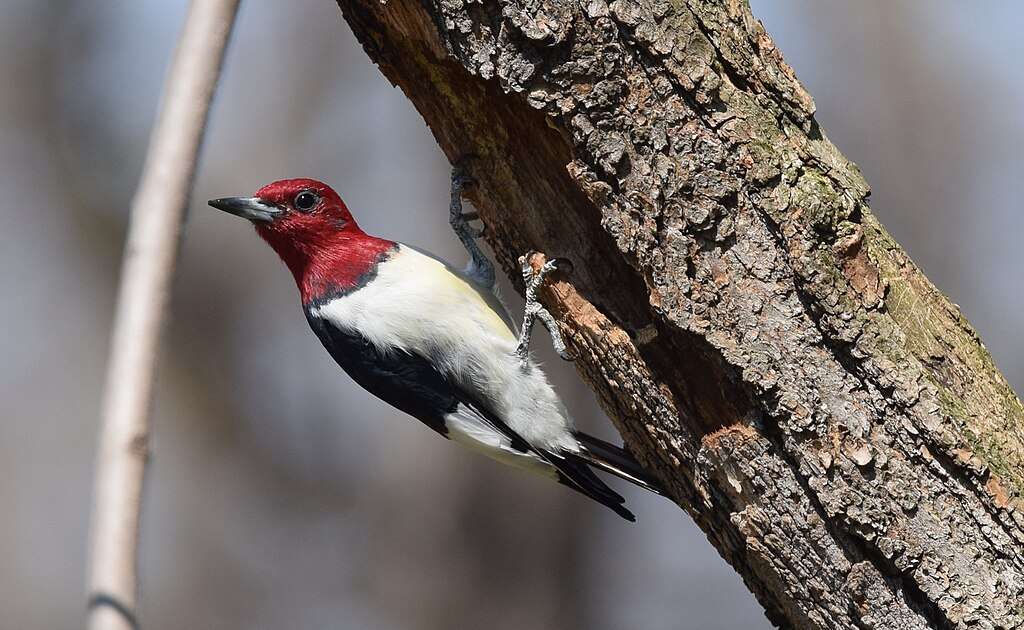
In the forested areas, birders can spot species like Red-Headed Woodpecker, Orchard Oriole, and during migration, a variety of warblers and other songbirds. The Cottonwood Trail and the prairie butterfly garden near the entrance are noted areas for spotting a diverse array of species, making the recreation area a highly-regarded hotspot on South Dakota's birding map.

Target Birds
Common Nighthawk
Spotted Towhee
Red-headed Woodpecker
Western Kingbird
Osprey
Piping Plover
The South Dakota Gov has information about the park and others and the recreational opportunities you can find there.
Newton Hills SP
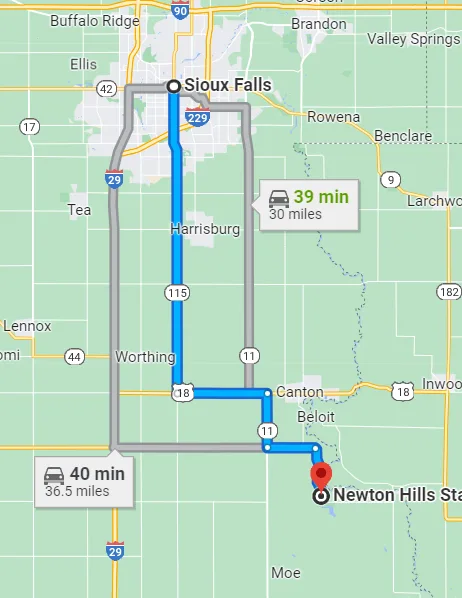
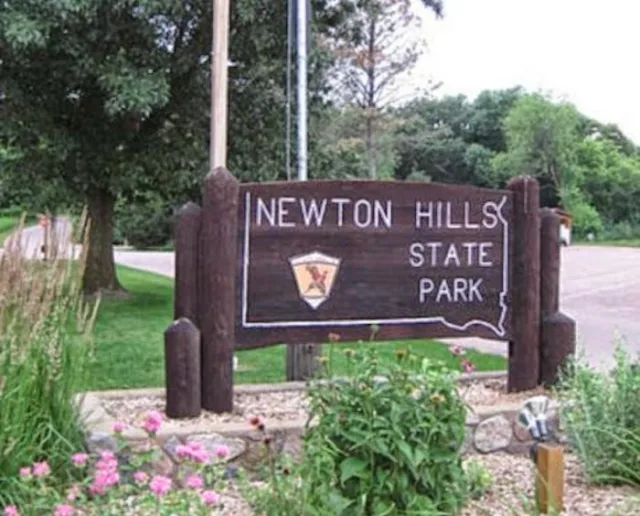
Newton Hills State Park is situated in Lincoln County, southeastern South Dakota, about 20 miles south of Sioux Falls and six miles south of the town of Canton. Geographically, it is an ecological "oasis" of rugged, rolling hills and thick deciduous forest that rises dramatically from the surrounding flat agricultural plains and farmlands.
This unique landscape is part of the Prairie Coteau region, a series of hills formed by glacial activity thousands of years ago. The park's varied habitats include dense upland deciduous forest, bottomland forest along Sergeant Creek, grassy prairie tracts, and the open water of Lake Lakota, offering a rich diversity that is uncommon in this part of the state.
This varied geography makes Newton Hills State Park one of South Dakota's premier birding locations, with over 200 species of birds visiting the area annually. The extensive deciduous woodlands are a magnet for migrant and breeding songbirds, particularly during the spring and fall migration periods along the Central and Mississippi Flyways, when more than 20 species of warblers, including the Blackburnian Warbler and Blue-gray Gnatcatcher, may be spotted.
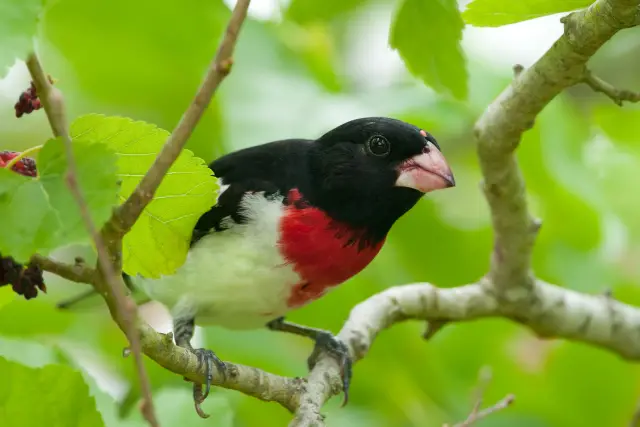
The Sergeant Creek area, with its beaver ponds and thick undergrowth, is noted as one of the best birding spots in the state for finding forest species otherwise rare in South Dakota. Birdwatchers can also look for woodland species like Scarlet Tanagers and Rose-breasted Grosbeaks, as well as raptors such as Cooper's Hawks. The park even hosts an annual Birding Festival, highlighting its importance to the regional birdwatching community.
Target Birds
Yellow-bellied Sapsucker
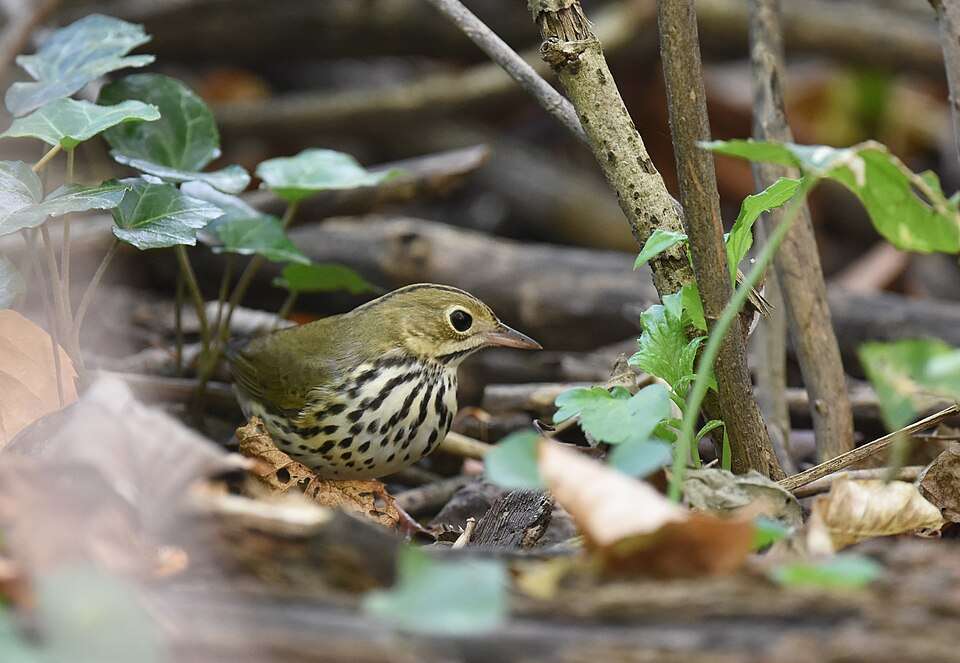
Ovenbird
Blue-winged Warbler
Scarlet Tanager
Eastern-whip-poor-will
Barred Owl
Cedar Waxwing
The South Dakota Game, Fish and Parks website has details about the park as well as its history.
Farm Island
Farm Island Recreation Area is a state park in Hughes County, South Dakota, located about four miles east of the state capital, Pierre, off Highway 34. Geographically, it is named for an island situated in the Missouri River, which is now part of the much larger Lake Sharpe, a reservoir created by the Big Bend Dam downstream.
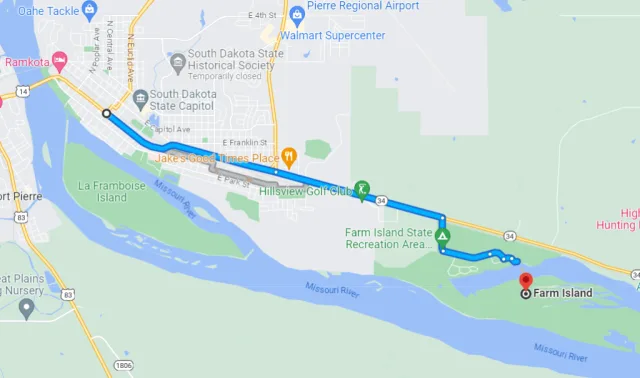
The original island is now permanently connected to the mainland via a causeway, creating a unique area of approximately 1,800 acres of parkland and water access. The park offers a variety of habitats, including lake shoreline, wooded areas (especially cedars), and trails, making it a popular spot for outdoor activities like camping, hiking, fishing, and boating on the lake.
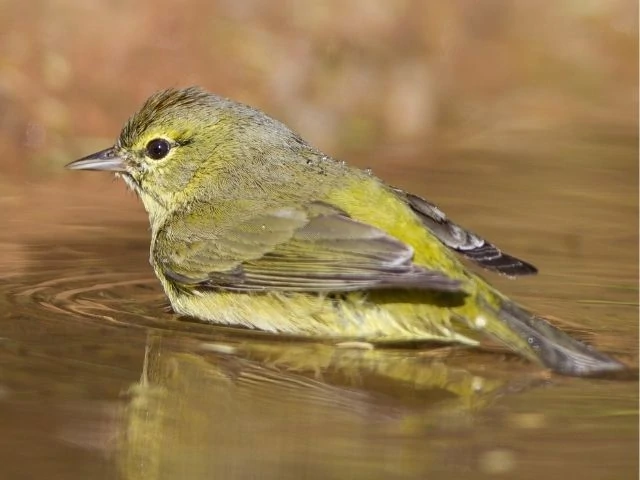
The diverse habitats at Farm Island, particularly the island nature area and proximity to the Missouri River corridor, create excellent bird-watching opportunities year-round, especially during migration. Over 117 bird species have been banded at the site, highlighting its importance as migratory habitat. Common birds banded at the recreation area include warblers like the Orange-crowned Warbler and Yellow Warbler, as well as the Swainson's Thrush, and Common Yellowthroat.
In winter, the cedar trees attract species like Northern Saw-whet Owls, Long-eared Owls, and Townsend's Solitaires. The park features an eight-mile trail system, including the three-mile Nature Exploration Trail, which allows birders to explore various parts of the island's unique ecosystem.
Target Birds
Northern Shoveler
Yellow-billed Cuckoo
Bald Eagle
Tennessee Warbler
American Redstart
Western Grebe
Franklin's Gull
The South Dakota GFP again has useful information about the area and can help you plan.
Oakwood Lakes State Park
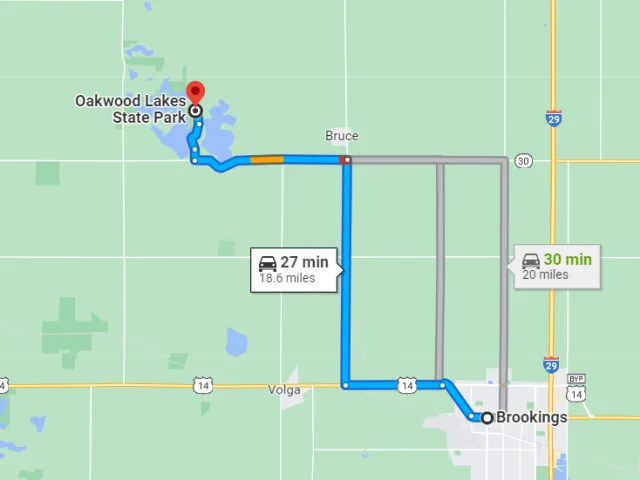
Oakwood Lakes State Park is a significant natural gem nestled in the eastern portion of South Dakota, near the town of Brookings, placing it squarely within the state's Glacial Lakes and Prairies region. Geographically, the park's primary feature is a chain of eight connecting glacial lakes, including the large Lake Tetonkaha and Johnson Lake, which together comprise nearly 3,000 acres of water.
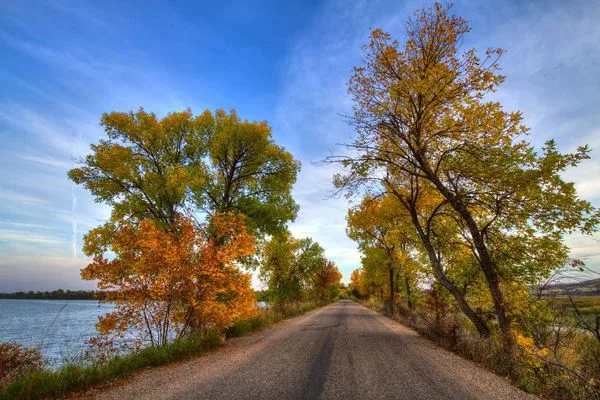
The park's landscape is a classic example of glaciation, featuring wetlands, open meadows, and woodlands, including remnant stands of cottonwood trees along the shorelines. This varied geography—the interplay of open water, marsh, and mixed forest—makes it an ideal location for wildlife observation and provides critical habitat diversity on the generally flat prairie.
As a designated stop on the Glacial Lakes and Prairies Birding Trail, Oakwood Lakes State Park offers exceptional birdwatching, with over 150 species having been spotted in the area. The abundant water and marshland draw huge numbers of migratory waterfowl, particularly in the spring when massive flocks of Snow Geese and Ross's Geese pass through.
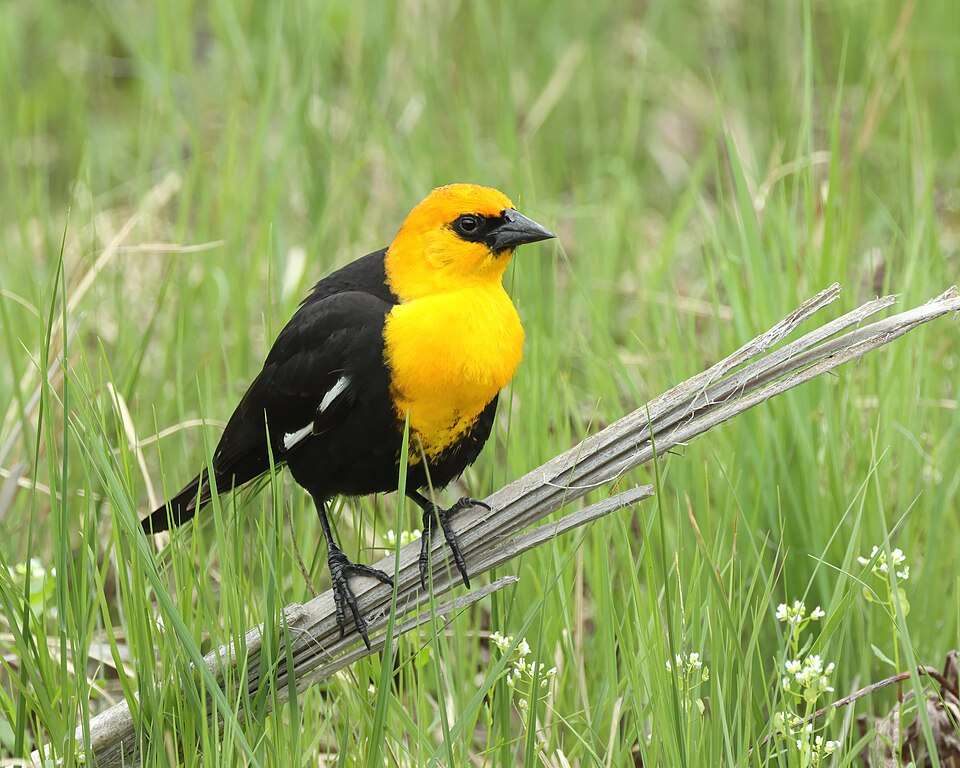
Year-round and summer residents include a wonderful mix of water and woodland birds, such as White Pelicans, Great Egrets, Green Herons, and American Bitterns in the wetlands. Songbirds are also plentiful in the woods, with notable sightings of Eastern Bluebirds, Northern Cardinals, Red-bellied Woodpeckers, and Yellow-headed Blackbirds. Birders also have the opportunity to see raptors, with sightings of Red-tailed Hawks and, historically, Bald Eagles utilizing the area's tall cottonwoods for roosting.
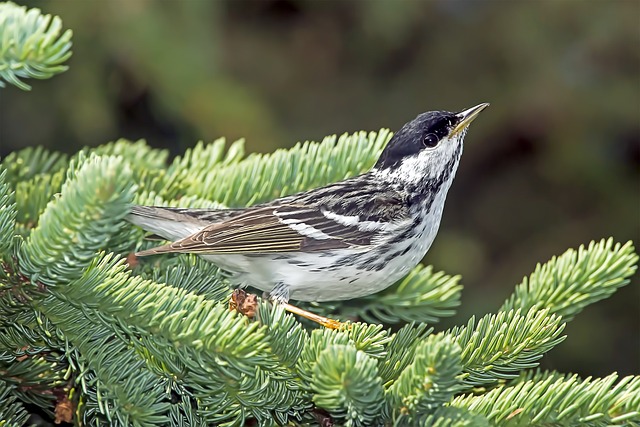
Target Birds
Ruddy Duck
Forster's Tern
Green Heron
Belted Kingfisher
Yellow-throated and Red-eyed Vireo
Blackpoll Warbler
Rose-breasted Grosbeak
The America State Parks website has information about the bird watching and other recreational activities that can be found here.
Sand Lake NWR
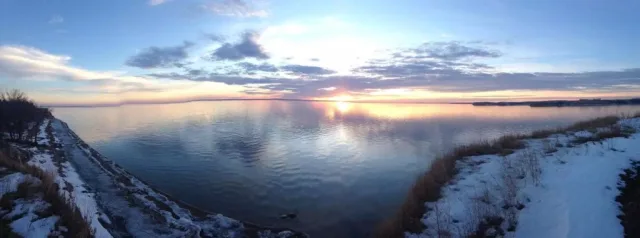
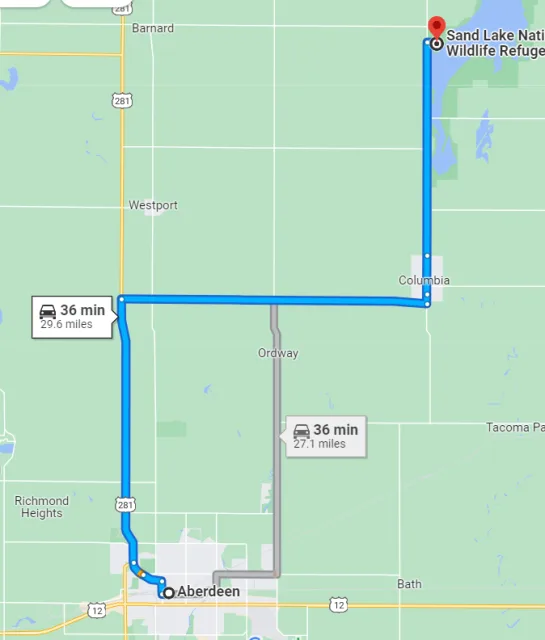
Sand Lake National Wildlife Refuge (NWR) is an expansive 21,498-acre federally protected area situated in Brown County in the northeastern part of South Dakota, approximately 27 miles northeast of the city of Aberdeen. Geographically, the refuge lies in the heart of the Prairie Pothole Region of the northern Great Plains, placing it along the critical Central Flyway for migratory birds.
Its terrain is a diverse mix of habitats, including shallow open lakes (Sand Lake and Mud Lake, which are fed by the James River), vast freshwater cattail marshes, prairie grasslands, cultivated fields, and scattered woodlands. This mixture of wetland and upland habitat, much of which was created by dams built on local rivers during the New Deal era, makes it a vital ecological complex and has earned it designations as both a "Wetland of International Importance" (Ramsar site) and a "Globally Important Bird Area."
The refuge offers exceptional bird watching opportunities, having been recognized as one of North America's top birding sites, with over 260 bird species recorded. Visitors can witness spectacular concentrations of wildlife, particularly during the spring and fall migrations when hundreds of thousands, and sometimes over a million, migratory waterfowl (such as Snow Geese and ducks) rest and feed here.
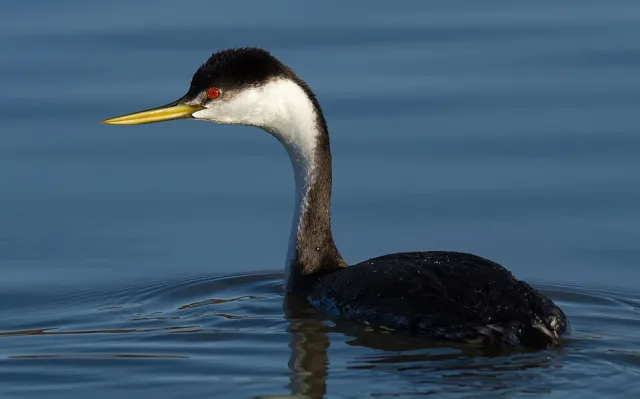
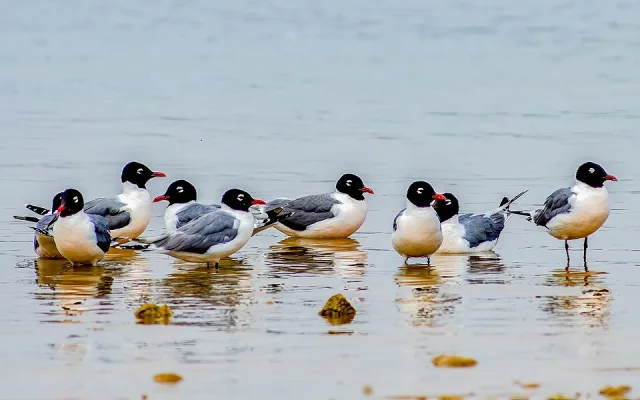
In addition to migrating species, the refuge is an important breeding ground for over 123 bird species, including the world's largest nesting colony of Franklin's Gulls, which forms a spectacular sight in the cattail marshes. Other birds frequently observed include Western Grebes, American White Pelicans, various shorebirds, and Bald Eagles. The best way to experience the diversity of the refuge is often via the auto tour route, which guides visitors through different habitats, supplemented by other activities like hiking and wildlife photography.

Target Birds
Western Grebe
Common and Black Tern
White-faced Ibis
Savannah and Clay-colored Sparrow
Snow and Ross's Goose
Bewick's Swan
The U.S. FWS has background information about the importance of the refuge.
Lacreek NWR
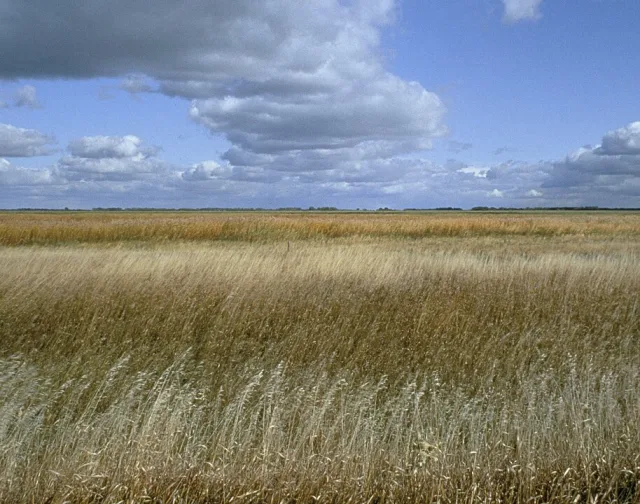
Lacreek National Wildlife Refuge is a vast 16,570-acre sanctuary situated in Bennett County in southwestern South Dakota, close to the Nebraska border. It is the only National Wildlife Refuge in the state headquartered west of the Missouri River. The geography of the refuge is a unique combination of habitats that create a vital ecological pocket within the semi-arid Great Plains.
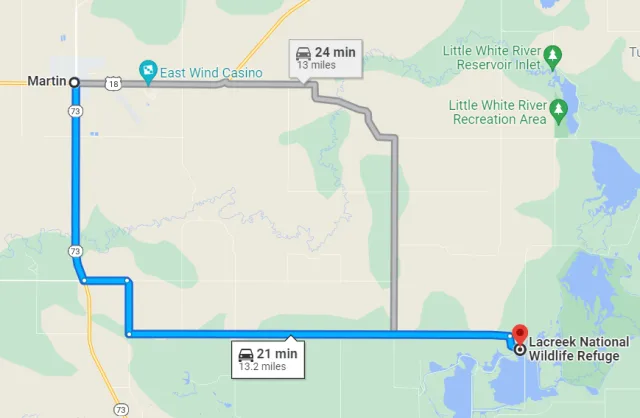
It lies in the shallow Lake Creek valley on the northern edge of the Nebraska Sandhills, featuring a mosaic of impounded freshwater marshes, sub-irrigated meadows, native sandhills, and mixed-grass prairie uplands. This varied landscape, managed with a series of low dikes to maintain wetland pools, is a critical stopover point within the Central Flyway, one of North America's major migratory bird routes.
The Refuge is an exceptional destination for bird watching, with over 280 species recorded. Opportunities for wildlife observation are excellent year-round, with the Auto Tour Route and designated walking trails offering easy access to diverse habitats. Highlights include observing the large wintering concentrations of Trumpeter Swans that utilize the open water of the spring-fed flows.
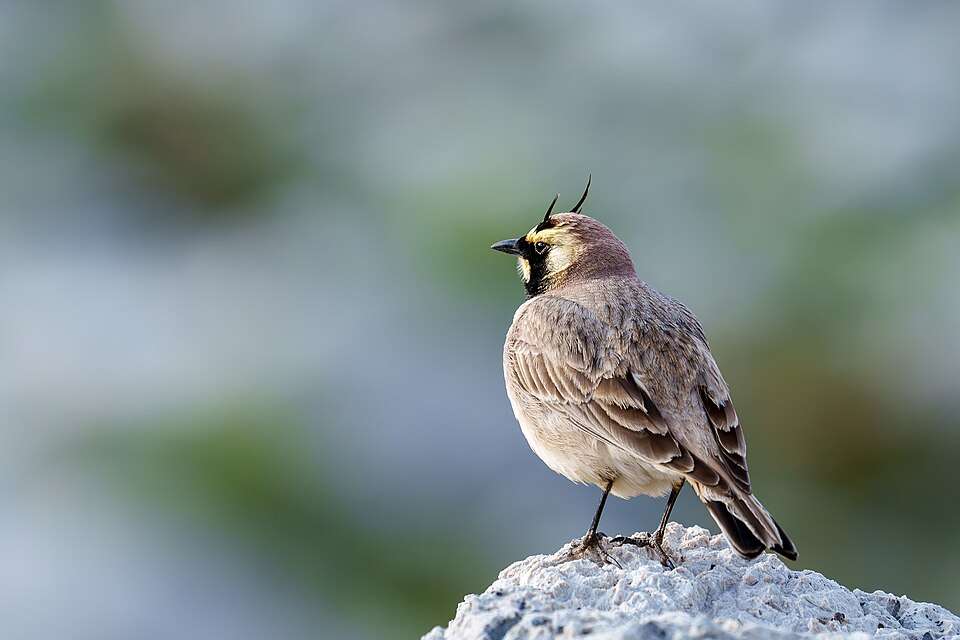
During the spring and fall migrations, the wetlands fill with migrating waterfowl, Sandhill Cranes, and shorebirds. Summer brings nesting birds like American White Pelicans (viewable at the Pelican Island Trail), Great Blue Herons, Burrowing Owls, and prairie songbirds such as Dickcissels and Grasshopper Sparrows. For a unique experience, the refuge offers viewing blinds for observing the early morning prairie grouse lek displays in the spring, though reservations are required.

Target Birds
Trumpeter Swan
Golden Eagle
Northern Harrier
Loggerhead Shrike
Shore Lark
American Bittern
Willet
Great Horned Owl
The South Dakota Birds website has really nice descriptions of the area.
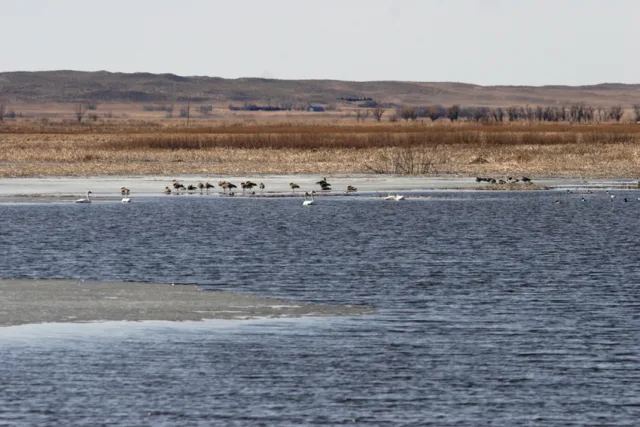
LaFramboise Island
LaFramboise Island Nature Area is a unique and accessible location situated in the Missouri River directly adjacent to Pierre, South Dakota, the state capital. Geographically, it is a river sandbar island, a type of landform that was once more common along the Missouri River before the construction of upstream dams like the Oahe and Big Bend projects.
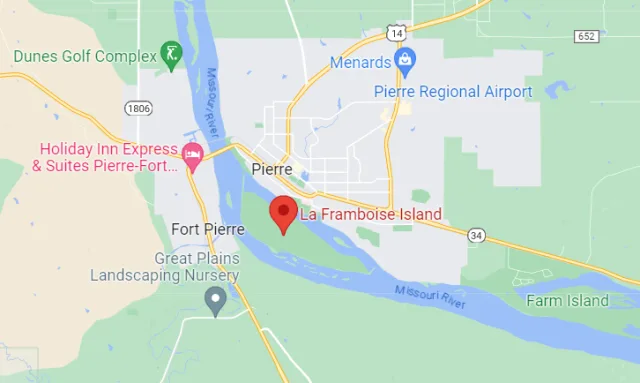
The island is approximately two miles long, covering about 600 acres, and is easily accessed by a causeway connecting it to the city of Pierre, making it a convenient natural retreat. Its varied terrain includes deciduous forests (primarily cottonwood, but also ash and Russian olive), dense tangles of cedar forest, open grasslands/meadows, and shoreline along the river, providing a diverse mix of habitats.
This variety in habitat makes LaFramboise Island an excellent spot for birdwatching year-round, as it is part of the Great Lakes Birding Trail. The combination of river, sandbars, and forested areas attracts a wide array of species, especially during migration. The river surrounding the island, particularly near the causeway where a strong current keeps water open even in the dead of winter, is a magnet for waterfowl and gulls.
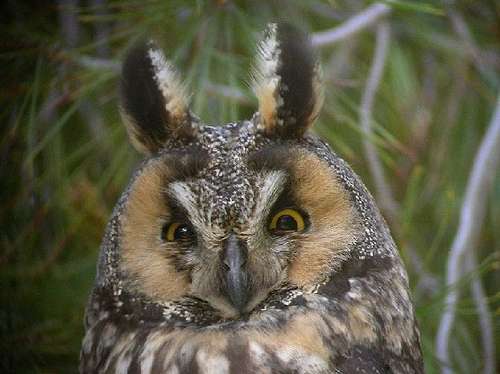
The dense cedar thickets and woodlands on the island are key areas to search for wintering owls, such as Northern Saw-whet and Long-eared Owls, as well as songbirds like Townsend's Solitaires and Bohemian Waxwings. During the warmer months, the forests host various songbirds, warblers, and raptors, ensuring birders have excellent opportunities for sightings regardless of the season.
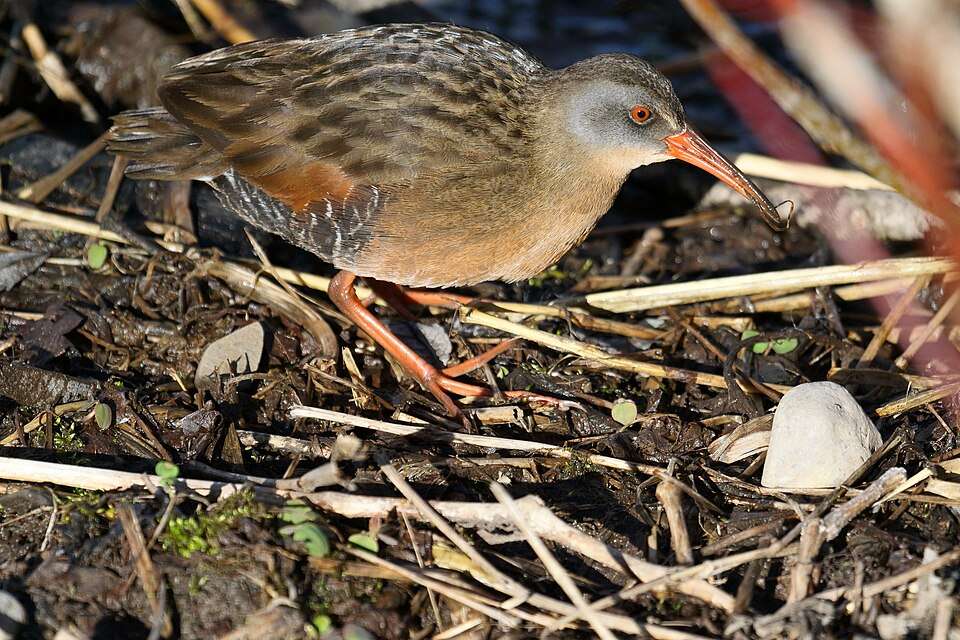
Target Birds
Warbling Vireo
Indigo Bunting
Swainson's Thrush
Western Grebe
Harris's Sparrow
Orange-crowned Warbler
- Virginia Rail
The SD GFP site has more good details about the island and its history.
Dakota Nature Park
The Dakota Nature Park is a 135-acre outdoor facility located on the southern edge of Brookings, South Dakota, specifically at the corner of 22nd Avenue South and 32nd Street South. The park's unique geography is a result of a reclamation project, as it was established on the site of a former landfill and old gravel pits.
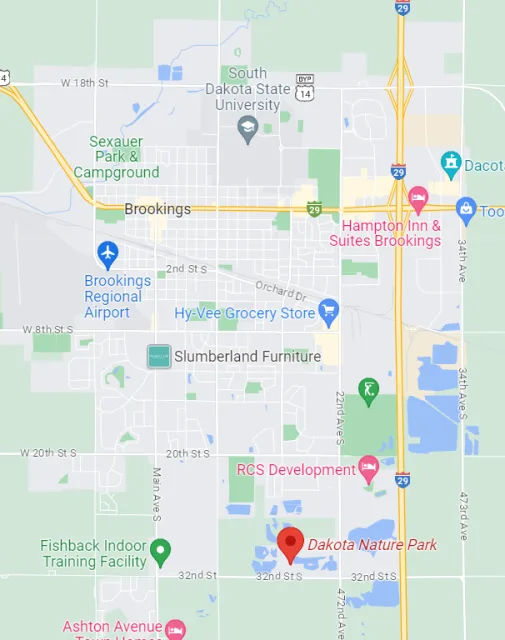
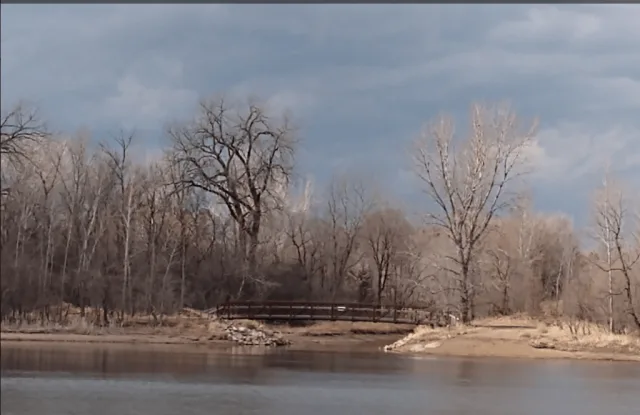
This history has shaped its diverse landscape, which includes a blend of restored native prairie grasslands dominating the reclaimed landfill area (a large, grassy hill), a series of open water ponds left over from gravel mining, cattail marsh and wetland areas, and pockets of deciduous and evergreen (pine) forests. A network of paved and primitive trails winds throughout these varied habitats, offering access for visitors.
The variety of habitats within Dakota Nature Park makes it an exceptional bird-watching hotspot in eastern South Dakota, with nearly 200 bird species identified so far. The open water ponds and associated wetlands are magnets for waterfowl and wetland species, especially during migration, including birds like Hooded Mergansers, American Coots, and Great Egrets. Boardwalks and trails near the wetlands allow birders to get closer views of marsh birds like Sora.
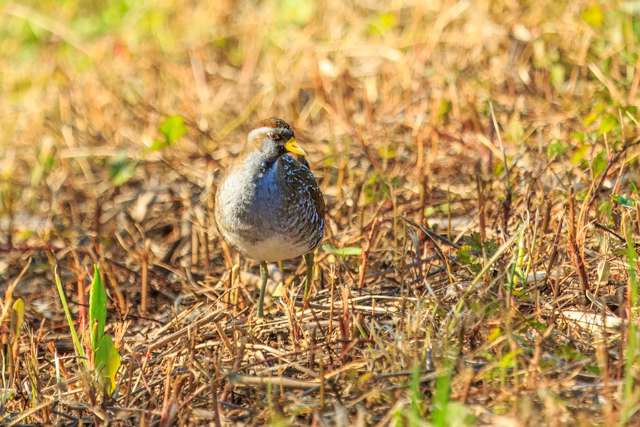
The extensive grassland on the old landfill attracts many typical South Dakota grassland species, while the deciduous and evergreen trees provide crucial habitat for songbirds and other woodland species, especially during spring and fall migration along the Central and Mississippi flyways. The Larson Nature Center on the park's southwest corner also serves as a focal point for bird-related activities and education.
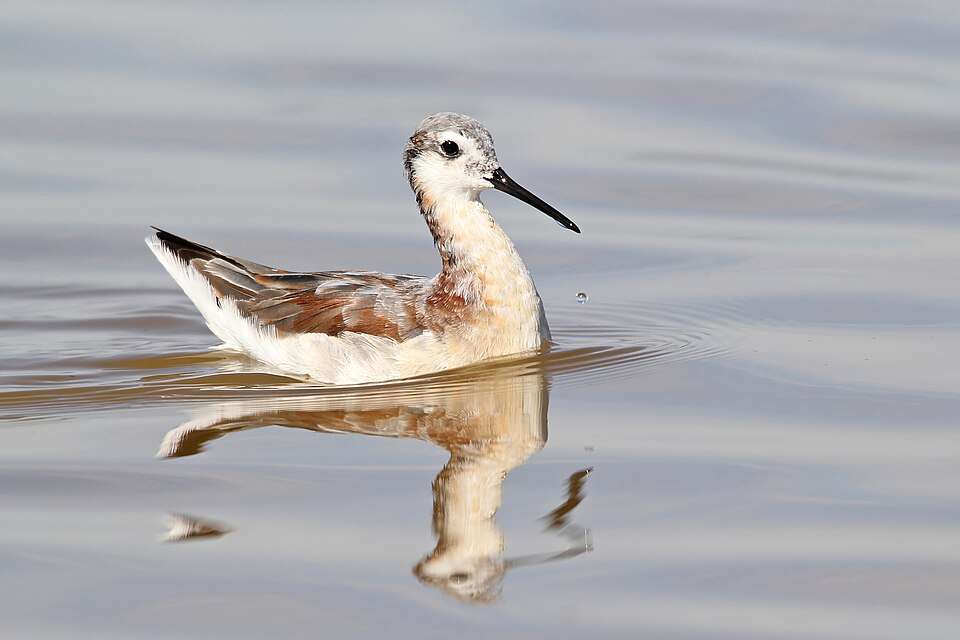
Target Birds
Least and Yellow-bellied Flycatcher
Lark and Lincoln's Sparrow
Bobolink
Wilson's Snipe
Wilson's Phalarope
The City of Brookings has background information about the park.
Badlands National Park
Badlands National Park is situated in southwestern South Dakota and is characterized by a dramatic landscape where mixed-grass prairie meets striking geological formations. The park's distinctive geography is dominated by deeply eroded buttes, pinnacles, and canyons of colorful sedimentary rock, collectively known as "The Wall," which acts as a barrier separating the upper and lower prairies.
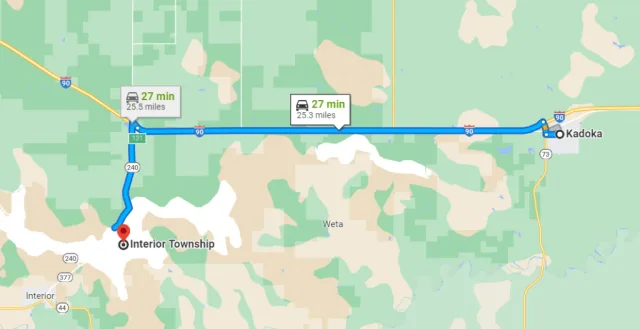
Roughly half of the park is comprised of these rugged badlands formations, while the other half is made up of mixed-grass prairie, creating a variety of habitats that support a diverse array of wildlife, including many species of birds. This unique environment makes the park an exceptional and visually stunning destination for nature enthusiasts.
The park's location at an "avian crossroads," where eastern and western bird species converge, offers excellent bird watching opportunities, with over 200 species having been documented. The varied habitats—including the steep cliffs and overhangs of the Badlands Wall, the expansive mixed-grass prairie, and the moist, juniper-filled slumps—attract different bird communities.
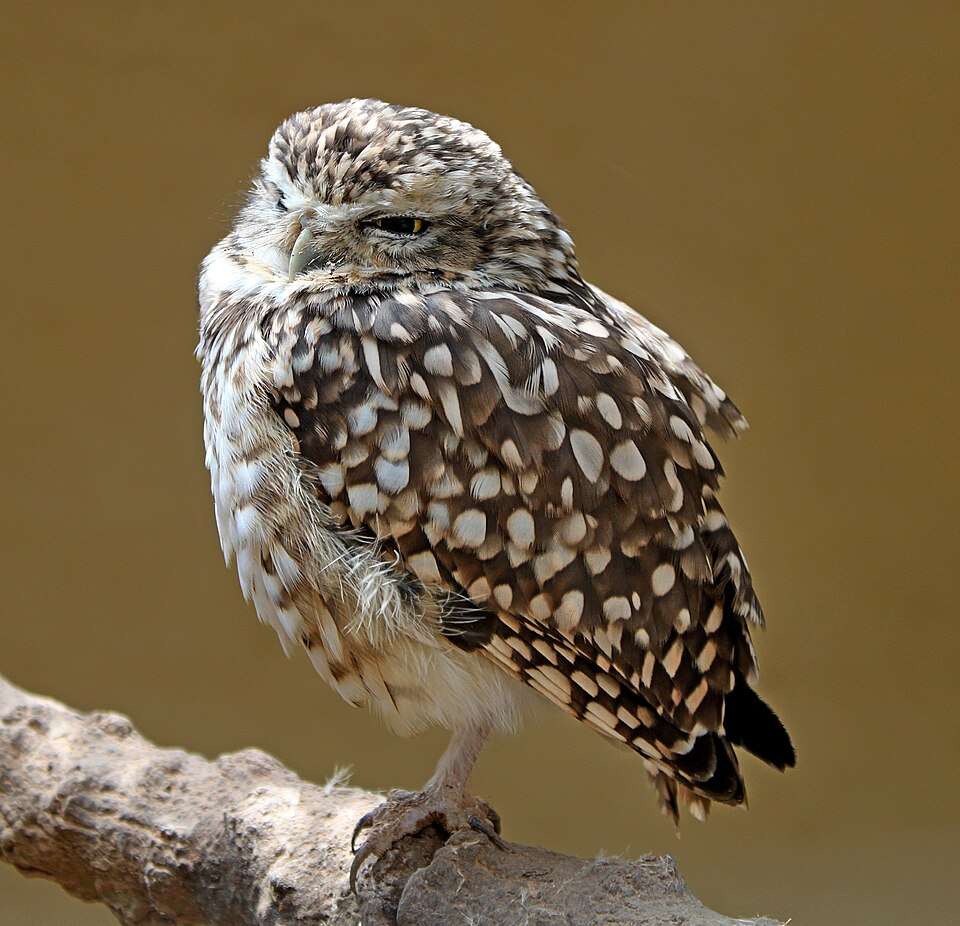
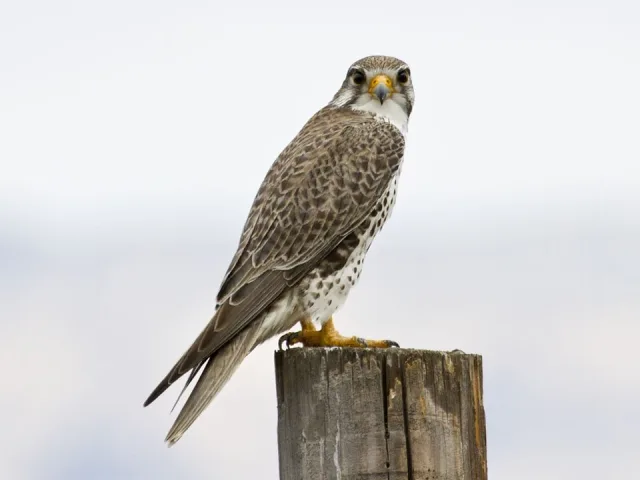
Birders can look for prairie species like the ubiquitous Western Meadowlark and the intriguing Burrowing Owl, which takes up residence in prairie dog burrows. The cliffs provide nesting sites for Golden Eagles and Prairie Falcons, while the slumps, such as those along the Cliff Shelf Nature Trail, are good places to spot species like Black-billed Magpies and, in winter, Townsend's Solitaires. Sage Creek Rim Road and the Badlands Wall are often highlighted as prime locations for spotting the park's impressive avian life.
Target Birds
Say's Phoebe
Shore Lark
Brewer's Blackbird
Rock Wren
Greater Prairie Chicken
Burrowing Owl
Swainson's Hawk
Shore Lark
The National Park Service plays an important role in planning a visit to remote places like the Badlands.
Wrapping Up
South Dakota is an undiscovered gem for birdwatching, offering a stunning diversity of habitats that collectively host over 400 species. The state's unique position, straddling the 100th meridian, provides a remarkable mix of Eastern and Western North American avifauna. Lying within the Central and Mississippi flyways, the state is a crucial corridor for migratory species. Spring and fall migrations bring massive numbers of waterfowl to the major reservoirs along the Missouri River, like Lake Oahe, and significant waves of warblers and songbirds to the riparian woodlands.
Birding in South Dakota often means enjoying solitude and vast, uncrowded landscapes. It’s an opportunity to observe sought-after species, including breeding grassland birds, montane specialties, and rare migrants like the Whooping Crane. The chance to spot hybrid zones—where Eastern and Western species like the Grosbeaks and Orioles interbreed—adds a fascinating layer to the experience.
Whether you're tracking life-list additions, contributing to citizen science via eBird, or simply seeking the thrill of witnessing birds in spectacular, varied natural settings, South Dakota offers an unparalleled, year-round birding adventure. It's a land where the vastness of the prairie meets the ruggedness of the mountains, creating a true paradise for birds and birders alike.
