

Wyoming, the "Equality State," is a land of vast, open spaces, dramatic mountain ranges, and sprawling high-desert plains. This unique topography makes it an exceptional destination for spotting birds of prey, or raptors. The state’s low human population density, combined with immense tracts of undeveloped public land (including national forests and two iconic national parks), provides uninterrupted habitat and plentiful prey—the essential ingredients for a thriving raptor population.
From the massive Golden Eagle soaring above the Tetons to the tiny American Kestrel perched on a fence post in the Great Plains, Wyoming hosts nearly all of North America's common raptor species, plus several sought-after western specialties. Successfully spotting them requires knowing the geography, understanding the seasons, and mastering the art of the roadside scan.
The Raptor Landscape: Why Wyoming is a Hotspot
Wyoming’s status as a raptor mecca stems from its geology and its crucial role in the American West's ecology.
1. Diverse Ecosystems
The state is a collision point of major biomes, each catering to different raptor foraging styles:
- The Plains and Basins: The high-desert shrubland of the Great Divide Basin and the Bighorn Basin are dominated by ground-dwelling prey like prairie dogs, jackrabbits, and voles. This is the prime habitat for Ferruginous Hawks, Swainson’s Hawks, and Prairie Falcons.
- The Mountains (Rockies, Tetons, Bighorns): The rocky slopes, alpine zones, and extensive forests provide nesting cliffs and cover. This is the exclusive domain of the Golden Eagle, Peregrine Falcon, and various forest owls.
- Riparian and Wetland Areas: The river valleys of the North Platte, Wind, and Snake Rivers support dense populations of smaller birds and rodents, attracting Ospreys, Bald Eagles, and Cooper’s Hawks.
2. Thermal Corridors
The steep, abrupt faces of the mountains, particularly along the eastern and western edges of the major ranges, create strong thermal updrafts. Migrating raptors, especially Buteos and Eagles, ride these columns of rising warm air to conserve energy. This makes the mountain foothills and ridges excellent places to observe large numbers of migrating birds in the spring and fall.
Wyoming's Essential Raptors: Who to Look For
The state's list of 30+ raptor species can be overwhelming, but focus on these key groups and specialty species for high-reward sightings.
1. The Eagles
Both of North America's eagle species are common in Wyoming, especially during the colder months.
Golden Eagle (Aquila chrysaetos): The resident eagle of the Western mountains. It's often found year-round in the remote, rugged areas of the state. Its massive size and dark, uniform plumage, contrasted by a golden nape, make it unmistakable.

Best Time & Place: Year-round. Look for them soaring high above the Wind River Range or perched on isolated rock outcroppings in the Red Desert.
Bald Eagle (Haliaeetus leucocephalus): While they nest in Wyoming, their numbers explode in the winter when they gather near open water to feed on fish and carrion.
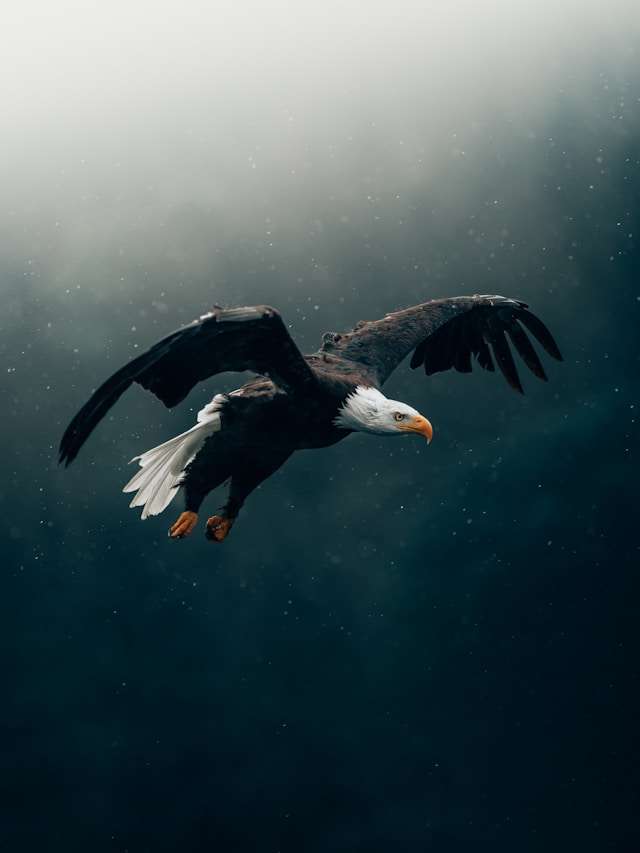
Best Time & Place: November through March. Look along the North Platte River, especially near Glendo and Guernsey Reservoirs, and in the open valleys of Jackson Hole.
2. The Prairie Specialists (Hawks)
Wyoming is arguably the best state to find several iconic open-country hawks.
Ferruginous Hawk (Buteo regalis): North America's largest and most impressive hawk, a specialty of the western plains. Key features include rusty-colored leg feathers that form a "V" on the belly, and a pale tail.

Best Time & Place: March through September. Look for them perched on the ground, haystacks, or low fence posts in the wide, open plains of the Great Basin or the rangelands of Eastern Wyoming.
Swainson’s Hawk (Buteo swainsoni): A summer resident, known for its incredible migration to South America. Adults have a dark chest band and pale undersides.
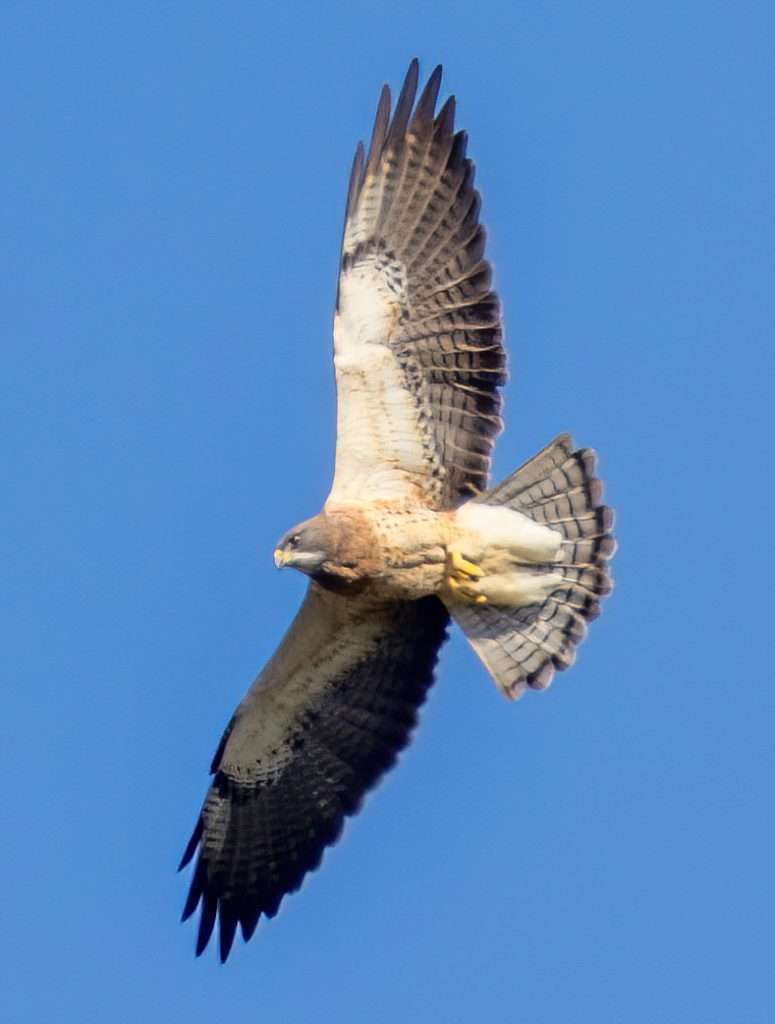
Best Time & Place: May through August. Often seen in large numbers foraging in agricultural fields or soaring in circles above the plains.
Rough-legged Hawk (Buteo lagopus): A large, pale hawk that is strictly a winter visitor, migrating south from the Arctic. It’s easily identified by its dark belly patch and feathered legs.

Best Time & Place: November through March. Look for it hovering (kiting) over the open plains while hunting rodents.
3. The Falcons
Wyoming’s canyon country is prime habitat for two large, swift falcons.
Prairie Falcon (Falco mexicanus): A mid-sized falcon of the open, arid west. It is lighter brown than the Peregrine and prefers hunting over sagebrush and short-grass prairie.
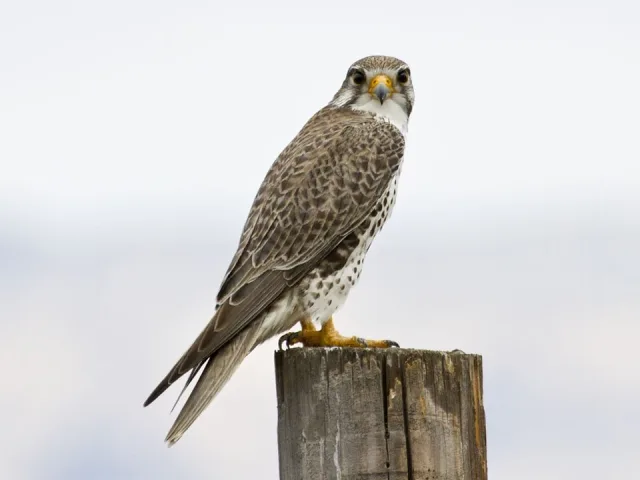
Best Time & Place: Year-round in the canyons and high plains. Look for the tell-tale dark armpit patches (axillaries) when it’s flying.
American Kestrel (Falco sparverius): The smallest and most colorful raptor. Often seen perched on utility wires, patiently waiting for grasshoppers or small rodents.
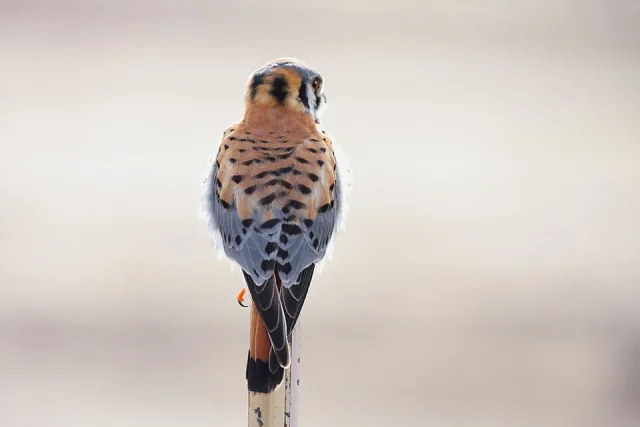
Best Time & Place: Year-round (some may migrate). Check telephone wires along any rural road in the state.
4. The Owls (Nocturnal Hunters)
Utah's variety of environments supports over a dozen owl species, from the common to the rare.
Great Horned Owl (Bubo virginianus): The most widespread owl, found in nearly every woodlot, canyon, or riparian area. Listen for its classic deep hoo-hoo-hoo call at dusk.

Burrowing Owl (Athene cunicularia): A state specialty. These long-legged, diurnal owls nest underground in abandoned prairie dog burrows.

Best Time & Place: April through September in large prairie dog towns in the basins, such as those around Thunder Basin National Grassland or the Shirley Basin.
Tips for Spotting Raptors in Wyoming
Raptor watching in Wyoming is often synonymous with roadside birding, as the sheer scale of the landscape makes spotting from a vehicle the most efficient method.
- Work the Roadsides and Powerlines: Raptors conserve energy by perching conspicuously to scan for prey. Drive the less-traveled county roads and scan powerline poles, telephone wires, and fence posts. These high points are preferred perches for Kestrels, Red-tailed Hawks, and wintering Rough-legged Hawks.
- Use Rest Stops and Vantages: When you spot a large, elevated point—a butte, a rocky outcrop, or a scenic pull-off—stop and use it as a vantage point. Raptors, especially eagles and falcons, use these same high points to rest and survey the landscape.
- Learn the Silhouettes: Given the distances involved, recognizing the raptor’s shape in the sky is crucial:
- Buteos (Red-tails, Ferruginous): Broad, rounded wings, often soaring in tight circles.
- Accipiters (Cooper’s, Sharp-shinned): Short, rounded wings and a long tail; they fly with a "flap-flap-glide" motion.
- Falcons (Kestrel, Prairie): Pointed, swept-back wings; built for speed.
- Check Riparian Areas for Accipiters: For woodland raptors like the Cooper’s Hawk and the smaller Sharp-shinned Hawk, focus your search on the dense, deciduous trees along river bottoms, especially during migration (September/October).
- Utilize Carrion: Though morbid, eagles and larger hawks often congregate around large carrion (road-killed deer, elk). If you spot vultures on the ground, there is a good chance an eagle or Ferruginous Hawk is nearby.
Wyoming's vast, relatively untouched habitats are a powerful magnet for birds of prey. By understanding the connection between the state's rugged landscape and the specific habits of its feathered aerial hunters, any birder can have an unparalleled experience tracking the kings of the western sky.
