

Wyoming's vast and diverse landscapes, from its high-elevation mountains and sagebrush steppes to its riverine habitats and grasslands, make it a premier destination for birdwatchers. The state is a crucial part of the Central Flyway, attracting over 400 species of birds that either breed, winter, or pass through during migration.
Whether you're hoping to spot the iconic Greater Sage-Grouse in the wide-open basins, witness the graceful flight of a Trumpeter Swan in the wetlands of a national wildlife refuge, or catch a glimpse of a Mountain Bluebird flitting through the alpine meadows, Wyoming offers a spectacular array of avian life.
The state's rugged beauty provides an unforgettable backdrop for any birding adventure, with opportunities to see everything from large raptors like Bald and Golden Eagles to a variety of songbirds and waterfowl in pristine natural settings like Yellowstone and Grand Teton National Parks.
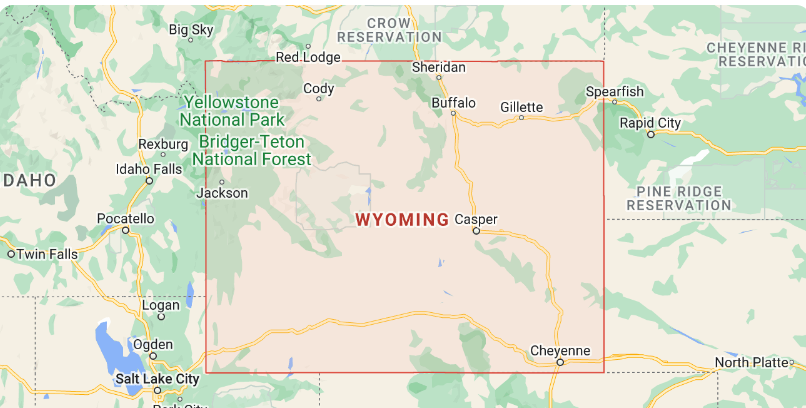
Let's get into our pick of bird watching locations in the Equality State!
1. Wyoming Hereford Ranch
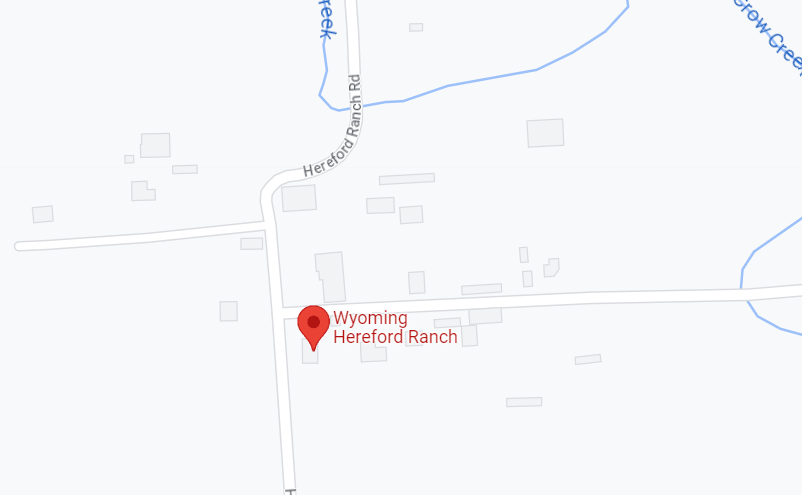
The Wyoming Hereford Ranch is located in southeastern Wyoming, near the town of Cheyenne. It covers a large area, including grasslands, riparian areas, and possibly some wooded sections.
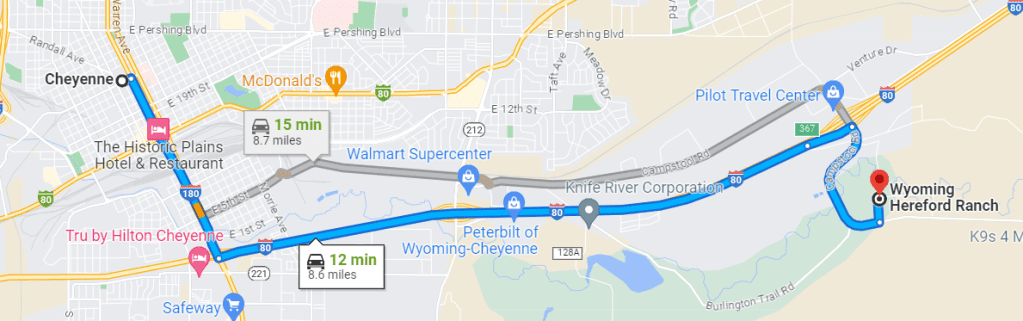
The Wyoming Hereford Ranch is a historic working cattle ranch located just east of Cheyenne, Wyoming. Its geography is characterized by lush meadows and mixed-grass prairies, which are traversed by several miles of Crow Creek, a year-round water source.
The ranch's varied habitats, including its riparian corridors with century-old cottonwood trees, willows, spruce, and pine, make it a valuable stopover and home for numerous bird species. Designated as an Important Bird Area (IBA) by Audubon Wyoming, the ranch offers a unique and accessible birding experience on private land.
While visitors are welcome, they must respect the property as a working ranch, staying on designated roads and trails, and away from residences. The ranch headquarters and museum offer a self-guided tour map to help visitors navigate the property.
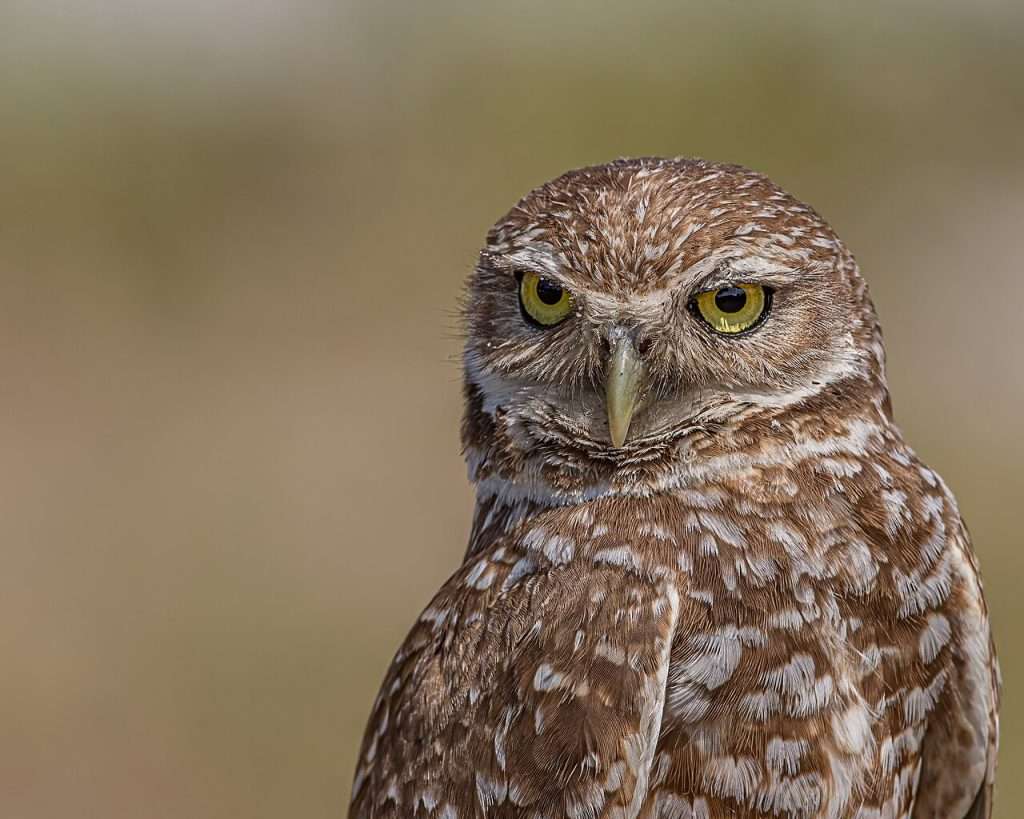
The diverse habitats at Wyoming Hereford Ranch create exceptional birdwatching opportunities year-round, with the spring and fall migrations being particularly productive. More than 80 species have been observed on the ranch in a single day during annual bird counts. Birders can look for a wide variety of species, from large raptors like Bald and Golden Eagles soaring overhead to prairie birds such as Burrowing Owls and Ferruginous Hawks.
The riparian areas along Crow Creek are a magnet for warblers and other migratory songbirds, while the ranch's two reservoirs attract a variety of waterfowl and shorebirds. The Cheyenne-High Plains Audubon Society regularly holds birding hikes on the property, providing guided opportunities to explore this birding hotspot.
The ranch's diverse habitats attract a variety of bird species. You can expect to find grassland birds like meadowlarks, sparrows, and hawks. Near the riparian areas, look out for waterfowl, herons, and other wetland species. If there are wooded sections, you may encounter woodpeckers, warblers, and other forest-dwelling birds.
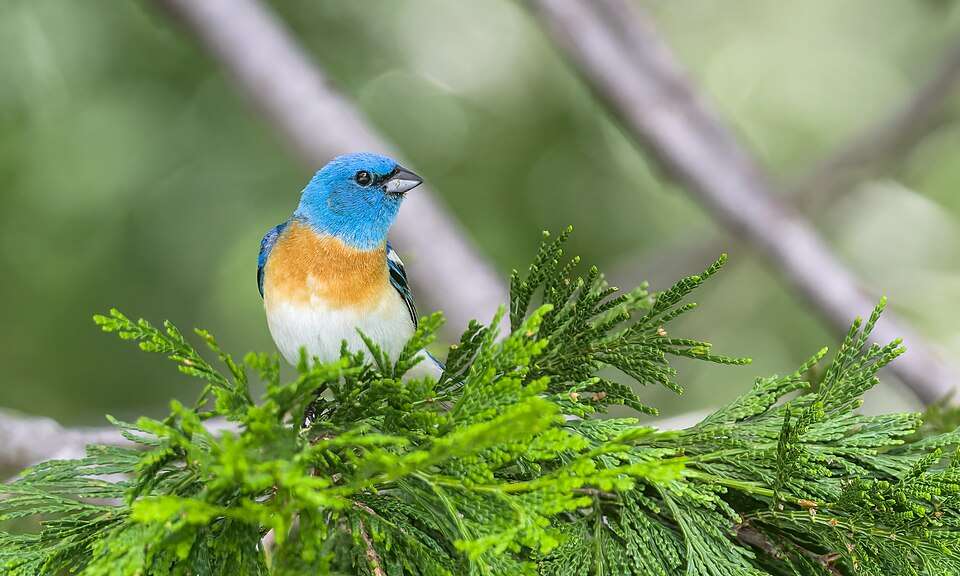
Target Birds
Western Kingbird
Warbling Vireo
Lesser Goldfinch
Lazuli Bunting
Rock Wren
Mountain Chickadee
Swainson's Thrush
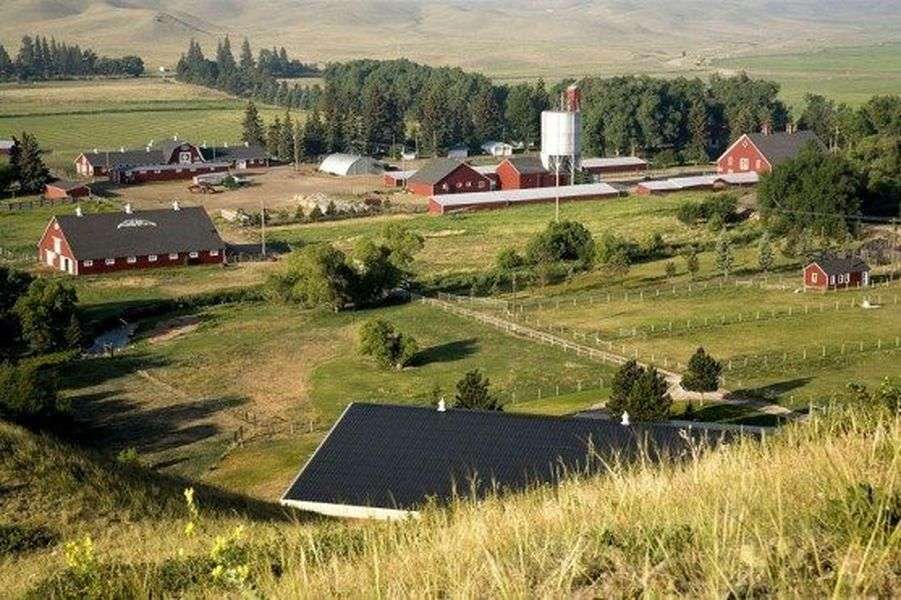
Find out more at the official website as this is private property. There is details about bird watching opportunities.
2. Table Mountain Wildlife Habitat Management Area
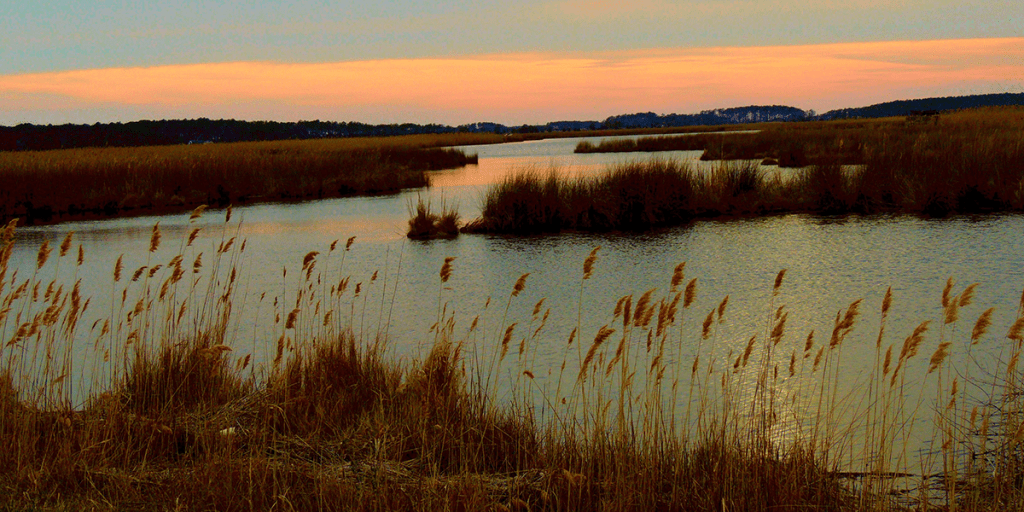
Table Mountain Wildlife Habitat Management Area (WHMA) is a premier destination for birding in southeastern Wyoming, located approximately 15 miles southeast of Torrington. Encompassing over 1,700 acres, this area is a critical wetland habitat in a region dominated by grasslands and sagebrush.
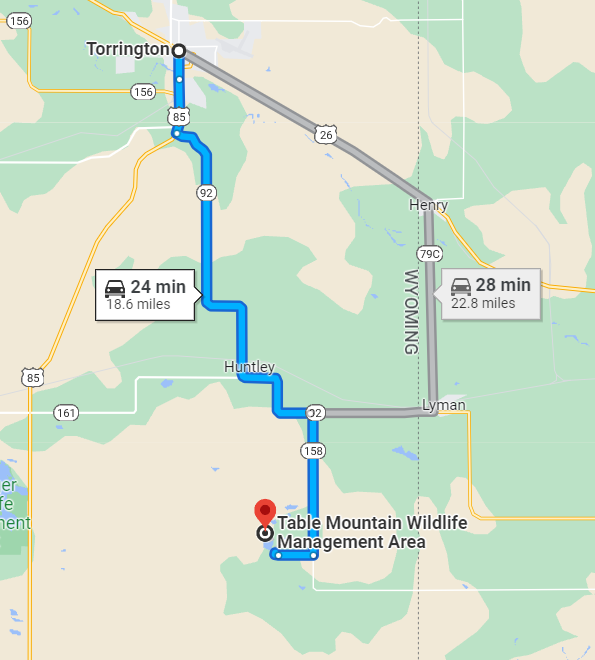
The geography is characterized by a mix of diverse habitats, including grasslands, sagebrush, and shrub communities with species like greasewood and sumac. The presence of nine quality waterfowl ponds and small marshlands, fed by Dry Creek and Horse Creek, is the key feature of the WHMA, providing vital resources for birds. Extensive habitat improvements, including the installation of artificial goose-nesting structures and the planting of vegetation, have transformed this area into an important stopover and breeding ground.
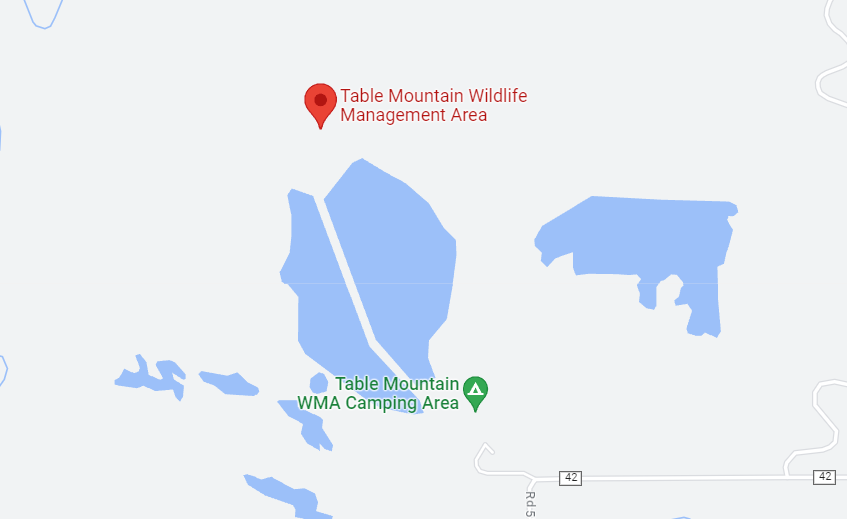
The Table Mountain WHMA offers limited facilities, primarily focusing on providing access to the natural environment. Visitors can expect to find parking areas and a comfort station. Vehicular access is restricted seasonally, generally from October 1 through May 15, but foot and horse access is available year-round, allowing for a more immersive and quiet birdwatching experience. The area is also popular for other recreational activities like hunting, trapping, camping, and hiking.

For birdwatchers, the diverse habitats attract a wide range of species. It's a critical staging area for thousands of migrating ducks and geese in the spring and fall. Other notable species that frequent the area include American Bitterns, Great Blue Herons, American White Pelicans, and Western Grebes. Rarer sights can include various raptors like Bald Eagle, making it a rewarding location for both casual and dedicated birdwatchers.
Target Birds
Western Grebe
American Avocet
American Bittern
Loggerhead Shrike
Shore Lark
Blue Grosbeak
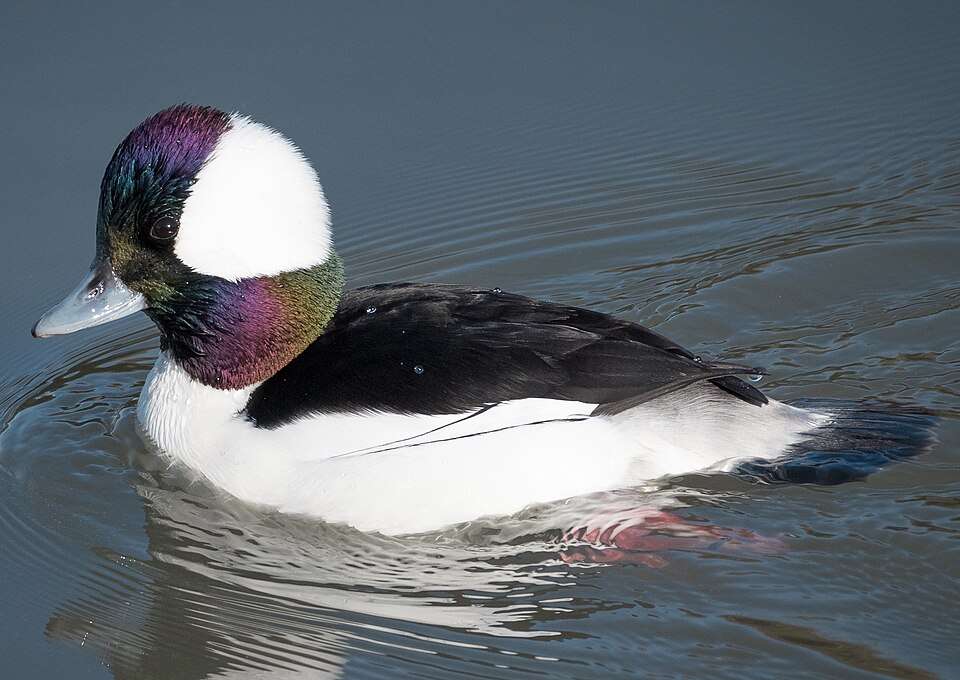
Bufflehead
The Cheyenne Audubon Chapter has brief details about the area and other local birding spots as well as a link to the local wildlife management page.
3. Saratoga Lake and Storer Wetlands
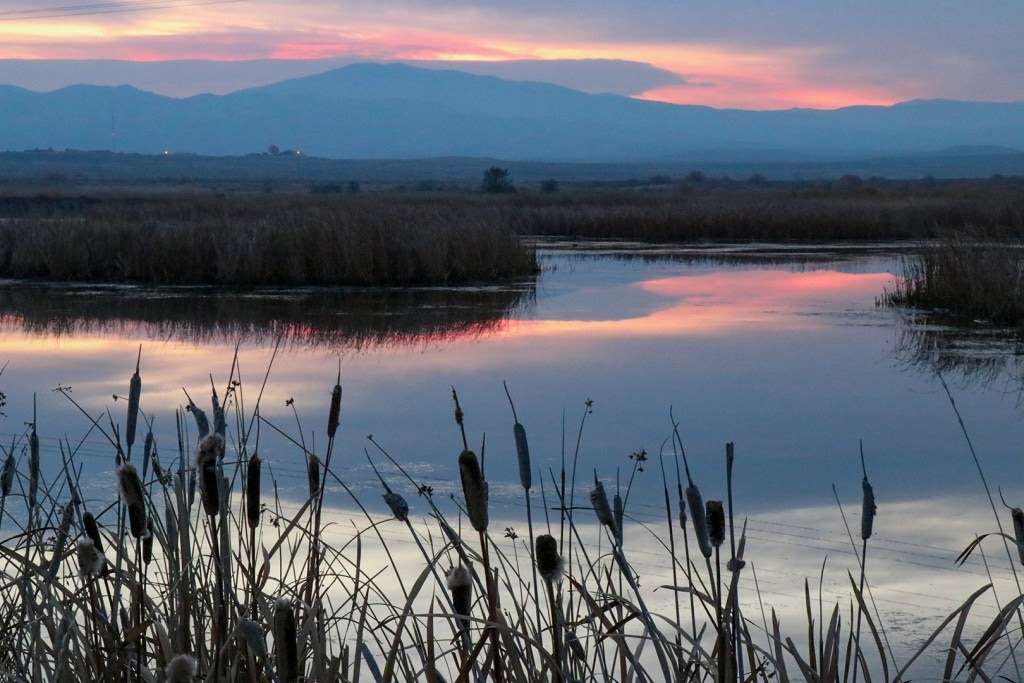
Saratoga Lake and the Storer Wetlands are a key birding destination located near the town of Saratoga in Carbon County, Wyoming. Situated just north of town, the lake and its adjacent wetland complex are part of a cooperative venture that provides a vital habitat for a wide variety of wildlife.
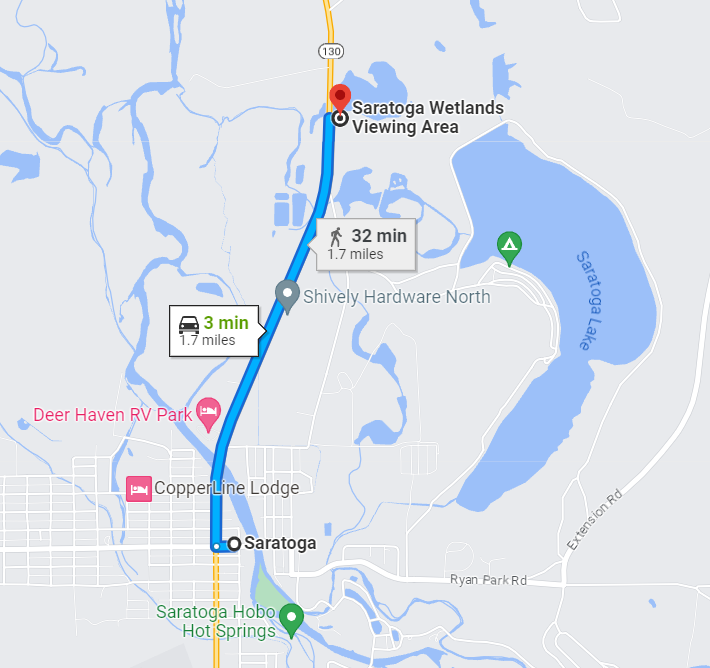
The area features a mix of open water, marshes, and surrounding uplands, creating a diverse ecosystem that supports numerous bird species. Facilities at Saratoga Lake are managed by the town and include developed camping areas, outhouses, a boat ramp, and a boat dock, making it an accessible spot for both day-trippers and those looking for an extended stay. The area is open to the public year-round, though access roads and parking may not be plowed in the winter.
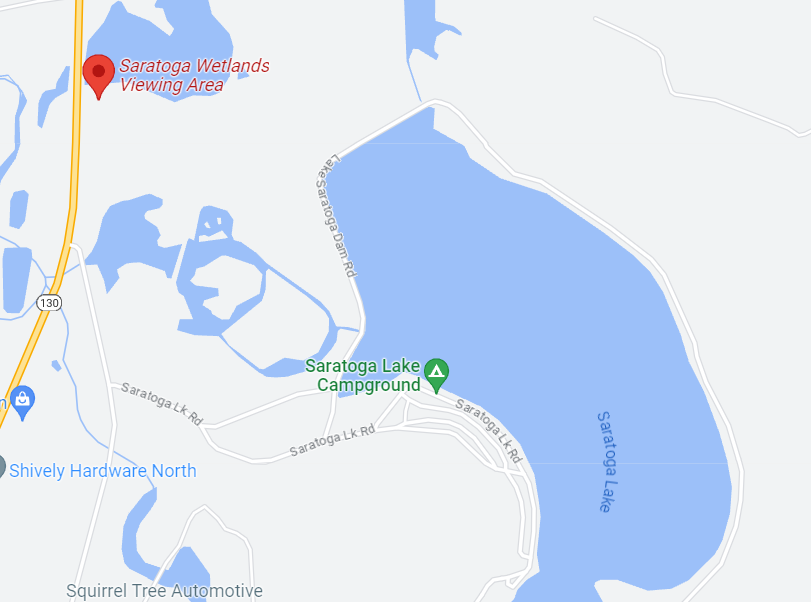
For birdwatchers, the Storer Wetlands and Saratoga Lake offer excellent opportunities, especially during the spring migration when the greatest number of species are present. The wetland complex is a magnet for waterfowl and other wetland-dependent birds, with sightings of species like White-faced Ibis and American White Pelican.
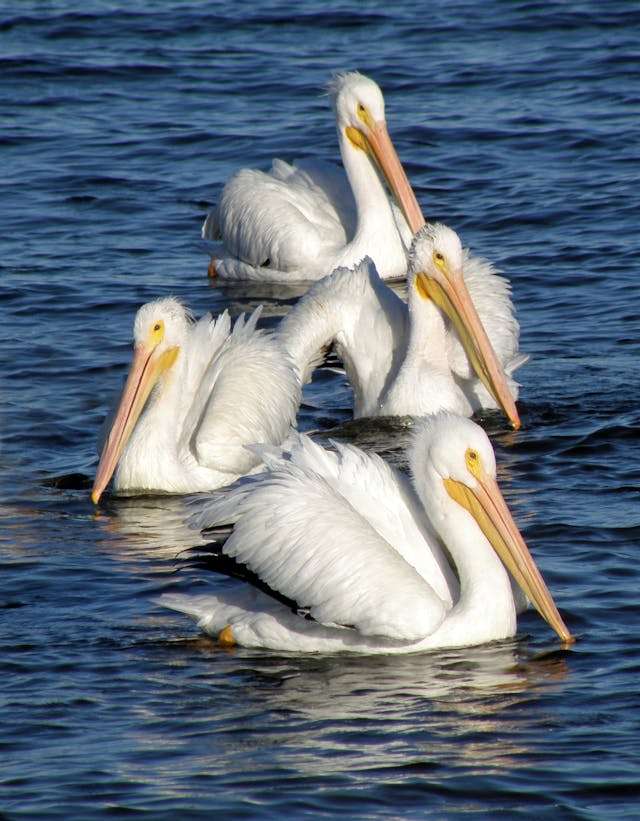
The lake itself is a good place to look for a variety of water birds. The surrounding upland areas provide habitat for different species, and the entire complex is an important area for a range of wildlife, including muskrats, mink, raccoons, and larger mammals like mule deer and pronghorn. The area is also a popular spot for waterfowl hunting, so it's important for birders to be aware of hunting seasons and regulations.

Target Birds
American White Pelican
Sage Thrasher
Brewer's Sparrow
Canvasback
Wilson's Phalarope
Black Tern
Great Northern Diver
The Carbon County website has a page dedicated to bird watching giving general advice for visitors.
4. McManamen Park
McManamen Park is a significant natural area located in Gillette, Wyoming, serving as an important green space and bird sanctuary within the city. This expansive park, covering over 100 acres, is centered around the man-made Burlington Lake, which is a rare wetland habitat in the otherwise arid high plains of northeastern Wyoming.
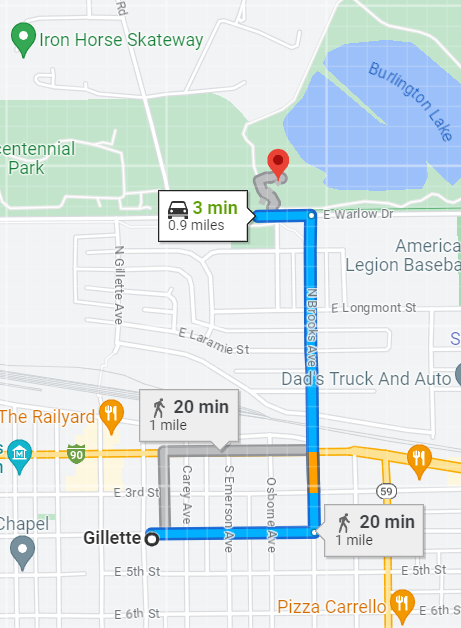
The park's geography is characterized by a mix of walking trails, grassy areas, and the lake itself, which acts as a magnet for a diverse range of wildlife. As an oasis in an otherwise dry region, the park is a crucial stopover point for birds during their long migration routes, making it a key location for birdwatching.
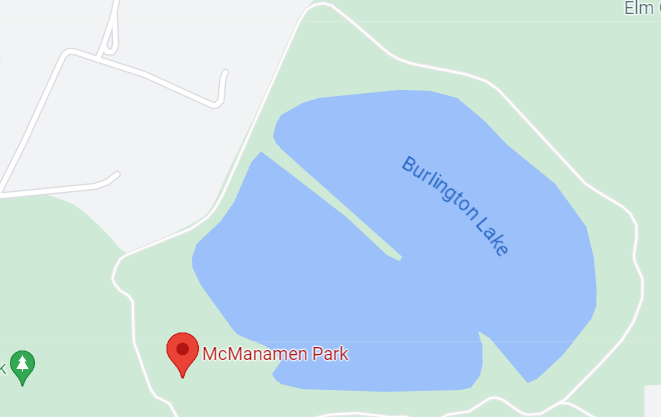
McManamen Park offers well-maintained paved walking trails, picnic tables, and a playground, making it an ideal spot for a family outing. For birdwatchers, the park's main attraction is Burlington Lake and its surrounding vegetation, which draw in a wide array of species, especially during migration. Visitors can expect to see ducks and geese, as well as Great Blue Herons, American White Pelicans, and other waterfowl.
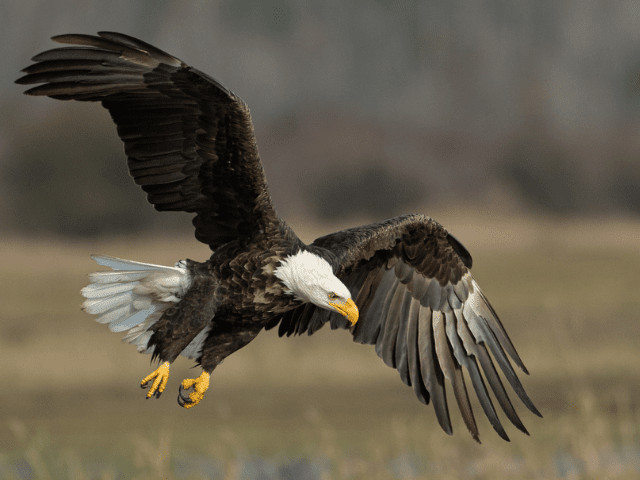
The area is also known to attract a variety of raptors, making it a rewarding location for spotting species like Bald Eagles and other birds of prey. The combination of easy accessibility, recreational facilities, and a unique wetland habitat makes McManamen Park a valuable birding destination.

Target Birds
Northern Shoveler
American Redstart
Red-necked Phalarope
Dusky Flycatcher
MacGillivray's Warbler
Northern Waterthrush
Sharp-shinned Hawk
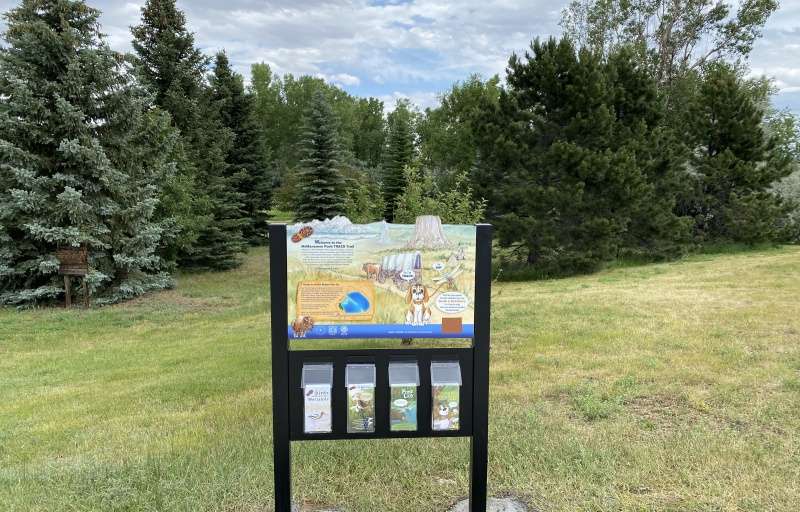
Find out more information at the Gillette Website here.
5. Lions Park, Cheyenne
Lions Park, a large urban park in Cheyenne, Wyoming, is a designated Important Bird Area (IBA) by the Audubon Society, making it a prime location for birdwatching. The park's central feature is Sloan's Lake, which, along with Kiwanis Lake, provides critical wetland habitat amidst the high plains.
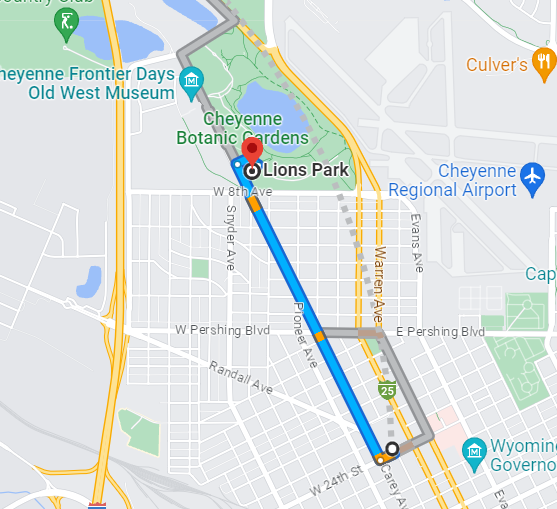
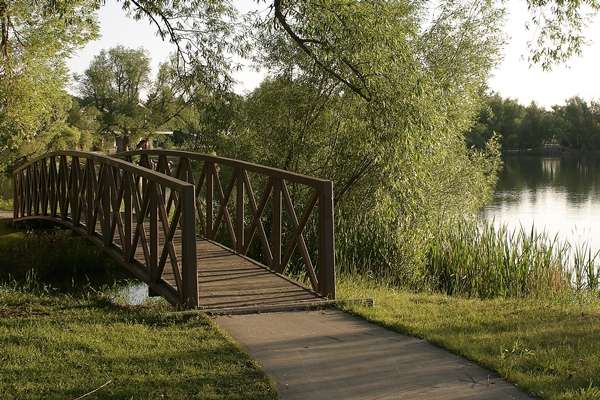
The geography is a mix of open water, grassy areas, and cottonwood trees, which serve as a migratory trap for a wide variety of species. The park is easily accessible, located at Carey Avenue and 8th Avenue, and is part of the larger Greater Cheyenne Greenway system, which features miles of paved walking and biking trails. The diverse habitats attract a remarkable number of species throughout the year, with an especially exciting influx of migrating songbirds and waterfowl in the spring and fall.
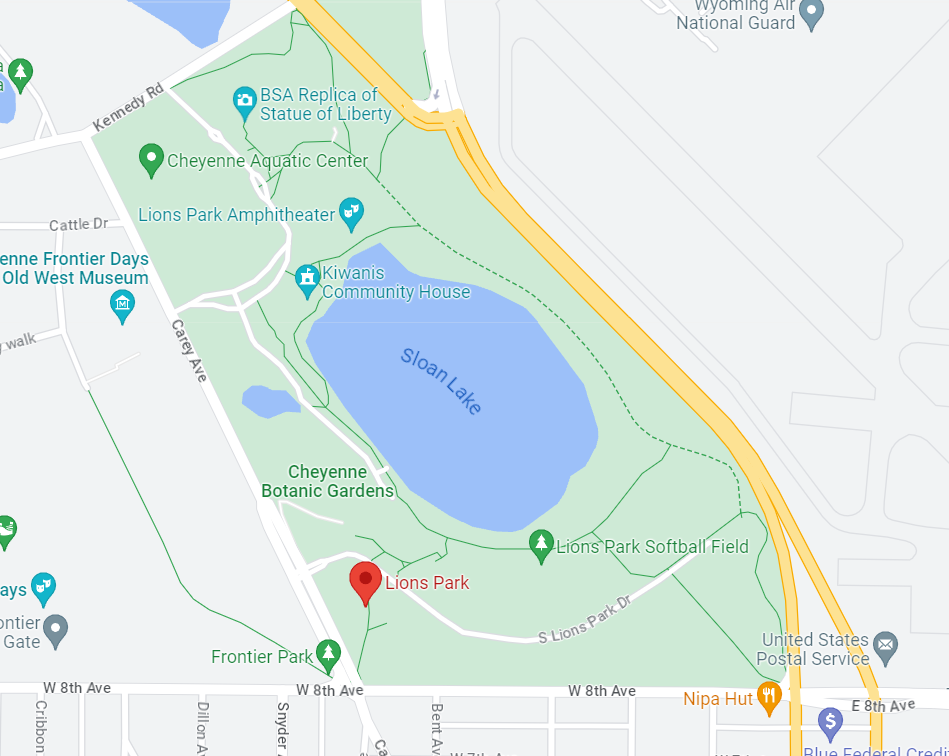
Beyond its natural features, Lions Park is well-equipped with amenities that make for a comfortable and convenient visit. Visitors can find picnic shelters, restrooms, and a comfort station. The park is a popular community hub, with facilities for activities like boating, fishing, mini-golf, and a public aquatic center. For birders, the paved paths around the lakes offer easy and accessible viewing, even for those with mobility impairments.
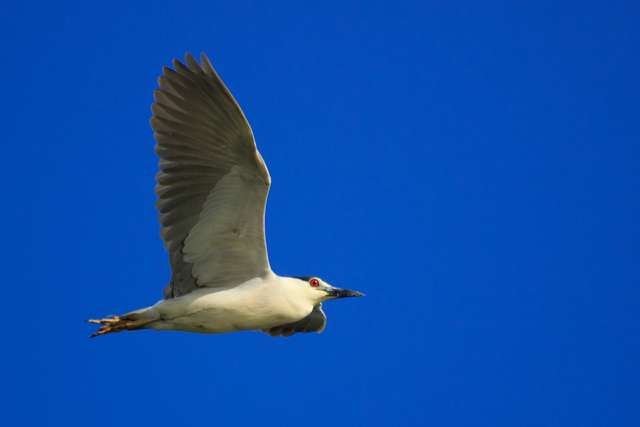
A highlight of birdwatching at Lions Park is the noisy rookery of nesting Black-crowned Night-Herons, whose nests can be easily observed in the pine trees near the Cheyenne Botanic Gardens, which are also located within the park. This blend of urban convenience and significant natural habitat makes Lions Park an exceptional birding spot.
Target Birds
Black-crowned Night Heron
Red-breasted Nuthatch
Western Wood-Peewee
Common Crossbill
Red-headed Woodpecker
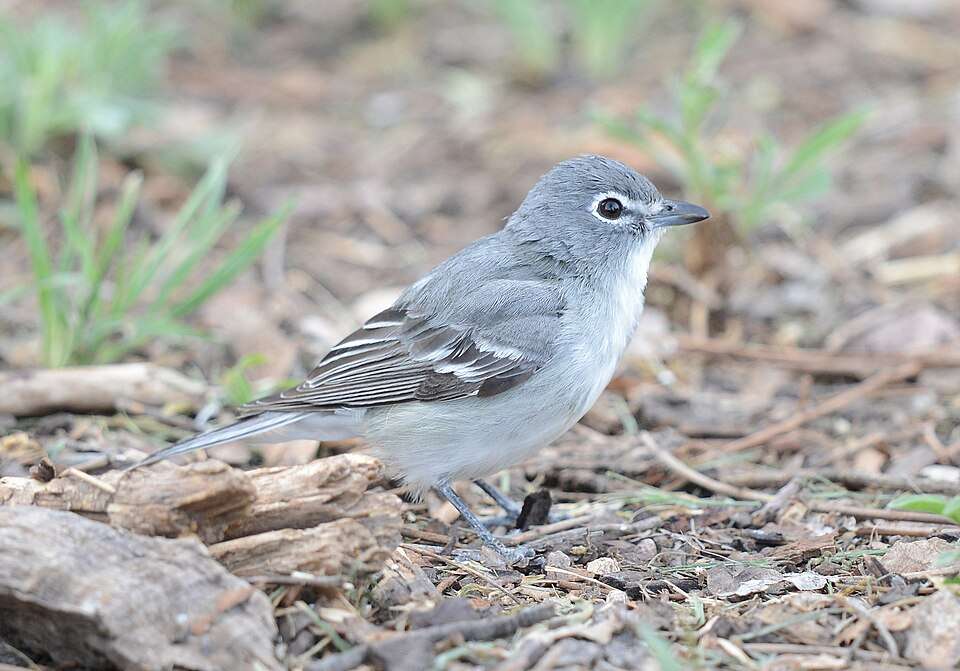
Plumbeous Vireo
Mississippi Kite
Find out more information about accessibility here.
6. Laramie River Greenbelt Trail
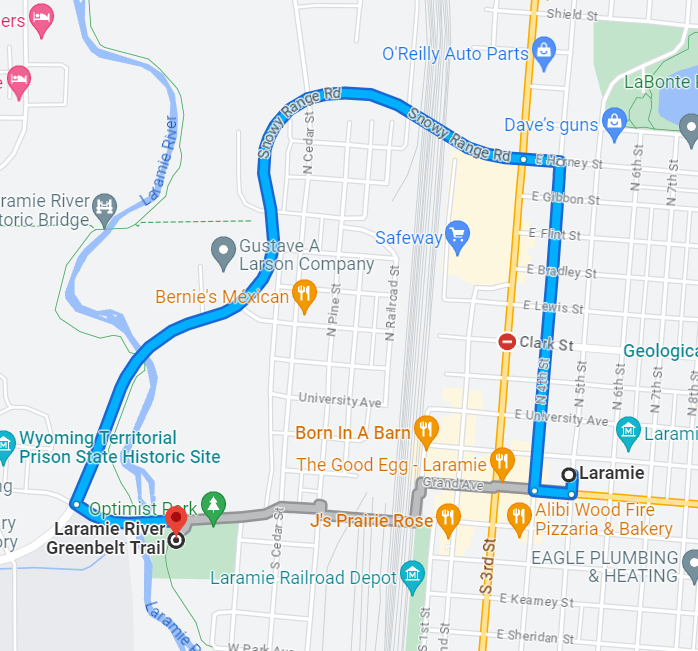
The Laramie River Greenbelt Trail is a highly accessible and popular birding spot located within the city of Laramie in southeastern Wyoming. The trail itself is a 5.75-mile paved path that follows the Laramie River from Curtis Street in the north to just past Interstate 80 in the south.
The trail's geography is defined by the river and its adjacent riparian corridor, which offers a stark contrast to the surrounding high plains and sagebrush landscapes of the Laramie Basin. This ribbon of green, with its cottonwoods, willows, and other riverbank vegetation, serves as a vital oasis for both resident and migratory birds.
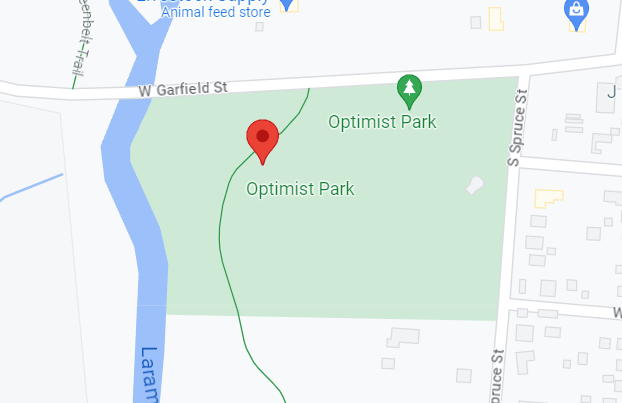
As a multi-use urban trail, the Laramie River Greenbelt Trail is well-equipped with facilities for visitors. There are multiple access points, with the most common being Optimist Park, which offers parking, restrooms, a playground, and picnic tables. Benches are also scattered along the trail for resting and observing wildlife. The combination of a paved path and proximity to town makes it an ideal birding location for all ages and abilities.
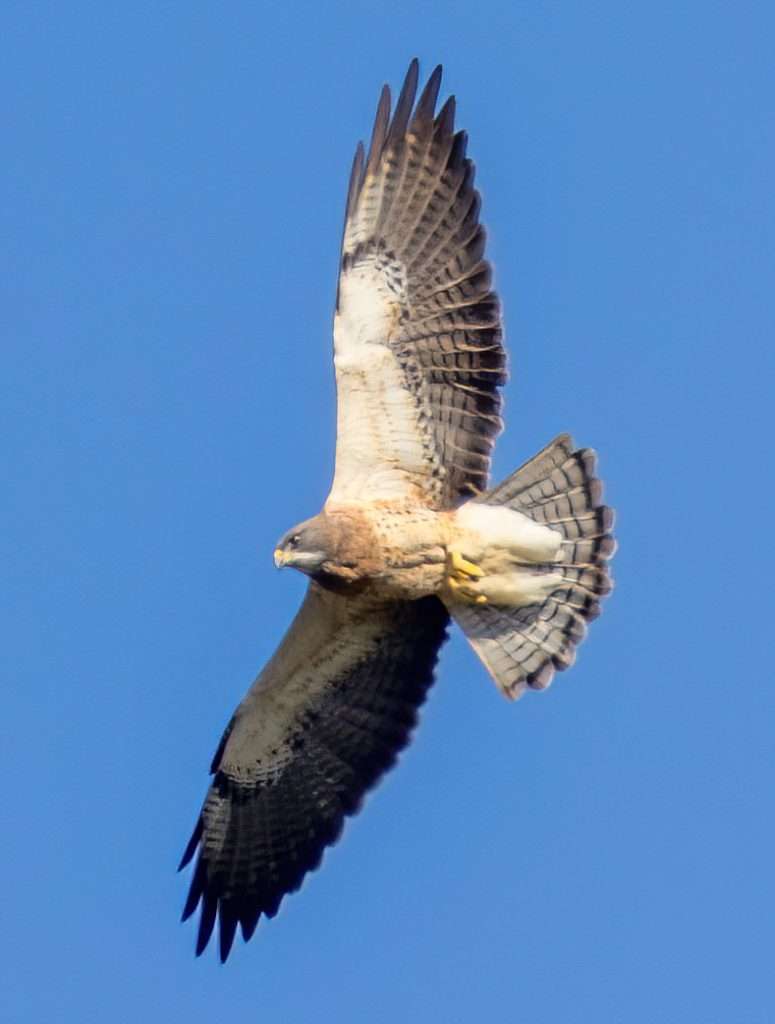
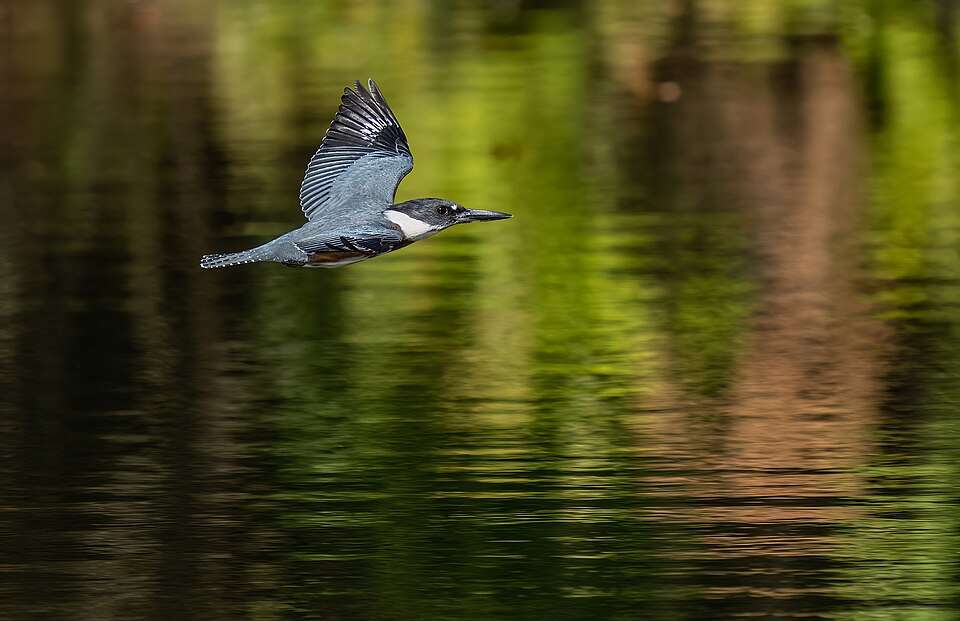
The birdwatching opportunities are excellent, particularly during the spring and fall migrations. The river and its surrounding habitat attract a diverse range of species, including shorebirds, waterfowl, kingfishers, and a variety of sparrows and warblers. Rarer sightings can include pelicans and terns passing through, and a swallow colony resides under the I-80 underpass. For those interested in raptors, hawks and eagles can often be spotted in the area.
Target Birds
Turkey Vulture
Swainson's Hawk
Black-headed Grosbeak
Cedar Waxwing
Western Tanager
Cassin's Kingbird
Belted Kingfisher
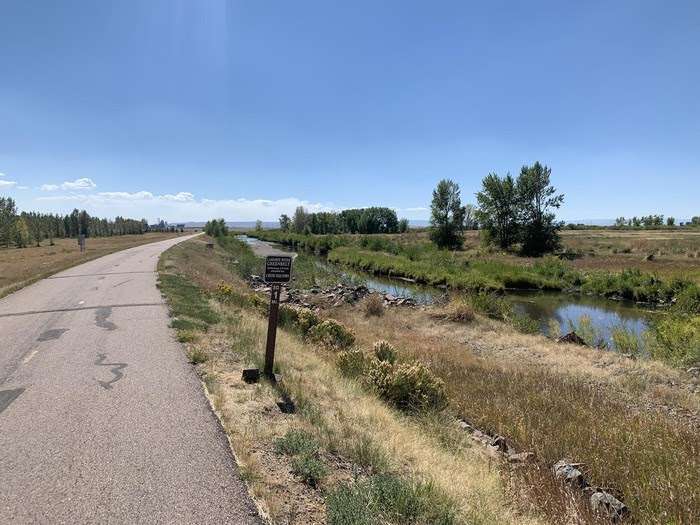
The trail is managed by the City of Laramie and their website has details for those wishing to walk along it.
7. Hutton Lake NWR
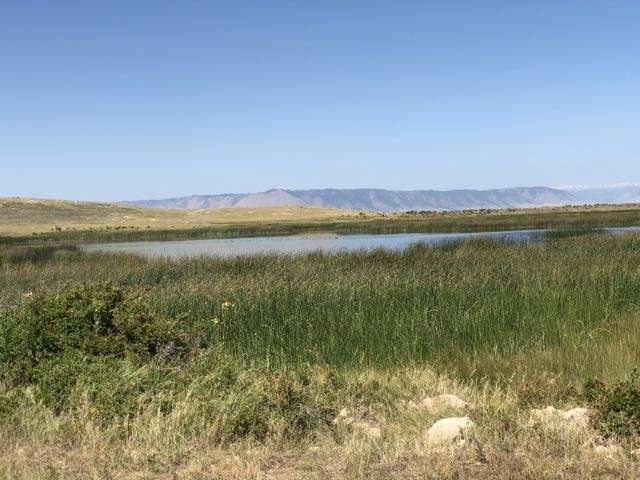
Hutton Lake National Wildlife Refuge (NWR) is a hidden gem for birdwatching, situated approximately 10 miles southwest of Laramie in southern Albany County, Wyoming. At an elevation of over 7,000 feet, the refuge is part of the Laramie Plains, a high-elevation basin surrounded by mountains.
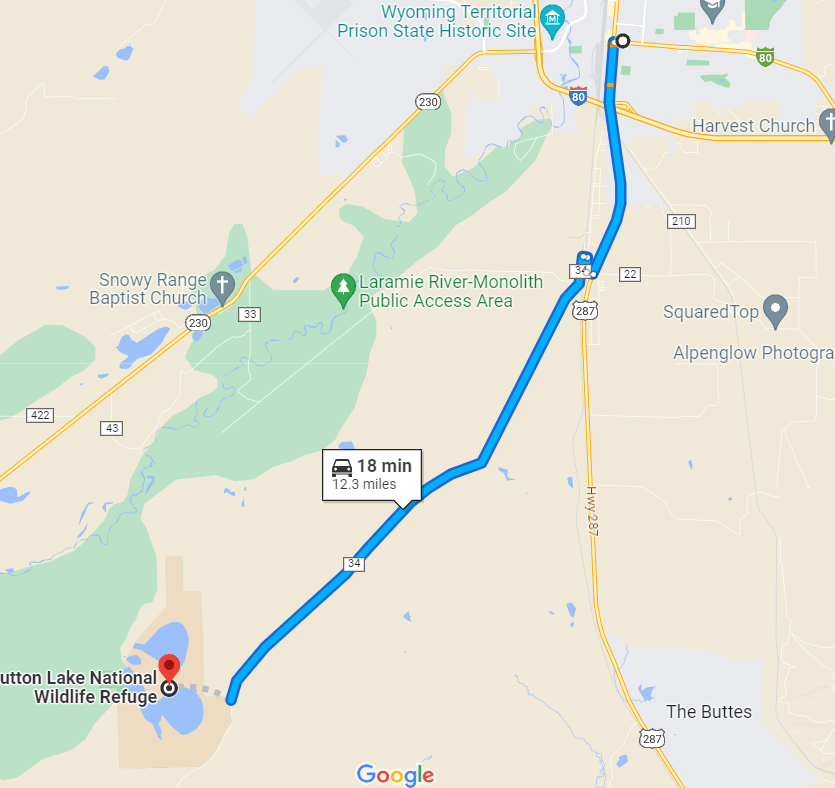
This unique geography creates a vital oasis in a semi-arid region. The refuge, spanning nearly 2,000 acres, is defined by its five small lakes—Hutton, Creighton, George, Rush, and Hoge—and associated wetlands, which are crucial habitats for migratory birds. The landscape also includes a mix of grasslands, sagebrush, and alkali flats, providing a variety of habitats for a diverse range of species.
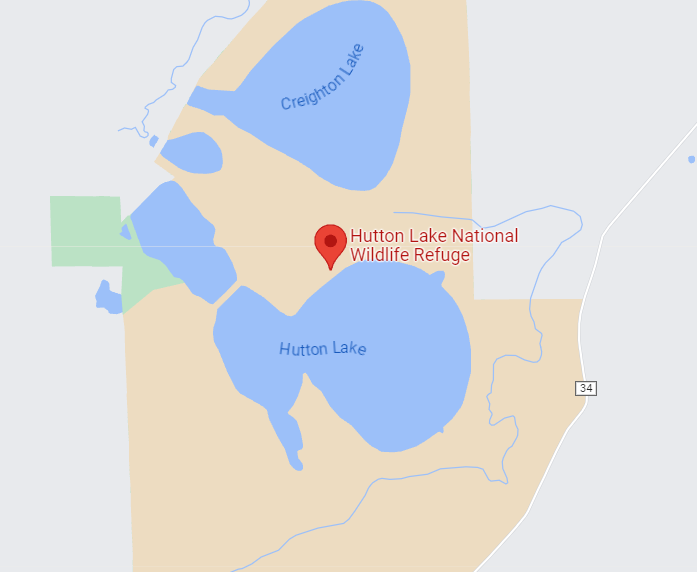
While Hutton Lake NWR is managed as part of the Arapaho National Wildlife Refuge Complex, its facilities are intentionally minimal to prioritize the wildlife. Visitors can find parking areas, but there are no visitor centers, restrooms, or picnic tables on site. However, an elevated platform and a box blind at certain locations offer improved vantage points for viewing. Birding opportunities are exceptional, particularly during the spring and fall migrations.
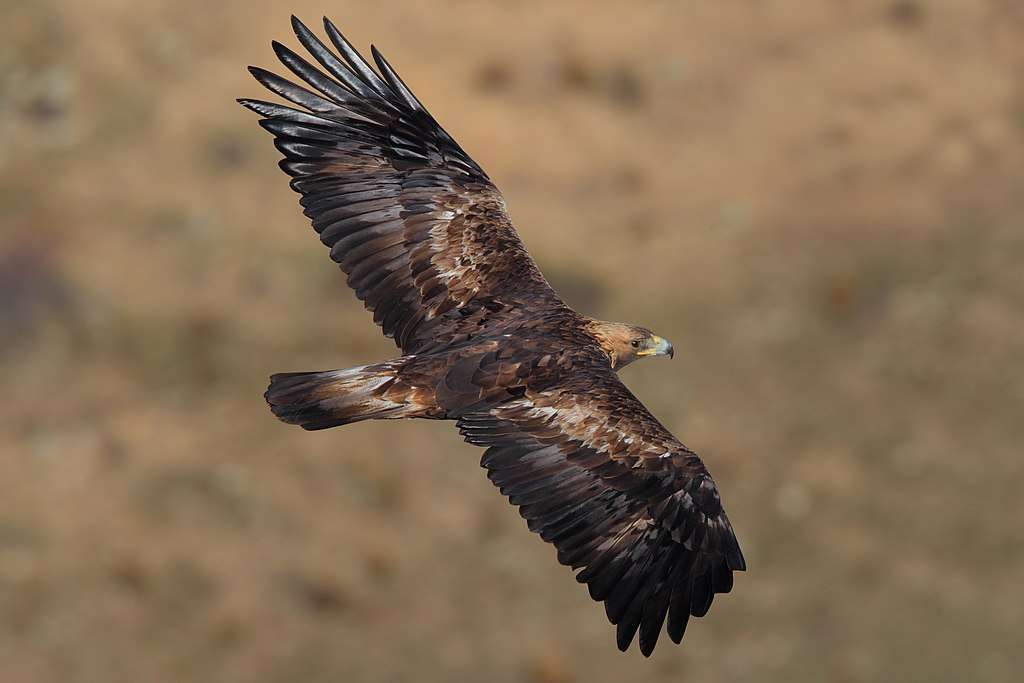
The refuge is a key stopover for thousands of waterfowl and shorebirds, with species like American avocets, willets, and various ducks and geese passing through. Summer offers the chance to see nesting birds such as Eared Grebes and Wilson's Phalaropes, while the upland areas provide habitat for raptors like Golden Eagles and Northern Harriers, as well as grassland species like Horned Larks and Sage Thrashers. The variety of habitats and the high density of birds make Hutton Lake NWR a rewarding experience for any dedicated birdwatcher.
Target Birds
Black-necked Grebe
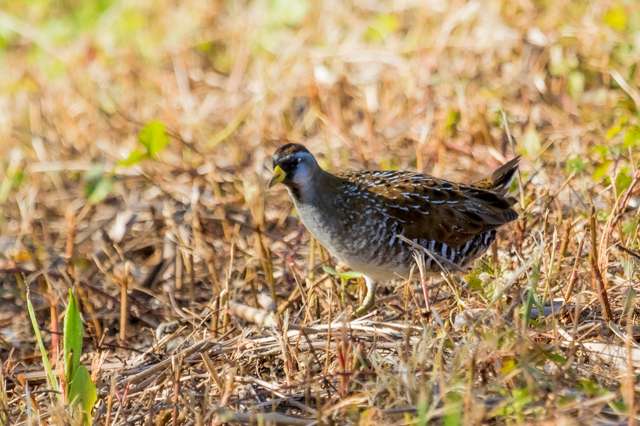
Sora
Wilson's Snipe
Solitary Sandpiper
Forster's Tern
White-faced Ibis
Prairie Falcon
For more information look here.
8. Edness Kimball Wilkins SP
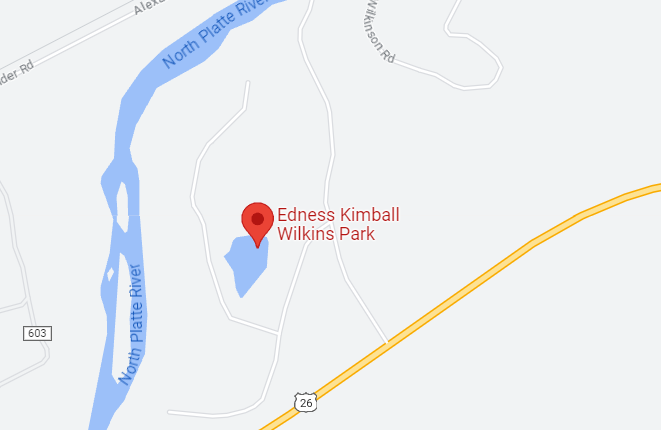
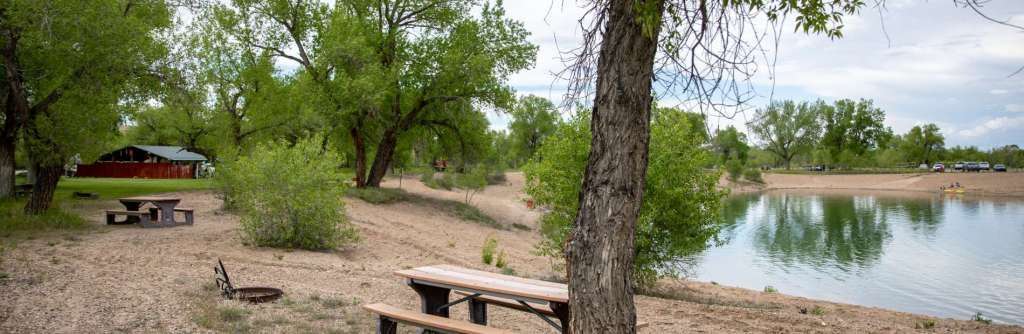
Edness Kimball Wilkins State Park is a 361-acre day-use park located about six miles east of Casper, Wyoming, along the North Platte River. The geography of the park is defined by its location on a former rock quarry, which has been transformed into a peaceful riparian habitat.
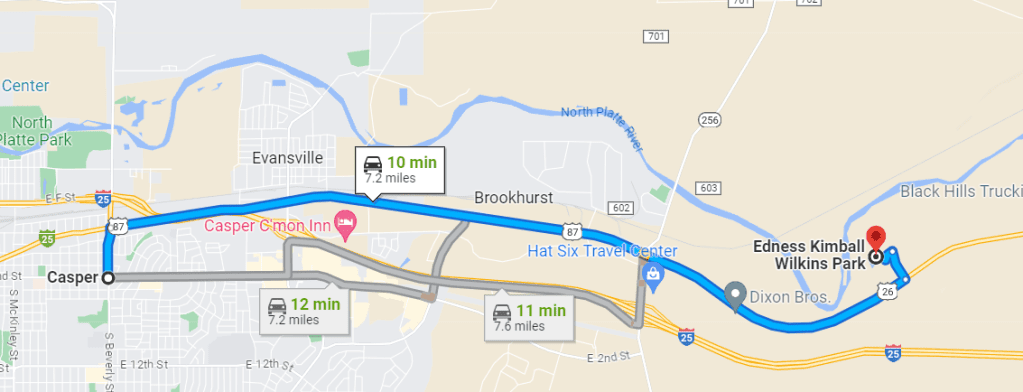
The park's main features are a series of ponds and a significant stretch of the North Platte River, bordered by a gallery of large cottonwood trees. This combination of river, ponds, and wooded areas creates a unique and vital ecosystem, providing shelter and resources for a variety of wildlife in an otherwise semi-arid landscape. The park's well-maintained grounds offer a tranquil setting for visitors, with the river serving as a central element for both recreation and natural observation.
The park is well-equipped with facilities for a day of outdoor recreation. Visitors will find numerous amenities, including picnic tables and grills, group shelters, playgrounds, and a swimming pond with a sandy beach. For those interested in the water, there is a launching ramp for canoes and rafts to access the North Platte River. The park also features a universally accessible fishing pier and 2.8 miles of hard-surfaced, accessible paths, making it a great destination for a wide range of visitors.
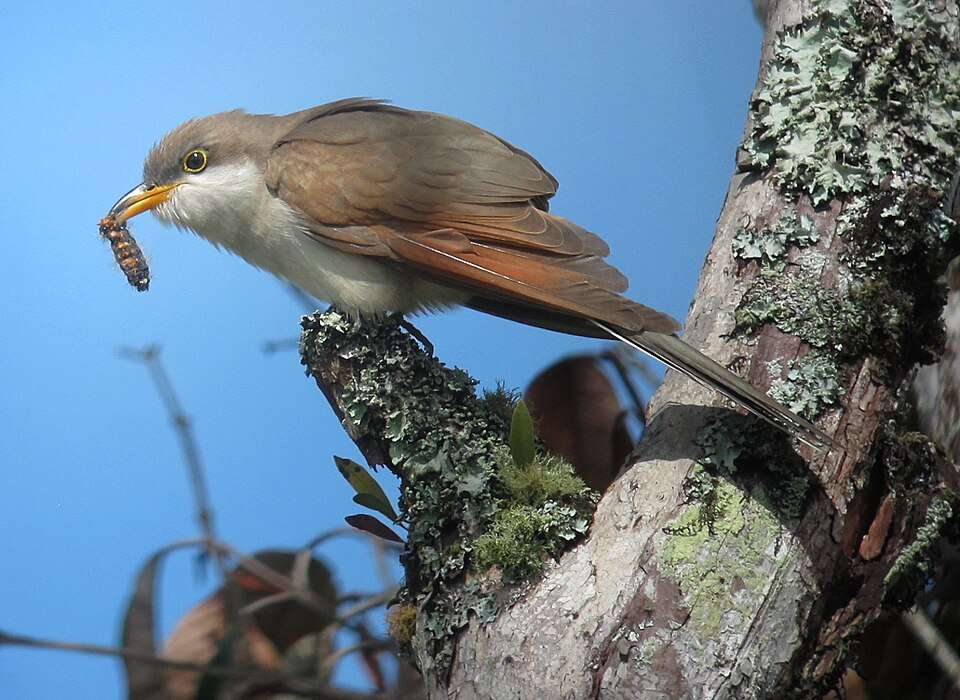
As an Audubon Important Bird Area, Edness Kimball Wilkins State Park offers outstanding birdwatching opportunities. Its location on the Central Flyway makes it a crucial stopover point for hundreds of migratory bird species in the spring and fall. Birders can look for a wide variety of species, from common nesting birds to raptors like Bald and Golden Eagles. Species like Yellow-billed Cuckoos, American White Pelicans, and a diversity of ducks are also commonly seen, providing a rewarding experience for birders of all skill levels.

Target Birds
Common Nighthawk
Killdeer
Swainson's Thrush
Lark Sparrow
Western Meadowlark
Bullock's Oriole
- Osprey
For more information click here for the Visit Casper Website.
9. Burlington Lake (Goldeneye Reservoir)
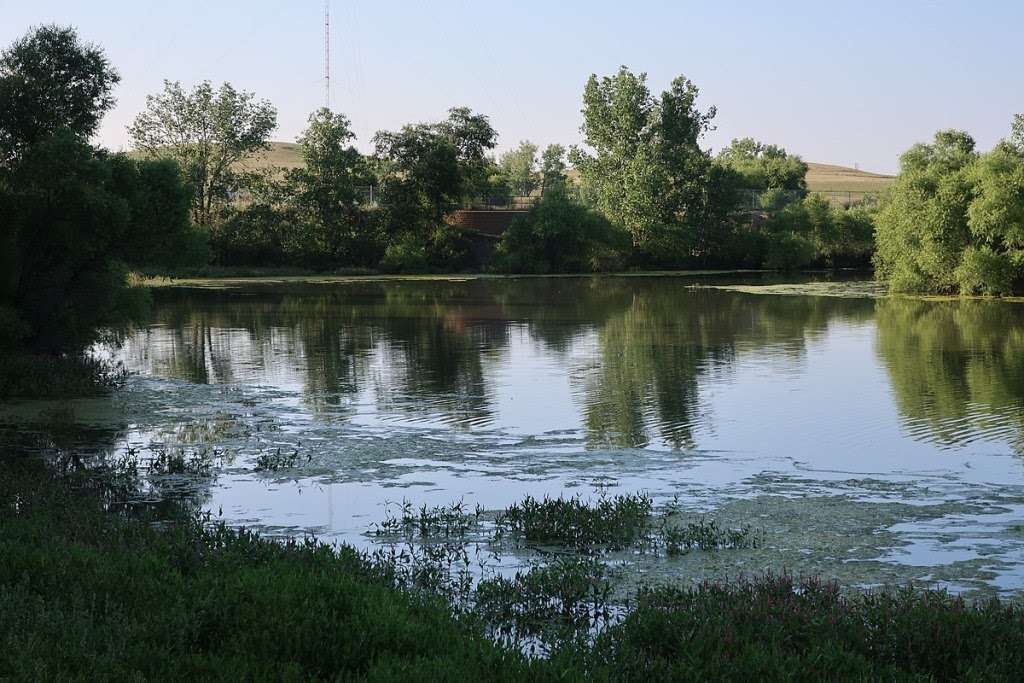
Burlington Lake, more commonly known as Goldeneye Reservoir, is a popular birding location situated about 25 miles northwest of Casper in central Wyoming. The reservoir, a stunning man-made lake, is set against a picturesque backdrop of rugged mountains and rolling hills, a classic Wyoming landscape.
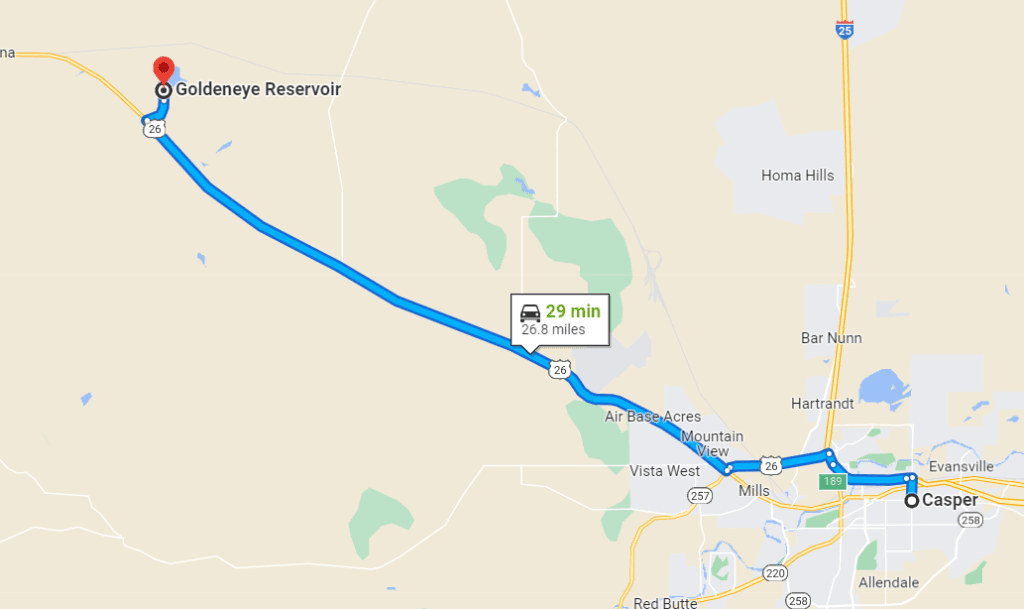
It covers an area of over 480 acres and is a critical habitat in a region dominated by open prairie, sagebrush, and grasslands. The reservoir is fed by the North Platte River and is co-managed by three different landownerships—public, state, and private—all managed as a single unit to ensure its recreational and conservation value. The area is accessible year-round, offering different birding experiences throughout the seasons.
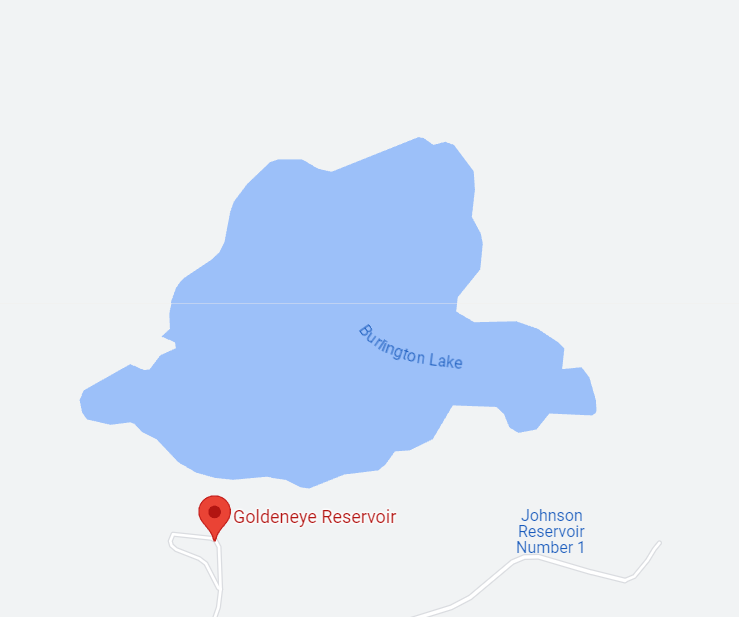
Facilities at Goldeneye Reservoir are designed to support a range of outdoor activities. Visitors will find a one-mile gravel access road, a large graveled parking area, a boat launch ramp, and a two-unit vault toilet. There is also an established picnic area and informational signs to help orient visitors. For birdwatchers, the most significant draw is the reservoir's diverse avian population, which changes with the seasons. It's an excellent location for spotting migrating waterfowl and shorebirds.
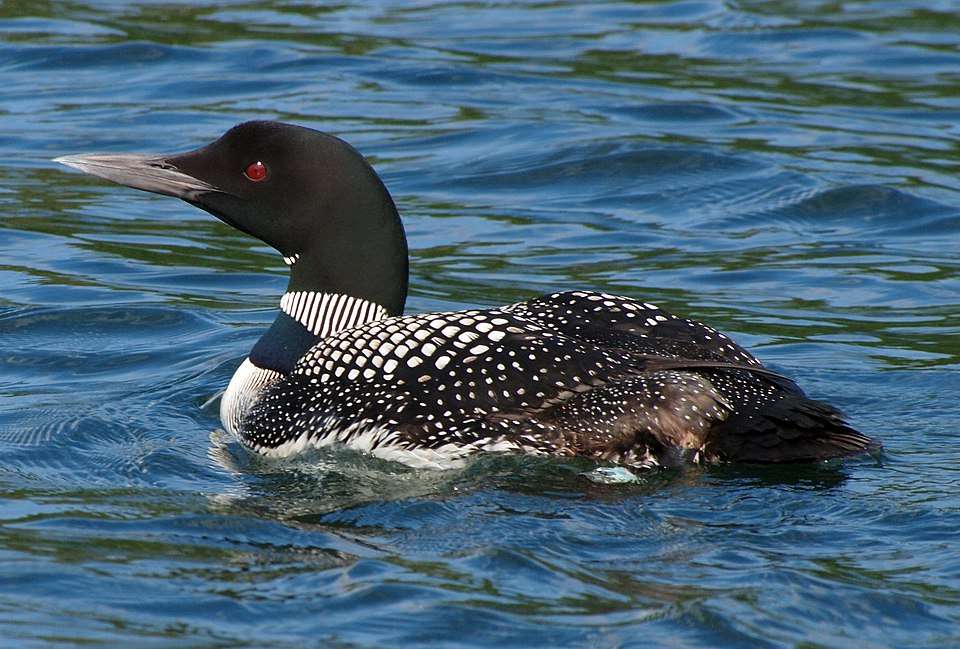
In the spring and fall, the lake becomes a staging area for thousands of ducks and geese. Birders can look for species like Common Loons, Ruddy Ducks, and Lesser Scaup, as well as shorebirds such as American Avocets, Black-necked Stilts, and Willets. The surrounding prairie and vegetation also attract a variety of other birds, including raptors like Bald Eagles and other species that pass through the area during migration.
Target Birds
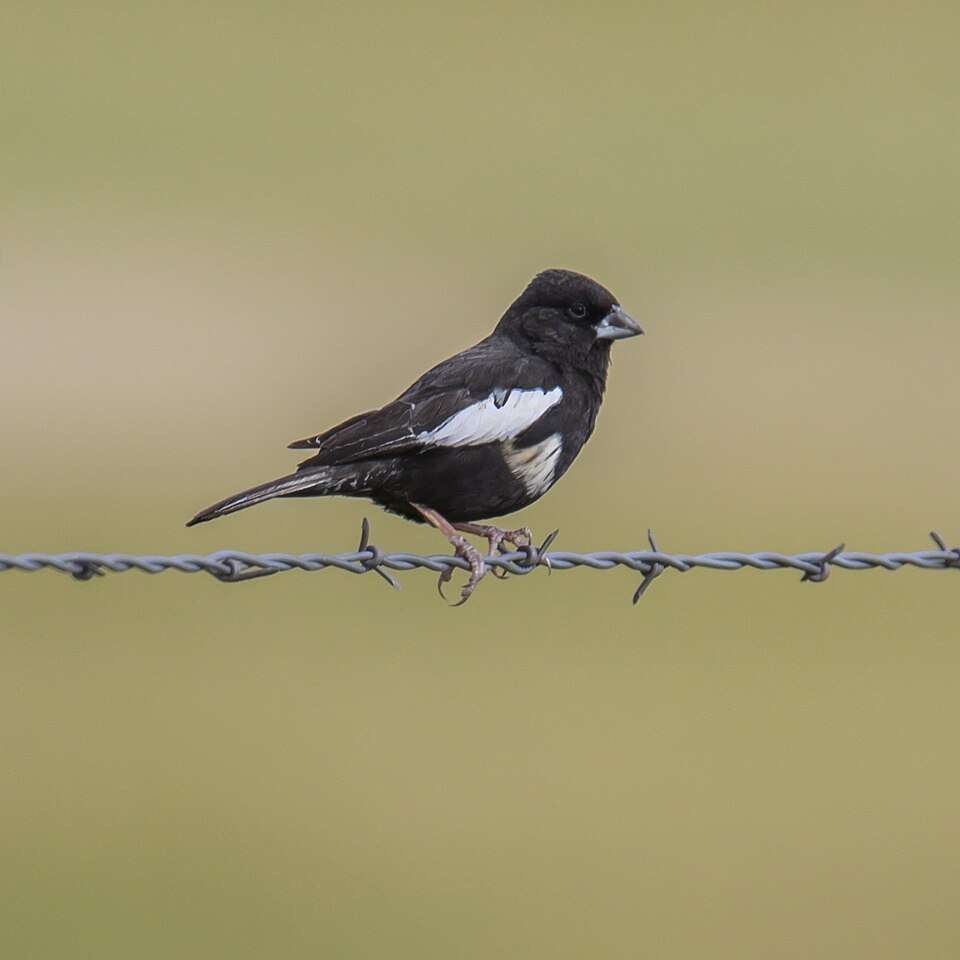
Lark Bunting
Willet
Say's Phoebe
Violet-green Swallow
Goosander
Boneparte's Gull
Broad-tailed Hummingbird
The Bureau of Land Management website has a really nice piece about the wildlife in the area.
Frequently Asked Questions
What is the most common bird in Wyoming?
Probably the American Robin is the most reported bird in Wyoming.
What is the state bird of Wyoming?
The Western Meadowlark is the very attractive adopted bird of Wyoming.
What is the largest bird in Wyoming?
Golden and Bald Eagles are reported in the state and will unsurprisingly, be the largest birds.
Wrapping Up
Wyoming's vast, untamed landscapes, from the high desert sagebrush steppe to the rugged mountain forests and expansive wetlands, combine to create a premier destination for birding.
The state's geographical position places it squarely in the Central Flyway, a major migratory route that funnels hundreds of species through its territory each spring and fall. The importance of this flyway is evident in locations like Table Mountain and Goldeneye Reservoir, which serve as critical stopover points for waterfowl and shorebirds, but this phenomenon extends throughout the state's protected areas.
This confluence of diverse habitats and a major migratory path ensures that Wyoming is not just a place for resident birds but a dynamic corridor teeming with life during key seasons.
