
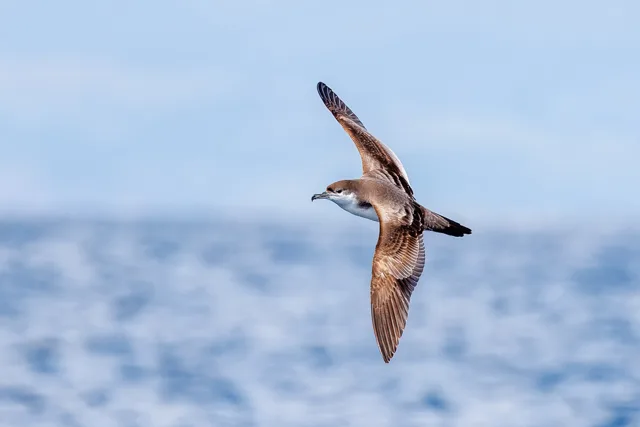
Washington State, with its rugged Pacific coastline and its positioning along the rich waters of the continental shelf, offers some of North America's most exciting—and challenging—seabird watching. While the calm, protected waters of the Salish Sea (Puget Sound and the Straits) offer excellent viewing of inshore alcids like Rhinoceros Auklets and Pigeon Guillemots, the true quest for the pelagic birder lies miles offshore, where the ocean floor drops dramatically into the deep.
Pelagic birding trips—chartered boat excursions into the open ocean, typically beyond the continental shelf's edge—are the only practical way to encounter the region's most sought-after and elusive seabirds: the tubenoses, jaegers, and deep-water alcids. These all-day adventures from Washington's coastal ports are essential for any birder aiming to complete their Pacific Northwest checklist.
The Coastal Gateway: Westport
The undisputed hub for serious Washington State pelagic birding is Westport, a fishing town located on the southern half of the coast, near Grays Harbor. Trips from Westport typically venture 25 to 35 nautical miles offshore to the edge of the continental shelf and beyond, often targeting nutrient-rich deep-water features like the Grays Canyon or other submarine canyons.
The Pelagic Season
The peak season for deep-water pelagic trips off the Washington coast runs from April through October, coinciding with the primary migratory and breeding periods of the various seabird populations:
- Spring/Early Summer (April–July): Focuses on local breeders and birds moving north, including Fork-tailed Storm-Petrels and the beginning of the shearwater influx.
- Late Summer/Fall (August–October): The absolute peak of diversity. This period sees the arrival of southern breeders and Arctic migrants, including the largest flocks of shearwaters and the greatest chance for rarity sightings.
The Targets: What the Deep Water Holds
Venturing into the pelagic zone opens up a world of birds rarely, if ever, seen from shore. The most anticipated sightings fall into several key groups:
1. The Tubenoses (Albatrosses, Shearwaters, and Fulmars)
These are the true ocean wanderers, named for the tubular nostrils on their bills that help them excrete salt.
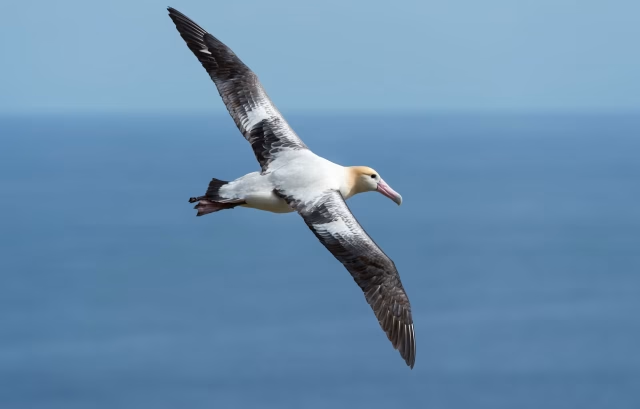
- Albatrosses: The majestic lords of the open ocean. Black-footed Albatross are regular attractions, often approaching the boat. Increasing numbers of Laysan Albatross are also seen, primarily in the late summer and winter. The rare, colossal Short-tailed Albatross is always the ultimate dream sighting.
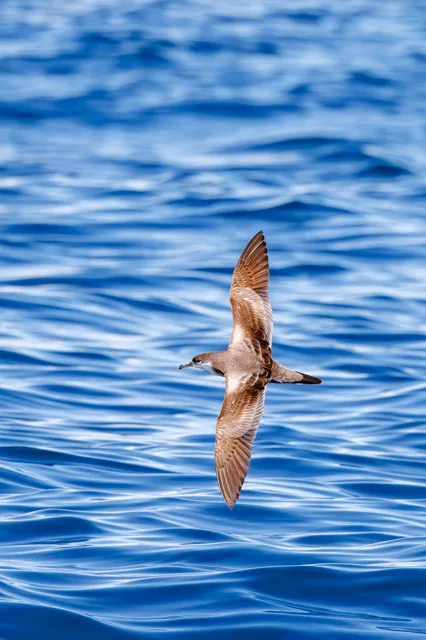
- Shearwaters: These globe-trotting migrants glide just above the waves, earning their name. The Sooty Shearwater is often seen in massive flocks numbering in the thousands, having migrated from breeding grounds as far away as New Zealand and Chile. Pink-footed Shearwater (from Chile) and Buller's Shearwater (from New Zealand) are also regular, particularly in the fall.
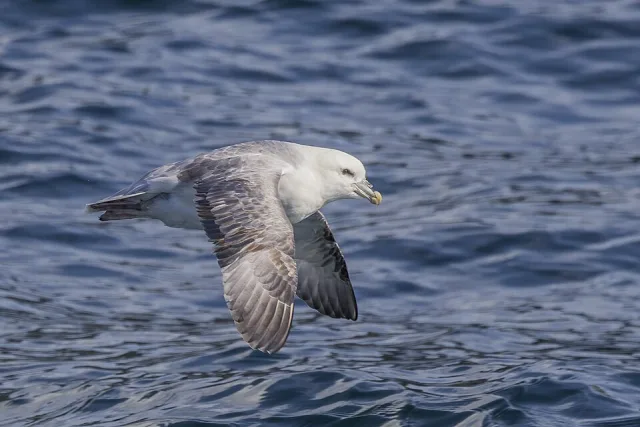
- Northern Fulmar: A stocky, gull-like tubenose with a powerful flight, seen year-round but common on pelagic trips.
2. Storm-Petrels and Jaegers
These birds represent the extremes of the pelagic world—the tiny, moth-like, and the aggressive, piratical.
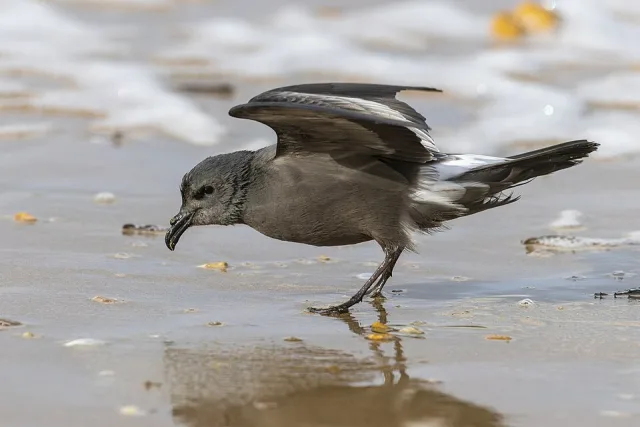
- Storm-Petrels: These small birds "walk" on the water's surface as they feed. The Fork-tailed Storm-Petrel is the most common off Washington, while the smaller, dark Leach's Storm-Petrel is also a key target, usually seen further offshore.
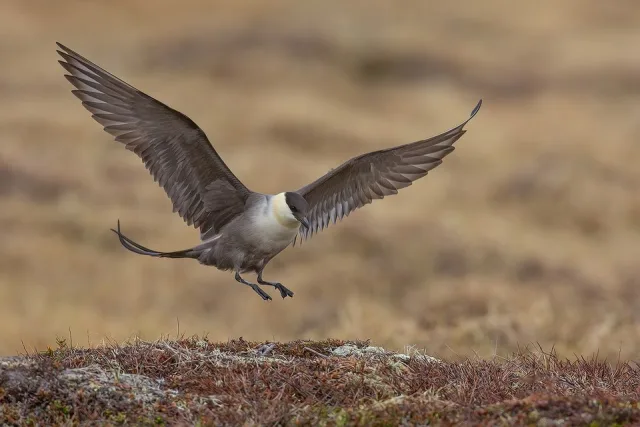
- Jaegers: Predators and kleptoparasites that chase and harass gulls and terns to steal their catch. All three North American species—Pomarine, Parasitic, and Long-tailed Jaeger—migrate through Washington waters, with the latter two most common in late summer and early fall.
- South Polar Skua: A massive, dark, predatory seabird that breeds in Antarctica and migrates to the North Pacific, often encountered in August through October.
3. Deep-Water Alcids
While many alcids (the "diving birds" like murres and puffins) can be seen near shore, several others prefer the deeper, colder water.
- Cassin's Auklet: A small, plump alcid that feeds well offshore, often encountered in the pelagic zone.
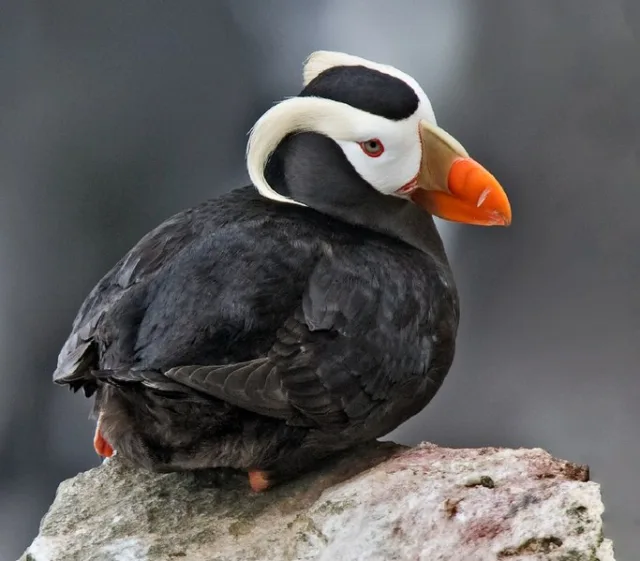
- Tufted Puffin: Though typically viewed from shore at nesting colonies like Protection Island (in the Salish Sea), they are also found far out at sea.
- Marbled Murrelet: This threatened species is known for its peculiar habit of nesting miles inland in old-growth forests, yet feeding offshore. Its elusive nature makes it a desirable pelagic sighting.
The Salish Sea Alternative: Nearshore Seabirding
While the deep-water trips provide the big-ticket pelagic species, the Salish Sea—the protected inland marine ecosystem—offers accessible, day-trip birding focused on species that breed or winter closer to the coastline.
- Port Townsend and Edmonds: Ports like these offer birdwatching cruises, often focusing on the Protection Island National Wildlife Refuge.
- Key Sightings: These trips are best for close views of Rhinoceros Auklets (Washington's most numerous nesting seabird), Pigeon Guillemots (with their striking red legs), Common Murres, and one of the last remaining nesting colonies of Tufted Puffins in the region. These cruises are excellent for photography and less demanding than the rigorous all-day ocean journeys.
Practical Tips for Washington Pelagic Success
A trip into the open Pacific is a major undertaking that requires preparation and appropriate gear.
1. Prepare for the Elements and Seasickness
The Pacific Ocean off Washington is rarely calm. Even on a clear day, the boat motion can be relentless once you pass the protection of the harbor.
- Medication is Mandatory: Take seasickness medication (like Dramamine or Bonine) the night before and again an hour before departure. Wait until you feel sick, and it’s likely too late.
- Layer Up: Dress in layers and bring waterproof, windproof outer gear. It is significantly colder and windier miles offshore than on the dock.
- Optics: Binoculars are essential. Spotting scopes are useless on a moving boat.
2. Position Yourself Strategically
The best views often come from the stern (back) of the boat, where the water is agitated by the propeller. This turbulence, combined with the occasional deployment of chum (a mix of oil, fish scraps, or other attractants used to lure birds closer to the boat), brings the tubenoses right in for a spectacular view.
3. Focus on Flight and Form
Identifying pelagic birds relies heavily on recognizing subtle differences in flight style, size, and silhouette.
- Albatrosses glide effortlessly on stiff, flat wings.
- Shearwaters bank and glide low over the waves, often alternating with rapid flapping.
- Storm-Petrels appear to flutter and glide erratically, rarely moving far from the water surface.
For the dedicated seabirder, a Washington pelagic trip out to the deep-water canyons represents a truly world-class birding experience, offering an intimate look at the tireless wanderers that connect the most remote corners of the Pacific.
