
New Mexico, the "Land of Enchantment," offers a birding experience defined by its unique blend of geography, climate, and deep cultural history. Situated at the crossroads of the Rocky Mountains, the Great Plains, the Chihuahuan Desert, and the Colorado Plateau, the state boasts an extraordinary biodiversity shaped by altitude and aridity. This convergence of ecosystems, combined with the vital riparian corridors carved by the Rio Grande and other rivers, creates crucial habitat for an array of species—from common roadrunners featured in Pueblo legends to rare warblers migrating through high-altitude forests.
New Mexico is strategically positioned between the Central and Pacific Flyways, meaning its river valleys and mountain ranges funnel millions of birds during spring and fall migration. For the birder, the state offers thrilling contrasts: the spectacle of thousands of cranes descending upon agricultural fields, the quiet challenge of finding a rare hummingbird in a juniper scrub, and the deep satisfaction of connecting with species tied to ancient desert lore.
The Lifeline: The Rio Grande Corridor
The Rio Grande, New Mexico's most significant river, is the absolute lifeline for the state's birdlife. The narrow strip of riparian forest and wetlands it sustains—known as the Bosque (Spanish for forest)—is the most important habitat corridor in the state.
The Bosque, dominated by cottonwood, willow, and salt cedar, provides essential cover, nesting sites, and a consistent water source in an otherwise arid environment. Birding here is spectacular during migration, especially at key points like:
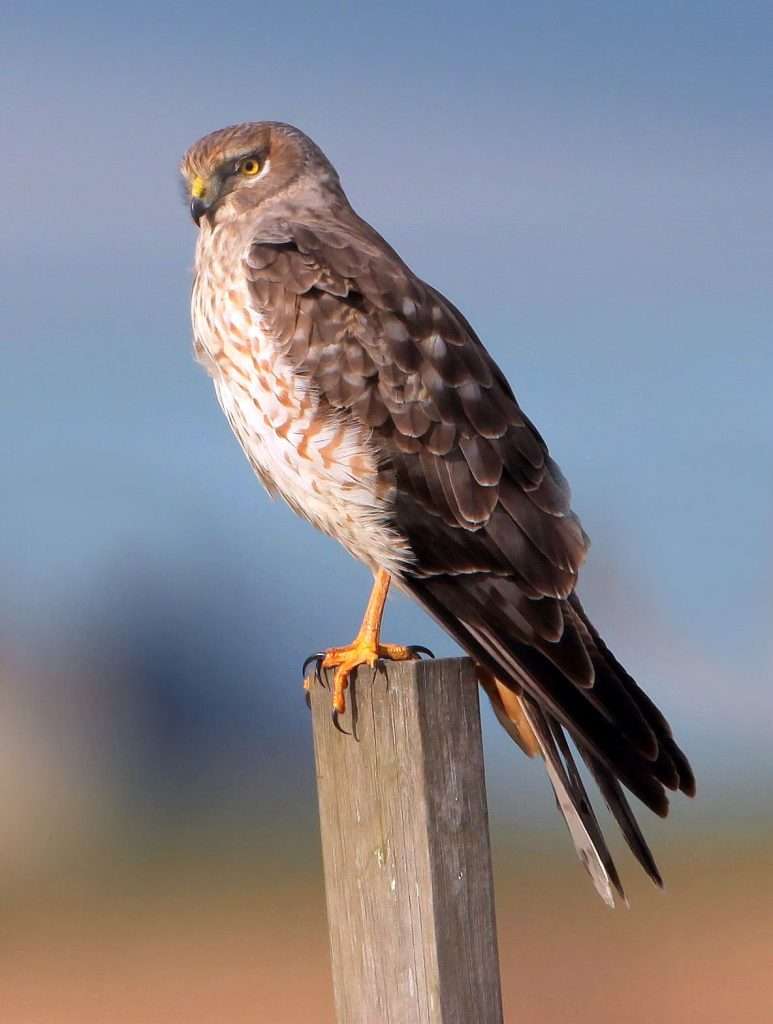
Bosque del Apache National Wildlife Refuge (NWR): This refuge, south of Socorro, is globally famous for its massive wintering concentrations of Sandhill Cranes and snow geese. The spectacle of tens of thousands of cranes lifting off the water at sunrise, known as the "flyout," is one of North America's premier wildlife events. The refuge also hosts large numbers of Bald Eagles and Northern Harriers that prey on the abundant waterfowl.

Northern Harrier Corrales Bosque Preserve: Just north of Albuquerque, this accessible stretch of the Bosque is a hotspot for neotropical migrants in spring. Birders look for western species like the Western Tanager, Broad-tailed Hummingbird, and a variety of warblers and flycatchers that use the tall cottonwoods for stopovers.
Sky Islands: Birds of the High Altitude
The southern and central mountains of New Mexico—including the Sacramento and Mimbres ranges—are often referred to as "Sky Islands." These isolated, high-altitude forested peaks are surrounded by vast, arid lowlands. Their elevation creates cooler, wetter environments that support species typically found hundreds of miles north.
Birding in the Sky Islands offers an entirely different set of species:
Hummingbirds: The mountains, particularly the Gila Wilderness and the feeders near the Arizona border, are prime habitat for multiple hummingbird species. Birders seek out the bright Broad-tailed Hummingbird, the tiny Calliope Hummingbird (the smallest in the U.S.), and the local favorite, the Lucifer Hummingbird.

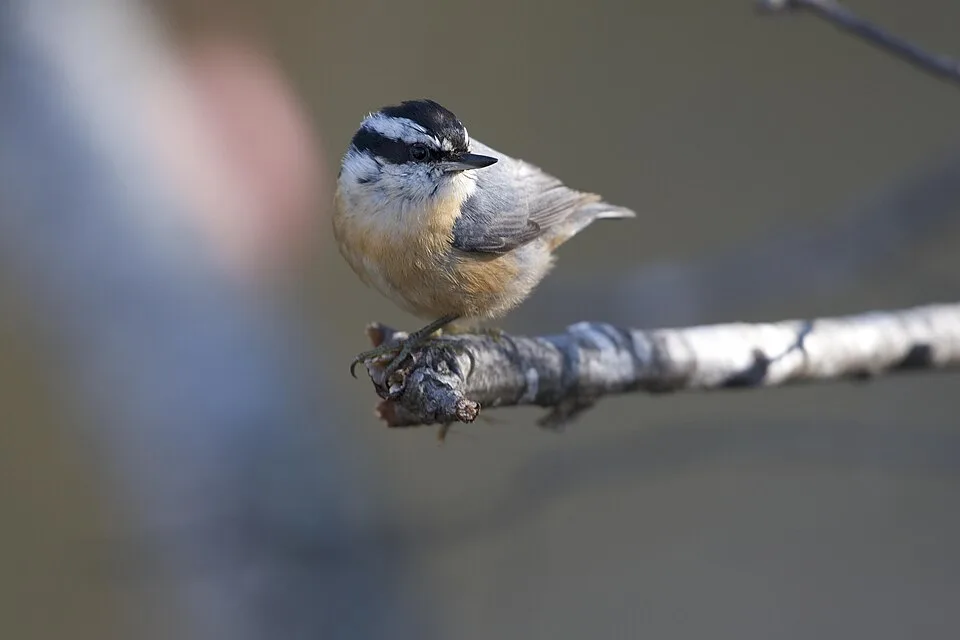
Lucifer Hummingbird Boreal Species: The highest elevations of the Sangre de Cristo Mountains in the north sustain pockets of boreal habitat, allowing species like the Red-breasted Nuthatch, Gray Jay, and various high-altitude finches to breed.
Mountain Specialties: The mountains are also the best place to find species tied to the scrub and juniper slopes, such as the Juniper Titmouse, Pinyon Jay, and the cryptic Virginia's Warbler.

Desert Lore and Prairie Encounters
New Mexico’s vast deserts and eastern prairies offer specialized birding that requires patience and a keen eye.
The Chihuahuan Desert
Southeastern New Mexico is dominated by the Chihuahuan Desert, a habitat of yucca, creosote bush, and sparse grass. This ecosystem is home to unique, heat-tolerant birds:
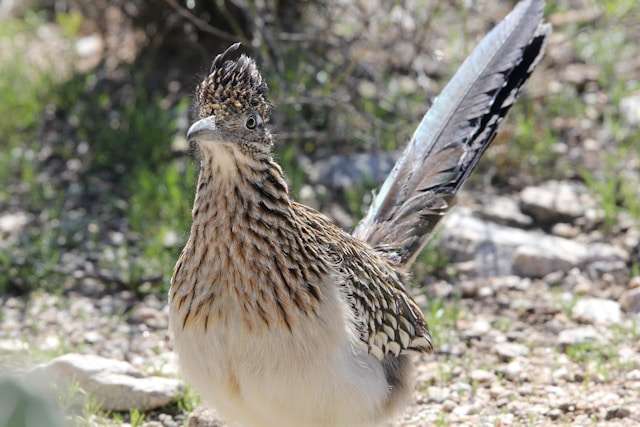
Roadrunner: The state bird, the Greater Roadrunner, is a central figure in Pueblo and Navajo lore, symbolizing swiftness and protection. It is a charismatic, ground-dwelling cuckoo famous for its ability to hunt snakes and run at high speeds.

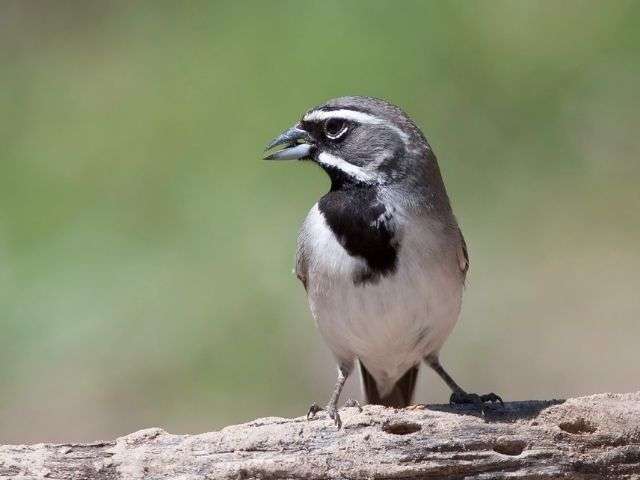
Greater Roadrunner Desert Sparrows: Sparrows here are highly adapted to arid conditions. Birders search for the Black-throated Sparrow, with its sharp black bib, and the often-elusive Cassin’s Sparrow, known for its distinctive skylarking song display during the breeding season.
The Eastern Plains
The eastern part of the state flattens into the Great Plains, providing important habitat for grassland species:
Lesser Prairie-Chicken: This species, closely related to the Greater Prairie-Chicken, is federally listed as threatened. Conservation efforts focus on preserving the remaining short-grass and mixed-grass prairie, which is critical for their communal springtime booming displays (leks).
Longspurs: In winter, the eastern plains become a haven for longspurs, especially the Lapland Longspur and the threatened Chestnut-collared Longspur, often found foraging in large flocks in agricultural stubble.

Birds in Pueblo and Navajo Culture
For centuries, birds have been central to the spiritual and social lives of New Mexico’s Native American tribes. Birds are not just wildlife; they are sacred entities, spiritual messengers, and sources of power.
Eagles and Hawks: The Golden Eagle holds profound religious significance for the Pueblo people, representing strength, courage, and a connection to the sky world. Feathers and images of raptors are vital components of ceremonies and artistic expression.
Turkeys: The Wild Turkey was domesticated by ancestral Pueblo people for its feathers and meat. It remains an important cultural symbol in art and ritual.
The Roadrunner: As mentioned, the Roadrunner is widely respected for its speed and cunning. In several traditions, its X-shaped footprints are thought to confuse evil spirits, offering protection to homes and trails.
Turkey

This rich cultural overlay deepens the birding experience, transforming a simple sighting into a connection with the state’s long, storied past.
Conservation Challenges
New Mexico's birdlife faces ongoing threats driven by the state's aridity and development:
Water Management: The biggest challenge is the management of the Rio Grande. Over-allocation of water for agriculture and municipal use threatens to dry up stretches of the Bosque, destroying the essential habitat that anchors the state’s entire migratory system.
Invasive Species: The presence of invasive plants like salt cedar (tamarisk) crowds out native cottonwoods, altering the ecosystem and reducing its value for native birds.
Habitat Fragmentation: Development, particularly around Albuquerque and Santa Fe, fragments the Sky Island habitats and the remaining grassland.
New Mexico, with its high deserts, cool mountains, and vibrant river corridors, remains a thrilling place for birding. The land offers the profound experience of finding a rare Western species in a remote canyon or witnessing a spectacle of thousands of cranes—a sight that has inspired the region's people for centuries. Protecting the water and the unique habitats of New Mexico is paramount to ensuring that the birds of desert lore and mountain legend continue their flight paths across the Land of Enchantment.
