

The Blue Ridge Mountains, a majestic spine running through western Virginia, are more than just a scenic drive. They represent one of the East Coast’s most critical ecological corridors, a biological highway where the sky is often filled with the silent drama of migration. For birders, this ancient landscape, carved by time and shrouded in misty forests, is a pilgrimage site—a place where soaring raptors ride invisible currents and the leafy canopy echoes with the songs of brightly colored warblers. From the sweeping, iconic panoramas of the Skyline Drive in Shenandoah National Park to the quiet, hidden hollows of the George Washington & Jefferson National Forest, Virginia's Blue Ridge offers a birding experience that is as rewarding as the views are breathtaking.
The Seasonal Spectacle: Timing Your Trip
Birding in the Blue Ridge is a year-round pleasure, but the sheer volume and diversity of species peak during the spring and fall migrations. The unique geology of the mountains plays a pivotal role in these spectacular movements. The north-south orientation of the Appalachian ridge creates a natural funnel, guiding billions of birds, especially the powerful raptors, along the mountain crest.
Spring: The Warbler Wave
Late April through May is arguably the most thrilling time for neotropical migrants. As the mountains turn from muted brown to vibrant green, they are suddenly filled with tiny, jewel-toned songbirds returning from their wintering grounds in Central and South America.
The spring migration, often called the "Warbler Wave," brings over a dozen species to the high-elevation forests to breed or pass through. Birders are often overwhelmed by the sheer variety and the challenge of catching a glimpse of these hyperactive birds high in the canopy. Key species to listen and look for include:
Black-throated Blue Warbler: A stunning bird whose males are an unmistakable blue, black, and white.
Black-throated Green Warbler: Often found in the higher elevation hemlocks and spruces, known for its buzzy song.
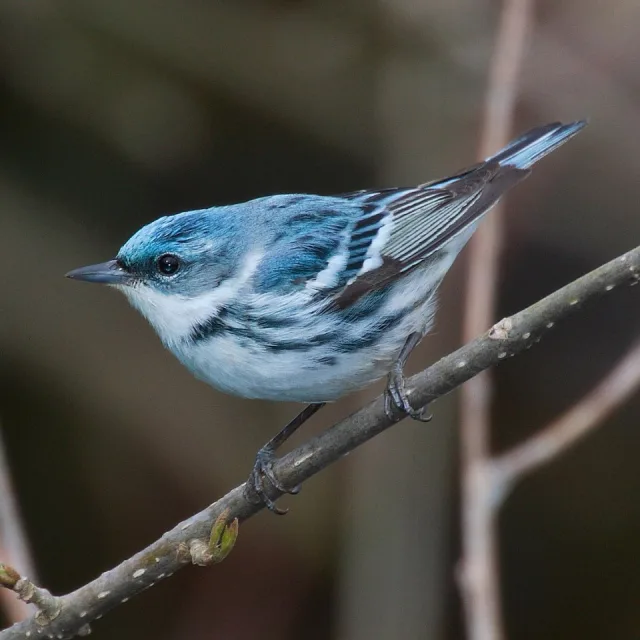
Cerulean Warbler: A priority conservation species that favors mature, deciduous forests, often seen high up in the oaks.
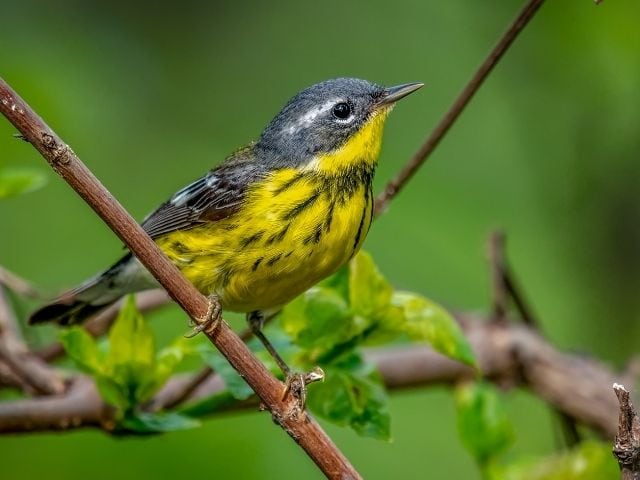
Canada Warbler and Magnolia Warbler: Common spring transients that add splashes of yellow and black to the mid-story thickets.
Locations like the South River Picnic Area and the trails around Hightop Mountain in Shenandoah National Park are famous for these spring songbird fallouts, where dozens of individuals and multiple species can appear in a single mixed flock.
Autumn: The Raptor Rivers

When fall arrives, the spectacle shifts from the secretive undergrowth to the open sky. September and October mark the peak of the raptor migration, as thousands of birds of prey take advantage of the mountain’s unique aerodynamics. The large, open ridgelines and rock outcrops are ideal for generating thermals (columns of rising warm air) and ridge lift (air deflected upward by the wind hitting the mountain slope). Raptors, with their broad wings, barely have to flap, using these currents to effortlessly glide south.
Hawk watches, like the long-running Rockfish Gap Hawk Watch near the junction of Skyline Drive and the Blue Ridge Parkway, become a hub of activity. Birders gather with scopes and binoculars to count and identify the seemingly endless "rivers" of migrating raptors. Common sightings include:
Broad-winged Hawk: The star of the show, these stocky, migrating hawks often move in massive groups known as kettles, with hundreds or even thousands swirling overhead on a single day in mid-to-late September.
Sharp-shinned and Cooper’s Hawks: These sleek, agile accipiters are a blur of motion as they pursue smaller songbirds along the ridgeline.
Red-tailed Hawk and Turkey Vulture: Resident flyers, their numbers swell with migrants, offering constant aerial movement against the vast sky.
Peregrine Falcon: The fastest animal on Earth, these powerful falcons are seen flashing past on their long journey south, often an electric punctuation mark to a day of counting.

Sharp-shinned Hawk

Key Birding Hotspots and Trails
The beauty of birding the Blue Ridge lies in the accessibility of its premier sites, many of which are located directly along the scenic roadways.
1. Shenandoah National Park & Skyline Drive
This 105-mile National Scenic Byway, running along the crest of the Blue Ridge, is synonymous with Virginia mountain birding. The sheer elevation change—from the valley floor to over 4,000 feet—creates distinct habitats.
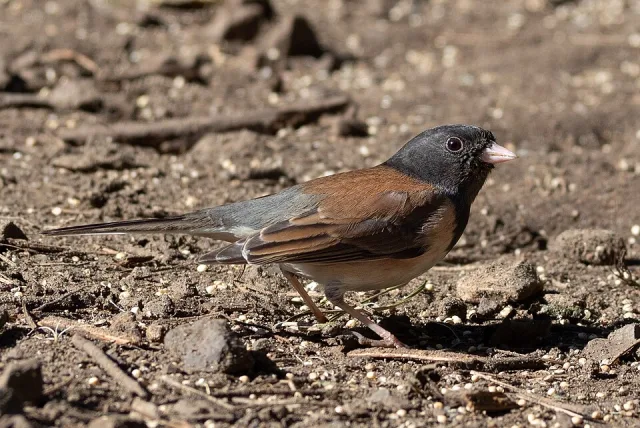
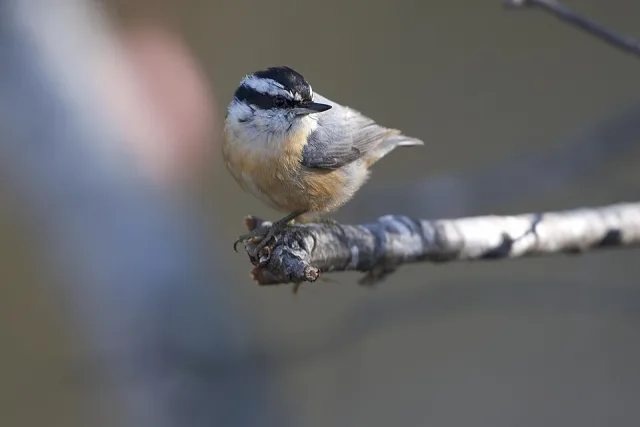
High-Elevation Forests: Look for northern species like the Dark-eyed Junco and Red-breasted Nuthatch, which have relict populations here, essentially marooned by the receding glaciers.
Big Meadows: An open, grassy area offering unique habitat for species like the Field Sparrow and, occasionally, rare migrants.
Rapidan Camp and other lower-elevation areas: Habitat for species like the Worm-eating Warbler and Hooded Warbler.
2. The Blue Ridge Parkway (Virginia Section)
Continuing where Skyline Drive leaves off, the Parkway offers a less structured, yet equally rewarding, experience, crisscrossing numerous forests and valleys.
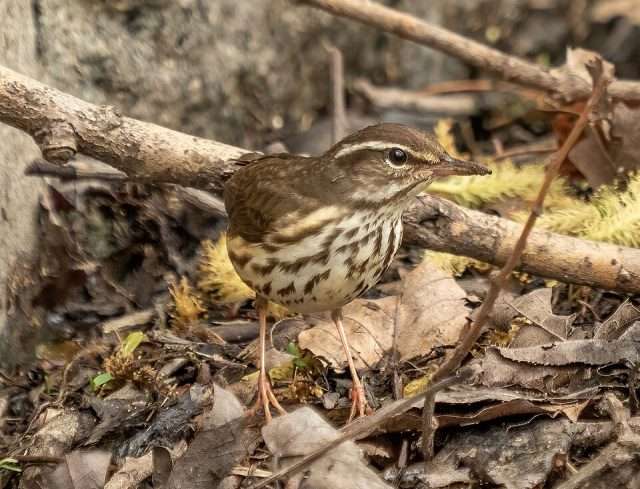
Warbler Road (Route 768 in the George Washington National Forest): A local birding legend, this winding, unpaved road drops dramatically in elevation, allowing birders to often view tree-top warblers at eye level from the roadside. The mix of habitats makes it a magnet for different warbler species, including the Louisiana Waterthrush along the creeks.
Mahogany Rock Hawk Watch: Located just across the border in North Carolina, but part of the regional flyway, this established watch site is dedicated to monitoring the autumn raptor count.

Louisiana Waterthrush
3. Carvins Cove Natural Reserve
Near Roanoke, this reservoir and surrounding forest area offers a mix of aquatic and terrestrial habitats. It’s a reliable spot for water birds that are less common higher up the mountains, such as various ducks, geese, and herons, while the forest edges hold common Blue Ridge songbirds. The variety provides an excellent complement to the ridge-top birding experience.
Beyond the Birds: The Vistas and the Vibe
Birding the Blue Ridge isn't just about the checklist; it’s about the holistic experience. The mountains themselves, with their distinctive hazy blue tint, are a character in the drama.
Whether you're a seasoned hawk-watcher patiently waiting for the kettles to appear or a casual hiker whose attention is caught by the quick, bright flash of a Northern Parula in the undergrowth, Virginia's Blue Ridge offers a deep connection to the natural world. It is a place where the grandeur of the landscape and the delicate beauty of its feathered inhabitants converge in a truly spectacular, year-round avian performance.
Birds of West Virginia: The Common, Migratory, and Rare Species
