

West Virginia’s rich blend of forests, mountains, rivers, and meadows makes it an ideal habitat for a wide variety of bird species. With over 350 species recorded in the state, birdwatching in West Virginia offers something for everyone—from colorful backyard songbirds to rare migrants that pass through during spring and fall.
In this article, we highlight 15 birds that best represent the common, migratory, and rare avian life of West Virginia.
I. Common Birds of West Virginia (Year-Round or Seasonal Residents)
These birds are frequently seen across the state and are familiar sights to residents and casual birders alike.
1. Northern Cardinal (Cardinalis cardinalis)

Status: Common, year-round resident
Habitat: Woodlands, backyards, shrublands
Notes: West Virginia’s state bird, the cardinal is a vibrant red songbird with a melodic whistle. Both males and females sing—a trait uncommon among songbirds.
2. American Robin (Turdus migratorius)

Status: Common, year-round and partial migrant
Habitat: Lawns, gardens, forests
Notes: Often associated with spring, robins are actually present in West Virginia throughout winter, especially in woodlands where fruit is available.
3. Carolina Chickadee (Poecile carolinensis)

Status: Common, year-round
Habitat: Woodlands, suburbs
Notes: These tiny, curious birds are frequent feeder visitors. They’re known for their high-pitched “chick-a-dee-dee-dee” calls.
4. Tufted Titmouse (Baeolophus bicolor)

Status: Common, year-round
Habitat: Deciduous forests, residential areas
Notes: Often seen with chickadees and woodpeckers, this gray, crested bird is a vocal and lively presence in many backyards.
5. Downy Woodpecker (Dryobates pubescens)
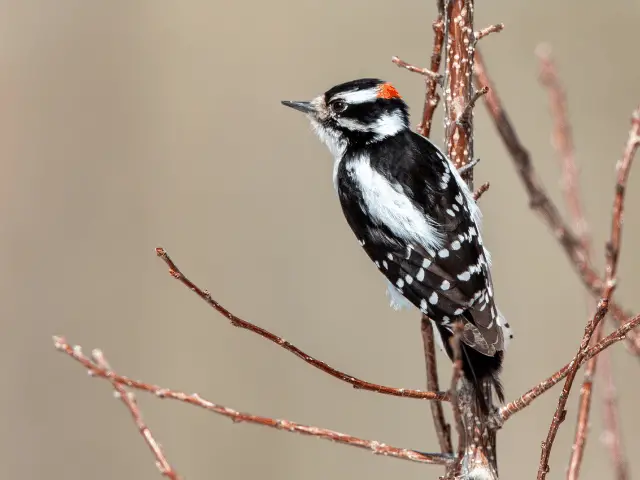
Status: Common, year-round
Habitat: Forests, woodlots, parks
Notes: The smallest woodpecker in North America, often seen at suet feeders and recognized by its black-and-white plumage and short bill.
II. Migratory Birds in West Virginia
These species visit West Virginia during migration seasons or to breed in spring and summer, often traveling thousands of miles.
6. Baltimore Oriole (Icterus galbula)

Status: Summer migrant
Habitat: Open woodlands, orchards, riversides
Notes: Bright orange and black males are unmistakable. They weave intricate hanging nests and can be attracted to feeders with oranges or jelly.
7. Scarlet Tanager (Piranga olivacea)

Status: Migratory breeder (spring–summer)
Habitat: Deciduous forests
Notes: Males sport a vivid red body with black wings; females are olive-yellow. Though flashy, they are often hidden high in the canopy.
8. Blackburnian Warbler (Setophaga fusca)
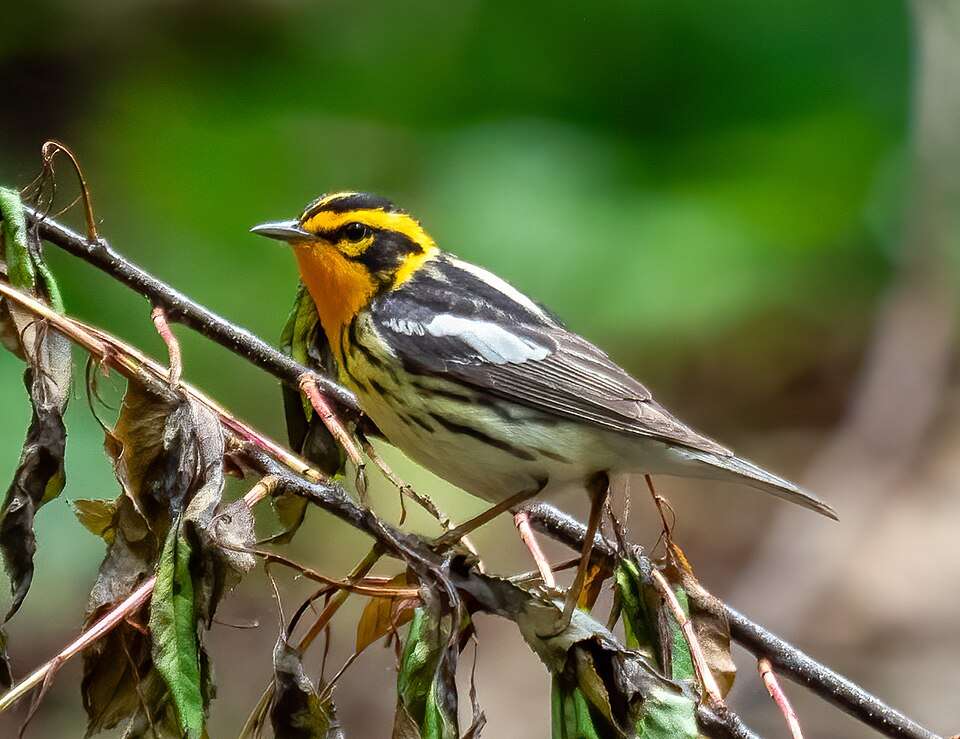
Status: Migratory, breeding in higher elevations
Habitat: Spruce forests, mixed woods
Notes: With its fiery orange throat and striking plumage, this small warbler is a favorite among birders during migration and summer in the Alleghenies.
9. Wood Thrush (Hylocichla mustelina)

Status: Summer breeder
Habitat: Mature deciduous forests
Notes: Known for its ethereal, flute-like song, the Wood Thrush is a hallmark of Appalachian woodlands. It’s a declining species due to habitat loss.
10. Yellow-throated Warbler (Setophaga dominica)

Status: Summer migrant
Habitat: Sycamore groves, riverside woods
Notes: Sporting a bold black-and-white pattern with a golden throat, this warbler nests in tall trees along waterways.
III. Rare or Uncommon Birds of West Virginia
These birds are infrequent visitors, localized breeders, or species that appear unexpectedly, thrilling birders lucky enough to spot them.
11. Golden Eagle (Aquila chrysaetos)
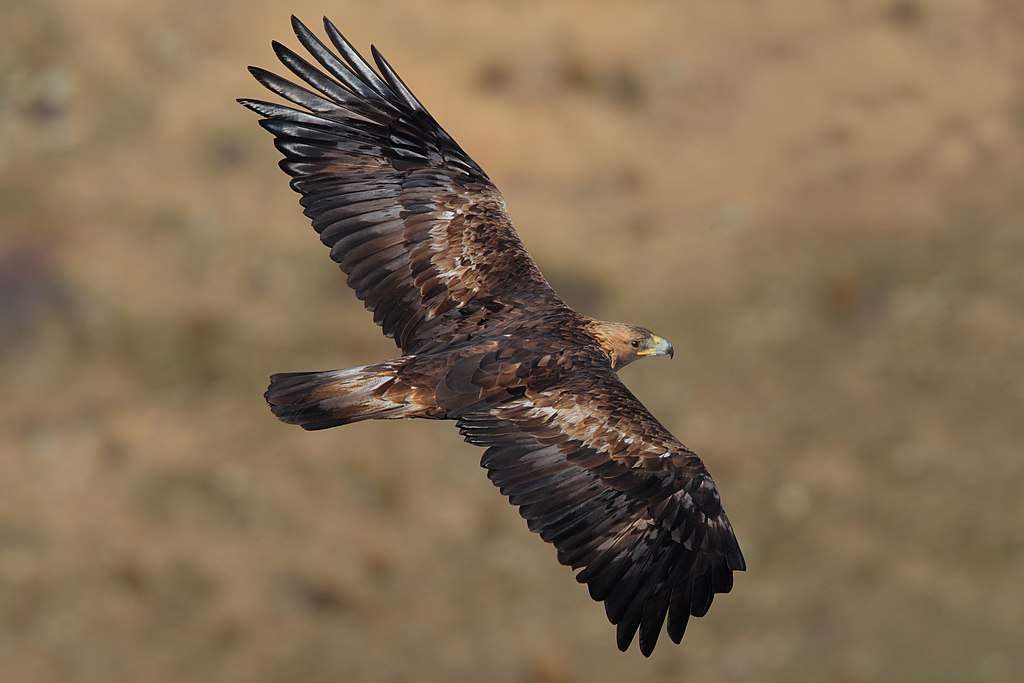
Status: Rare winter visitor
Habitat: Mountain ridges, remote valleys
Notes: Occasionally seen in winter in the Allegheny Highlands, these massive raptors are more common in the western U.S. but do migrate through Appalachia.
12. Loggerhead Shrike (Lanius ludovicianus)
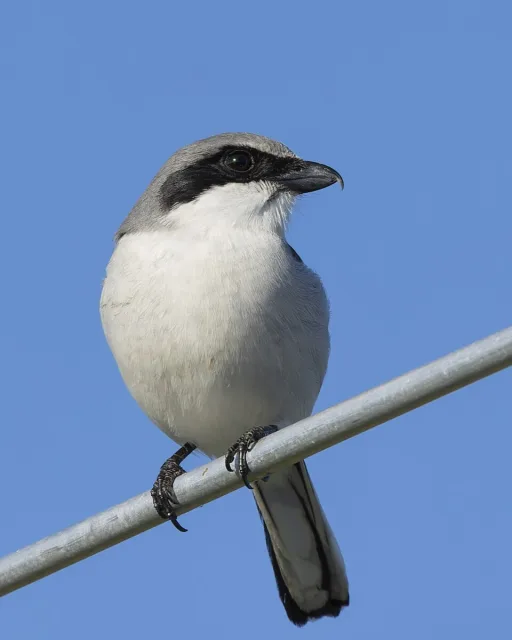
Status: Rare breeder, declining
Habitat: Open fields with scattered trees
Notes: A fierce predator despite its small size, the Loggerhead Shrike impales prey on thorns or barbed wire. Once more common, it’s now a rare sight in the state.
13. Red Crossbill (Loxia curvirostra)
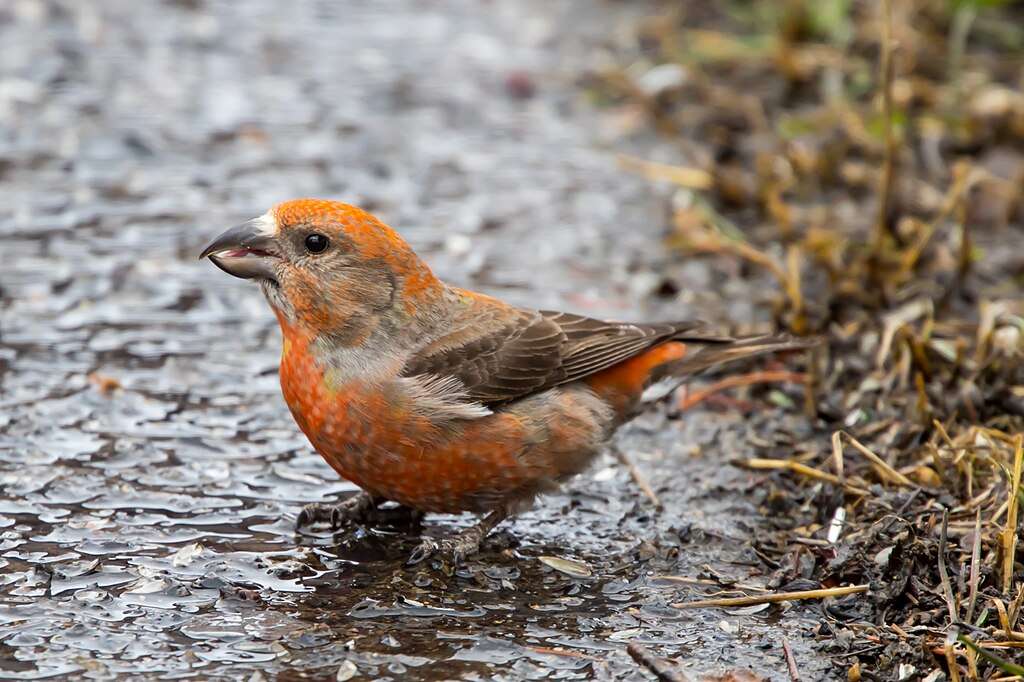
Status: Irruptive, rare
Habitat: Coniferous forests
Notes: These nomadic finches with crossed bills appear irregularly depending on cone crops. They may breed in higher elevations during irruption years.
14. Swainson’s Warbler (Limnothlypis swainsonii)

Status: Uncommon and local breeder
Habitat: Dense rhododendron and forest understory
Notes: Elusive and secretive, this warbler is rarely seen but sometimes heard delivering a loud, ringing song in dense Appalachian thickets.
15. Snowy Owl (Bubo scandiacus)
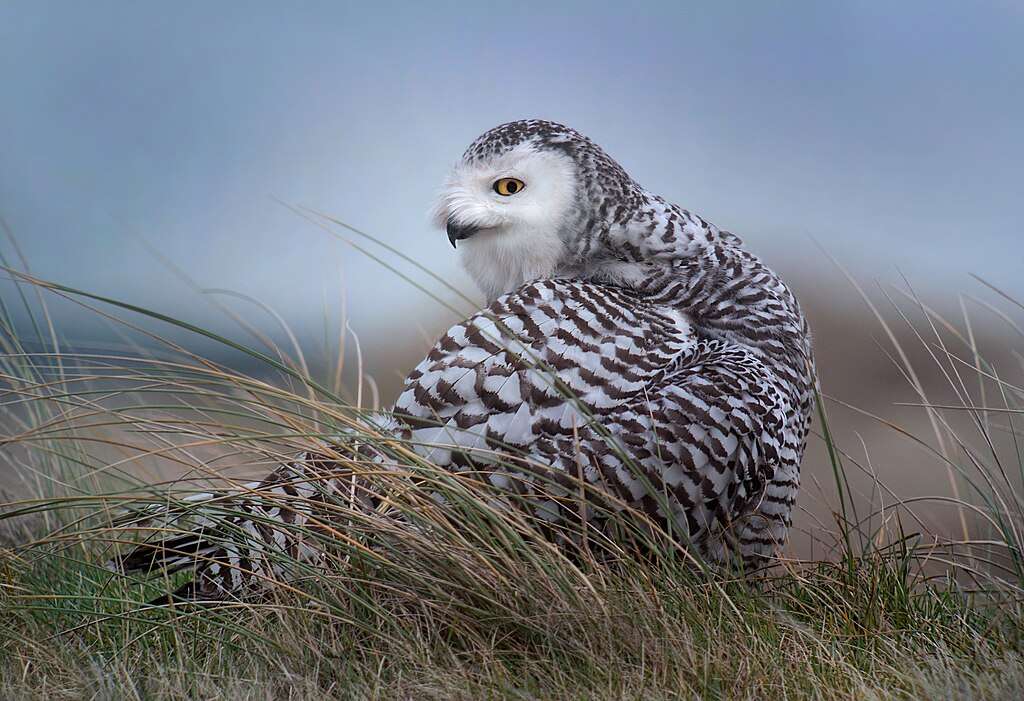
Status: Rare winter visitor (irruptive)
Habitat: Open fields, airports
Notes: Native to the Arctic, Snowy Owls occasionally drift far south in winter. In irruption years, one or two may appear in West Virginia, drawing crowds of birders.
Conservation and Citizen Science
Many birds in West Virginia face threats from habitat loss, climate change, and window collisions. Conservation efforts focus on preserving forests, wetlands, and open grasslands that support diverse bird life.
West Virginians can help by:
Participating in bird counts (like the Audubon Christmas Bird Count or eBird submissions)
Installing birdhouses and native plants in yards
Reducing pesticide use to protect insect-eating birds like warblers and flycatchers
Supporting organizations like the West Virginia Ornithological Society
Wrapping Up
From the vibrant call of a cardinal in winter to the haunting flute of the Wood Thrush in spring, the birds of West Virginia provide beauty, song, and ecological value throughout the year. Whether you're scanning mountain ridges for eagles or enjoying chickadees at your feeder, there's always something new to discover in the Mountain State’s avian world.
By appreciating and protecting our birds—common and rare alike—we ensure they’ll continue to enrich our forests, fields, and backyards for generations to come.
