

Texas is a birder's paradise, a colossal state that serves as a biological funnel where eastern, western, northern, and southern avian species converge. Due to its size and location on the Central Flyway, Texas boasts one of the highest bird counts in the U.S. (over 640 species). For the first-time birder, the sheer diversity can be overwhelming.
This list focuses on 45 species that are distinctive, relatively common, and representative of Texas's four major birding regions: the Pineywoods/Coastal Prairies, the Hill Country/Central Texas, the Big Bend/West Texas, and the Rio Grande Valley (RGV). Mastering these species will provide a fantastic foundation for any Texas birding adventure.
Common & Widespread Backyard Birds (All Regions)
These familiar faces are the everyday birds that provide excellent practice with common families like doves, woodpeckers, and mockingbirds.
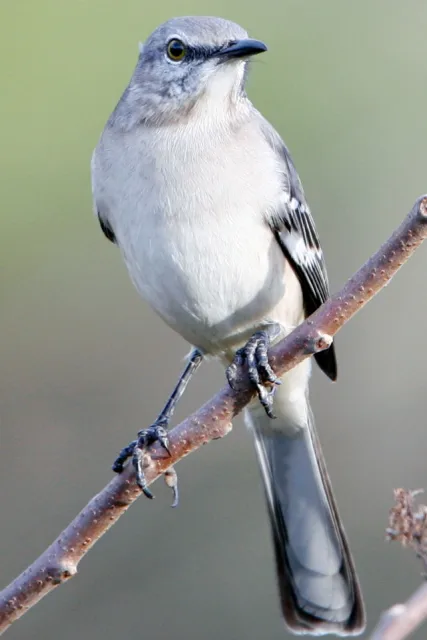
Northern Mockingbird: The state bird; identified by its gray plumage, white wing patches, and habit of mimicking other birds' songs.

Northern Mockingbird Mourning Dove: Ubiquitous; known for its slender shape and sad, cooing call.

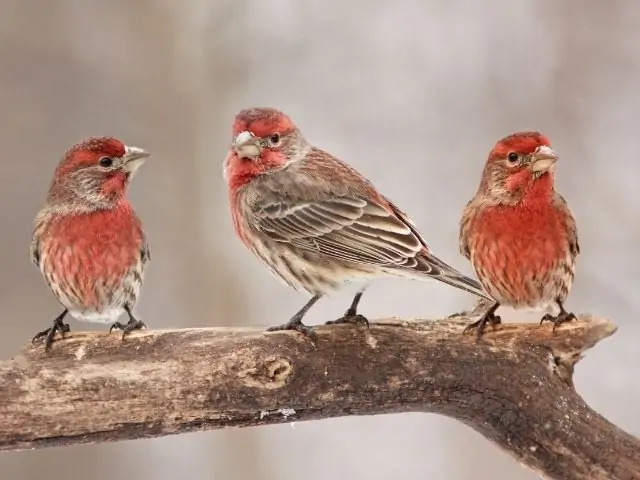
Mourning Dove House Finch: Male is streaked brown with a rosy red wash on the head and breast.

House Finches Carolina Wren: Tiny, energetic bird with a loud, ringing teakettle-teakettle song.
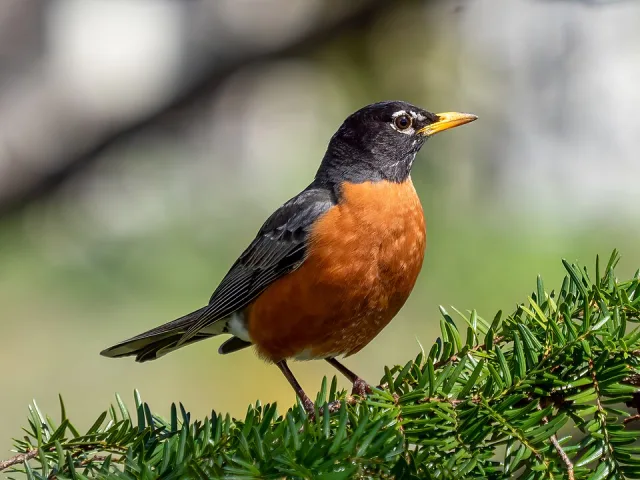
Carolina Wren American Robin: Common thrush with a rusty breast; often seen foraging on lawns.
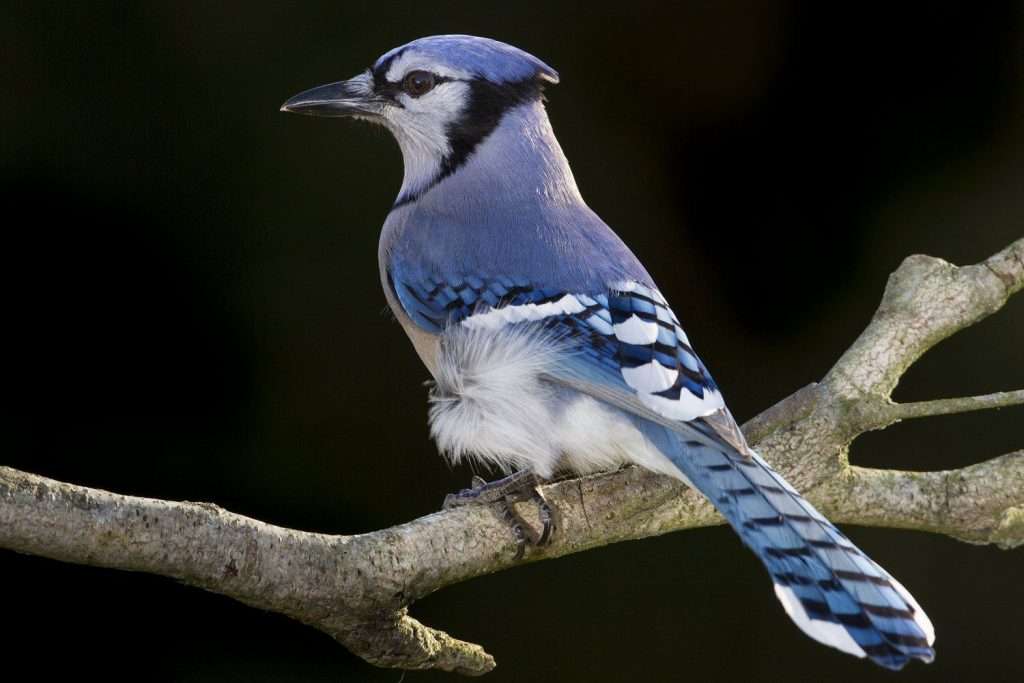
American Robin Blue Jay: Brilliant blue and white plumage with a prominent crest; loud, aggressive calls.

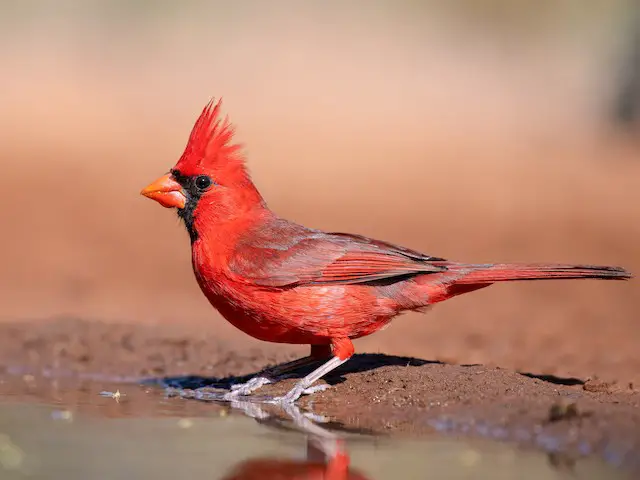
Blue Jay Northern Cardinal: Iconic male with bright red plumage and a distinct crest.
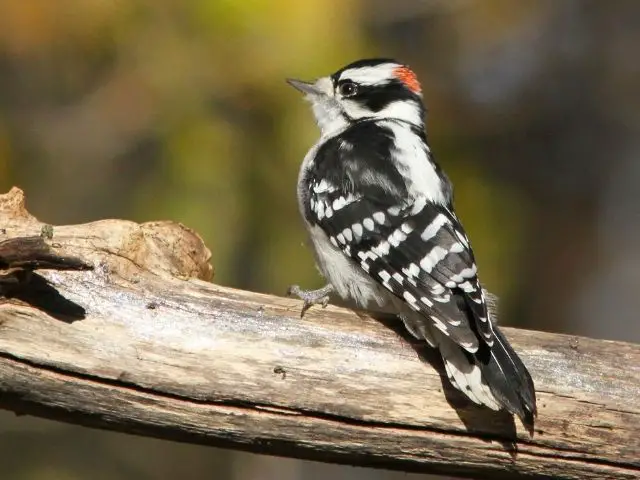
Northern Cardinal Downy Woodpecker: Smallest woodpecker; black and white ladder pattern on its back.
Downy Woodpecker European Starling: Glossy black, short-tailed, often numerous and noisy in urban areas. (Introduced species).



Coastal and Piney Woods Specialties (East Texas)
The moist, eastern half of the state features species shared with the eastern U.S., including wading birds and forest residents.
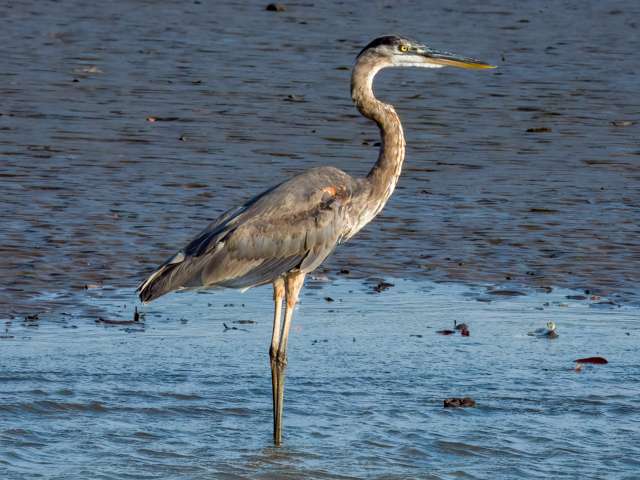
Great Blue Heron: Large, stately wading bird; slate-gray body and slow, powerful wingbeats.
Great Blue Heron Brown Pelican: Found exclusively along the coast; dives spectacularly for fish; large bill with a pouch.

Brown Pelican Osprey: Large raptor, nearly cosmopolitan, with a distinct white head and black mask; specializes in catching fish.

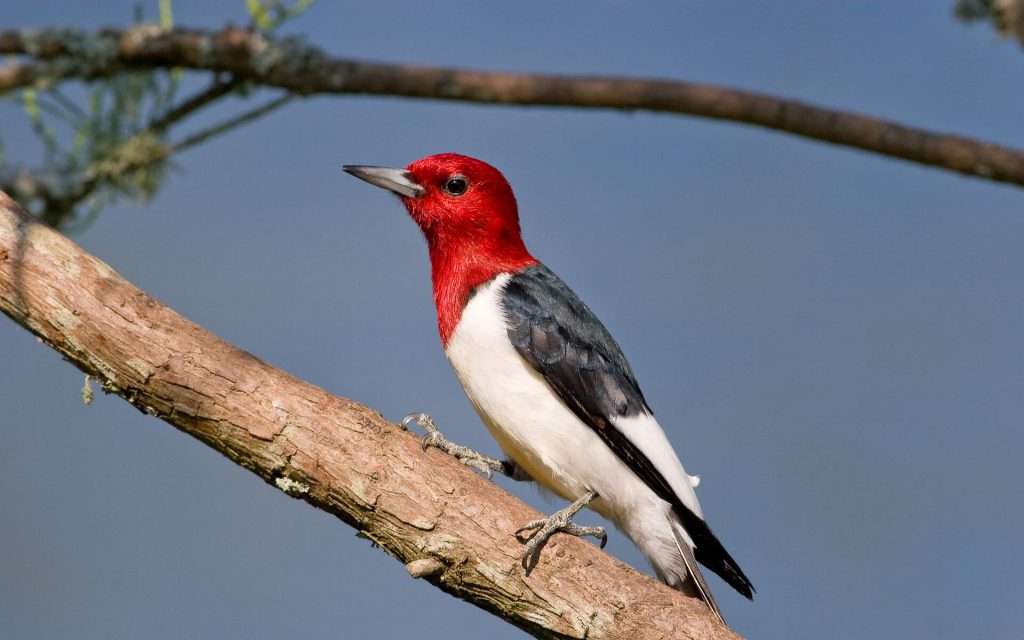
Osprey Red-headed Woodpecker: Unmistakable adult with a completely bright red head contrasting with black and white body patches.

Red-headed Woodpecker Barred Owl: Often vocal in bottomland forests; recognized by its dark eyes and distinctive Who cooks for you? call.

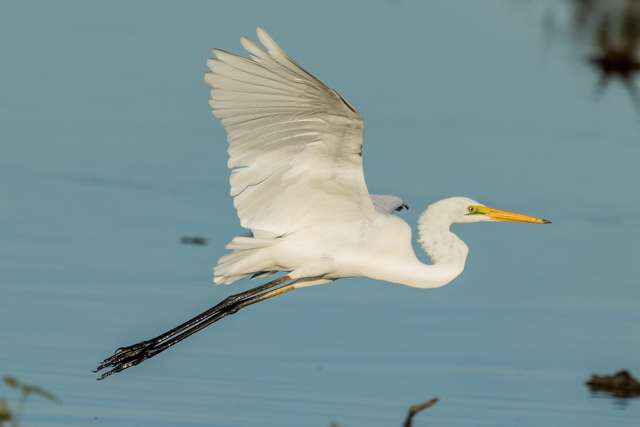
Barred Owl Great Egret: Large, dazzlingly white heron with a yellow bill and black legs.
Great White Egret Roseate Spoonbill: Stunning pink wading bird with a unique, flattened, spoon-shaped bill used for filtering.
Roseate Spoonbill https://lovethebirds.com/roseate-spoonbill-color/
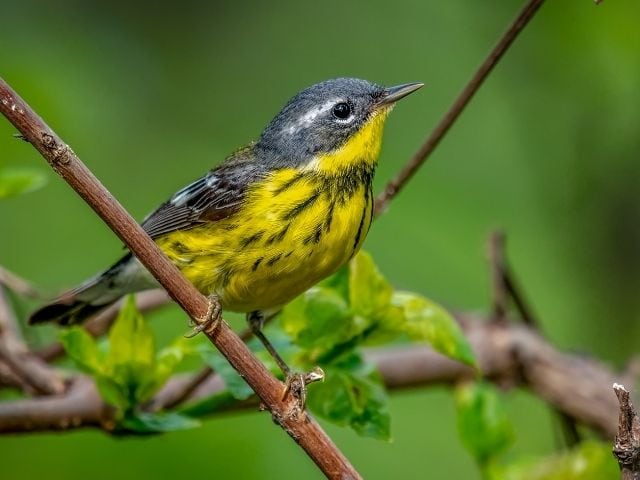
Magnolia Warbler: A beautiful spring migrant often seen in coastal oak motts; yellow throat and a black streaked vest.
Magnolia Warbler




Central Texas and Hill Country (The Core)
This region, defined by juniper woodlands and rugged limestone hills, is home to Texas's two most famous endemic species.
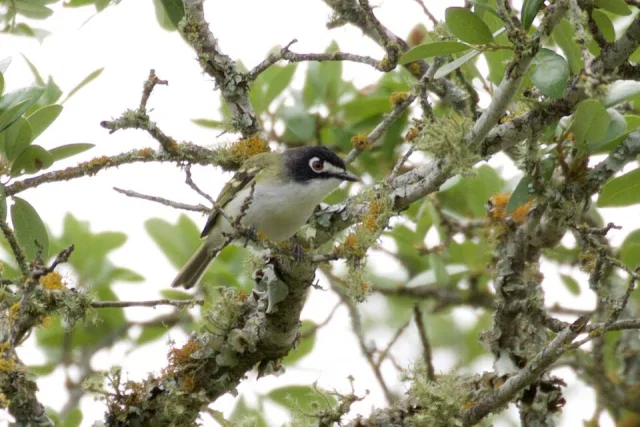
Black-capped Vireo: Tiny, endangered songbird of the scrubby juniper; male has a jet-black head and red eyes. (Breeding endemic).
Black-capped Vireo Golden-cheeked Warbler: Endangered songbird breeding only in the Texas Hill Country; recognized by its bright yellow cheek patches and black throat. (Breeding endemic).

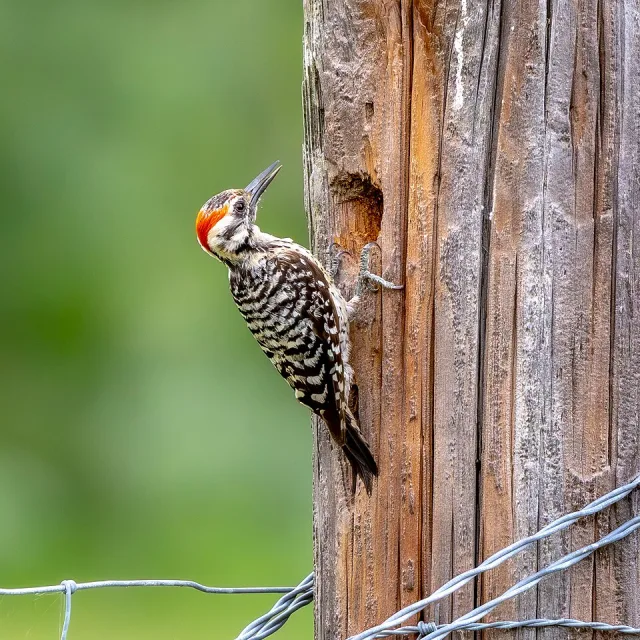
Golden-cheeked Warbler Ladder-backed Woodpecker: Common in arid scrub; fine black and white barring on its back and wings.
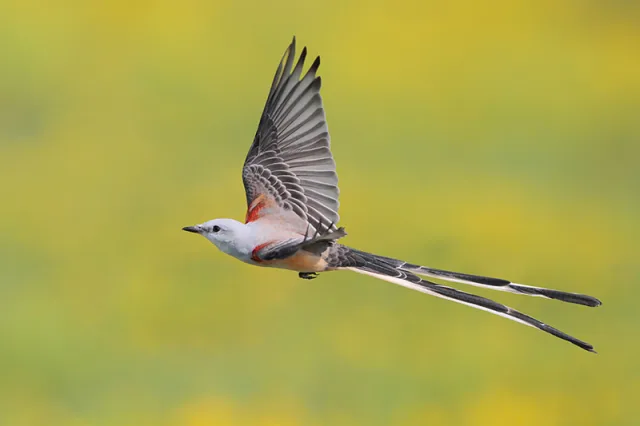
Ladder-backed Woodpecker Scissor-tailed Flycatcher: State bird of Oklahoma, but common in Central Texas; recognized by its exceptionally long, deeply-forked tail.
Scissor-tailed Flycatcher Inca Dove: Small, gray dove that often walks rather than flies; has a scaly appearance and rufous patches in its wings.
Inca Dove


Big Bend and West Texas Deserts (The Arid West)
The Chihuahuan Desert, Trans-Pecos mountains, and Big Bend National Park host species adapted to high, dry elevations and arid scrub.
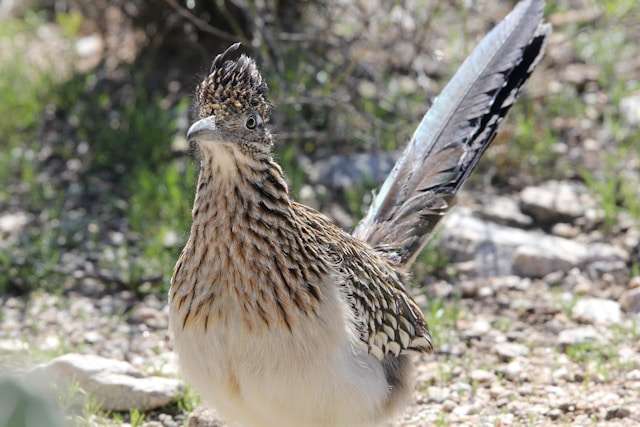
Greater Roadrunner: Large, unmistakable cuckoo with a long tail; prefers to run rather than fly.
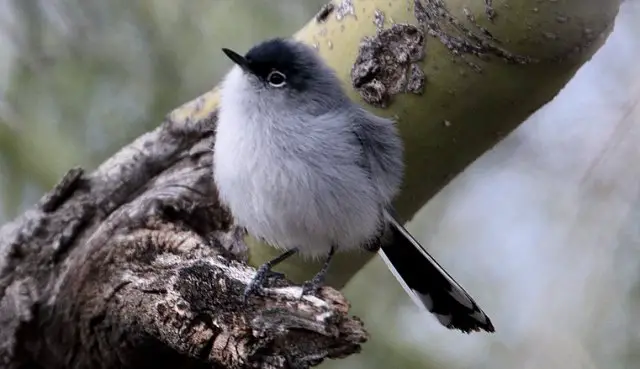
Greater Roadrunner Black-tailed Gnatcatcher: Tiny, hyperactive bird of the desert scrub; black tail is often flicked or held cocked.

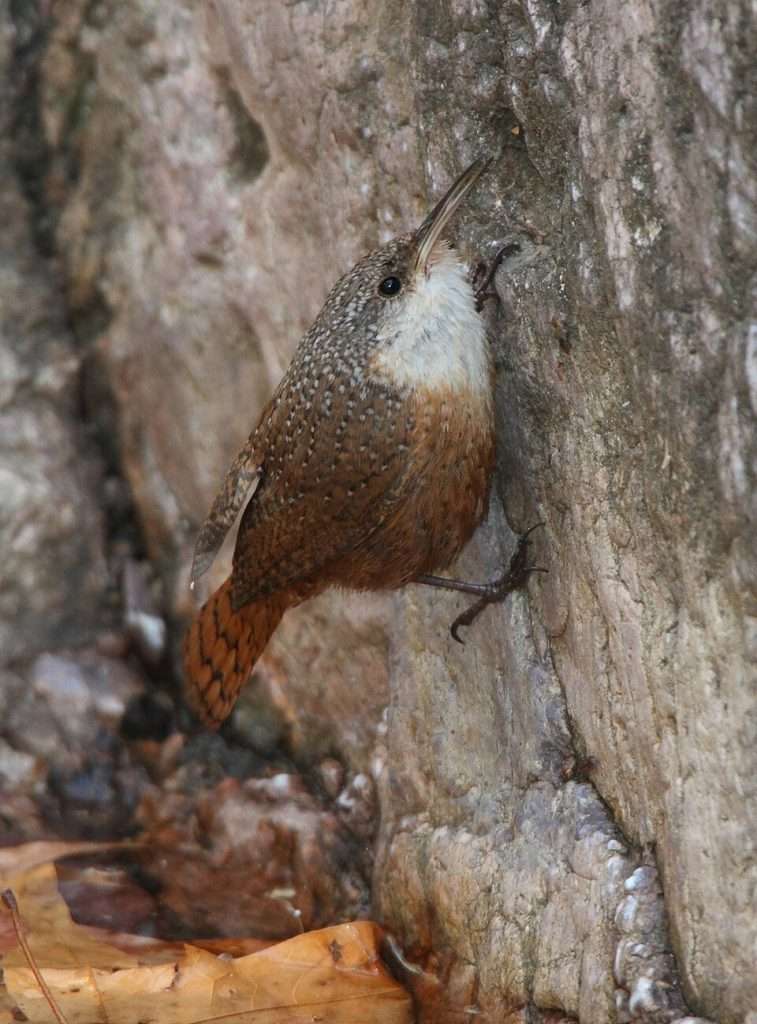
Black-tailed Gnatcatcher Canyon Wren: Heard more often than seen; its song is a beautiful, cascading series of descending whistles, typically echoing from canyons.

Canyon Wren Scaled Quail: Plump, ground-dwelling bird with a distinctive cotton-top crest.
Scaled Quail Common Raven: Massive corvid, common in mountains and desert; deeper, guttural call than a crow.

Common Raven Verdin: Tiny, yellow-headed bird of the mesquite and acacia; builds large, messy spherical nests.
Gambel's Quail: Distinguished from the Scaled Quail by its prominent, forward-curving black teardrop crest.
Gambel's Quail Acorn Woodpecker: A social woodpecker of oak woodlands; recognized by its colorful red, white, and black face, and its habit of drilling holes to store acorns.

Acorn Woodpecker


Rio Grande Valley (RGV) Specialties (The Tropics)
The RGV is the jewel of Texas birding, a subtropical habitat where species from the tropics cross the border, often found nowhere else in the U.S.
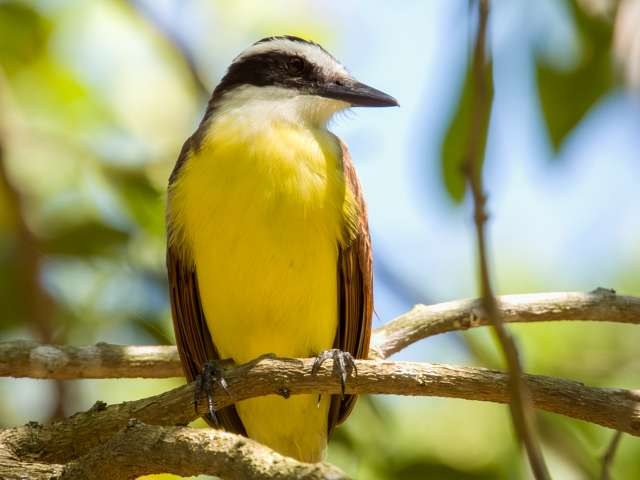
Great Kiskadee: Large, noisy flycatcher with a rusty body and a bright yellow belly and brown mask. Its call sounds like kis-ka-dee!
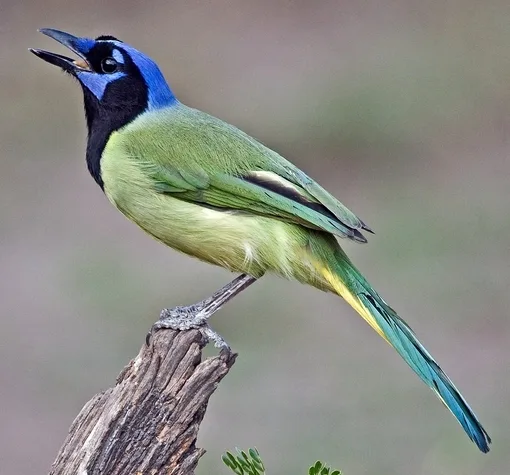
Great Kisskadee Green Jay: A breathtakingly colorful jay with a bright yellow-green body, black throat, and blue crown.

Green Jay Plain Chachalaca: Large, noisy, chicken-like bird often seen in thickets; known for its loud, raucous dawn chorus.
Plain Chachalaca Altamira Oriole: Brilliant orange body with black wings and throat; builds hanging, pendant-shaped nests.

Altamira Oriole Harris's Hawk: Distinctive social raptor, often seen hunting cooperatively in groups; black body with rufous shoulders and white tail tips.

Harris's Hawk White-tipped Dove: Large, plump dove of the dense brush; known for its deep, cooing call.
White-tipped Dove Least Grebe: The smallest grebe; dark, active, often seen diving in drainage ditches and canals.
Least Grebe Brownsville Common Yellowthroat: A subspecies of the common yellowthroat known for its bold black mask and yellow throat, found only in the RGV.
Common Yellowthroat Northern Beardless-Tyrannulet: Tiny, drab flycatcher, often difficult to spot, but its rising pee-pee-pee call is distinct.
Northern Beardless-Tyrannulet Olive Sparrow: A ground-dwelling sparrow with a dark face and reddish crown.
Olive Sparrow


Iconic Raptors and Waterfowl (Widespread but Distinctive)
These species are recognizable, powerful, and often migratory, making their appearances memorable across multiple regions.
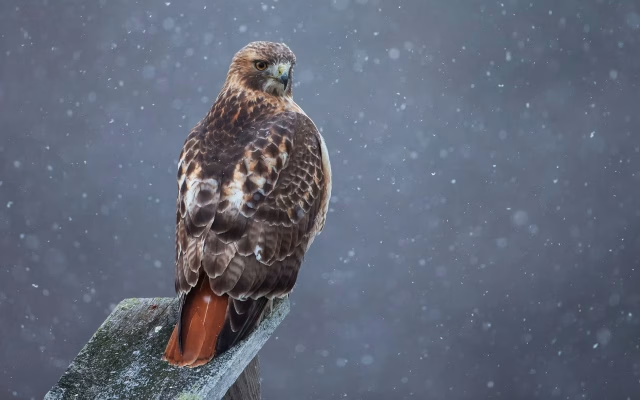
Red-tailed Hawk: The most common roadside raptor; stocky build and a characteristic rusty-red tail (in adults).
Red-tailed Hawk Black Vulture: Smaller, social vulture with a shorter tail; wings often held flat in a dihedral (V-shape) when gliding.

American Black Vulture Turkey Vulture: Larger vulture with a red, featherless head; uses its sense of smell to find carrion; wings often held in a pronounced V-shape when soaring.

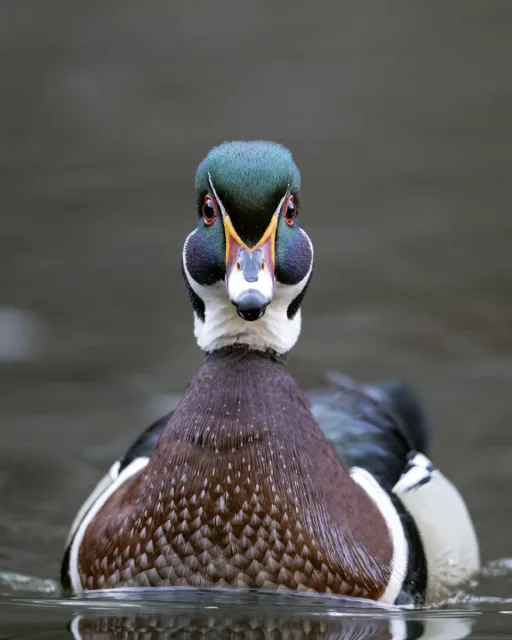
Turkey Vulture Wood Duck: Found in wooded swamps; male is dazzling with a crested, iridescent green head and red eye.

Wood Duck American White Pelican: Huge white bird with black flight feathers (visible in flight) and an enormous bill; often seen fishing cooperatively in groups.
American White Pelican



A first birding trip to Texas is about experiencing this immense cross-section of avian life. Start with these 45 common, colorful, and unique species, and you'll find yourself well on your way to mastering the diverse birdlife of the Lone Star State.
