

When we think of pollination, our minds instantly picture the busy bee or the fluttering butterfly. Yet, a vibrant and dynamic cohort of birds—primarily hummingbirds and, to a lesser extent, certain songbirds—play a critical, often unsung role in the reproductive success of thousands of plant species across the United States. This process, known as ornithophily (literally "bird love"), is a spectacular example of co-evolution, where birds and flowers have engaged in a beautiful, mutually beneficial partnership.
Ornithophilous plants have evolved to offer high-energy, liquid rewards, while birds have developed specialized beaks, long tongues, and the hyper-fast metabolism necessary to exploit these floral offerings. This relationship is not just beautiful; it’s a cornerstone of biodiversity in habitats ranging from the arid Southwest to the temperate rainforests of the Pacific Northwest.
The Mechanics of Bird Pollination
Bird pollination differs fundamentally from insect pollination, largely due to the unique needs and anatomy of the avian visitor.
1. The Bird’s Needs: High-Octane Fuel
Unlike insects that seek pollen for protein, birds—especially hummingbirds—require massive amounts of sugar to power their metabolic furnaces. Hummingbirds, for instance, must consume nearly their own weight in nectar daily to sustain their rapid wing beats.
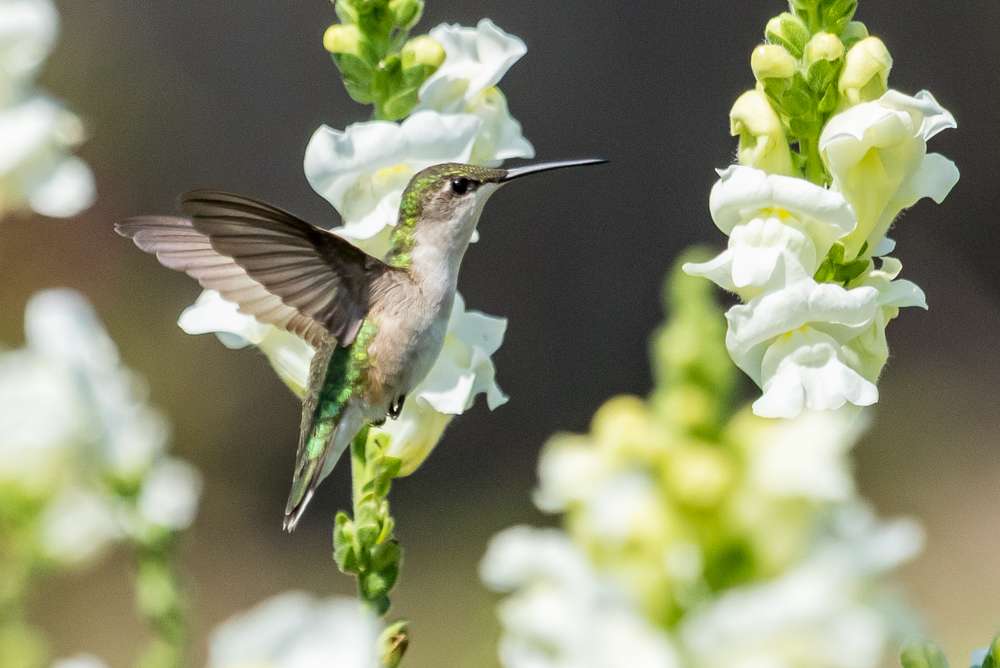
- The Reward: Ornithophilous flowers cater to this need by producing copious amounts of dilute nectar (sugar water) in deep floral tubes, often inaccessible to most insects.
- The Byproduct: As the bird probes the flower base with its long, specialized tongue to reach the nectar, its head, throat, or breast feathers brush against the anthers, picking up sticky pollen. This pollen is then physically transferred to the stigma of the next flower it visits.
2. Specialized Floral Adaptations
Plants seeking bird pollination have evolved a specific set of characteristics—a "syndrome"—designed to attract and accommodate their feathered friends while discouraging non-pollinating visitors.
Hummingbirds: The Primary Pollinators
In the U.S., the vast majority of ornithophily is carried out by the 17 or so species of hummingbirds, with four species being the most widespread and ecologically significant.
1. The Ruby-throated Hummingbird (Archilochus colubris)

- Range and Impact: The only hummingbird species routinely found east of the Mississippi River, the Ruby-throat is responsible for pollinating Eastern and Midwestern plant communities.
- Plant Example: Cardinal Flower (Lobelia cardinalis)
- This spectacular deep red wildflower is a classic example of ornithophily. Its deep tubular corolla (the fused petals) is too long for most bees to reach the nectar.
- As the Ruby-throat probes the flower, the upper lip, which holds the pollen-bearing stamen and stigma, sweeps down and deposits pollen directly onto the bird’s head. Its intense red color and sturdy stem are clear signals to the hummingbird.
2. The Rufous Hummingbird (Selasphorus rufus)
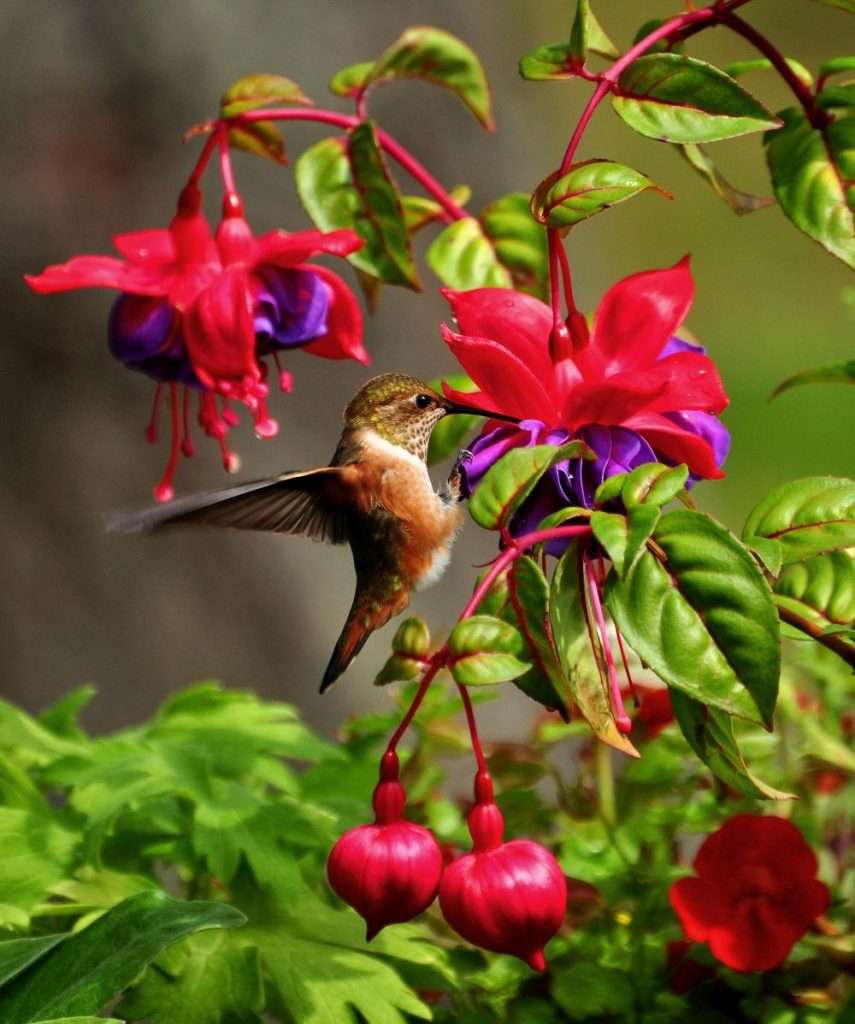
- Range and Impact: Known for its aggressive nature and massive migration along the Pacific Coast and into the Rockies, the Rufous pollinates a huge swath of the Western flora.
- Plant Example: Ocotillo (Fouquieria splendens)
- In the arid Southwest (Arizona, New Mexico), the Ocotillo, a striking desert shrub, produces brilliant red-tipped flower clusters after spring rains.
- The Rufous is a critical pollinator here, providing the Ocotillo with reproductive success in an environment where competition for water and pollinators is fierce. The flowers are strategically placed at the tips of the long, cane-like stems, making them accessible only to aerial visitors.
3. Anna's Hummingbird (Calypte anna)
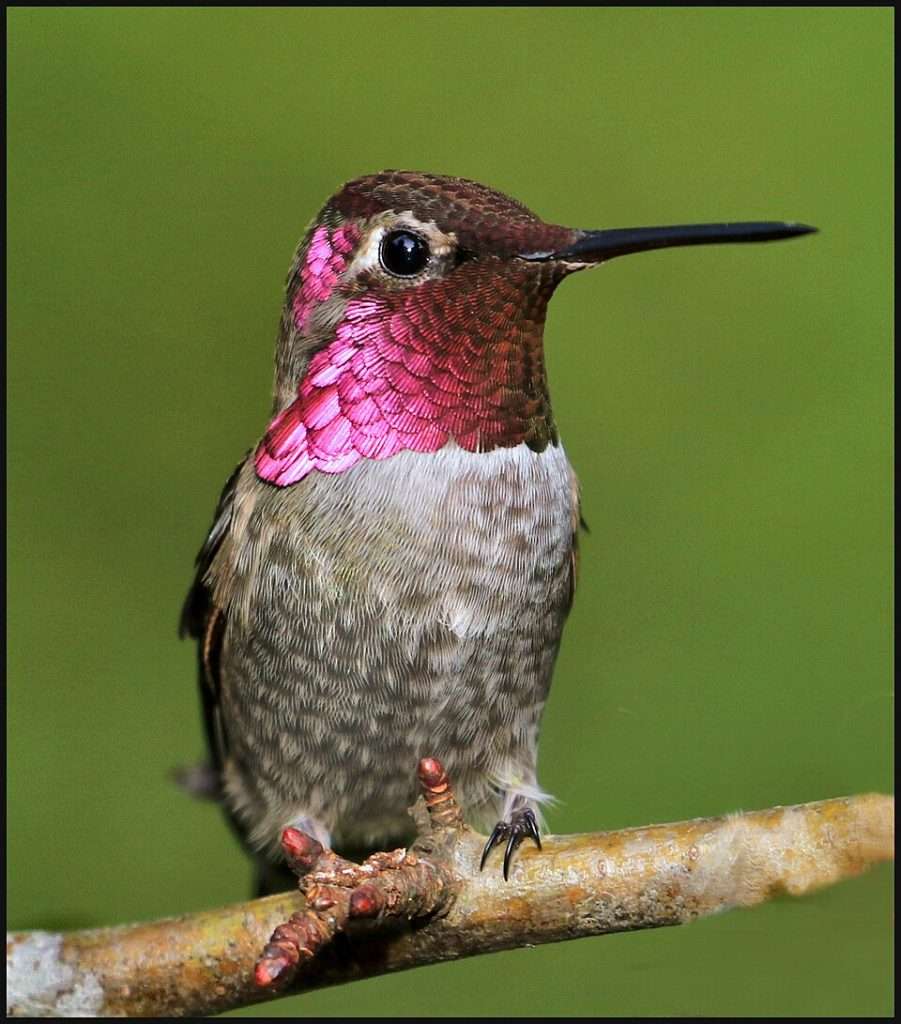
- Range and Impact: As a non-migratory resident of the Pacific Coast, the Anna's is a key year-round pollinator for plants that bloom in the mild winter and early spring.
- Plant Example: Red-flowering Currant (Ribes sanguineum)
- This West Coast shrub blooms in late winter/early spring, providing a crucial, high-energy source for Anna's Hummingbirds, which are breeding during this time. The downward-facing, slightly bell-shaped flowers perfectly meet the bird's beak and provide early-season pollen transfer.
4. Broad-tailed Hummingbird (Selasphorus platycercus)
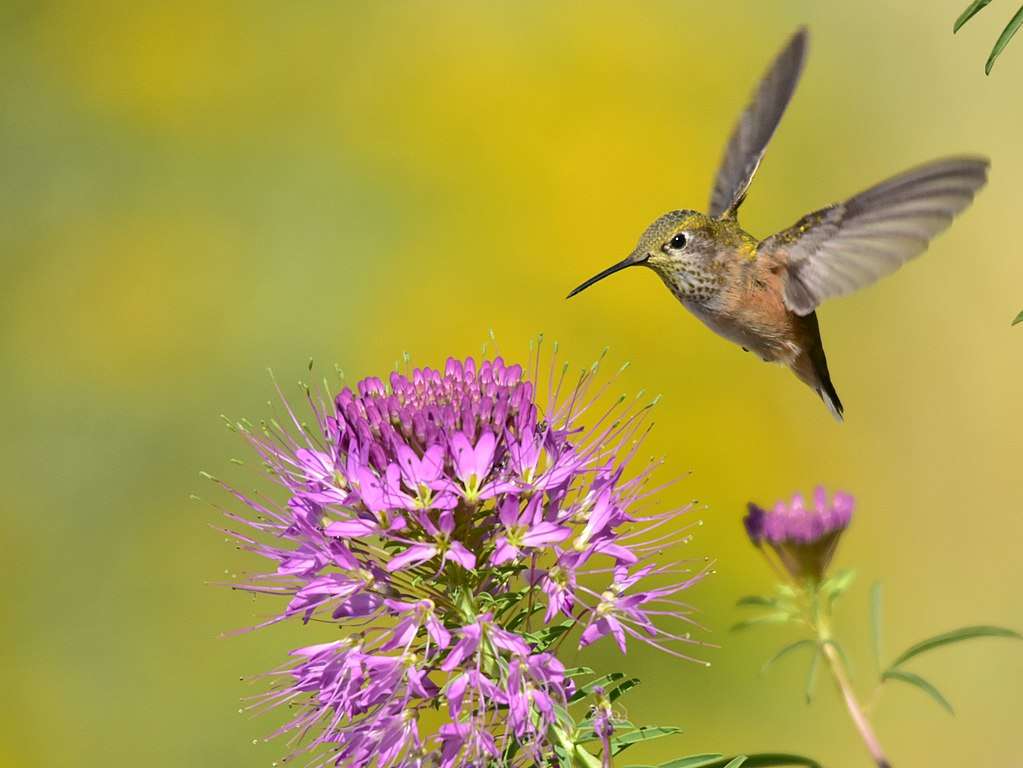
- Range and Impact: Found in the high-elevation meadows and mountains of the Western U.S., the Broad-tailed is essential for alpine and sub-alpine floral communities.
- Plant Example: Rocky Mountain Columbine (Aquilegia caerulea)
- While many insects visit columbines, the Broad-tailed Hummingbird often specializes in extracting nectar from the long spurs of this state flower of Colorado, ensuring cross-pollination among high-altitude populations.
Beyond the Hum: Passerine Pollinators
While hummingbirds dominate the field, a few species of songbirds (passerines) in North America also participate in ornithophily, particularly in the arid West and Southwest where specialized resources are available.
1. Orioles (Family Icteridae)
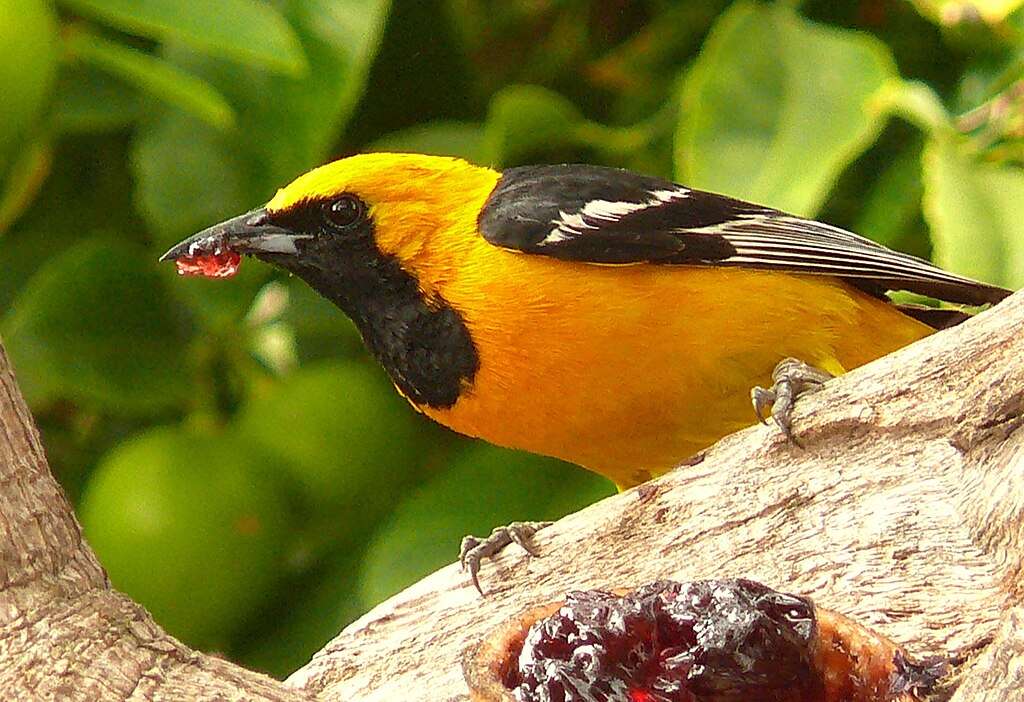
Several species of Orioles, particularly the Hooded Oriole and the Scott's Oriole in the Southwest, have been documented as pollinators.
- Adaptation: Orioles have brush-tipped tongues, which allow them to lap up nectar.
- Plant Example: Agave Species (Agave spp.)
- Agaves produce massive flowering stalks that can reach 20 feet high. These stalks produce huge amounts of nectar in deep, tubular flowers that attract orioles. As the birds perch on the sturdy flowers to drink, pollen dusts their faces, facilitating the transfer between these widely spaced plants.
2. Nectar-feeding Warblers (Rare)
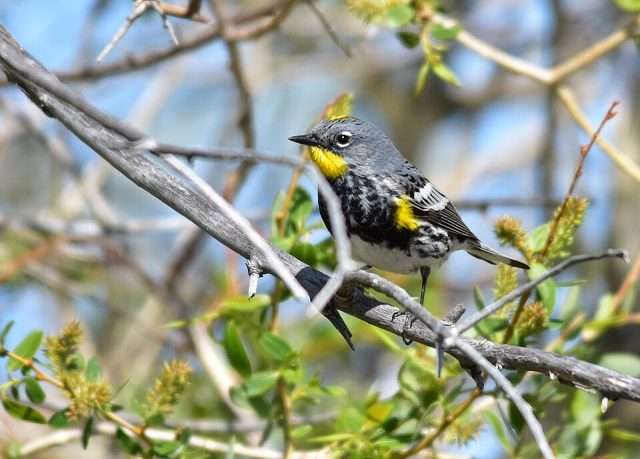
Though not their primary role, some warblers, such as the Yellow-rumped Warbler, will occasionally feed on nectar, especially during migration when they need fast energy. If the flower structure forces the warbler to contact the anthers, pollination can occur, though this is considered opportunistic rather than an evolved co-dependency.
The Conservation Crux: Climate Change and Co-evolution
The delicate balance of ornithophily is increasingly threatened by modern environmental pressures.
- Mismatch: Climate change is causing flowers to bloom earlier in the spring across many parts of the U.S. If the migration timing of the hummingbird does not advance at the same pace as the flowering plant, a phenological mismatch occurs. The birds arrive to find the nectar already spent, and the plants bloom without their primary pollinator, leading to reproductive failure for both species.
- Habitat Fragmentation: The destruction of native shrublands and meadows removes the food corridors necessary to fuel the long-distance migrations of species like the Rufous Hummingbird, weakening their ability to perform their pollination duties across their vast range.
The red, trumpet-shaped flower is more than just a beautiful bloom; it is an evolutionary signal, a biological contract with a bird built for speed and powered by sugar. Protecting these specialized flower communities and the habitats of their unique feathered couriers is essential to preserving the beautiful, intricate partnership that sustains American biodiversity.
The Feathered Heart: Exploring Emotions in Birds Across the U.S.
