

Hummingbirds are the jewels of the avian world, renowned for their iridescent colors and miraculous aerial acrobatics. Yet, for all the focus on their visual splendor and flight abilities, the world of sound they inhabit is often overlooked. These tiny dynamos communicate and interact through a surprisingly complex repertoire of vocalizations, mechanical whirs, and, yes, even true songs.
In North America, where species like the Ruby-throated, Rufous, and Anna's Hummingbirds are common, listening closely reveals a rich, noisy life dominated by territorial disputes, courtship rituals, and constant vigilance.

Not Just a Hum: The Spectrum of Hummingbird Sounds
Hummingbird sounds fall into two distinct categories, both essential to their survival:
- Vocalizations (True Calls): Sounds produced by the syrinx (the avian voice box), used for alarm, defense, and interaction.
- Mechanical Sounds (Wing Noise): Sounds produced by the movement of feathers and wings, often specialized for display.
Vocalizations: Chirps, Chatters, and Squeaks
Hummingbird vocalizations are typically simple and high-pitched. They lack the complex, melodic qualities of a robin or a warbler's song but are potent tools for communication.
1. The Alarm and Alert Call: The "Chip" or "Chirp"
The most frequently heard hummingbird sound is a sharp, repetitive "chip" or "tsip." This is their standard alert and communication call.
- Function: It serves multiple purposes:
- Warning: Alerting nearby hummingbirds (and the bird itself) to a perceived threat, whether a predator, a rival, or a human.
- Presence: Announcing their arrival and presence at a feeder or flower patch, often preceding a quick feeding session.
- Territorial Markers: While simplistic, a series of rapid chips can mark a feeding territory, especially among females.
- Species Example (Ruby-throated Hummingbird, Archilochus colubris): Throughout the Eastern United States, the male and female Ruby-throat constantly emit a simple, metallic chip when feeding or pausing on a wire. This monosyllabic sound is the most reliable way to confirm their presence, even when hidden in dense foliage.

2. The Aggressive Chatter
When disputes arise—which is often, given their highly competitive nature—the simple chip escalates into a frantic chatter or buzz.
- Function: This is a clear signal of aggression and is almost always heard during aerial dogfights, chase sequences, and territorial boundary conflicts at feeders. The intensity of the chatter often reflects the intensity of the fight, serving to intimidate the rival.
- Species Example (Rufous Hummingbird, Selasphorus rufus): The Rufous Hummingbird, known as one of the most belligerent species in North America (migrating along the Pacific Coast), has a notably harsh and rapid "chew-chew-chew" chatter. A Rufous male guarding a feeder will perch and constantly emit this chatter to warn all comers that the territory is claimed.
3. Begging Calls
Hummingbird nestlings use a high-pitched, insistent series of chirps and squeaks to beg for food. These calls are highly specialized to elicit a feeding response from the parent.
The True Hummingbird "Song" (The Anomaly)
Most hummingbirds do not sing in the traditional avian sense. Their vocalizations are simple calls, not complex, varied sequences of notes. However, the Anna's Hummingbird (Calypte anna) is a spectacular exception, possessing a true, structured song that is unique among North American species.
Anna's Hummingbird: A Vocal Prodigy
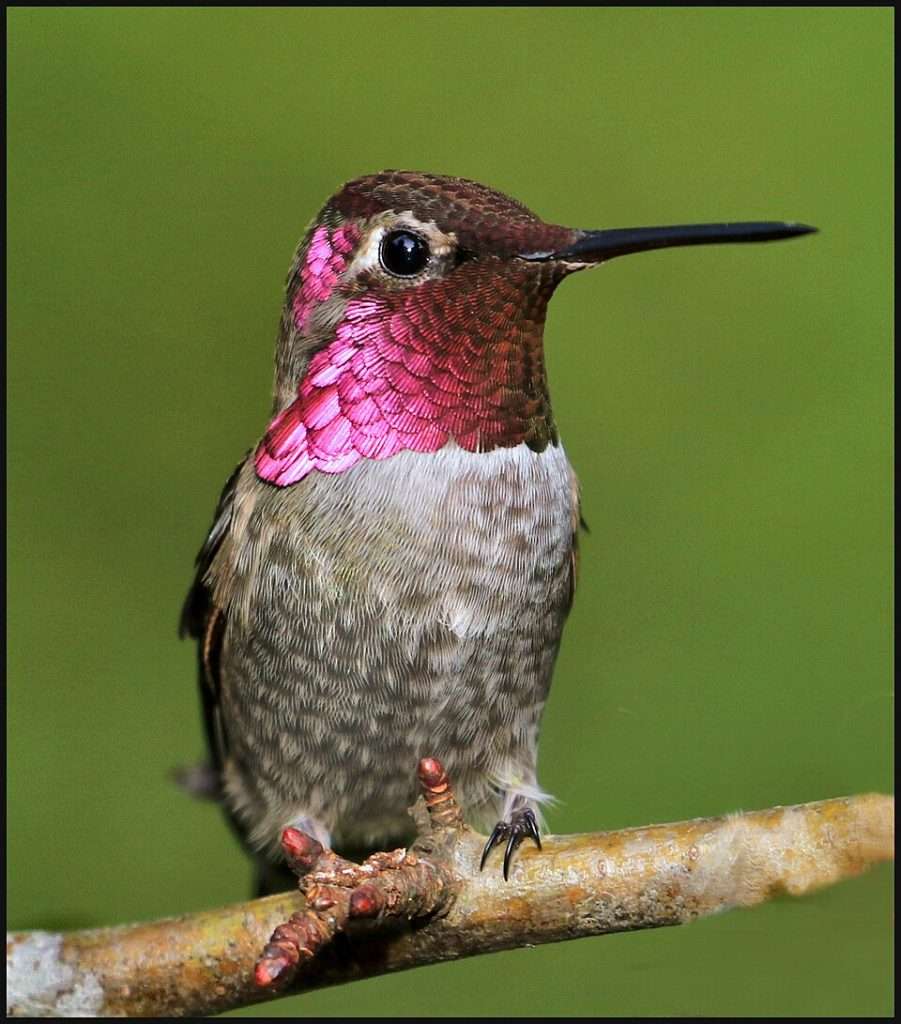
The male Anna's Hummingbird, a common year-round resident of the Pacific Coast (California and the Southwest), uses its syrinx to produce a complex vocal performance primarily during the non-breeding season.
- The Song: It is a lengthy, high-pitched, scratchy, and metallic "squeaky wheel" sound, composed of repeated phrases of squeaks, whines, and buzzes. Unlike the calls, this song is varied and delivered from a high perch, lasting several seconds.
- Function: The song is territorial, serving to establish and defend winter feeding territories, often centered on a reliable source of sap or nectar. It is a long-distance auditory advertisement of ownership.
- Timing: Intriguingly, Anna's male often sings the most during the winter—a time when other North American songbirds are silent. This early, distinct vocal display helps him secure the best resources before the main breeding season begins.
Other Vocal Displays
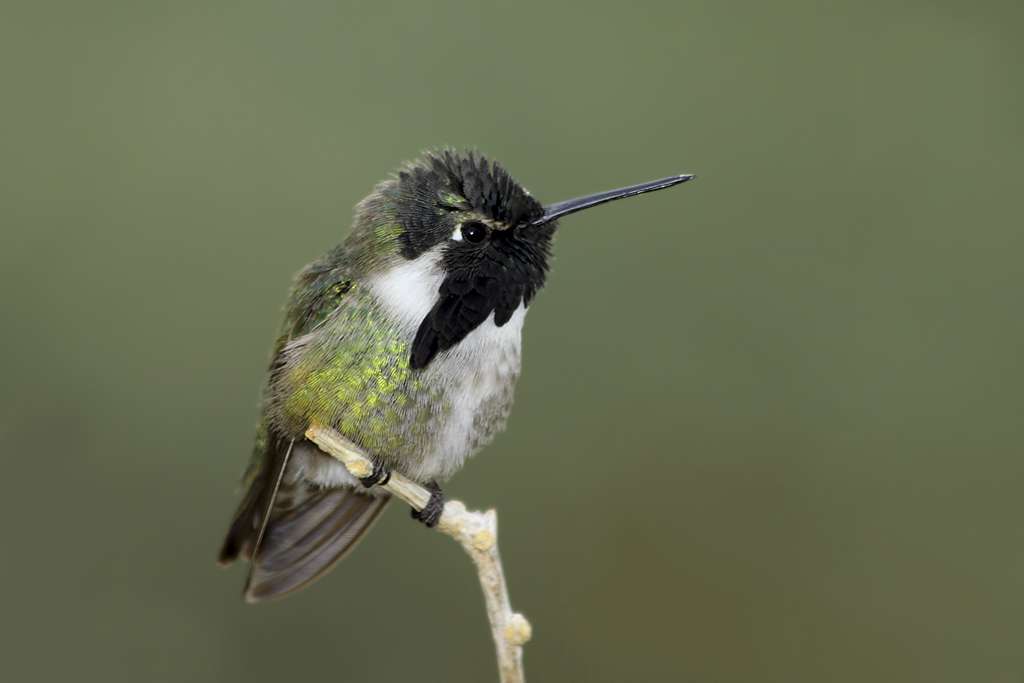
While not a full song, the Costa's Hummingbird (Calypte costae) male also possesses an impressive vocal display. During his pendulum flight dive, he emits a high-pitched, drawn-out whistle or shriek that peaks as he pulls out of the dive. This sound, produced vocally rather than mechanically, is an integral part of his courtship ritual.
Mechanical Music: The Wing Noise
The "hum" in hummingbird is not a vocalization; it is the sound of their wings beating at incredibly high speeds (50 to 80 times per second). However, several species have evolved specialized flight feathers to turn their wing noise into part of their communication and display repertoire.
1. The Hum: Lift and Locomotion

The basic hum results from the rapid wing movements disrupting the air. The frequency of the hum is directly related to the wing beat frequency.
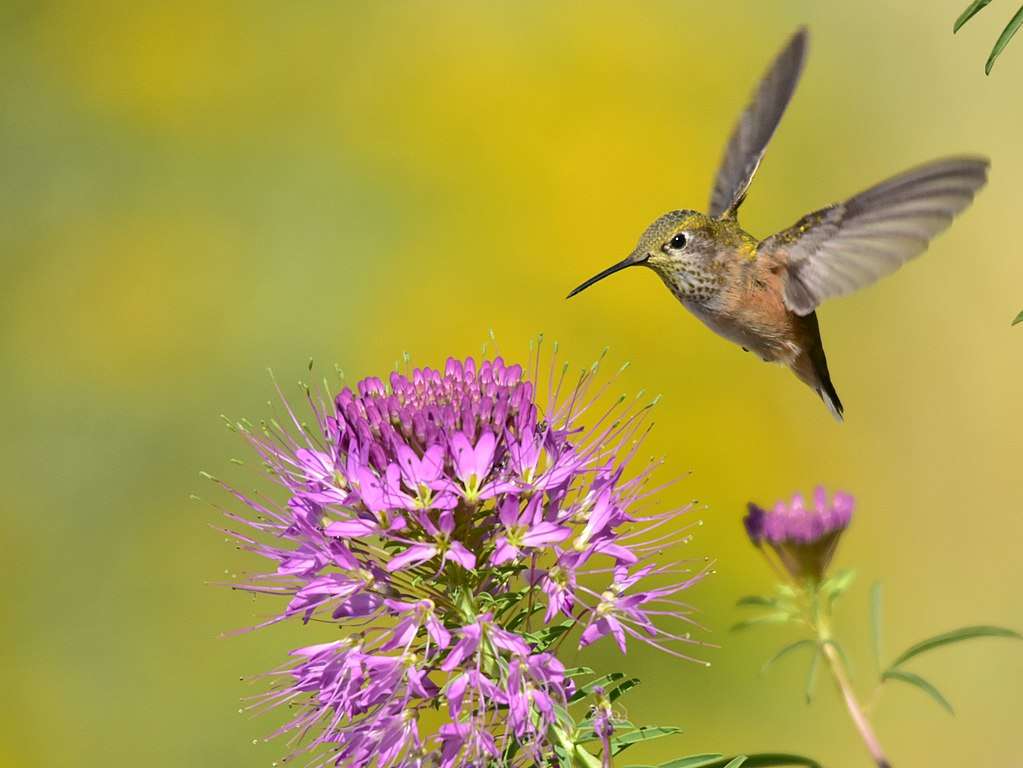
- Species Example (Broad-tailed Hummingbird, Selasphorus platycercus): The male Broad-tailed Hummingbird, found in the high-altitude mountains of the Western U.S., is unmistakable. His wing beat produces a distinct, high-pitched trill or metallic whistle that sounds like a spinning top. This unique sound is caused by a small notch in his outermost primary flight feathers, which vibrates rapidly during normal flight. This auditory signature instantly identifies him to rivals and potential mates.
2. The Dive-Bomb: Auditory Courtship
Many male hummingbirds perform dramatic courtship dives, pulling out just inches from the female. These dives are often accompanied by a specialized, loud, mechanical sound.
- Species Example (Anna's Hummingbird Dive): Beyond his song, the male Anna's Hummingbird performs a spectacular 100-foot power dive. As he pulls out of the dive near the female, his tail feathers create a very loud, sharp "pop" or "pew" sound, caused by the air rushing over the modified tips of his outer tail feathers. This acoustic display, combined with the visual flash of his gorget (throat patch), is meant to impress and startle the female.
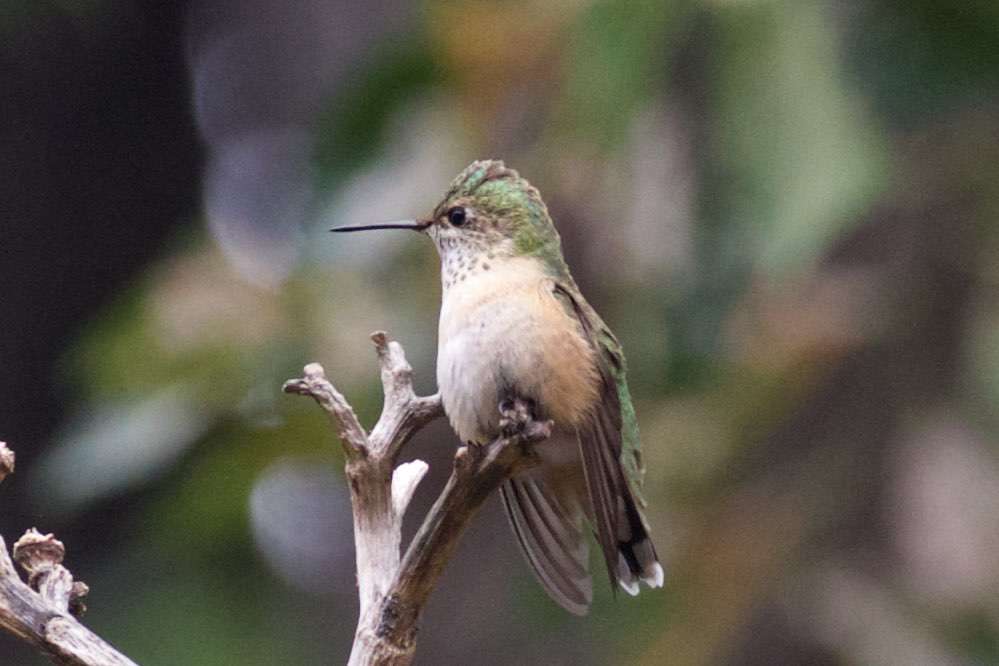
- Species Example (Calliope Hummingbird, Selasphorus calliope): North America’s smallest bird, the Calliope Hummingbird, performs a similar dive. At the bottom of its U-shaped dive, the male’s tail feathers produce a sound often described as a high-pitched buzz or sizzle, a quieter but equally complex mechanical sound meant to advertise his fitness.

Calliope Hummingbird
The Importance of Sound in a Tiny World
For hummingbirds, sound is not background noise; it is a primary means of regulating their intense, energy-driven lives. Their constant need for nectar forces them into frequent, aggressive competition. Their reliance on specific, unique wing sounds and calls is vital for:
- Resource Defense: Auditory markers (like the Rufous chatter or Anna's song) save them the energy of constantly chasing away rivals.
- Species Recognition: The distinct trill of the Broad-tailed Hummingbird ensures females recognize a male of their own species from a distance.
- Courtship and Display: The loud mechanical sounds of the courtship dive are a powerful, multi-sensory advertisement of the male's speed and aerial prowess.
Next time you encounter a hummingbird, pause not just to admire its color, but to listen closely. You will be tuning into a tiny, buzzing, chattering world of survival and courtship, far richer and noisier than its delicate appearance suggests.
