
For centuries, we viewed birds as creatures of pure instinct, their behaviors a series of automated responses to external stimuli. However, a growing body of scientific research and a wealth of anecdotal evidence from birdwatchers and ornithologists are challenging this simplistic view. Birds, it seems, possess a rich and complex emotional life, exhibiting feelings that, while perhaps not identical to human emotions, share striking parallels. This article explores the fascinating world of avian emotions, using examples of birds in the United States to illustrate how our feathered neighbors experience joy, grief, fear, and even jealousy.
The Foundations of Avian Emotion: A Biological Basis
The capacity for emotion is rooted in the brain. Birds have a highly developed forebrain, including a structure called the pallium, which is functionally analogous to the human cerebral cortex. This region is responsible for complex cognitive processes and, as neuroscientists have discovered, is home to the neural pathways associated with emotional responses.
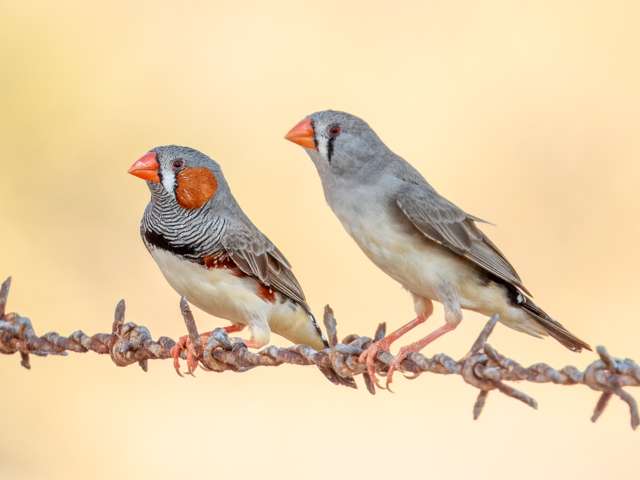
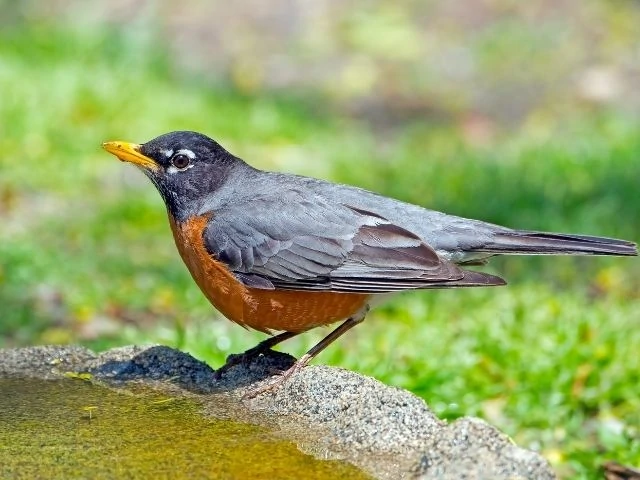
For example, studies on birds like the Zebra Finch have shown that their brains release dopamine in response to positive stimuli, such as a successful song performance or social bonding. This is the same neurotransmitter that gives humans a feeling of pleasure. Similarly, the stress hormone cortisol spikes in birds like the American Robin when they are exposed to perceived threats, just as it does in humans. These biological similarities suggest a shared evolutionary heritage of emotional experience.
A Spectrum of Emotions
While we can't definitively know what it feels like to be a bird, their behaviors offer powerful clues to their inner emotional states.
Joy and Happiness
Observing birds in a state of apparent joy is one of the great pleasures of birdwatching.
- The Northern Mockingbird: These birds are famous for their intricate and lengthy songs, which can include imitations of dozens of other species. During courtship and territorial displays, their singing seems to express a sense of well-being and contentment. When a male successfully attracts a mate, his song can become even more elaborate and prolonged, a behavior that seems to parallel the human expression of happiness and elation in a romantic context.

- The American Crow: Crows are highly intelligent and social birds. They have been observed engaging in what appears to be play, such as sliding down snowy roofs or dropping and catching small objects mid-air. This seemingly purposeless behavior, done purely for enjoyment, is a strong indicator of a positive emotional state, similar to how human children play and laugh.
Grief and Sadness
The concept of birds mourning their dead has long been a subject of debate, but compelling evidence suggests it is a reality for some species.
- The American Crow: When a crow dies, its flock will often gather around the body, cawing loudly in what's known as a "crow funeral." For days after, the crows will avoid the area where their companion died. This behavior is believed to be a form of grief, but also a way to learn about potential threats and remember the location. This solemn gathering and avoidance of a painful memory parallel how humans hold funeral services and memorialize the deceased.

- The Mourning Dove: The name itself is a nod to its soft, sorrowful-sounding coo. While the call is simply a part of its communication, the behavior of doves when their mate dies is poignant. Paired for life, a dove whose mate is killed will often remain near the spot for an extended period, calling mournfully, a clear sign of distress and loss.
Fear and Anxiety
Fear is a fundamental survival emotion, and birds exhibit it in clear and predictable ways.
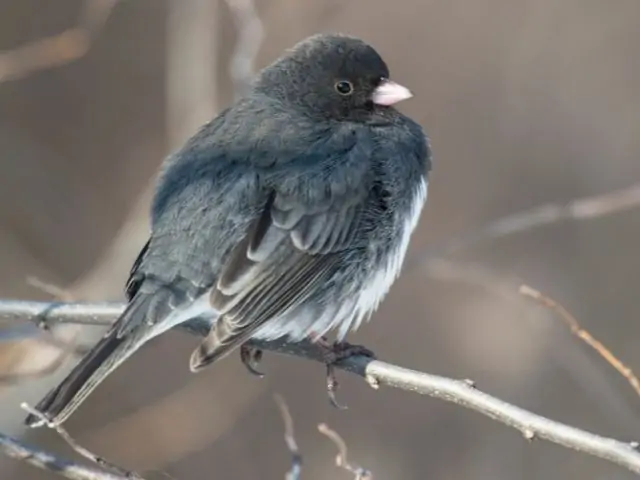
- Small songbirds: When a raptor like a Red-tailed Hawk is spotted, a small bird like a Dark-eyed Junco will emit a high-pitched alarm call, a behavior known as mobbing. The call is often joined by other birds, creating a chorus of warnings and a collective effort to drive the predator away. This is a direct expression of fear and anxiety, prompting a flight-or-fight response.
- The Chickadee: Chickadees have a complex communication system. Their "chick-a-dee-dee-dee" call varies in the number of "dee" notes to indicate the level of threat. More "dees" mean a greater threat, like a small, highly dangerous owl, signaling a heightened state of fear and urgency to the flock. This is an advanced form of emotional communication, similar to how humans might use different tones or exclamations to convey the severity of a threat.
Jealousy and Envy
While more difficult to prove, some bird behaviors suggest feelings of jealousy, particularly in the context of competition for a mate or resources.
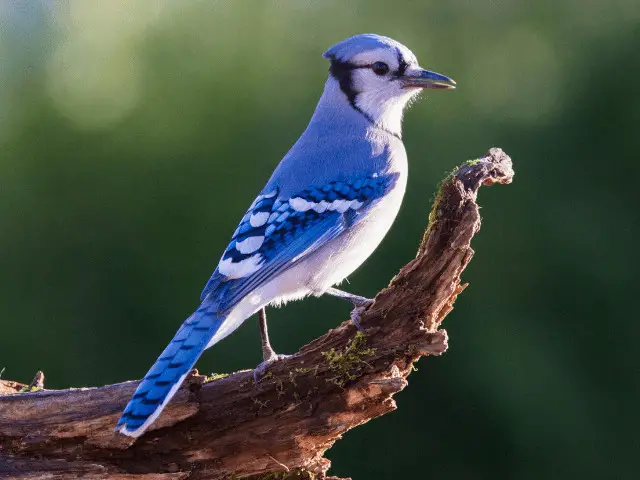
- The Blue Jay: Known for their assertive personalities, Blue Jays often dominate bird feeders. When another jay attempts to take food from a spot they've claimed, the first jay will squawk, chase, and physically deter the competitor. This territorial aggression, especially in the presence of a potential mate, can be interpreted as a form of jealousy or possessiveness over a resource.
- The Osprey: In species where males and females bond, male Ospreys will actively defend their nests and mates from other males. If a rival male gets too close, the resident male will engage in a vocal and physical confrontation. This behavior, driven by a desire to protect one's partner and lineage, is a powerful parallel to human jealousy in romantic relationships.
The Avian Brain and Emotional Complexity
Scientific research is helping us move beyond simple behavioral observation. Studies using MRI and other brain-imaging techniques on birds like the Pigeon and the Parrot are revealing complex neural circuits that process social information and emotional cues. We are learning that birds can recognize individuals, remember past interactions, and form complex social bonds. This cognitive capacity is the very foundation upon which emotions are built. It allows a crow to grieve a specific individual or a mockingbird to feel happiness in the presence of its mate, rather than simply responding to a generic stimulus.
Wrapping Up
The evidence for bird emotions is compelling and forces us to reconsider our relationship with the natural world. Recognizing that a Bald Eagle can feel triumph after a successful hunt, a Mourning Dove can experience loss, and a Blue Jay can feel possessiveness enriches our understanding of these creatures. It transforms our view of them from mere objects of study to sentient beings with their own inner lives. This shift in perspective is not just a scientific advancement; it is a step toward a deeper empathy and a greater appreciation for the complex, emotional world of our feathered friends.
By observing their behaviors, listening to their calls, and appreciating their intricate social structures, we begin to see reflections of ourselves in the feathered inhabitants of our shared planet.
