

The fleeting life of a common backyard wren often suggests that most birds live fast and die young. Yet, avian longevity is one of nature’s most fascinating biological puzzles, marked by extremes that defy expectations. While the vast majority of small songbirds struggle to see their second birthday, some of their larger relatives can outlive several generations of humans. The life span of a bird is not a matter of size alone, but a complex interplay of metabolism, defense strategies, and environment.
Ornithologists have uncovered the true age of birds primarily through banding (ringing) programs—catching a bird, affixing a uniquely numbered metal band to its leg, and then recapturing the same individual years or even decades later. This data has revealed astonishing disparities, showcasing birds that barely survive a single migration and others that are centenarians.
The Longevity Spectrum: Why Small Birds Live Short Lives
The average life span of a bird is heavily skewed by the high mortality rates of small, wild species.
The Price of High Metabolism
Small birds, particularly those weighing less than 50 grams, operate on a biological fast track. They have an extremely high basal metabolic rate (BMR) to power their warm-blooded bodies, which burn fuel at a furious pace.
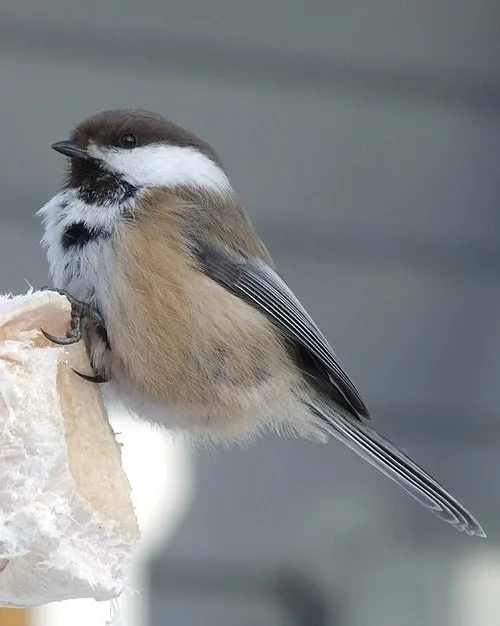
- Fast Living: A Chickadee’s heart rate can reach over 500 beats per minute. This high-octane lifestyle correlates with accelerated cellular aging and wear.
- High Mortality: Coupled with their small size, which makes them vulnerable to predation, starvation, and extreme weather, the average wild life span for many small passerines (songbirds) is tragically short.
Short-Lived Champions (Typically < 5 Years)
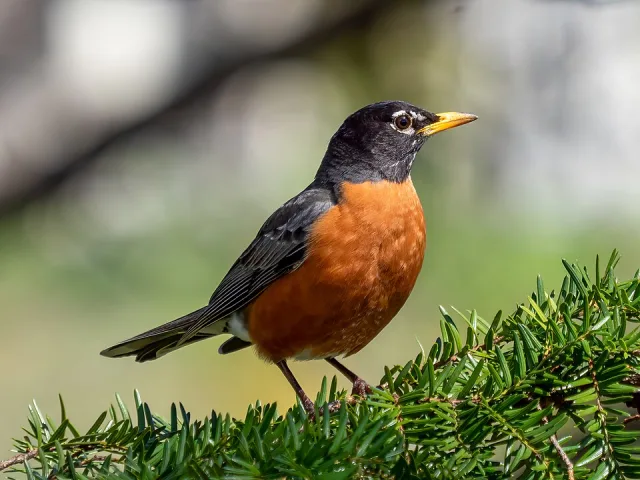
While many small birds can survive longer in captivity, their tracked wild records reveal a brief existence:
The vast difference between the typical life span (due to external mortality factors) and the record life span (approaching the bird's biological limit) highlights the difficulty of surviving in the wild.
The Secret to Longevity: Flying Slow and Living Large
In contrast to small songbirds, large birds, especially seabirds, parrots, and raptors, exhibit remarkable longevity. Their longevity is rooted in an evolutionary strategy centered on defense, metabolism, and delayed maturity.
1. Low Metabolic Rate (Relative to Size)
Large birds tend to have a slower, more stable BMR compared to small birds, which is linked to slower cellular damage. Many large birds, particularly soaring species, also save enormous amounts of energy by utilizing wind and thermals, avoiding the constant, high-energy flapping required by smaller birds.
2. Delayed Maturity and Few Offspring
Species with long life spans tend to breed much later in life (sometimes 5 to 10 years or more) and produce fewer offspring per breeding season. Their entire life strategy is built around high adult survival rates. They invest massive energy in raising a few chicks, ensuring those few survive, rather than producing many short-lived offspring.
3. Defense and Safety
Large size and apex predator status (raptors) or isolation (seabirds on remote islands) significantly reduce the risk of predation. Their main sources of mortality shift from external threats (predators, weather) to internal factors (disease, old age).
The Centenarians: Long-Lived Giants (Records > 40 Years)
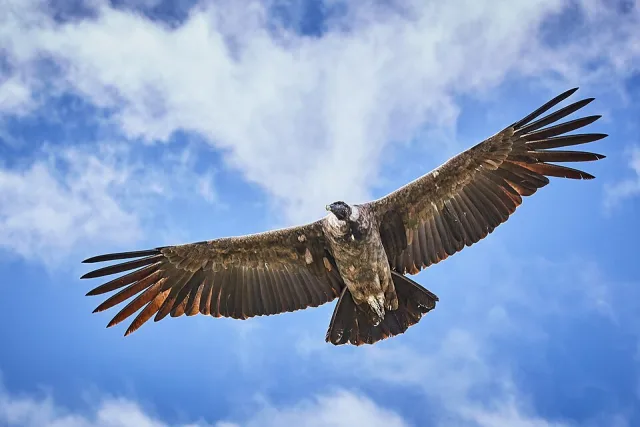
The records for avian longevity are held by species that have perfected the art of self-preservation.
Raptors and Apex Predators

Seabirds: The Ocean Marathoners
Seabirds are generally the most long-lived birds in the wild, benefiting from a low risk of predation on remote islands and the energetic efficiency of ocean gliding.
| Species | Record Wild Lifespan | Geographic Location | Key Strategy |
| Wandering Albatross (Diomedea exulans) | 60+ years | Southern Ocean | Dynamic soaring, remote nesting, low BMR. |
| Northern Fulmar (Fulmarus glacialis) | 43 years (Wild) | North Atlantic | Remote nesting, efficient gliding over water. |
| Laysan Albatross (Wisdom) (P. immutabilis) | 74+ years and still breeding | Pacific Ocean (Midway Atoll) | Delayed maturity (5-8 years), remote nesting, extremely efficient flight. |
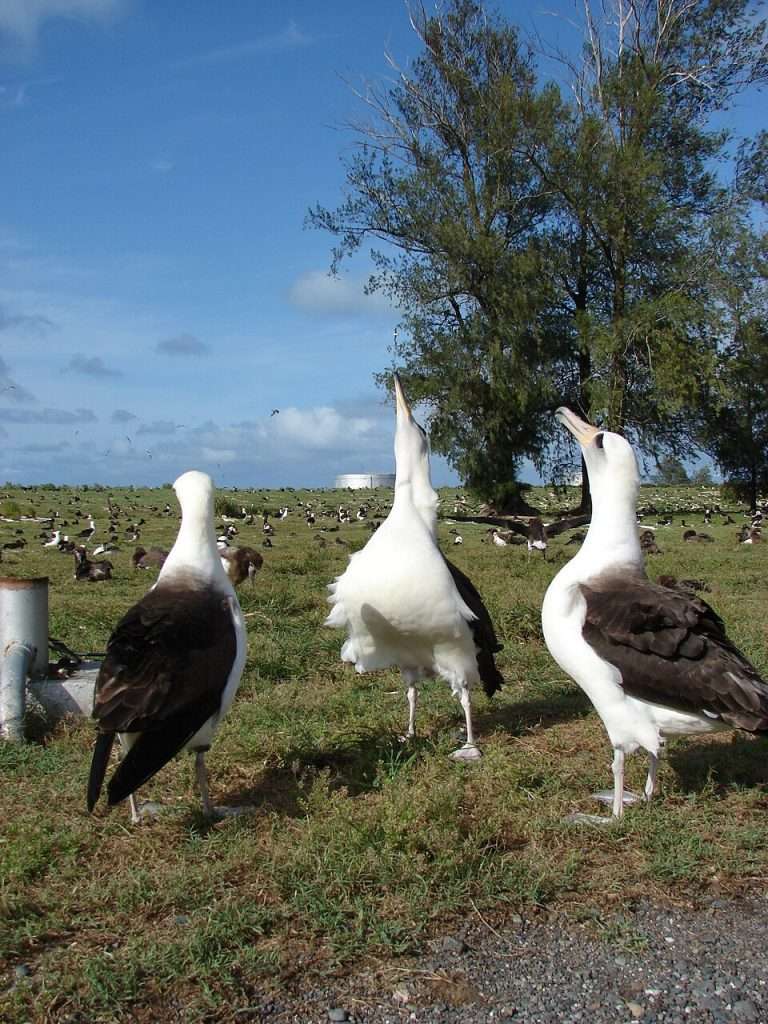
Wisdom, a female Laysan Albatross first banded in 1956, is the oldest known wild bird in the world. She has outlived the biologist who originally banded her and continues to raise chicks annually at Midway Atoll. Her continued reproductive success at such an advanced age makes her a critical subject for gerontology studies.
Parrots: The Captive Champions
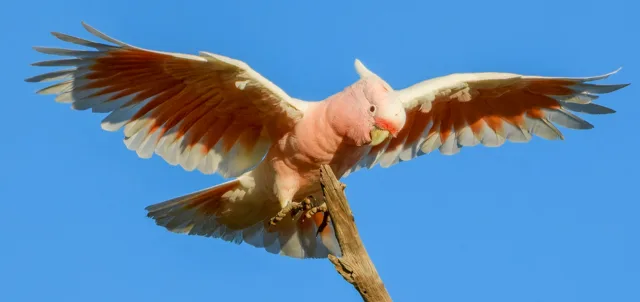
Parrots and Cockatoos hold the undisputed records for captive longevity, often exceeding human life spans due to their large brains, slow metabolisms, and secure environments.
North American Records: The Longest-Lived U.S. Birds
Within the U.S., records showcase the longevity potential of larger, protected species, often shattering the expected life span.
| Species | Record Wild Lifespan | Key Habitat/Strategy |
| California Condor (Gymnogyps californianus) | 50+ years | Apex scavenger, massive soaring wings, protected status. |
| Bald Eagle (Haliaeetus leucocephalus) | 38 years | Apex predator, large size, legal protection since 1940. |
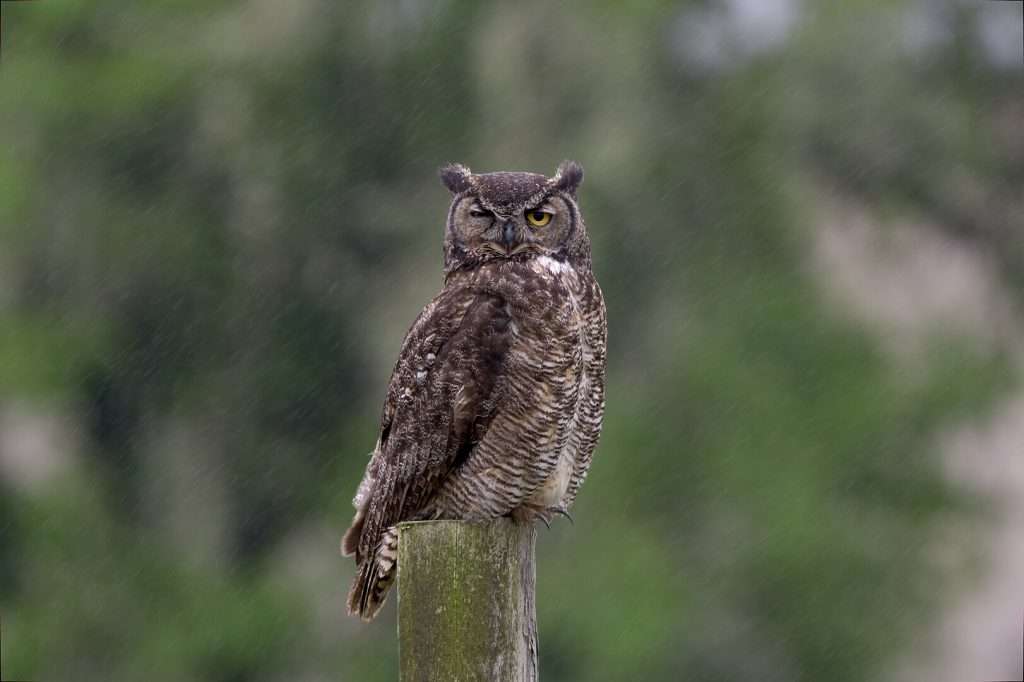
| Great Horned Owl (Bubo virginianus) | 28 years | Nocturnal hunter, large size, few natural predators. |
| Common Tern (Sterna hirundo) | 33 years | Pelagic lifestyle, long migration, low land-based predation. |
The California Condor, a conservation success story, is a natural avian centenarian; many individuals in the current population are over 40 years old, confirming their intrinsic potential for extremely long lives.
Avian Aging: A Paradox
The disparity between the short life of a sparrow and the multi-decade life of an albatross challenges simple biological rules. Birds appear to largely circumvent the aging process that plagues mammals. While mammals often show a correlation between body size and life span, small birds live much longer than similarly sized mammals (like mice). This phenomenon is known as the avian aging paradox.
Current theories suggest that birds possess highly efficient DNA repair mechanisms and powerful antioxidant systems that allow them to counteract the oxidative damage caused by their frenetic, high-metabolism lifestyles. The ability to fly itself may drive the evolution of better cellular maintenance, as any breakdown in physical function is instantly lethal.
In essence, avian longevity is a tale of trade-offs: the small bird exchanges long life for immediate, rapid reproduction, while the large bird sacrifices early breeding for decades of survival, embodying two fundamentally different but equally successful strategies for conquering the challenge of time.
The Bird Decline Crisis: Which Species Are Disappearing & What You Can Do
