

Missouri, the "Show-Me State," sits at a unique ecological crossroads. Its mix of prairies, Ozark forests, major rivers (the Mississippi and Missouri), and expansive wetlands creates a dynamic habitat that supports a stunning diversity of birdlife. Over 400 species have been recorded within the state's borders, making it a crucial stop along the Mississippi Flyway—a major route for migrating birds.
From familiar backyard visitors to secretive wetland dwellers and globally rare visitors, Missouri’s avian residents tell a compelling story of adaptation and survival. This article explores 15 of these species, grouped into three categories that reflect their relationship with the Show-Me State: the constant companions, the seasonal travelers, and the elusive rarities.
Part I: The Common Residents (Year-Round Companions)
The following five birds are integral to Missouri’s soundscape, reliably seen and heard throughout all four seasons, offering year-round opportunities for birdwatching.
1. Northern Cardinal (Cardinalis cardinalis)
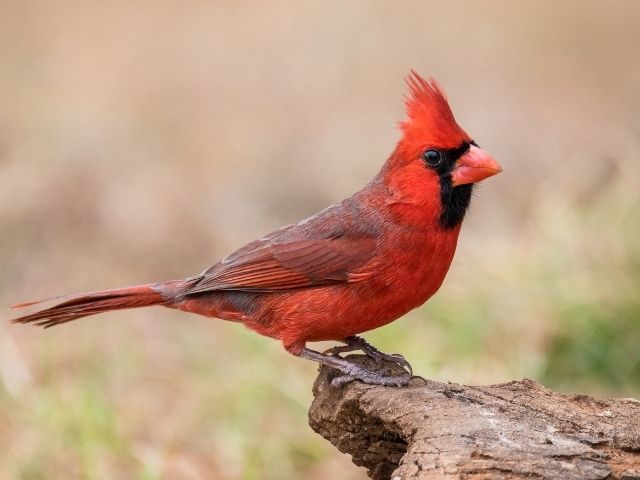
A favorite across the state, the Northern Cardinal is instantly recognizable. The male boasts a vibrant, unmistakable red plumage with a prominent crest and a black mask. The female is a warm, reddish-brown with red accents. Cardinals are non-migratory and their cheery, loud whistled songs are one of the first signs of spring, even in the depths of winter. They thrive in backyards, forests, and shrubby areas, often frequenting bird feeders.
2. Blue Jay (Cyanocitta cristata)

Strikingly colored with shades of blue, black, and white, the Blue Jay is a clever and bold bird. Known for their loud, distinctive jay-jay calls, they are often seen harassing predators or mimicking the calls of raptors, particularly the Red-shouldered Hawk. While some northern populations migrate, Missouri’s Blue Jays are generally present year-round. They are crucial for forest regeneration, as they cache (bury) thousands of acorns each fall, many of which sprout into new oak trees.
3. Carolina Chickadee (Poecile carolinensis)

Small but spirited, the Carolina Chickadee is a familiar sight at Missouri feeders and in wooded patches. This tiny songbird has a distinctive black cap and bib, white cheeks, and a gray body. Its namesake call, a quick chick-a-dee-dee-dee, is a staple sound of the woods. These highly social and curious birds are cavity nesters and survive the cold months by caching seeds and insects. In Southern Missouri, it replaces the very similar Black-capped Chickadee found further north.
4. Downy Woodpecker (Dryobates pubescens)
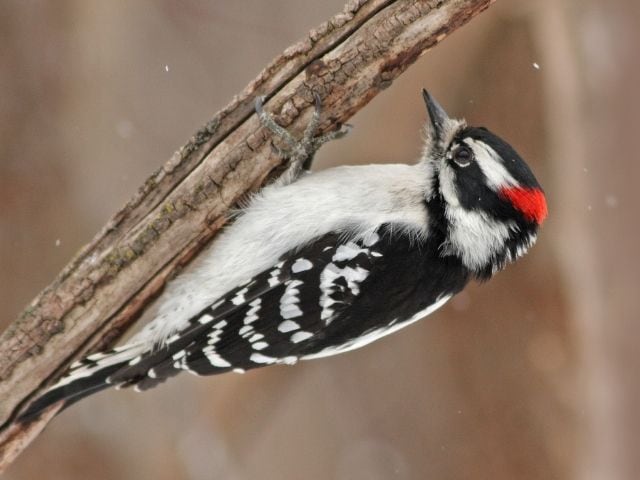
The smallest woodpecker in North America, the Downy Woodpecker is easily identified by its black-and-white checkered back and wings. Males have a small red patch on the back of the head. It is a common visitor to suet feeders and can be seen spiraling up tree trunks and along small branches, seeking out insects and larvae. Its drumming, a rapid tattoo against wood, is a familiar sound, though it's much softer than that of larger woodpeckers.
5. American Robin (Turdus migratorius)
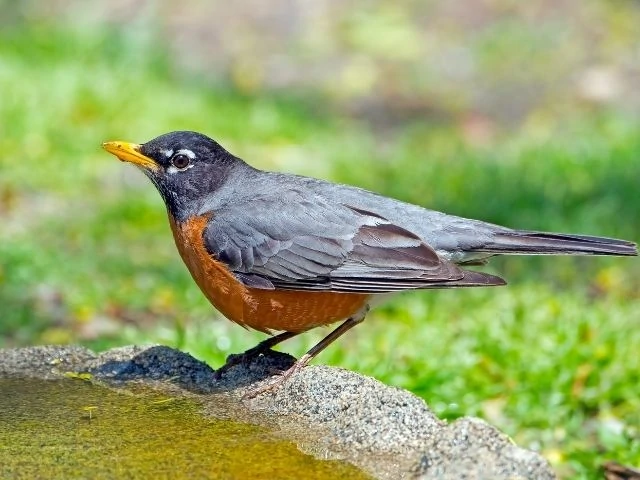
Though often thought of as a harbinger of spring, the American Robin can be seen year-round in Missouri, especially in the southern half of the state, though their numbers swell during migration. Recognizable by their gray backs and distinctive rusty-red breasts, they are most often seen foraging on lawns and grassy areas, pulling earthworms from the soil. In the winter, they shift their diet and are often found in large flocks feeding on persistent berries and fruits.
Part II: The Migratory Travelers
Missouri’s location on the Mississippi Flyway makes it a critical stopover and breeding ground for millions of migrating birds. These species spend part of the year in Central or South America, arriving to breed in the state’s rich summer habitats.
1. Ruby-throated Hummingbird (Archilochus colubris)

The tiny, energetic Ruby-throated Hummingbird is Missouri's most common hummingbird. Males flash an iridescent ruby-red throat patch (gorget), while females have a plain white throat. They arrive in the spring to nest, having traveled non-stop across the Gulf of Mexico, and are a welcome sight at nectar feeders and tubular flowers throughout the summer months. They depart for their wintering grounds in Central America by early fall.
2. Wood Thrush (Hylocichla mustelina)

A shy forest dweller, the Wood Thrush is renowned for its incredible, flute-like song, often described as an ethereal three-part melody. It is a Neotropical migrant that breeds in the humid, mature deciduous forests of the Ozarks and central Missouri. Its appearance is a mix of rich brown on the head and back, with bold, dark spots on its white breast. Due to habitat loss, it is a species of conservation concern.
3. Prothonotary Warbler (Protonotaria citrea)
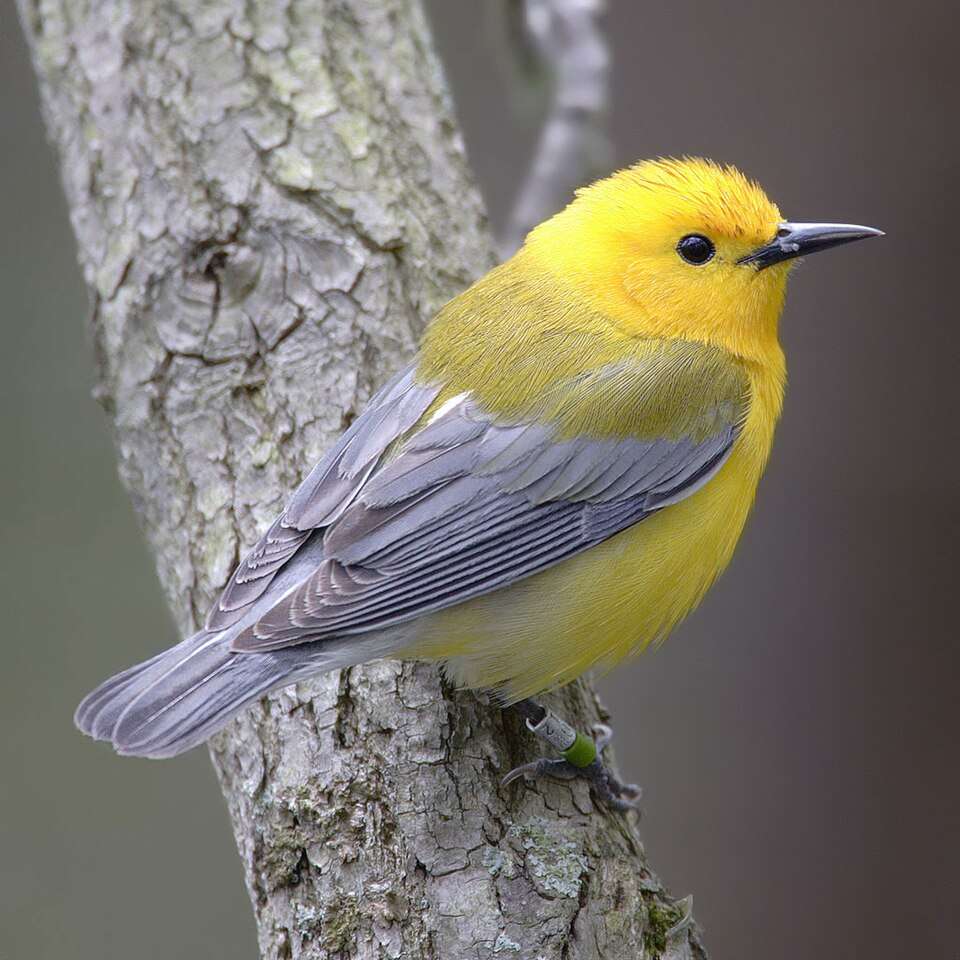
Sometimes called the "Golden Swamp Warbler," the Prothonotary Warbler is a brilliant flash of color in Missouri’s river bottoms and flooded forests. The male has a bright, golden-yellow head and breast, contrasting with bluish-gray wings. They are unique among warblers for nesting almost exclusively in tree cavities, particularly those near water, where they hunt insects. They are a classic example of a species whose entire annual cycle—from breeding in Missouri to wintering in Central American mangroves—depends on healthy wetlands.
4. Snow Goose (Anser caerulescens)

Thousands of Snow Geese stop over in Missouri wetlands, like the Squaw Creek National Wildlife Refuge, during their massive migrations along the Mississippi Flyway. These geese travel between their Arctic breeding grounds and their southern wintering habitats. They are most famous for their sheer numbers, turning lakes and fields into a sea of white during peak migration in late fall and early spring. Two color forms exist: the white morph and the rarer dark-bodied "Blue Goose" morph.
5. Eastern Bluebird (Sialia sialis)

Missouri's official state bird, the Eastern Bluebird, is a beautiful mix of brilliant blue, rusty orange, and white. While many individuals remain year-round, northern bluebirds migrate through, augmenting the state's population during the spring and fall. They prefer open woodlands and fields with scattered trees, relying heavily on nest boxes provided by conservationists and birding enthusiasts due to competition for natural cavities.
Part III: The Rare and Endangered
Missouri hosts several bird species whose populations are small, localized, or declining, often due to habitat loss. Their sighting is a special event for birders and a reminder of ongoing conservation needs.
1. Greater Prairie-Chicken (Tympanuchus cupido)

Once abundant, the Greater Prairie-Chicken is now an endangered species in Missouri, surviving only in highly protected patches of native tallgrass prairie, primarily in the northern and west-central parts of the state. Its rarity stems directly from the conversion of prairie to agriculture. Birders brave the cold in early spring to witness the males' dramatic mating display, known as a lek, where they inflate bright orange neck sacs and stamp their feet.
2. Least Tern (Sterna antillarum)

The Least Tern is a small, graceful seabird that, astonishingly, nests in Missouri along the Mississippi and Missouri River sandbars, making it a truly rare sight away from major waterways. It is one of the smallest terns in the world and is federally and state endangered. Its population struggles due to loss of sandbar nesting habitat caused by river channelization and human disturbance during the breeding season.
3. Black Rail (Laterallus jamaicensis)
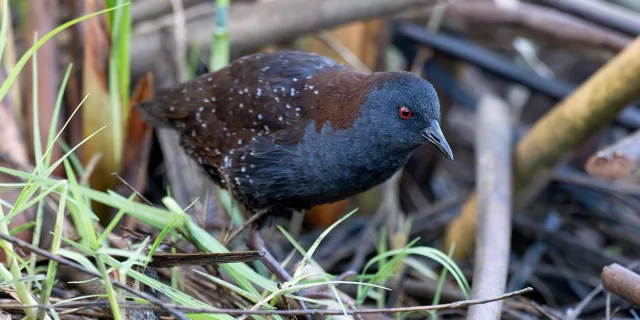
One of North America's most elusive birds, the Black Rail is a tiny, secretive marsh bird that is incredibly difficult to spot. It hides deep within dense marsh vegetation, and its presence is usually confirmed only by its unique, clicking call, a kiki-kerr. A threatened species, it is a rare and highly localized resident in Missouri's central and western marshes. Its extreme sensitivity to habitat changes makes its conservation a priority.
4. Painted Bunting (Passerina ciris)

The male Painted Bunting is arguably the most colorful bird in North America, sporting a blue head, green back, and red rump and underparts. While common in some southern states, it is a rare and localized breeder in Missouri, typically found in the southwest, particularly in open woodlands and brushy thickets, often associated with glades. Sighting this avian rainbow is a true prize for any Missouri birder.
5. Whooping Crane (Grus americana)
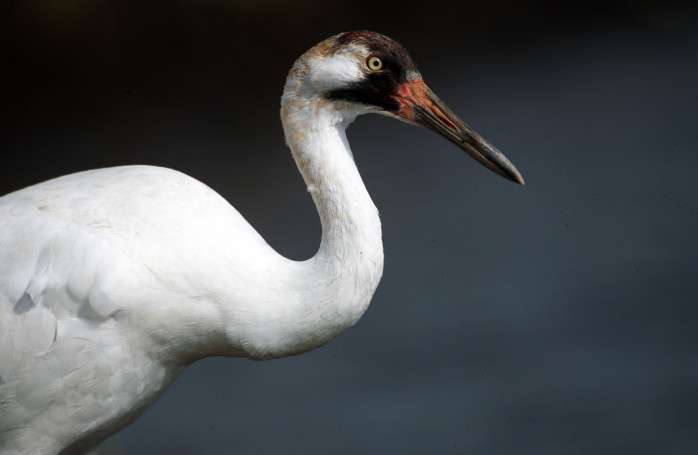
Though not a breeding resident, the Whooping Crane—the tallest bird in North America—is an occasional, thrilling sight in Missouri during migration. As a critically endangered species, every sighting is significant. These majestic white cranes are easily distinguished from the more common Sandhill Cranes by their larger size, pure white bodies, black wing tips, and their completely white plumage (except for the black tips of their wings). They follow traditional migratory routes, passing through Missouri wetlands.
A State of Avian Wonders
Missouri’s diverse landscapes provide a vital haven for birds. The year-round presence of the Northern Cardinal and Blue Jay offers constant connections to nature, while the seasonal arrivals of the Ruby-throated Hummingbird and the massive flocks of Snow Geese provide spectacular natural events. Meanwhile, the plight of species like the Greater Prairie-Chicken and the Least Tern underscores the necessity of continuous conservation efforts. Missouri truly lives up to its heritage as a core state in the Mississippi Flyway, offering a dynamic and rewarding experience for anyone who looks skyward.
