
Mississippi, with its richly varied habitats—from coastal marshes to bottomland hardwood forests to pine savannas—is home to hundreds of bird species. Many are common or seasonal visitors, some migrate through the state, and others are rare or endangered. Here are 15 bird species (common, migratory, and rare) you might see in Mississippi, along with what makes each of them special.
1. Northern Mockingbird (Mimus polyglottos)

A very common year‑round resident in Mississippi; it is also the state bird. Known for its vocal repertoire, the mockingbird frequently mimics other species’ songs. It thrives in disturbed and suburban areas and is one of the birds most likely to be encountered even in backyards.
2. Red‑bellied Woodpecker (Melanerpes carolinus)
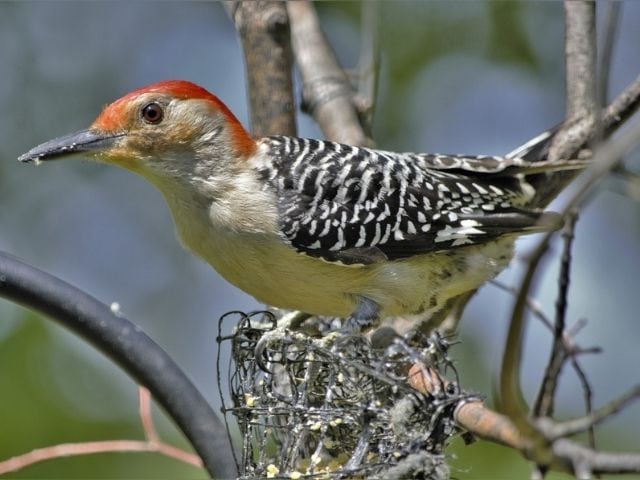
This woodpecker is common throughout Mississippi. It prefers wooded areas, often spotted on trees in forests, wooded suburbs, or streamside woodlands. Its red belly and striking barred back make it relatively easy to recognize. Non‑migratory, though individuals may shift locally.
3. American Robin (Turdus migratorius)
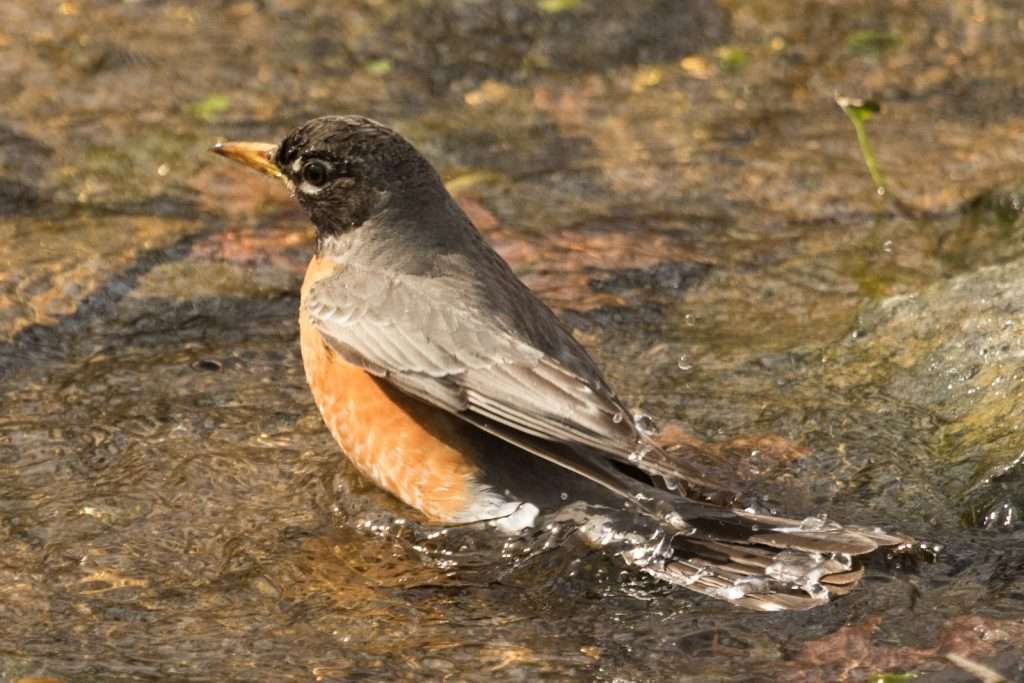
A familiar thrush, common especially in spring and fall migrations but also seen in winter. It forages on lawns and in trees, eating worms, insects, and fruit. A wide habitat generalist, so it’s one of the easier species for novice birdwatchers to observe.
4. Swainson’s Warbler (Limnothlypis swainsonii)

A more secretive species. Swainson’s Warbler is migratory (breeding in summer in dense understory, floodplain forests, canebrakes in Mississippi and neighboring states). It is often heard rather than seen due to its preference for dense cover near the ground.
5. Mississippi Kite (Ictinia mississippiensis)
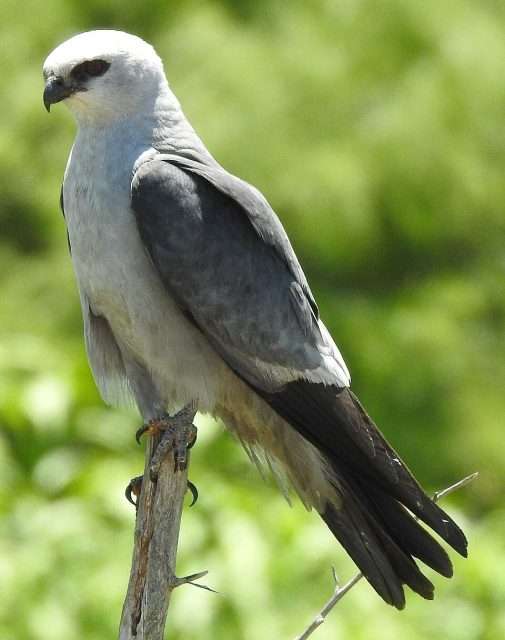
A graceful raptor that is migratory. Breeds in Mississippi in summer—often in open woodlands near water—and then migrates south. They feed largely on insects caught in flight. Their soaring behavior and graceful flight make them a delight to watch.
6. Piping Plover (Charadrius melodus)

A rare shorebird in Mississippi. The Piping Plover is federally threatened in many parts of its range. In Mississippi, it uses coastal sand and mud flats, beaches, and tidal shores. The population is vulnerable to habitat disturbance (beach erosion, human recreation).
7. Mississippi Sandhill Crane (Grus canadensis pulla)
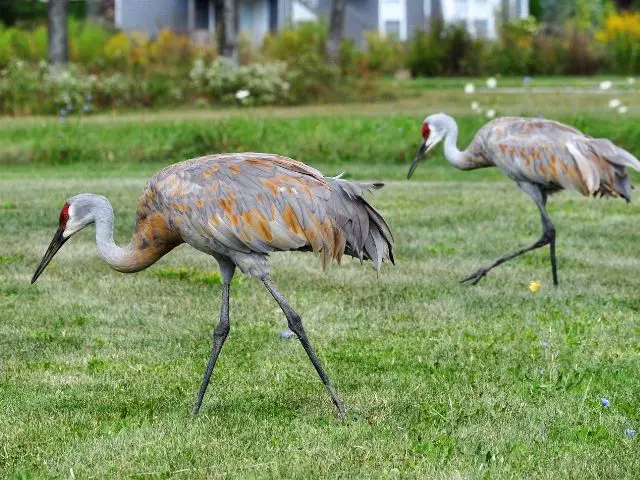
This is a non‑migratory, critically endangered subspecies of Sandhill Crane found only in a small part of coastal Mississippi (Jackson County and the Pascagoula watershed). Its habitat is wet pine savanna, which has been greatly reduced. Conservation efforts at the Mississippi Sandhill Crane National Wildlife Refuge are helping increase its numbers.
8. Red‑cockaded Woodpecker (Dryobates borealis)
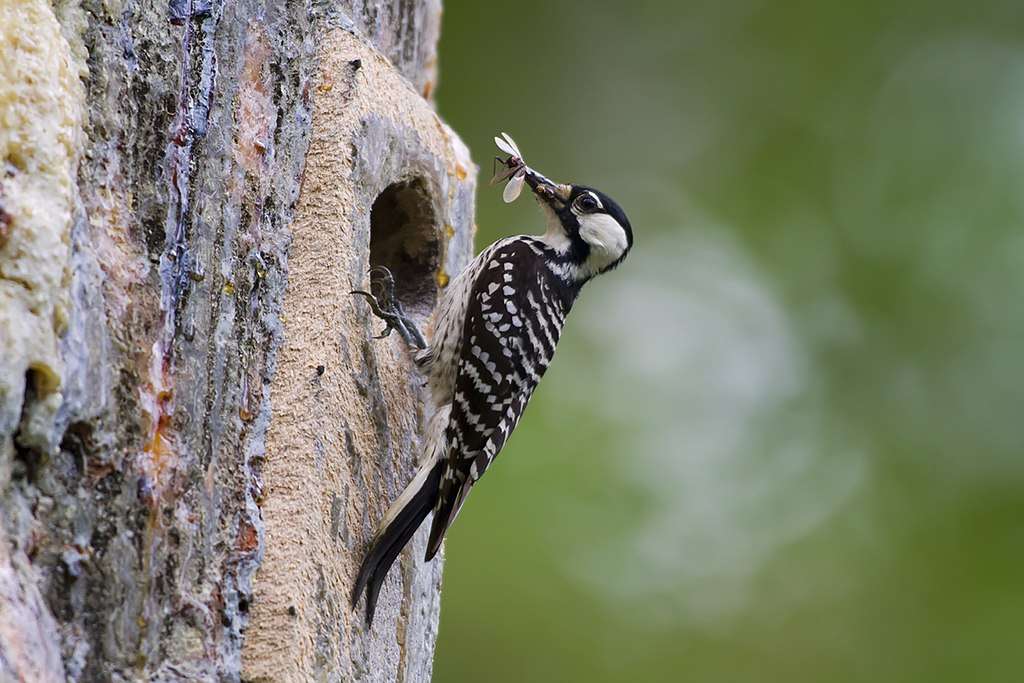
An endangered species in Mississippi. It depends on old, living pine trees (longleaf, slash, loblolly) with relatively open understories. Their decline is closely tied to the loss of mature pine forests. They typically nest in live pines, carving cavities in trees that are decades old.
9. Brown Pelican (Pelecanus occidentalis)
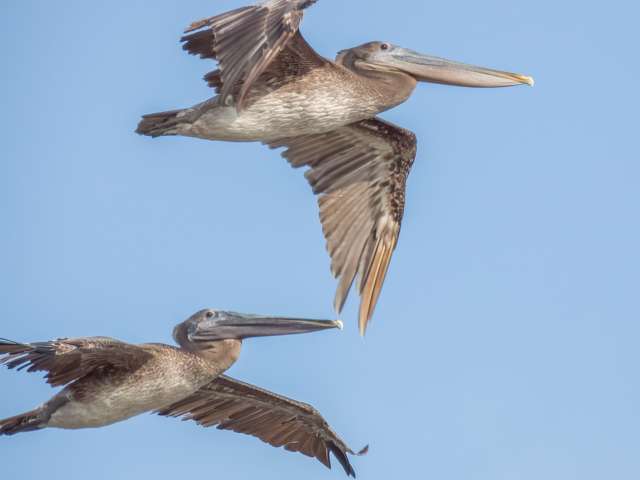
A coastal species, migratory or partially migratory, depending on conditions. In Mississippi, found along the Gulf Coast. They are large, striking birds, known for their fishing dives. Their coastal habitat can be threatened by hurricanes, pollution, and human disturbance.
10. Great Egret (Ardea alba)
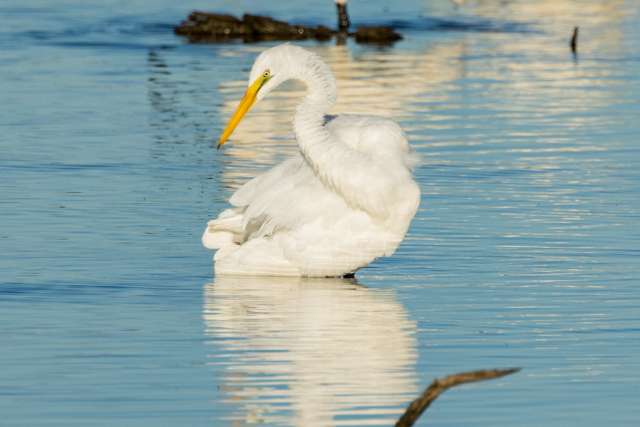
A fairly common wetland bird. Supports migratory patterns: many individuals move in and out seasonally. Found in marshes, swamp edges, riverbanks, and flooded fields. Elegant in appearance, with long neck, white plumage, and yellow bill. Habitat loss (wetlands especially) can impact numbers.
11. Bald Eagle (Haliaeetus leucocephalus)

Once rare and endangered, the Bald Eagle has made a strong recovery, seen in Mississippi especially around large bodies of water, rivers, lakes, and coastal zones. Some are year‑round residents, others are seasonal migrants or transient visitors. Seeing one is always a highlight.
12. Purple Martin (Progne subis)
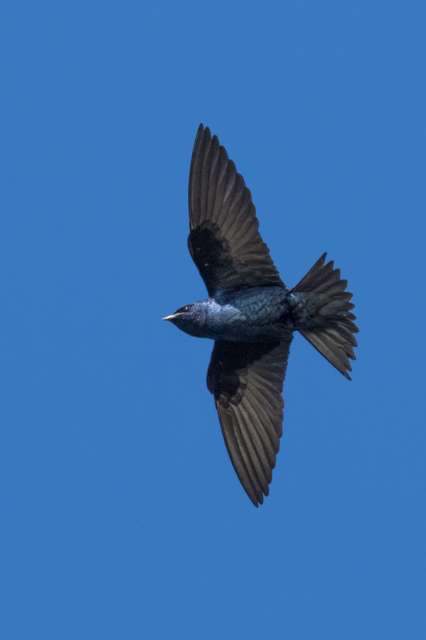
A migratory swallow that breeds in Mississippi in summer. Uses cavities—often human‑made nest boxes—and forages on flying insects. Vulnerable to loss of nesting sites and insect decline. Seen in open areas, along waterways, near human settlements.
13. Wood Thrush (Hylocichla mustelina)

A beautiful songbird with a plaintive flute‑like song. Breeds in Mississippi’s deciduous and mixed forests; migrates south in the winter to Central America. Sensitive to forest fragmentation and predation at migratory stops.
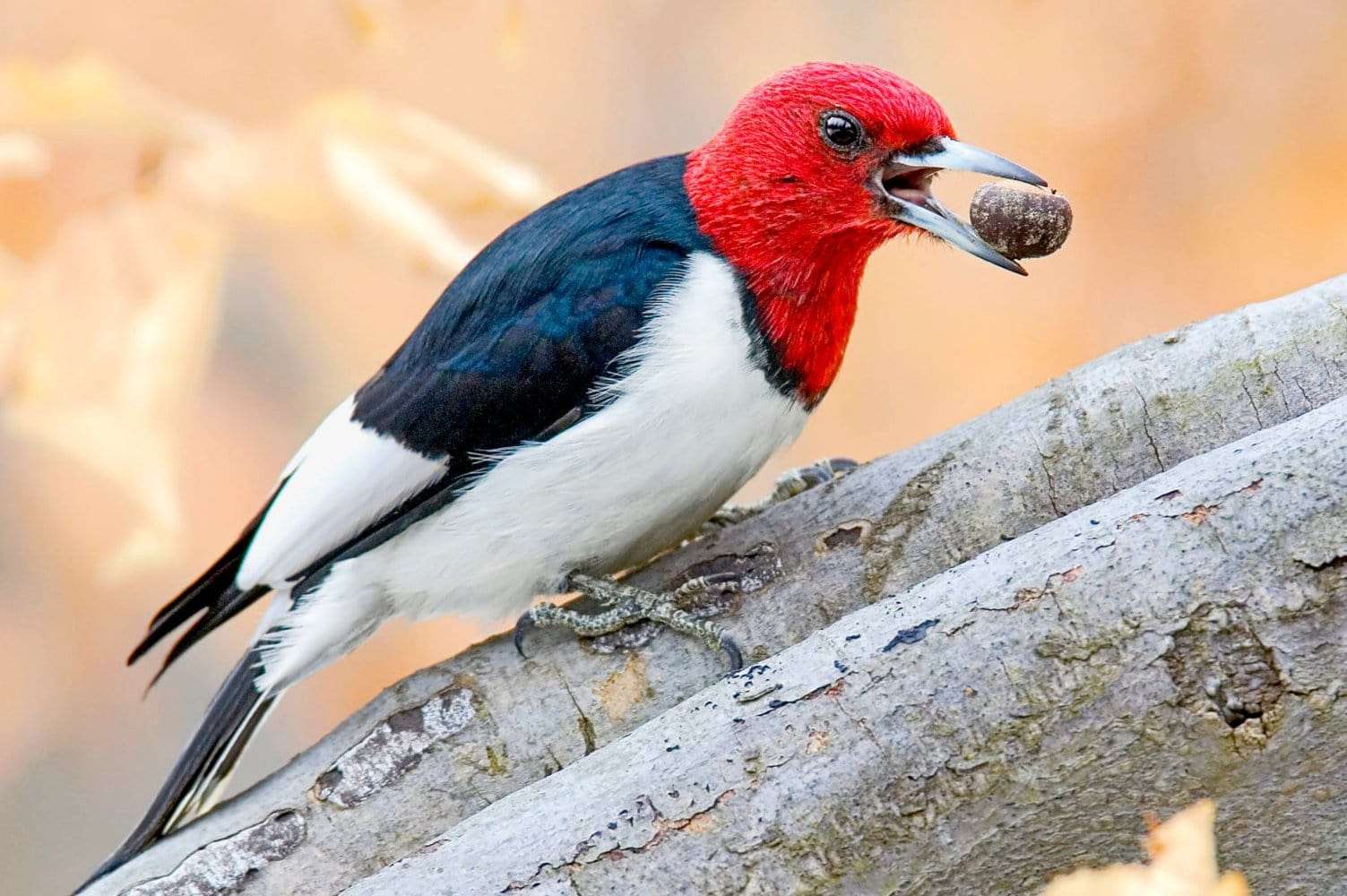
14. Red‑headed Woodpecker (Melanerpes erythrocephalus)
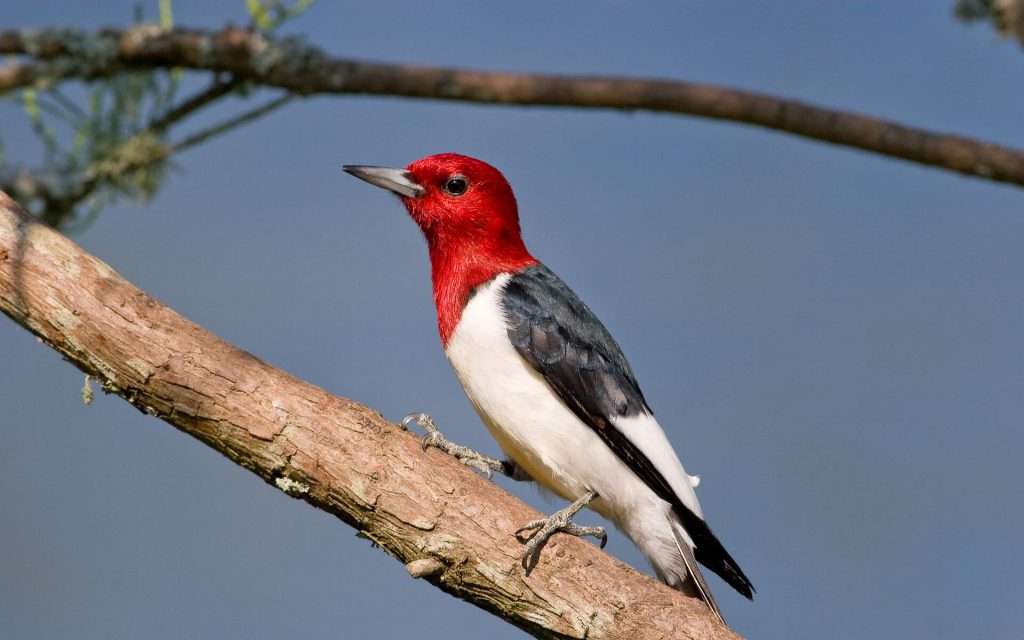
Striking with its entirely red head and strong contrasting black body with white shoulders. Common to fairly common in parts of Mississippi. Some populations are declining due to habitat loss, especially the loss of standing dead trees and large live trees for nesting.
15. Yellow Warbler (Setophaga petechia)
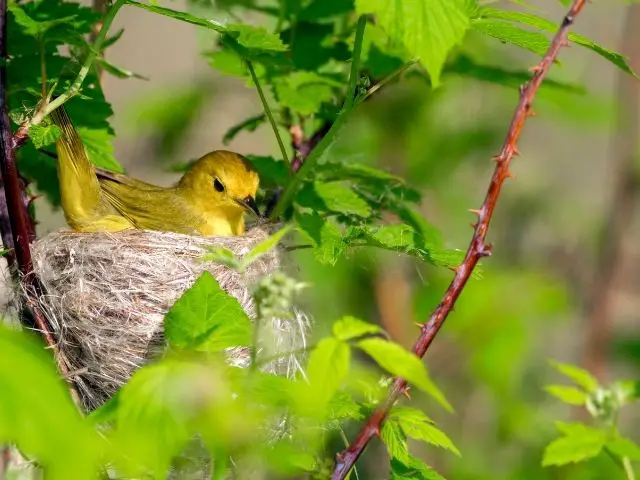
A migratory warbler species, arrives in spring to breed across the state and departs in fall. Identified by bright yellow plumage (especially males), olive streak on back, and often seen in shrublands, woodland edges, riparian zones, wetlands. Like many warblers, sensitive to habitat quality and insect availability.
Why Mississippi Matters for Birds & Migration
Mississippi sits in a key location for bird migration:
The Mississippi Flyway is one of the major north‑south migration routes in North America. Birds from Canada and the northern U.S., especially waterfowl, shorebirds, and songbirds, use it to move between breeding and wintering grounds.
The state’s diversity of habitat types—from marshes, rivers, forests, coastal zones, and uplands—provides critical stopover, breeding, and wintering habitat.
Many rare species are dependent on specialized habitats (pine savannas, old growth pine, dense understory in forests, undisturbed shorelines) which are under pressure from development, logging, agriculture, and climate change. Loss of wetlands, forest fragmentation, and disturbance of coasts are among the major threats.
