

Minnesota, the "Land of 10,000 Lakes," boasts a rich and diverse avian population, fueled by its unique position at the convergence of three major North American biomes: the prairie, the eastern deciduous forest, and the northern boreal forest. This geographic variety creates essential habitat for resident birds, provides critical stopovers for millions of spring and fall migrants, and occasionally hosts thrilling sightings of rare visitors. From the ubiquitous backyard visitors to the state's most elusive endangered species, Minnesota's birds tell a powerful story of ecology, survival, and the changing face of the North American environment. This article explores 15 of these fascinating species across the spectrum of their presence in the state: common, migratory, and rare.
The Common Birds of the North Star State
The common birds of Minnesota are those hardy species that are often year-round residents or, at the very least, are so numerous during their season that they define the everyday soundtrack of the state.
1. Black-capped Chickadee (Poecile atricapillus)

The Black-capped Chickadee is arguably Minnesota's friendliest and most recognizable resident. Known for its distinct black cap and bib, white cheeks, and general inquisitiveness, this small songbird is a non-migratory marvel. It's renowned for its ability to cache food, storing seeds and insects in hundreds of separate locations to survive the harsh winters. Its famous call, "fee-bee," is often heard in late winter, signaling the approach of spring.
2. Northern Cardinal (Cardinalis cardinalis)
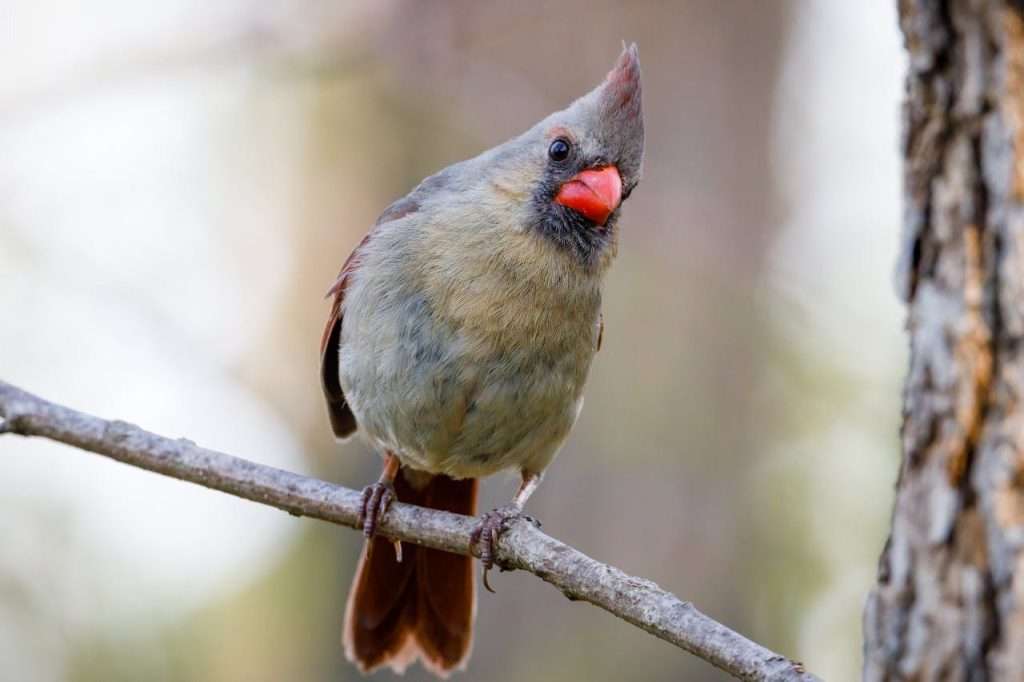
A relative newcomer to the northern part of the state, the brilliant red Northern Cardinal is now a common sight at Minnesota's feeders. The male's striking color is a stark contrast against a winter backdrop, while the female possesses a beautiful reddish-olive hue. Their loud, whistling song, often described as "cheer-cheer-cheer" or a sharp "what-cheer," is a welcome sound throughout the year.
3. Blue Jay (Cyanocitta cristata)
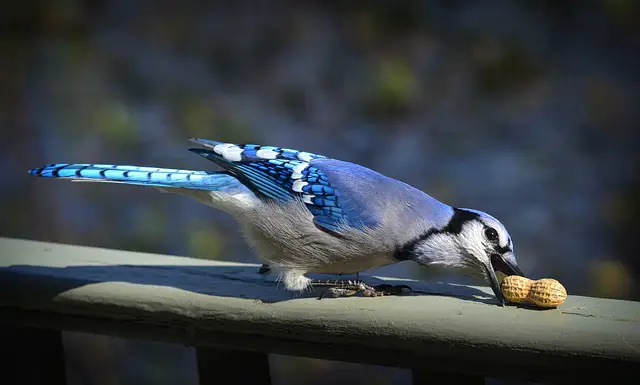
The flashy Blue Jay is impossible to ignore with its vibrant blue, black, and white plumage and its loud, piercing “jay-jay!” calls. These intelligent birds are omnivores, frequently eating acorns, which they help disperse and plant. They are known to be fierce protectors of their nest sites, often mobbing and driving off predators like owls and hawks.
4. American Robin (Turdus migratorius)
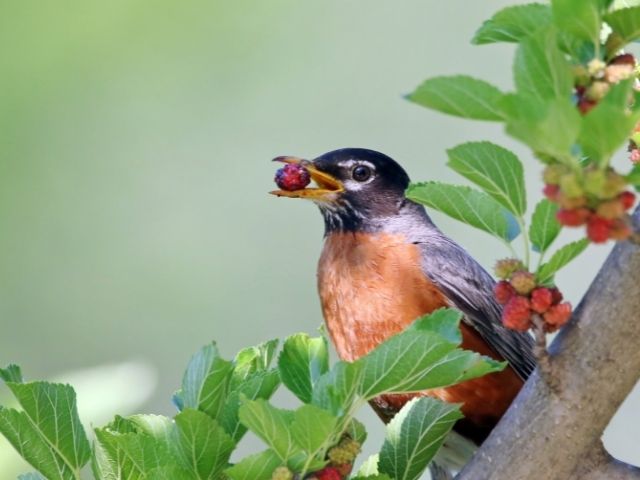
Though many people consider the American Robin the quintessential sign of spring, many actually stay in Minnesota through the winter, switching their diet from earthworms to wild berries. The sight of a male robin's rich, rust-colored breast on a freshly mowed lawn remains a classic summer image. They are the largest of the thrush family in North America.
5. Downy Woodpecker (Dryobates pubescens)
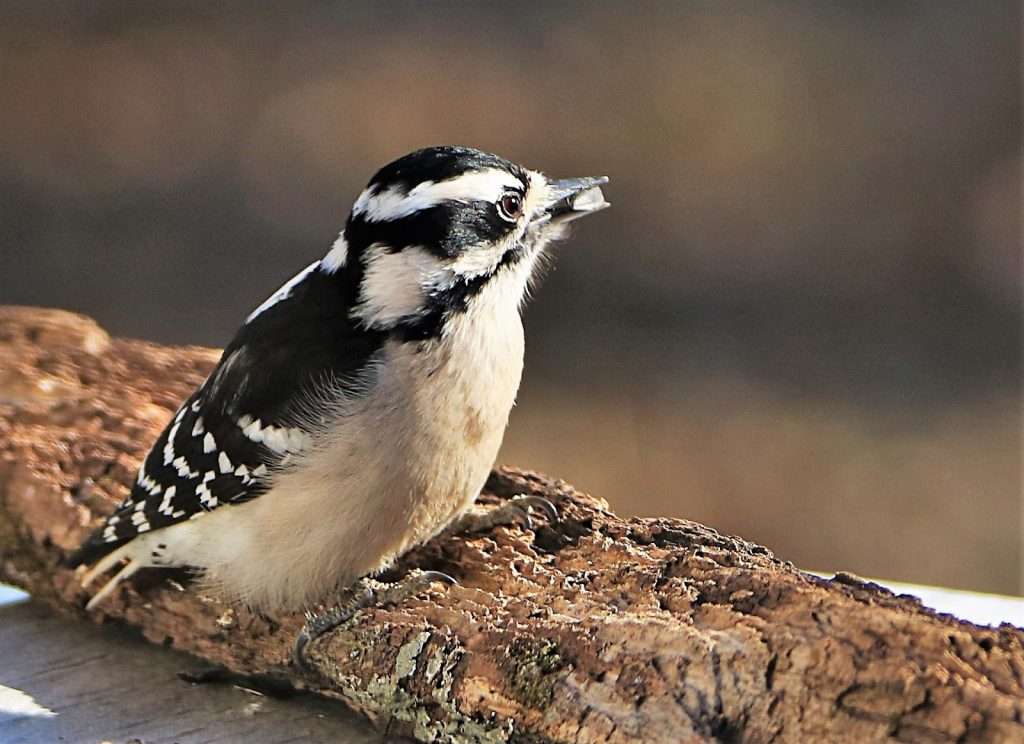
The smallest of North America’s woodpeckers, the Downy Woodpecker is a year-round resident found in virtually every woodlot, park, and backyard with trees. Males are easily distinguished by the small red patch on the back of their heads. Their characteristic light tap, or drumming, on tree trunks is part of their foraging behavior, as they primarily feed on insect larvae found in the bark.
Migratory Marvels of Minnesota
Minnesota lies along the Mississippi Flyway, one of the continent’s most important migratory routes. Millions of birds pass through the state each spring and fall, with many spending the summer breeding season here.
6. Common Loon (Gavia immer)
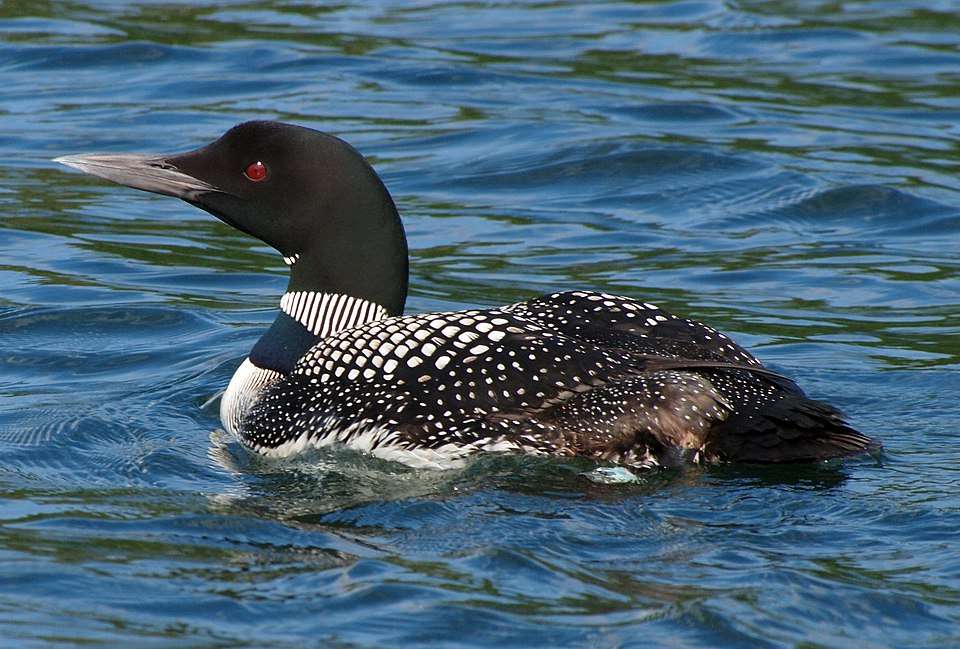
Minnesota's state bird, the Common Loon, is a large, iconic water bird with striking black-and-white summer plumage and haunting, evocative calls. They arrive as soon as the ice melts and nest on northern lakes, spending the winter on the Atlantic coast or the Gulf of Mexico. Their legs are placed far back on their body, making them spectacular divers but clumsy on land. They are a beloved symbol of the north woods.
7. Baltimore Oriole (Icterus galbula)
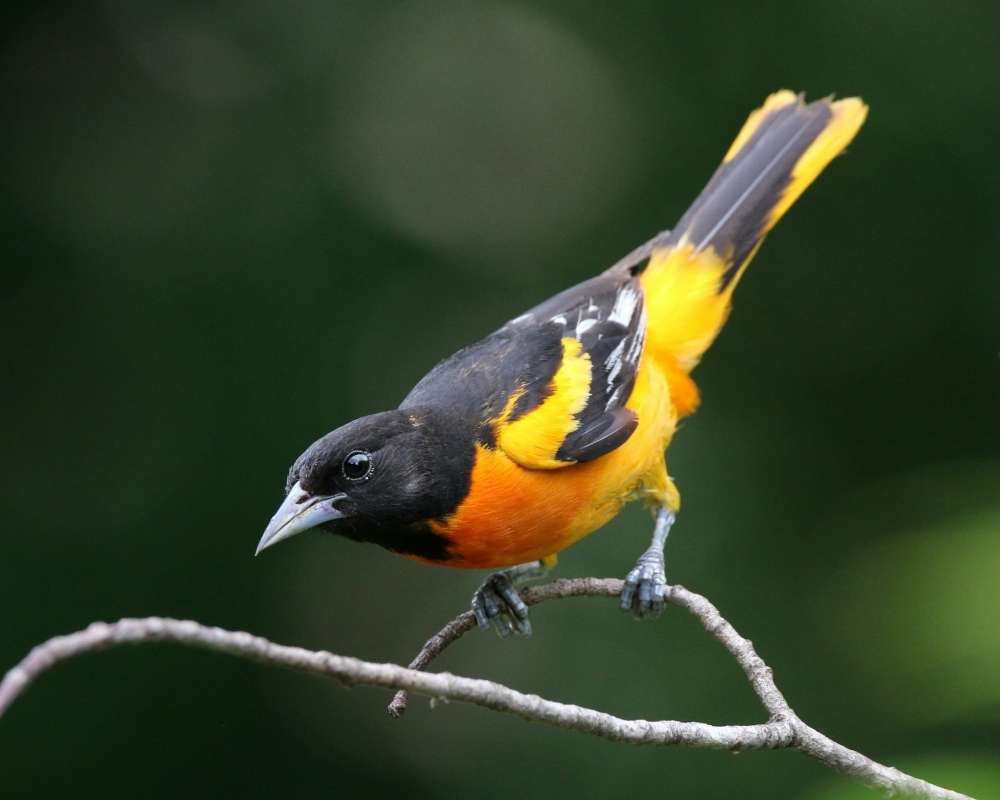
The arrival of the brilliant orange and black Baltimore Oriole in May is a much-anticipated event. Named after Lord Baltimore, whose colors were orange and black, this tropical migrant spends its winter in Central and South America. They are famous for their remarkable, intricately woven, hanging, sack-like nests built high in deciduous trees.
8. Ruby-throated Hummingbird (Archilochus colubris)
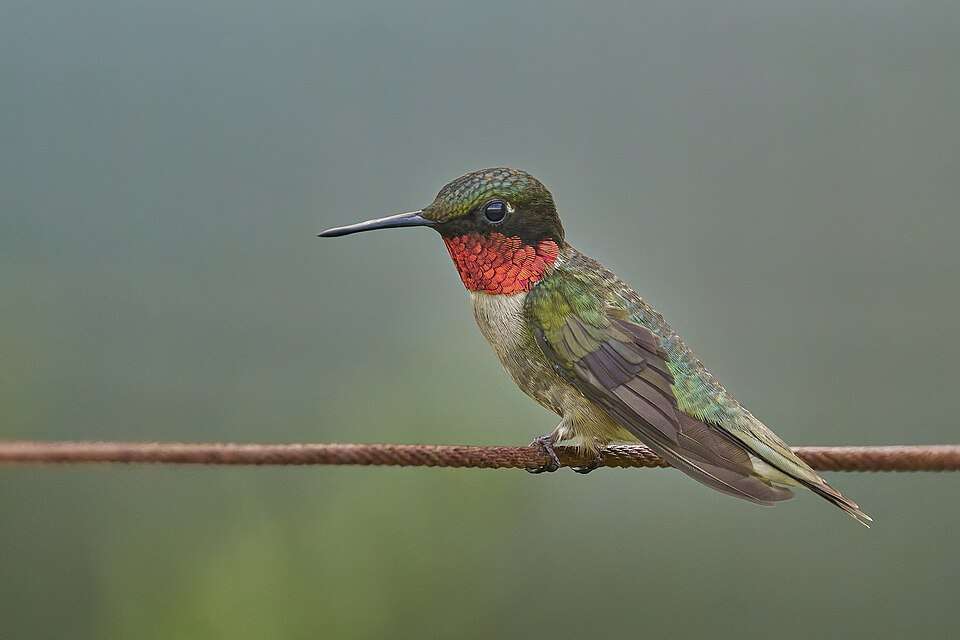
As the only hummingbird species to regularly breed in eastern North America, the tiny Ruby-throated Hummingbird undertakes one of the most incredible migrations for its size, often crossing the Gulf of Mexico non-stop. The male's iridescent ruby-red throat patch flashes as it hovers, feeding on nectar from flowers and feeders. They arrive in Minnesota around May and depart by early fall.
9. Broad-winged Hawk (Buteo platypterus)
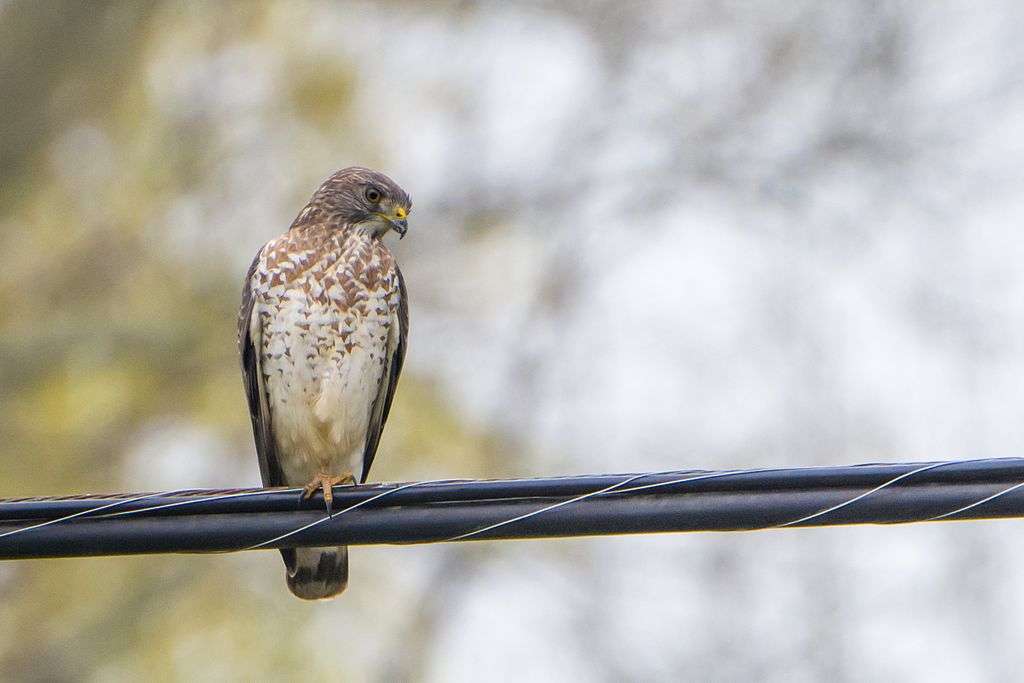
The Broad-winged Hawk is a smaller raptor known for its spectacular migratory behavior. In September, tens of thousands of these birds form massive swirling flocks known as "kettles" as they ride thermal updrafts along the shore of Lake Superior, especially at Hawk Ridge in Duluth, on their journey to wintering grounds in Central and South America.
10. Tundra Swan (Cygnus columbianus)
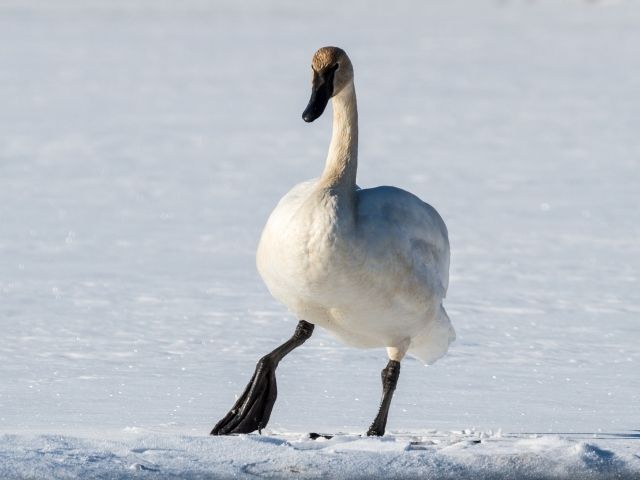
The majestic Tundra Swan migrates through Minnesota in immense flocks, particularly through the western part of the state, stopping at places like the Upper Mississippi River National Wildlife and Fish Refuge. Their trumpeting calls and the sight of hundreds of pure white birds resting on the water are a memorable spectacle of the spring and fall migration, moving between the Arctic tundra and the eastern and western U.S. coasts.
The Rare and Endangered Birds of Minnesota
These species are either critically threatened, on the edge of their range, or are highly infrequent visitors, making a sighting a truly special event for any Minnesota birder.
11. Piping Plover (Charadrius melodus)

Listed as both federally Threatened and state Endangered, the Piping Plover is a tiny, pale shorebird. Its rarity stems from extreme habitat loss, as it nests on open, sparsely vegetated sandy beaches, a habitat increasingly claimed by human development and recreation. A sighting, usually along the Great Lakes coast or major river systems, is a critical record of this vulnerable species.
12. Greater Prairie-Chicken (Tympanuchus cupido)
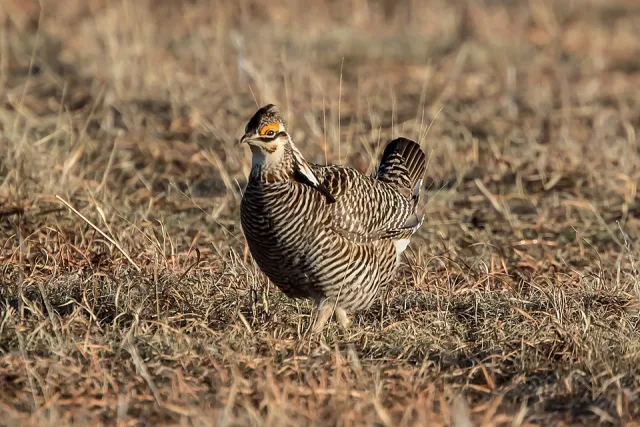
The Greater Prairie-Chicken is a native grassland grouse whose historical range has been drastically reduced due to the conversion of native prairie to farmland. It is a state Special Concern species. Seeing its elaborate booming dance—where males inflate bright orange air sacs and make deep, resonant calls—is a phenomenal experience, limited today to small, protected areas of northwestern Minnesota.
13. Burrowing Owl (Athene cunicularia)
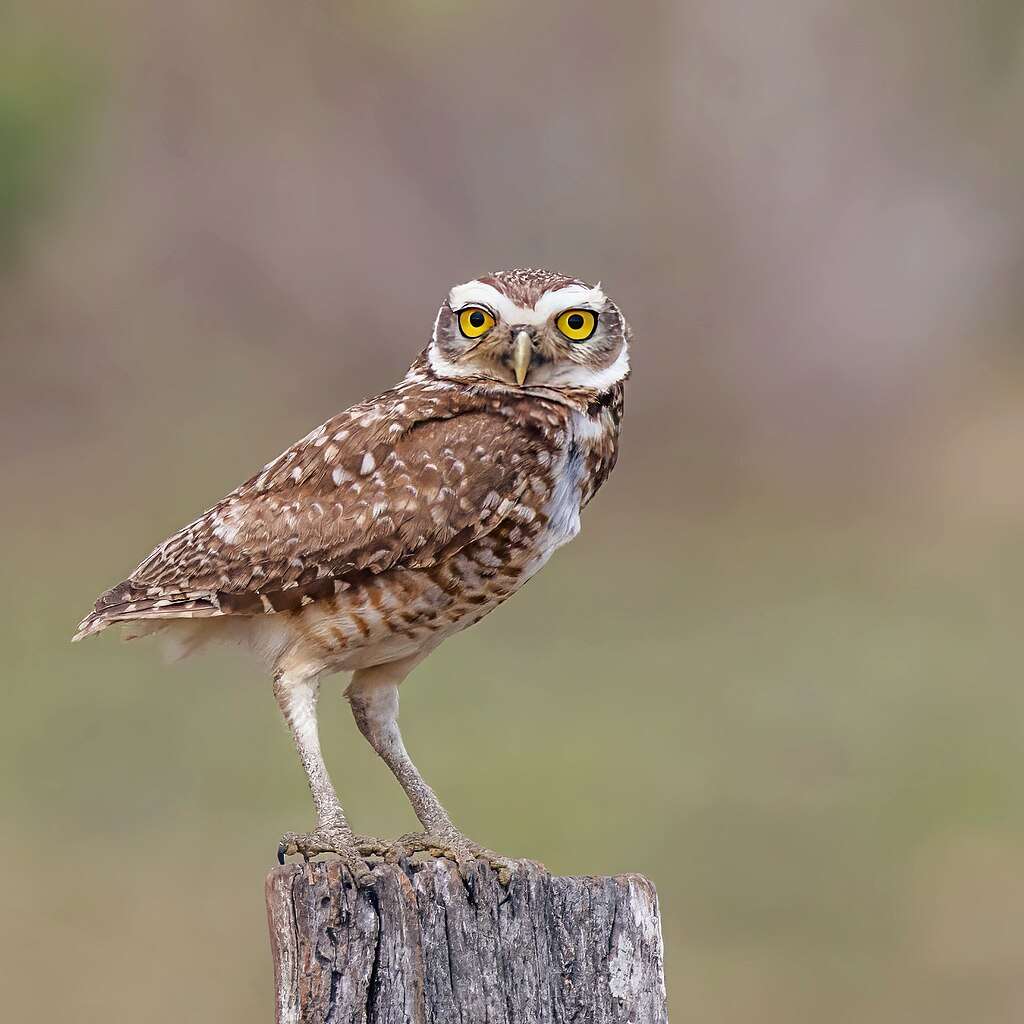
A highly rare visitor and state Endangered species, the Burrowing Owl is a small, long-legged owl of open grassland and prairie. Unlike most owls, it is active during the day and lives in underground burrows, often repurposed from prairie dogs or badgers. It is an extremely infrequent and typically non-breeding visitor to Minnesota, making its rare appearance a cause for excitement among birders.
14. Yellow Rail (Coturnicops noveboracensis)
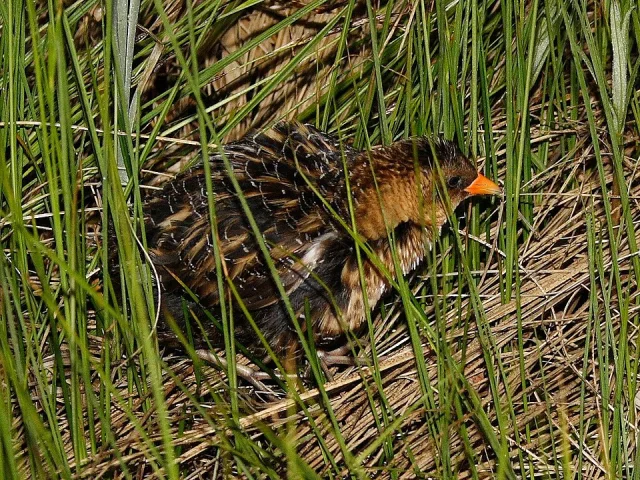
The Yellow Rail is perhaps Minnesota’s most famous secretive bird. This small, chicken-like marsh bird is a state Special Concern species that is rarely seen because it prefers to walk through dense, wet meadows and cattail marshes rather than fly. It is identified almost exclusively by its unique, clicking call, which sounds like two stones tapping together, typically heard at night during the breeding season in the boggy regions of the state.
15. Great Gray Owl (Strix nebulosa)
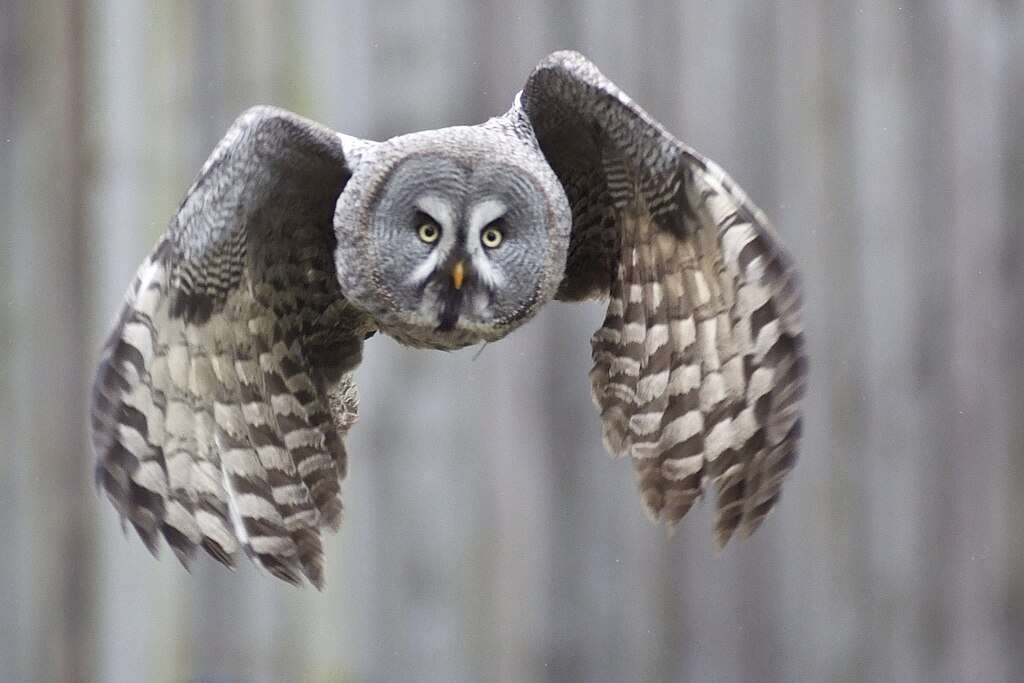
One of the largest owls in the world by size, the Great Gray Owl is a permanent resident and occasional winter visitor (irrupting) in the boreal forests of northern Minnesota. It is a stunning, majestic bird with a huge, round head and distinctive concentric facial discs. It relies on its incredible hearing to hunt voles and other small mammals beneath the snow, and while technically a resident, it is rarely encountered outside of its far-northern, remote spruce-fir and tamarack bogs.
A State of Diversity and Conservation
From the familiar sounds of the Black-capped Chickadee to the near-silent, secretive movements of the Yellow Rail, Minnesota's birdlife is a vibrant reflection of its varied landscape. The common birds anchor the local ecosystem, the migrants connect the state to the entire Western Hemisphere, and the rare species remind us of the fragility of specific habitats. Birders and conservationists in Minnesota work tirelessly to monitor and protect these populations, ensuring that the legacy of these 15 species—and the hundreds of others that call the state home—endures for generations to come.
