
Missouri, the "Show-Me State," is a hidden gem for bird enthusiasts, offering a surprisingly rich and diverse array of birdwatching opportunities across its varied landscapes. From the rolling hills and forests of the Ozarks to the expansive wetlands along its mighty rivers, the state provides critical habitat for hundreds of bird species throughout the year.
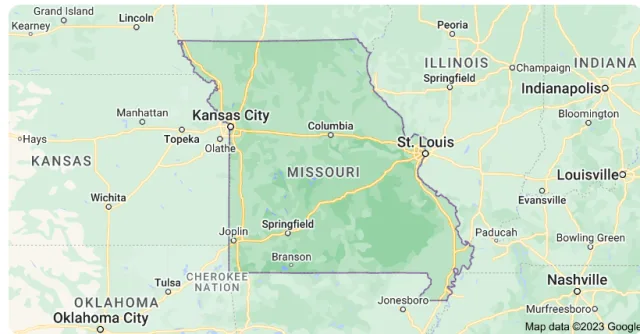
For both novice and seasoned birders, Missouri's position in the heart of the North American flyway makes it a spectacular destination to witness mass migrations. Two locations, in particular, stand out as essential stops on any birder's itinerary: the globally significant Riverlands Migratory Bird Sanctuary near St. Louis and the peaceful, federally managed refuge of Swan Lake National Wildlife Refuge in the central part of the state. This article will explore the best places and times to experience the vibrant avian life of Missouri, highlighting the unique chances to spot waterfowl, raptors, and songbirds at these prime sanctuaries.
Table Rock Lake
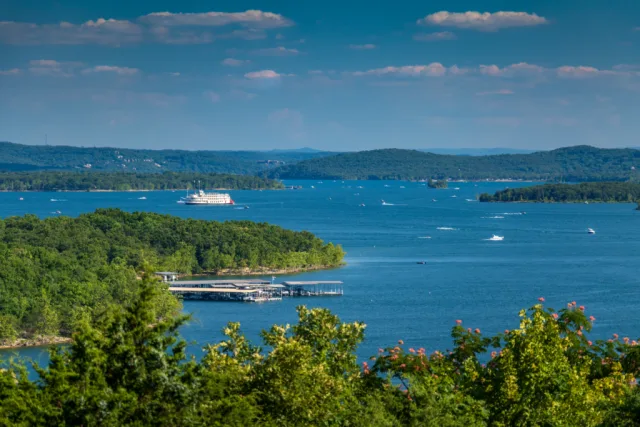
Table Rock Lake is an immense, man-made reservoir nestled in the rugged Ozark Mountains of southwestern Missouri, with an arm extending into northwestern Arkansas. Formed by the damming of the White River near Branson, its geography is defined by a deep, clear body of water featuring a staggering 745 miles of shoreline at its normal level. The surrounding landscape is characterized by steep, wooded hillsides, limestone bluffs, and extensive hardwood forests of oak and hickory.
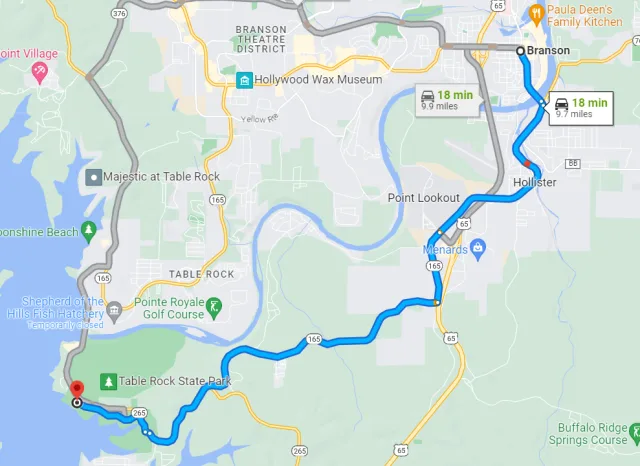
This preserved natural boundary, much of which is public land managed by the U.S. Army Corps of Engineers and Missouri State Parks, ensures that the lake's banks remain largely undeveloped, creating an ideal blend of aquatic and upland forest habitats for wildlife.
The diverse geography of the lake and its surrounding state park and wildlife management areas offers excellent birdwatching opportunities throughout the year. The open water and extensive shoreline attract a variety of waterfowl, including grebes, loons, and ducks, especially during the cooler months.
The steep, forested shorelines and the nearby Ruth and Paul Henning Conservation Area provide habitat for numerous woodpeckers, songbirds, and migratory warblers during spring and fall. Table Rock is perhaps most famous for its winter residents, as it serves as a critical stopover and fishing ground for significant numbers of Bald Eagles. Birders frequently spot these majestic raptors perched in the tall shoreline trees or soaring over the water, making the winter season a prime time for a visit.

Target Birds
Red-eyed and White-eyed Vireo
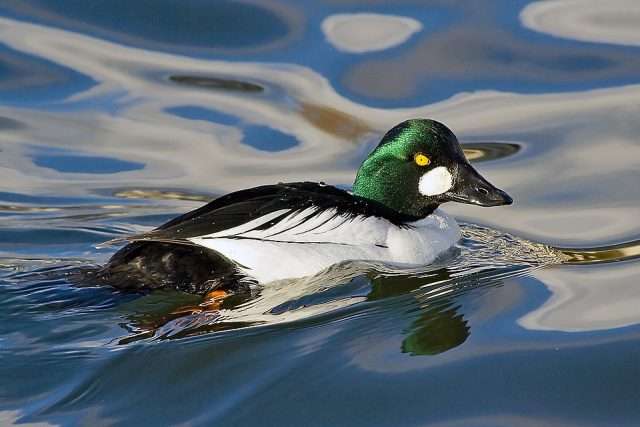
Common Goldeneye
Great Northern Diver
Golden-crowned Kinglet
Brown Creeper
Green Heron
Indigo Bunting
The Visit Table Rock website describes the area and gives visiting information.
Eagle Bluffs Conservation Area
The Eagle Bluffs Conservation Area is a crucial, 4,431-acre wetland and nature preserve located in Boone County, Missouri, just southwest of the city of Columbia in the vast Missouri River floodplain. The area's geography is defined by the mighty Missouri River and Perche Creek, which provide over 10 miles of stream frontage and flood-prone bottomlands. This landscape has been ingeniously managed by the Missouri Department of Conservation to restore wetlands lost to historical agricultural development, creating a series of 17 shallow wetland pools across 1,100 acres.
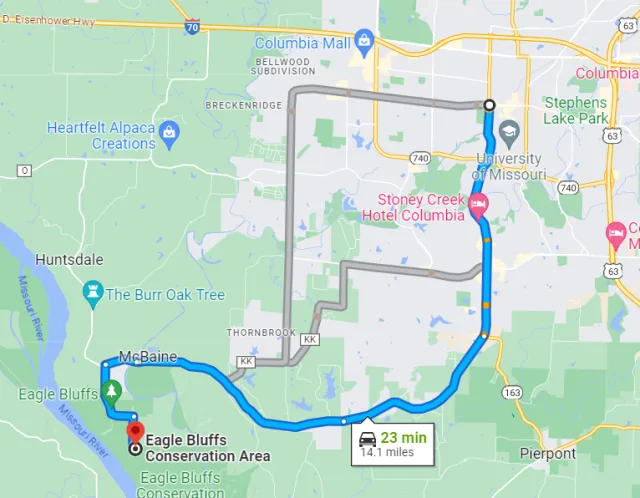
An innovative system utilizes the City of Columbia's treated wastewater as a consistent water source for these pools, ensuring reliable habitat for wildlife. The area is bordered by scenic, colorful limestone bluffs and is traversed by a section of the KATY Trail State Park, offering multiple access points and viewing perspectives of the expansive river valley.
The diverse geography of Eagle Bluffs makes it one of Missouri's premier birdwatching destinations, boasting a bird list of nearly 285 species. The carefully managed wetlands attract massive numbers of migrating and wintering waterbirds, including ducks, geese (such as Snow and Greater White-fronted), and various grebes.
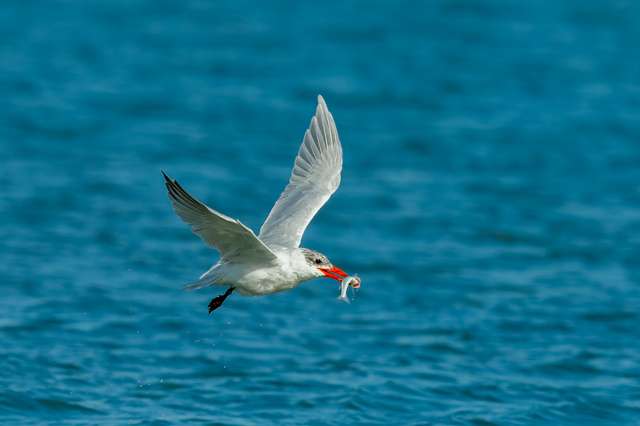
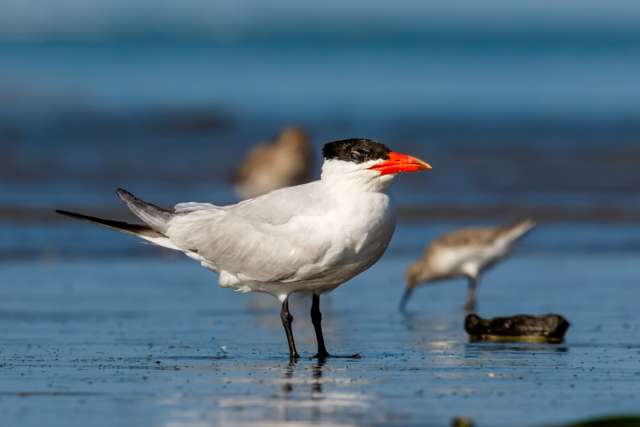
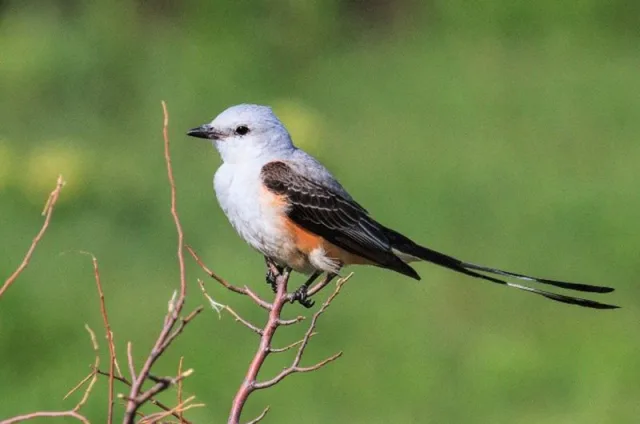
Shorebird migration is particularly spectacular, with peak viewing in May and August when birders may spot over 20 species of sandpipers, plovers, and terns like the Caspian and Forster's. True to its name, the area is an excellent spot for viewing Bald Eagles, which nest on-site and congregate in the winter. Raptors like Northern Harriers are also common, while the fields and riparian forests provide habitat for species like Scissor-tailed Flycatchers, Bell's Vireos, and various sparrows, offering excellent wildlife viewing opportunities year-round.
Target Birds
Baird's, Least, Pectoral, Semipalmated, Spotted and Solitary Sandpipers
Great Crested and Scissor-tailed Flycatcher
Sand Martin
Field, Song, Lincoln's and Lark Sparrow
Orchard and Baltimore Oriole
The Missouri Department of Conservation website has a lengthy description of the history of the area.
Columbia Bottoms Conservation Area
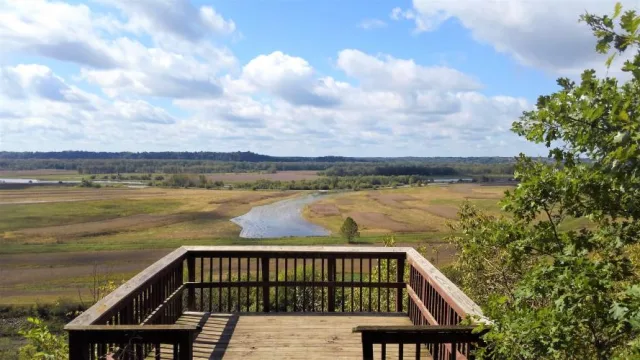
The Columbia Bottom Conservation Area is a significant 4,318-acre property managed by the Missouri Department of Conservation, strategically located in North St. Louis County, Missouri. Its geography is defined by its position in the floodplain at the confluence of the Missouri and Mississippi Rivers, the two largest rivers in North America. This low-lying, flat terrain is protected by a levee system, but it remains susceptible to occasional flooding, which naturally maintains a dynamic habitat.
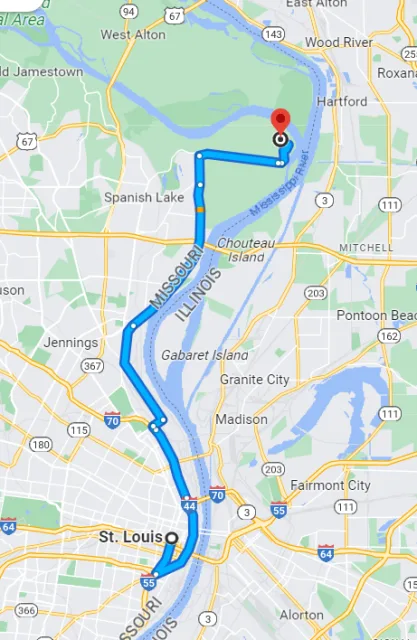
The area's diverse geography is a mosaic of habitats, including bottomland hardwoods, restored prairie, shallow wetlands, and agricultural croplands, all framed by over 6.5 miles of river frontage. A notable feature is the Confluence Viewing Platform, which offers visitors a unique vantage point to witness the turbulent meeting of the two mighty rivers.
This rich and varied habitat makes Columbia Bottom a phenomenal spot for birdwatching, especially since it lies directly along the Mississippi Flyway. The shallow wetlands and agricultural fields are critical stopovers for vast numbers of migratory waterfowl (ducks, geese, and swans) and shorebirds during the spring and fall migrations.
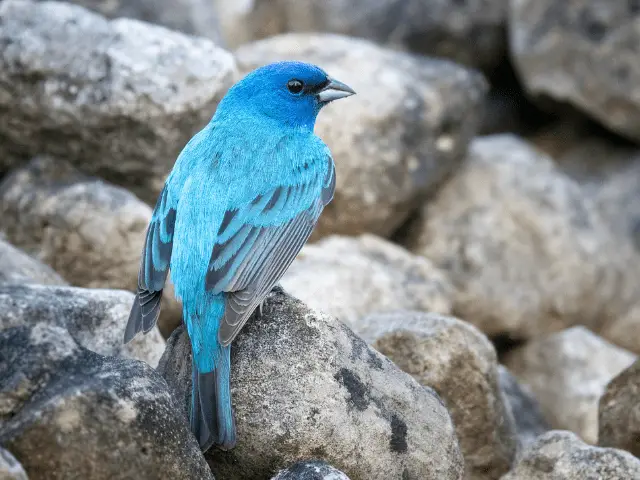
The bottomland forests and brushy areas host numerous woodland birds and songbirds, including species like the Indigo Bunting and Dickcissel in the warmer months, as well as an array of year-round residents and wintering raptors, such as the Bald Eagle. The conservation area offers an accessible road system, designated trails for hiking and biking, and various "Exploration Stations" that guide visitors through the different ecosystems, ensuring excellent opportunities to observe a wide spectrum of avian life.
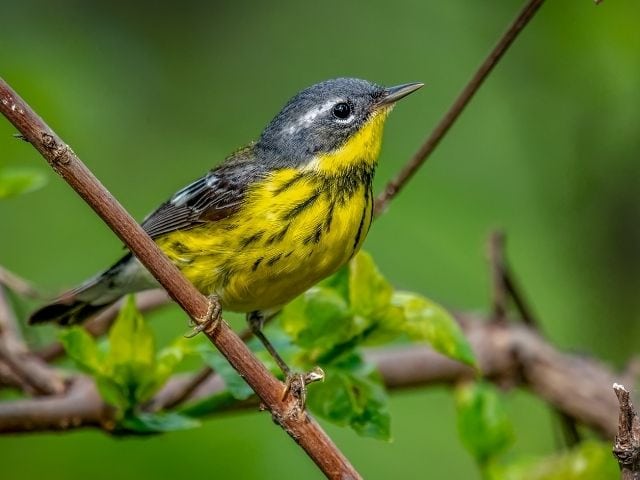
Target Birds
Grasshopper Sparrow
Bobolink
Magnolia Warbler
Indigo Bunting
Dickcissel
Northern Bobwhite
The Missouri Department of Conservation has a lot of information about the area and resources to help you plan a trip.
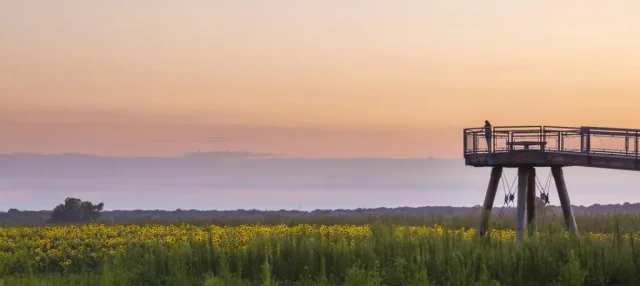
Fountain Grove Conservation Area
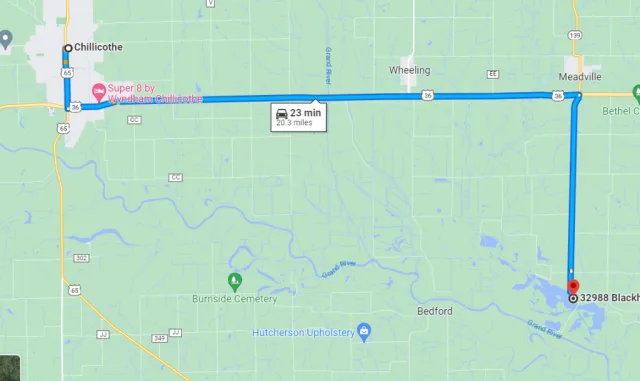
Fountain Grove Conservation Area is a crucial ecological site located in the floodplain of the Grand River in north-central Missouri, straddling portions of Linn and Livingston counties. As Missouri's first and largest state-managed wetlands, its geography is defined by approximately 8,000 acres of meticulously managed habitat, including expansive moist-soil and emergent marshes, bottomland hardwoods, wet prairie, and surrounding grasslands.
This flat, low-lying area, a key component of the Central Plains Natural Region, is a landscape of seasonal and emergent wetlands, where shallow marsh areas are intentionally flooded and dried annually to promote the growth of seed-producing plants vital for migrating birds. Its proximity to the nearby Swan Lake National Wildlife Refuge solidifies its role as a premier hub in what birders often call the state's "Golden Triangle" for waterfowl.
The conservation area offers exceptional birdwatching opportunities, primarily because it serves as an essential stopover point along the Mississippi Flyway. During the spring and fall migrations, the managed wetlands attract vast numbers of waterfowl, including a diverse mix of dabbling and diving ducks like Mallards, Pintails, Green-winged Teal, and Canvasbacks, along with Canada Geese.
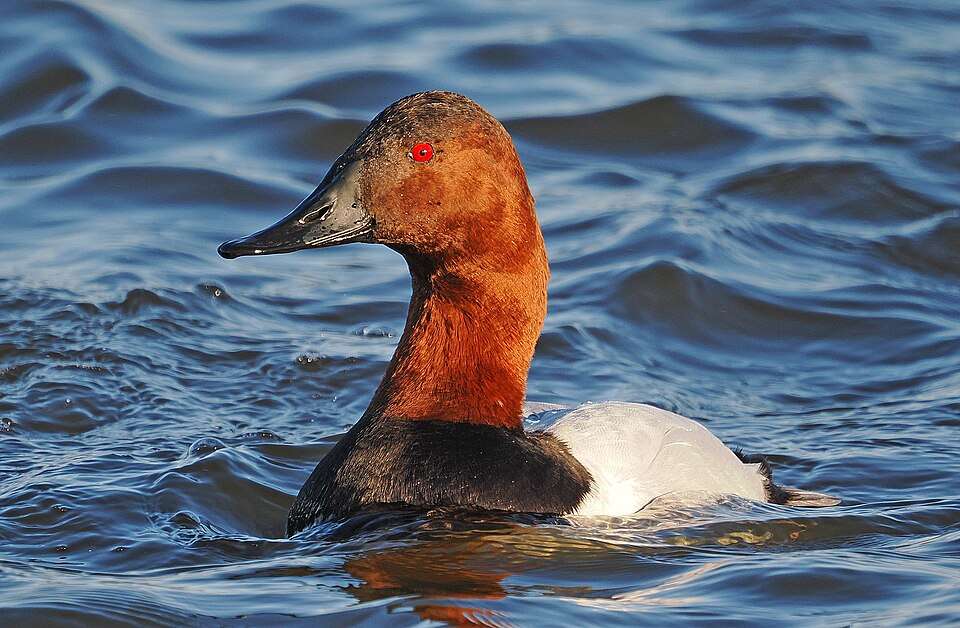
Beyond the masses of waterfowl, the diverse habitat supports a broad suite of wetland-dependent species throughout the year. Birders can look for secretive marsh birds, shorebirds utilizing the mudflats, and an active heron rookery along Locust Creek. Furthermore, the area is well-known for hosting wintering Bald Eagles, which are frequently seen near the open water and refuges, adding a spectacular raptor viewing element to this designated Important Bird Area on the Great Missouri Birding Trail.
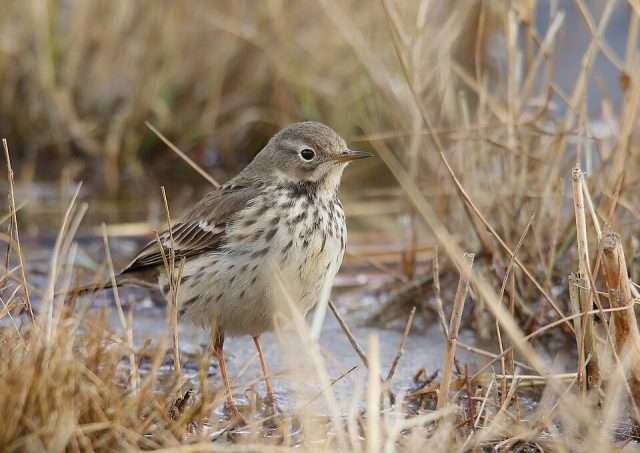
Target Birds
Blue-headed and Warbling Vireo
Eastern Meadowlark
Palm Warbler
Buff-bellied Pipit
Barred Owl
Rusty Blackbird
The DOC website has really good information about this large area.
Busch Wildlife Conservation Area
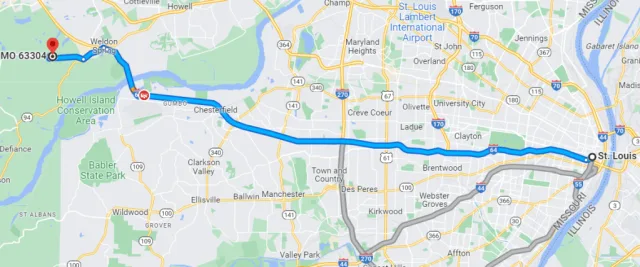
The August A. Busch Memorial Conservation Area, often simply called Busch Wildlife, is a sprawling 6,987-acre public recreation area strategically located in St. Charles County, Missouri, just west of the St. Louis metropolitan area. This prime location near a major urban center makes it highly accessible for regional birders.
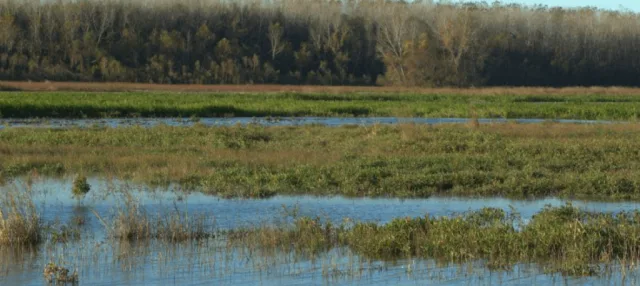
Its geography is remarkably diverse, featuring a mosaic of habitats that are the legacy of its past use as a federal ordnance works and, later, a Superfund site that has since been decontaminated and managed for conservation. The landscape includes nearly 3,000 acres of upland and bottomland forest, over 1,200 acres of grasslands, and an extensive network of over 30 lakes and ponds totaling more than 550 acres of water. These diverse ecosystems, combined with managed crop and old field areas, create a varied terrain that attracts a wide spectrum of wildlife throughout the year.
This rich mix of habitats translates into outstanding bird watching opportunities across all seasons. The numerous lakes and wetlands are magnets for waterfowl during migration and winter, including various species of ducks (such as Wood and Ring-necked Ducks), geese, and wading birds like egrets and herons. The expansive forest tracts are exceptional for finding migratory songbirds during the spring and fall, with warblers (including Prothonotary and Yellow), vireos, and tanagers making critical stopovers.
The grasslands and fields are home to ground-nesting birds like Northern Bobwhite and Dickcissels, and in winter, they provide hunting grounds for raptors such as Cooper's and Red-tailed Hawks. Visitors can utilize several hiking trails, including the accessible Fallen Oaks Nature Trail, and dedicated wildlife viewing blinds near feeders to maximize their chances of spotting one of the over 260 recorded bird species.
Target Birds
Wilson's Warbler
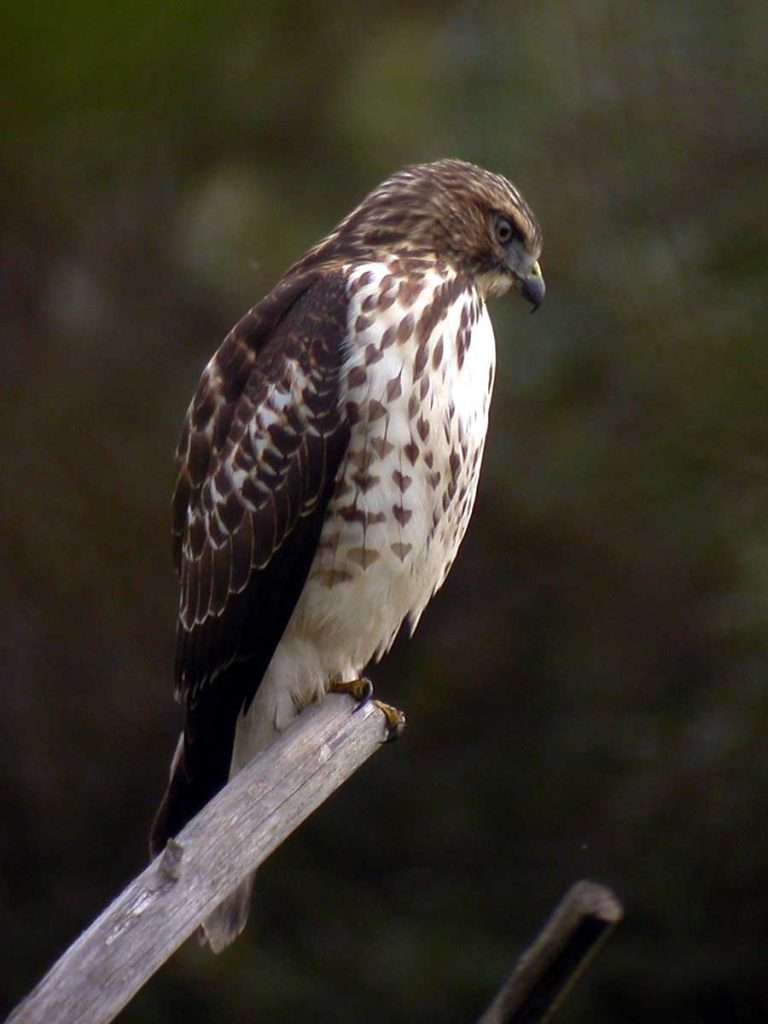
Broad-winged Hawk
White-eyed and Bell's Vireo
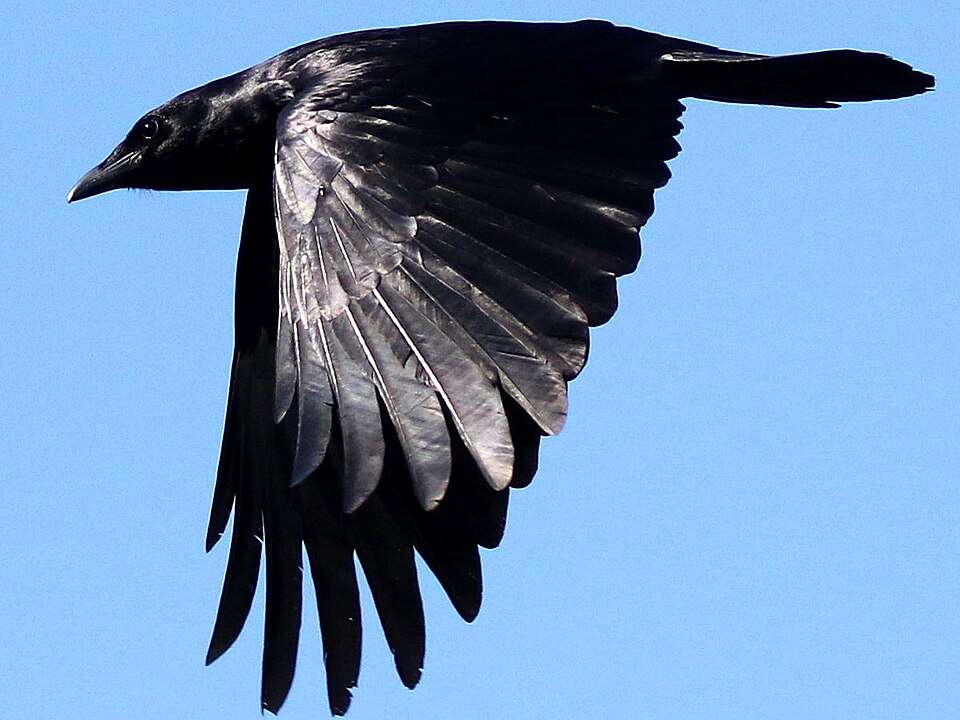
Fish Crow
Swainson's and Wood Thrush
Cedar Waxwing
Again the DOC website is a treasure trove of information.
Big Lake State Park
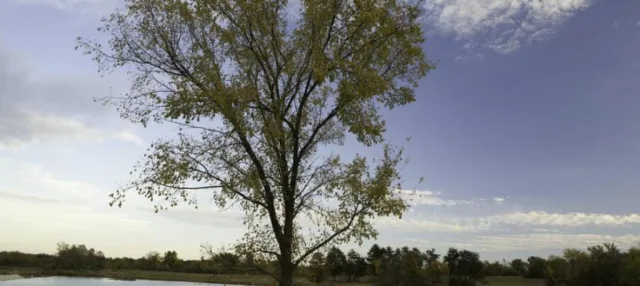
Big Lake State Park is a premier destination for birdwatching in the northwestern corner of Missouri, defined by its namesake: Big Lake, the largest remaining oxbow lake in the state. Located in Holt County, near the Missouri River flood plain, the park's geography is dominated by this expansive, shallow body of water and the surrounding wetlands, which make up the largest marsh within the Missouri State Park system.
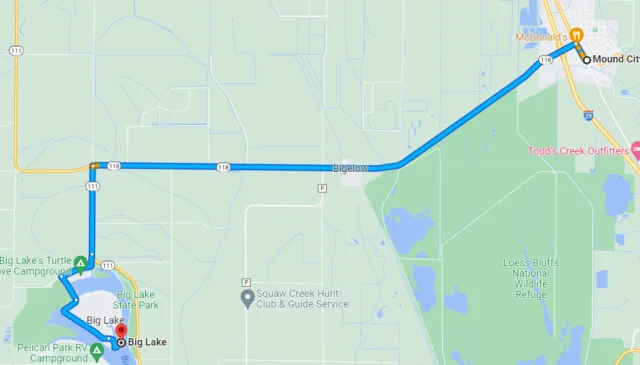
This combination of aquatic and marsh habitat, nestled near one of North America's great rivers, places the park in a crucial location along the Mississippi and Central flyways. The park's relatively small 407 acres are magnified by its adjacency to the much larger Loess Bluffs National Wildlife Refuge (formerly Squaw Creek), creating an enormous, protected ecological corridor that is irresistible to migratory birds.
The birdwatching opportunities at Big Lake are spectacular, especially during the spring and fall migrations. The park and its surrounding areas become a temporary home for thousands of migrating waterfowl, with sightings of vast concentrations of Snow Geese being the most celebrated event, though species like Pintails, Teals, Mallards, and American White Pelicans are also common.
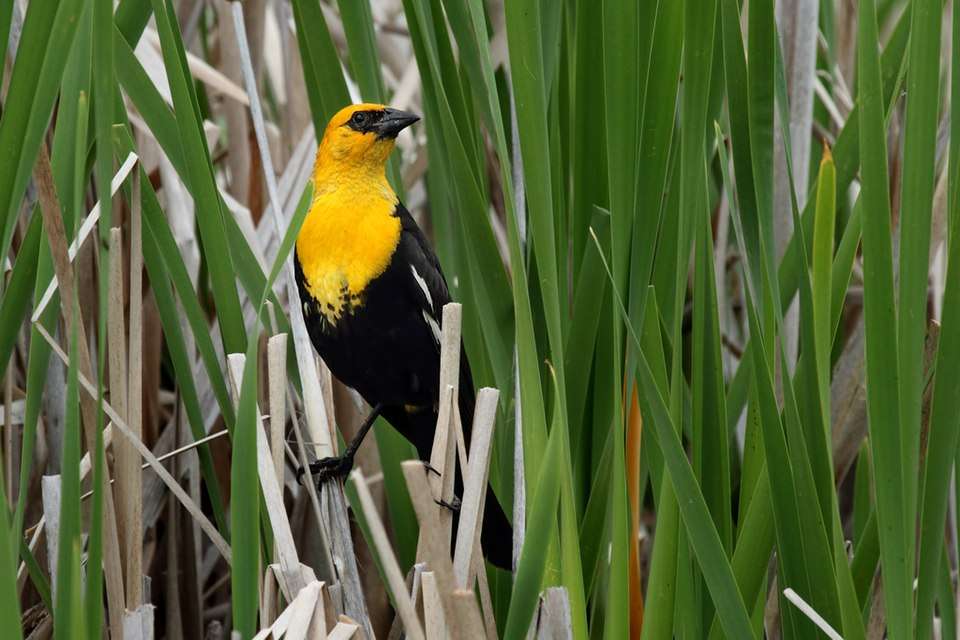
The rich marshland attracts a diversity of wetland species, including Great Blue Herons, Yellow-headed Blackbirds, Bitterns, Soras. Furthermore, Big Lake State Park is a prime spot for viewing raptors, particularly during the winter months, when birders flock to see Bald Eagles as they hunt over the open water for food. With over 200 bird species recorded in the area, the park offers a dynamic and rewarding experience for birders year-round.
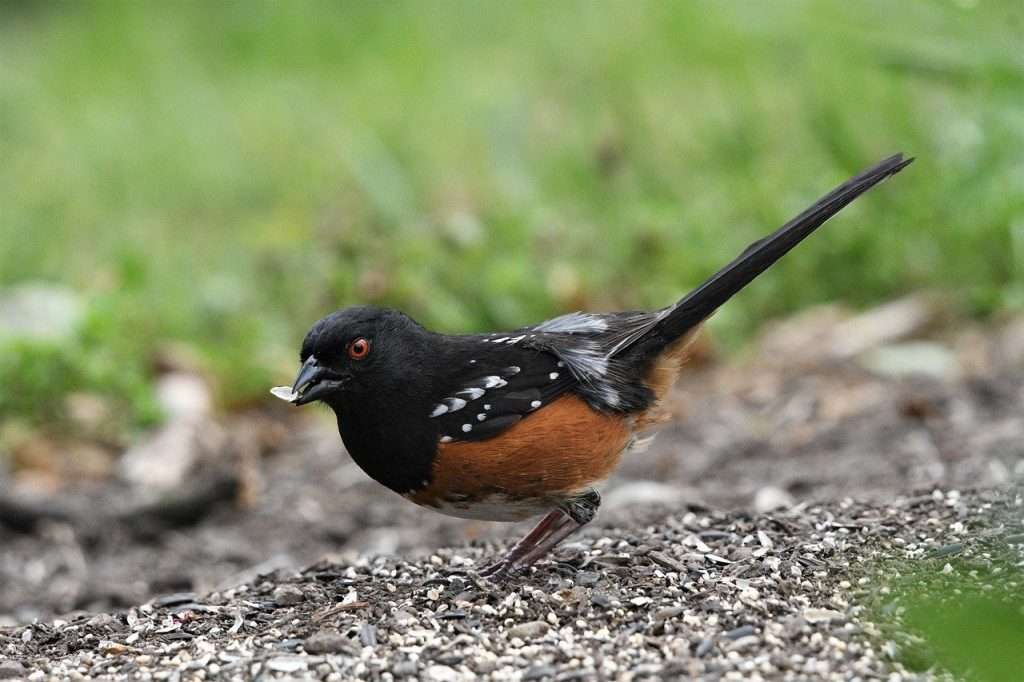
Target Birds
Great Horned Owl
Hooded Merganser
Franklin's Gull
Shore Lark
Harris's Sparrow
Spotted Towhee
The Missouri State Parks website advises that there are lots of recreational activities at this park.
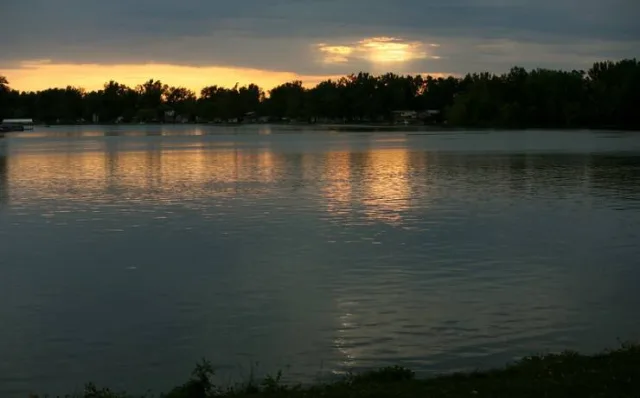
Riverlands Migratory Bird Sanctuary
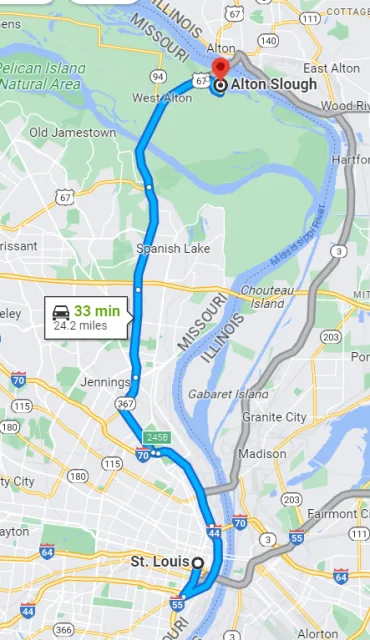
The Riverlands Migratory Bird Sanctuary, managed by the U.S. Army Corps of Engineers, is an ecologically critical 3,700-acre tract situated just 20 minutes north of St. Louis in West Alton, Missouri. Its geography is defined by its prime location at the very confluence of the mighty Mississippi and Missouri Rivers, placing it squarely within the vital Mississippi Flyway—a major north-south migratory corridor.
The landscape is a diverse mosaic of bottomland habitats, including open wetlands, managed marshes, restored wet prairie, and riparian forest along the Ellis Bay backwater. This strategic position, coupled with the open water created near the Melvin Price Locks and Dam, makes Riverlands an essential stopover and wintering ground, funneling a high concentration of avian life into a manageable and highly accessible viewing area.
As a result of this unique geography, Riverlands Migratory Bird Sanctuary offers spectacular year-round birdwatching that draws over 300 species to its trails. Winter is perhaps the most famous season, attracting one of the nation's largest concentrations of Bald Eagles and large flocks of majestic Trumpeter Swans which gather in the open water of Ellis Bay.
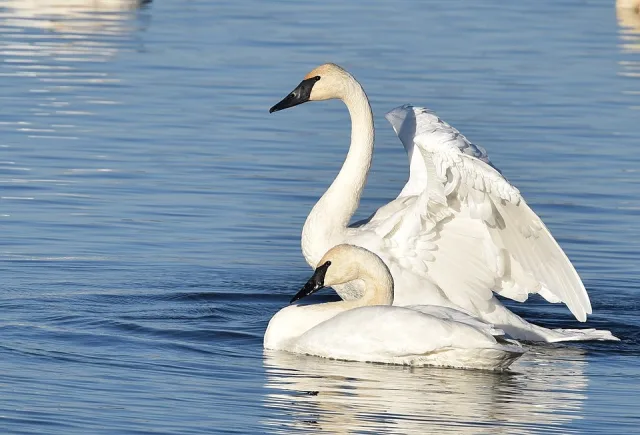
Spring and fall migrations bring an abundance of waterfowl, including various species of ducks and geese, as well as shorebirds and gulls. The protected wetland and prairie habitats are crucial for breeding and migrating songbirds, while the Audubon Center at Riverlands provides the perfect gateway with viewing platforms, scopes, and over eight miles of trails, ensuring that birders can easily access and observe this rich avian spectacle.

Target Birds
Least and Black Tern
Barn and Cliff Swallow
Wilson's Phalarope
Common Nighthawk
Stilt Sandpiper
American Redstart
The Audubon website gives a lot of information about the area and the center, including extensive maps.
Smithville Lake
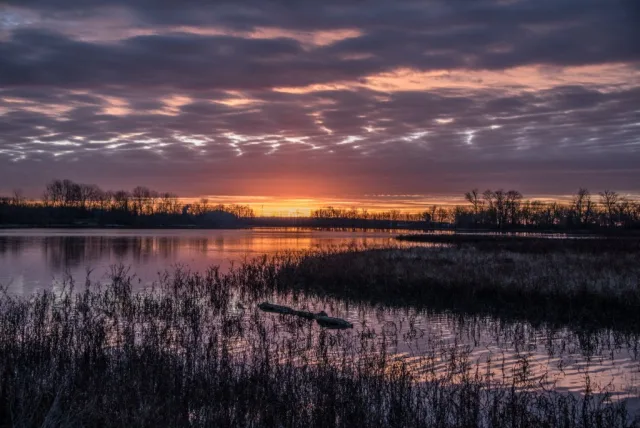
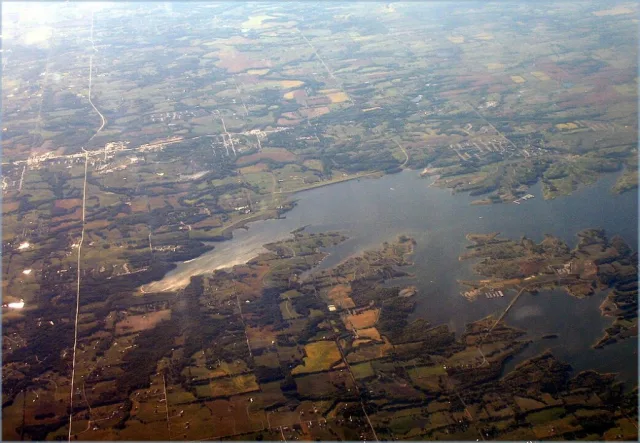
Smithville Lake, a prominent feature of the Kansas City metropolitan area, is a large, 7,190-acre reservoir created by the U.S. Army Corps of Engineers on the Little Platte River, spanning Clay and Clinton counties in northwestern Missouri. The lake's geography is defined by its extensive shoreline—over 175 miles—which winds through a landscape of rolling hills and dense woodlands, offering a mix of aquatic, forest, and open field habitats.
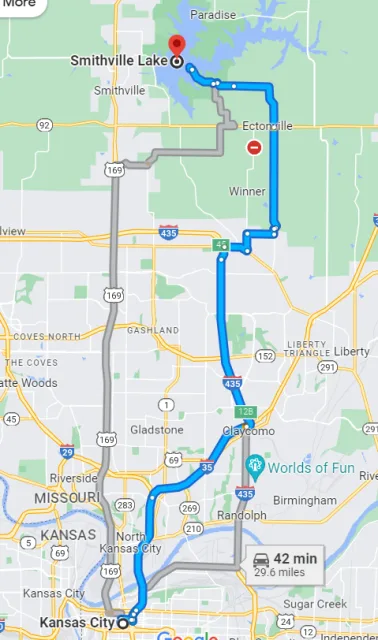
Its primary purpose is flood control, but the surrounding public lands, managed by the Corps and the Missouri Department of Conservation (MDC), create a crucial ecological buffer. These diverse environments—from submerged aquatic structures in the reservoir to the trails winding through the upland forests—provide the foundation for excellent birdwatching, especially given its location within a major migratory flyway.
The diverse habitats around Smithville Lake make it an exceptional year-round birdwatching destination, particularly for viewing waterfowl and raptors. The Honker Cove Waterfowl Refuge, though seasonally closed to public entry from mid-October to January, serves as a vital wintering and resting area, drawing large numbers of ducks and geese.
Most notably, the lake is one of the premier spots in the region for winter Bald Eagle viewing; the Missouri Department of Conservation specifically lists Smithville Lake as a top location for "Eagle Days" events, as the open water provides essential fishing grounds when other lakes freeze over. Birders can also look for wading birds, woodland species like woodpeckers and sparrows in the numerous park and trail areas, and various gulls and cormorants near the main body of the lake.
Target Birds
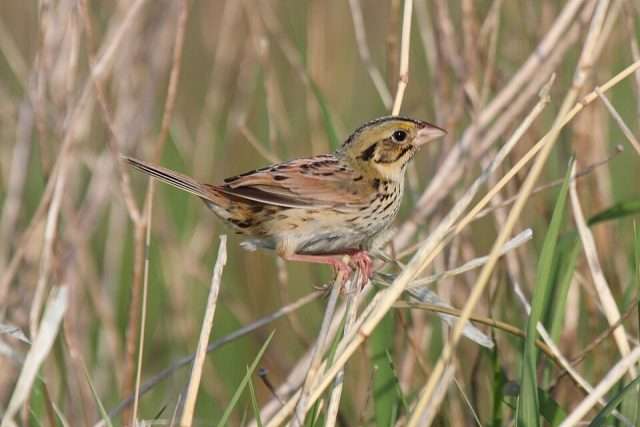
Henslow's and Harris's Sparrow
Tennessee Warbler
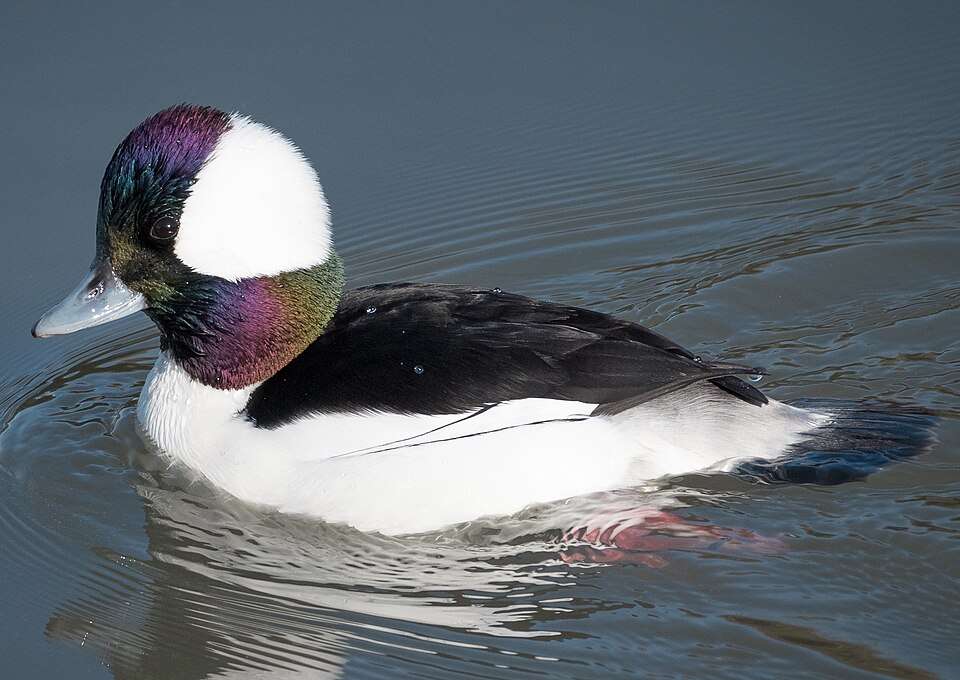
Bufflehead
Boneparte's Gull
Shore Lark
- Ross's Goose
The Clay County website has information about a range of activities at the lake and all the appropriate fees.
Otter Slough CA
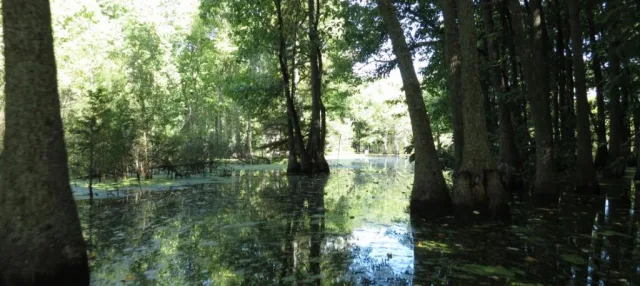
Otter Slough Conservation Area (CA) is a vital, nearly 5,000-acre wetland sanctuary situated in the "Bootheel" region of southeastern Missouri, specifically in Stoddard County near the town of Dexter. Geographically, it is a crucial remnant of the vast bottomland hardwood timber and cypress/tupelo swamp complex that once dominated the Mississippi Lowlands.
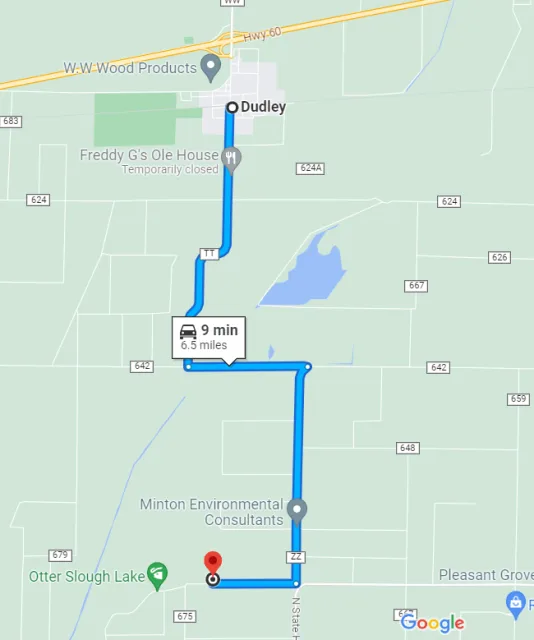
The geography of the area is characterized by an interconnecting network of sloughs, open marsh, and flooded timber, much of it shaped by the historic New Madrid earthquakes of 1811-1812. As one of the few remaining native Bootheel swamps, Otter Slough provides essential deep-south habitat and is managed by the Missouri Department of Conservation to maintain this unique mix of hydric hardwood forest, swamp, and moist soil units.
Otter Slough CA is considered one of Missouri's premier wetland birding hotspots, primarily managed for migratory and wintering waterfowl. During the fall and winter migrations, birdwatching opportunities are spectacular, with duck numbers often reaching the tens of thousands and snow geese counts sometimes exceeding 250,000.
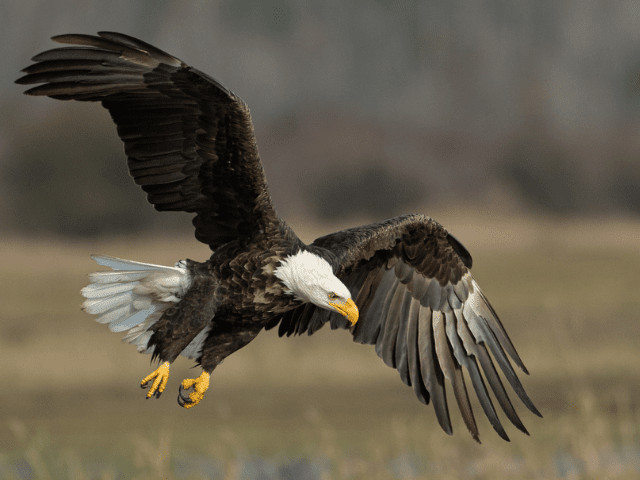
Birders can look for a wide variety of ducks, geese, and swans, as well as raptors like the Bald Eagle, which frequently visits during the colder months. Beyond the large flocks, the area's diverse habitat supports numerous wading birds and shorebirds, including species such as Black-necked Stilts and various herons and egrets. Observation decks and trails offer excellent vantage points for visitors to explore this beautiful, ecologically significant piece of Missouri's natural heritage.
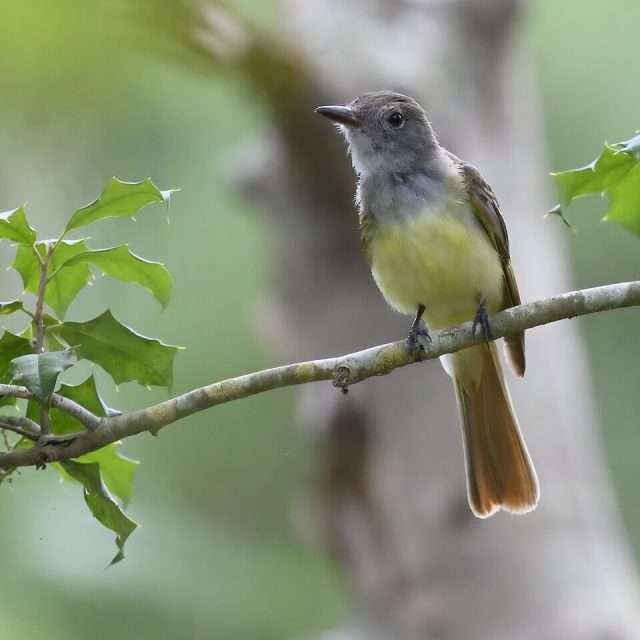
Target Birds
Fulvous Whistling-Duck
Blackpoll, Prothonotary and Orange-crowned Warbler
Willow and Great Crested Flycatcher
Yellow-billed Cuckoo
Long-billed Dowitcher
The website page on the Otter Slough is as detailed as the other DOC pages.
Swan Lake NWR
Situated in north-central Missouri, Swan Lake National Wildlife Refuge is a vital 10,795-acre wetland complex established primarily to serve as a key stopover for migratory birds. Geographically, the refuge lies in Chariton County, nestled within the floodplain of the Grand River near its confluence with the Missouri River, an area prone to seasonal flooding which enriches its wetland habitats.
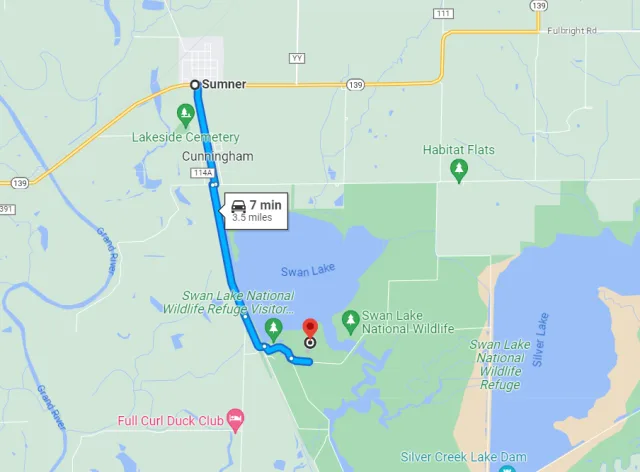
The landscape is a diverse patchwork of open water, bottomland hardwoods, grasslands, and, crucially, managed wetlands and moist-soil units. This unique combination of habitats—from the shallow, muddy pools of Swan Lake itself to the surrounding forested river banks—is strategically managed by the U.S. Fish and Wildlife Service to maximize its appeal to migrating species, particularly waterfowl.
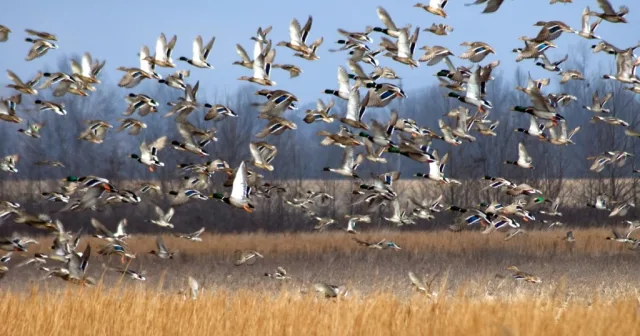
For birdwatchers, Swan Lake NWR offers spectacular opportunities, especially during the spring and fall migrations when the refuge truly comes alive. It is most famous for hosting massive congregations of ducks and geese; historically, it was a primary wintering area for the Eastern Prairie Population of Canada Geese, and today it still sees tens of thousands of migratory waterfowl, including Northern Pintails, Mallards, and various teals.
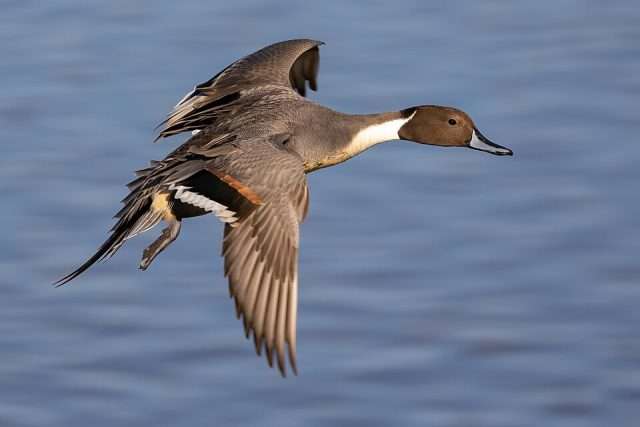
Beyond the dabbling ducks, visitors can look for American White Pelicans and a variety of shorebirds like Greater Yellowlegs that take advantage of the exposed mudflats created by seasonal water drawdowns. The refuge is also a prime location to view raptors, with Bald Eagles easily spotted year-round, often in high concentrations during the late fall and winter as they follow the waterfowl populations. Access via the seasonal wildlife drive and observation overlooks provides excellent chances for viewing the over 240 avian species recorded here.
Target Birds
Chimney Swift
Bell's and Philadelphia Vireo
Marsh Wren
Brown Thrasher
Willet
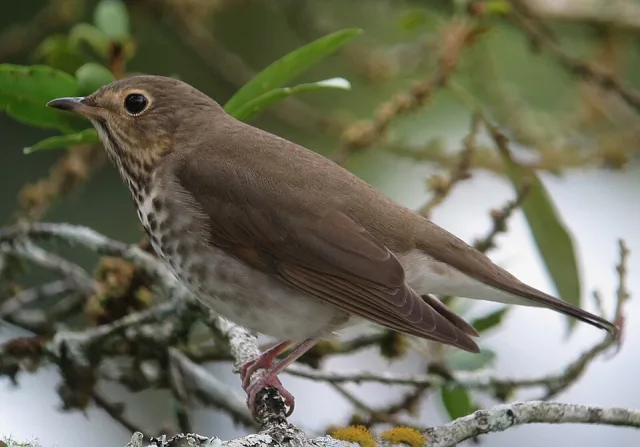
- Swainson's Thrush
The U.S. Fish and Wildlife Service manages this duck refuge and is a good place to plan a trip.
Wrapping Up
In conclusion, Missouri offers an immense range of birding experiences, and the sheer variety found across the state ensures that every trip yields new discoveries. Whether you prefer the deep woodlands and numerous water bodies of the eastern side, such as the August A. Busch Memorial Conservation Area—a haven known for its array of warblers, vireos, and plentiful waterfowl—or the dynamic western environment of Smithville Lake, which offers spectacular seasonal views of migratory species like pelicans, cormorants, and wintering Bald Eagles, the opportunities are endless.
By exploring these varied habitats, from the forest trails of Busch to the extensive shoreline of Smithville, birdwatchers can truly appreciate the Show-Me State's vital role along the North American flyways, ensuring that Missouri remains a must-visit destination for enthusiasts year-round.
