


Shelburne Bay Park
Shelburne Bay Park is a valuable birding location situated on the eastern shore of Lake Champlain in Shelburne, Vermont, just a short distance south of Burlington. Geographically, the ninety-three-acre park is strategically positioned at the confluence of diverse habitats, making it a hotspot for both resident and migratory species. It features over a mile of lake frontage, offering expansive views of the open water, which is critical for observing waterfowl. The park's interior consists of forested ledges and open meadows, and it is bordered to the south by the LaPlatte River Marsh Natural Area, a 211-acre wetland preserve that contributes significantly to the local avian diversity. This varied terrain—combining large lake bay, upland forest, and riverine marsh—creates multiple ecological niches for birdlife.

The varied geography ensures excellent bird watching opportunities throughout the year, especially during the spring and fall migrations. The open waters of Shelburne Bay are vital wintering and stopover grounds for a variety of ducks and geese, with common sightings including Common Goldeneye, Bufflehead, and Common Mergansers, alongside resident gulls like the Ring-billed and Herring Gull.

Rarities, such as Caspian Terns and unusual waterfowl, often pop up on the bay. Inland, the park's trails wind through woodlands and over Allen Hill, providing elevated views and the chance to spot forest-dwelling and migratory songbirds. The adjacent LaPlatte River Marsh further boosts the bird list, providing sanctuary for herons, marsh birds, and species adapted to the floodplain forest, cementing Shelburne Bay Park as one of the Champlain Valley's most reliable and rewarding birding spots.
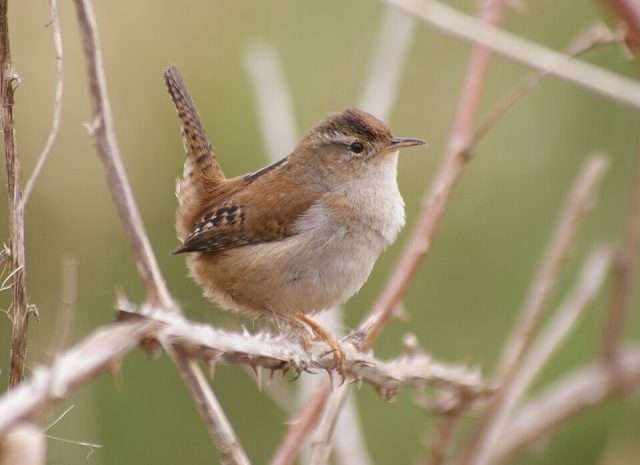
Target Birds
Black-crowned Night Heron
Belted Kingfisher
Goosander
Marsh Wren
Osprey
American Redstart
Common Goldeneye
Green Mountain Audubon has a great article about the area.

Button Bay State Park
Button Bay State Park is a premier location for bird watching in the Champlain Valley, situated on a dramatic bluff overlooking the vast expanse of Lake Champlain in Ferrisburgh, Vermont. The park's geographic position is its greatest asset for birders, as it lies directly along the Atlantic Flyway, a major migratory route for North American birds. The park encompasses a diverse mix of habitats, including open shoreline and cliffs, former farmland that has grown into old fields and shrubby thickets, and a tract of mature hardwood forest known as the Button Point Natural Area. This variety of cover provides both excellent nesting grounds for resident species and a critical stopover point for thousands of migrating birds.

The unique habitats at Button Bay offer birders the chance to observe a remarkable checklist of species, particularly during the spring and fall migration periods. The lake-front bluffs serve as an exceptional lookout for waterbirds—birders can scan the open water of Lake Champlain for species of ducks, including occasional rarities like scoters, as well as Common Loon and Horned Grebe.
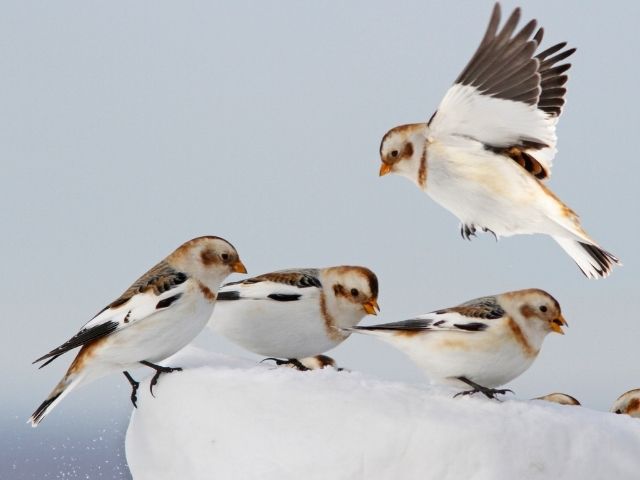
The adjacent forested areas, meanwhile, are magnets for migrant passerines (songbirds) and raptors. Look for species like Bald Eagle and Osprey fishing over the bay in summer, and keep an eye on the open fields where species like the Snow Bunting may be spotted in the winter or during migration. The park also hosts nature programs, such as "Birds of Dinnertime," that cater to bird enthusiasts.
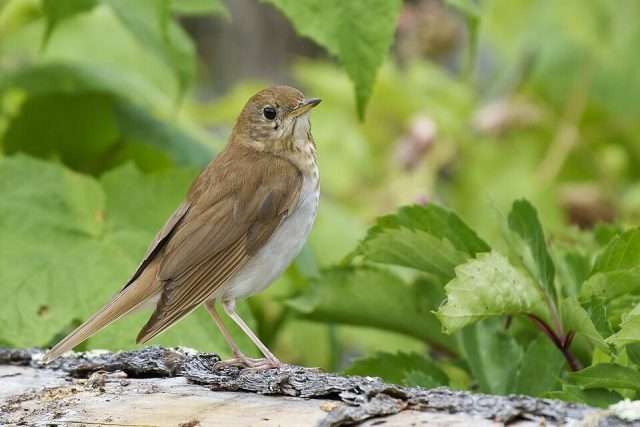
Target Birds
Warbling Vireo
Bobolink
Caspian Tern
Great Northern Diver
Veery
Red-breasted Merganser
Brown Thrasher
Scarlet Tanager
Northern Harrier
Vermont State Parks has information about facilities, opening times and available programs at the park.

Missisquoi NWR
The Missisquoi National Wildlife Refuge (NWR) is a crucial component of Vermont's birding landscape, located strategically on the eastern shore of Lake Champlain, near the U.S.-Canada border. Spanning over 7,200 acres, the refuge encompasses the majority of the Missisquoi River delta, where the river meets Missisquoi Bay. This geography creates a unique and diverse mix of habitats, including expansive freshwater marshes, managed impoundments, the largest intact floodplain forest in the Northeast, and pockets of upland woods and grassland. Its designation as a Wetland of International Importance under the Ramsar Convention underscores the ecological significance of this dynamic water-rich environment, making it a powerful magnet for a vast array of avian life throughout the year.

As a sanctuary along the Atlantic Flyway, Missisquoi NWR is an unparalleled bird-watching destination, having documented over 200 species. The fall migration is particularly spectacular, with up to 25,000 ducks, geese, and other waterfowl converging on the wetlands for rest and feeding, including Wood Ducks, Mallards, and various teals.

Critically, the refuge hosts Vermont's only known nesting population of the state-endangered Black Tern and a significant number of nesting Osprey and Bald Eagles, often visible from the Missisquoi River's edge. Birders can explore the refuge via five public trails, including boardwalks through the marshes, and by paddling the Missisquoi River and its creeks for intimate views of wading birds like the Great Blue Heron at their large rookery on Shad Island.
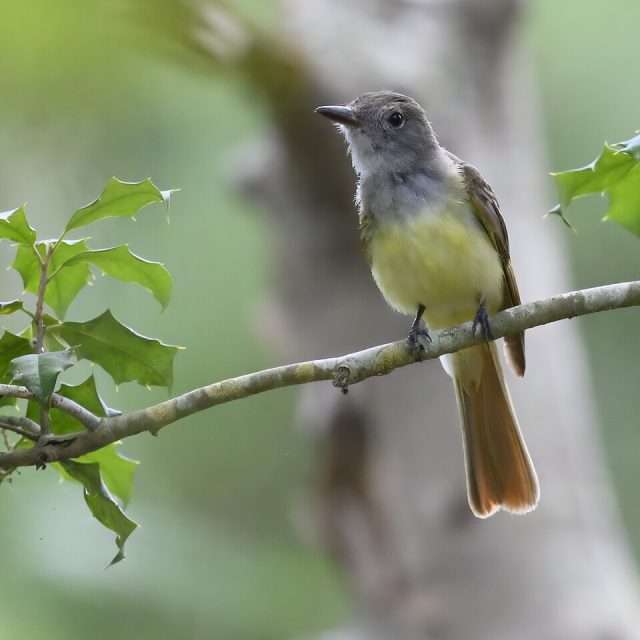
Target Birds
Ovenbird
Rose-breasted Grosbeak
Bald Eagle
Warbling Vireo
American Bittern
Great Crested Flycatcher
Swamp Sparrow
The Friends of the Missisquoi NWR has a great website with everything you need to know about the area.
Delta Park IBA
The 55-acre Delta Park Important Bird Area (IBA) is a geographically critical birding spot in northwestern Vermont, situated in the town of Colchester at the mouth of the Winooski River where it flows into Lake Champlain. This unique location encompasses a diverse array of habitats within a small area, including a river bottom delta, associated marshy wetlands, floodplain forest, and natural sandy beaches along the lakeshore. Its position at the confluence of a major river and the largest lake in New England makes it an essential ecological transition zone, acting as a migratory corridor and crucial stopover site for numerous bird species. The park is bisected by the popular Colchester Bikepath, which provides an elevated vantage point for observing the surrounding natural communities.

As a designated Important Bird Area, Delta Park is celebrated for its exceptional birdwatching opportunities, boasting a checklist of over 250 species, which places it among the top birding locations in Vermont. It is especially vital during spring and fall migrations, serving as a rest and refueling station for large concentrations of waterfowl, shorebirds, and passerines.
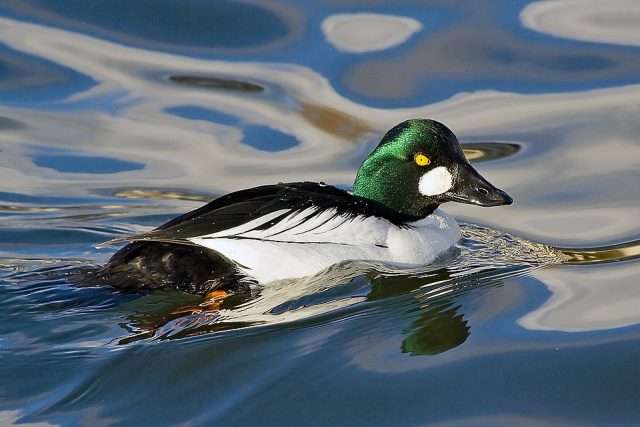
Birders can anticipate seeing various ducks like Common Goldeneye and Hooded Merganser, wading birds such as Great Blue Herons and Great Egrets, and an impressive list of shorebirds including Pectoral Sandpipers and Dunlin when lake levels are favorable. The floodplain forests and thickets host a parade of migrating songbirds, from Warblers and Vireos to Thrushes, making the park a thrilling and easily accessible destination for visitors throughout the year.
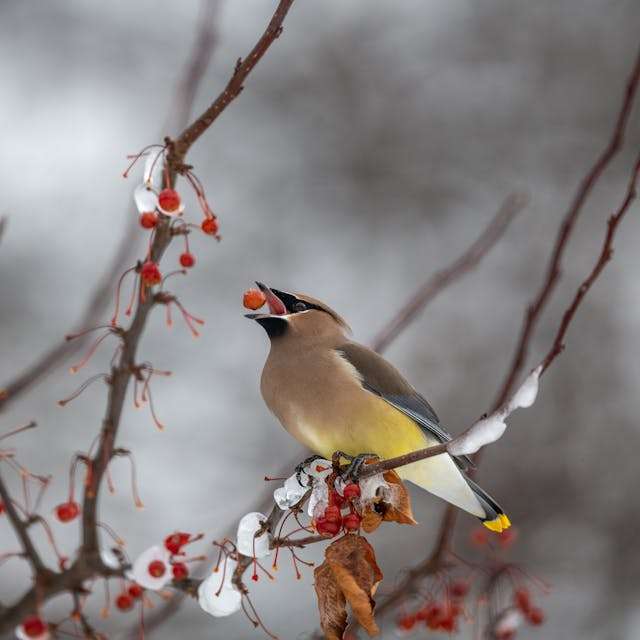
Target Birds
Wilson's Snipe
Cedar Waxwing
Baltimore Oriole
Least Sandpiper
Canada, Blackpoll and Magnolia Warbler
Alder Flycatcher
Indigo Bunting
Green Mountain Audubon has interesting details about the IBA status of the park.

Herrick's Cove IBA
Herrick's Cove Important Bird Area (IBA) is a vital ecological site situated in the town of Rockingham, Vermont, where the Williams River converges with the Connecticut River. This geography creates a classic river delta and associated riparian zone, offering a mosaic of habitats crucial for a wide variety of bird species. The land encompasses approximately 395 acres of diverse terrain, including emergent marshes, forested riverine floodplain, alder swamp, mudflats, and adjacent agricultural fields. This unique confluence of water and land along the major migratory corridor of the Connecticut River makes the cove a rich stopover for birds traversing the Atlantic Flyway, ensuring plentiful sightings throughout the year.

As a premier birding location in the Middle Connecticut River Valley, Herrick's Cove offers exceptional bird watching opportunities with a recorded species list exceeding 225. It is especially renowned as an important staging area during the spring and fall migrations, when large numbers of waterfowl, including various species of ducks, grebes, and Common Mergansers, utilize the open water and marshes for resting and feeding. Birders frequently spot raptors like Osprey and Bald Eagles—the latter of which has a known nesting site nearby—as they hunt over the river.
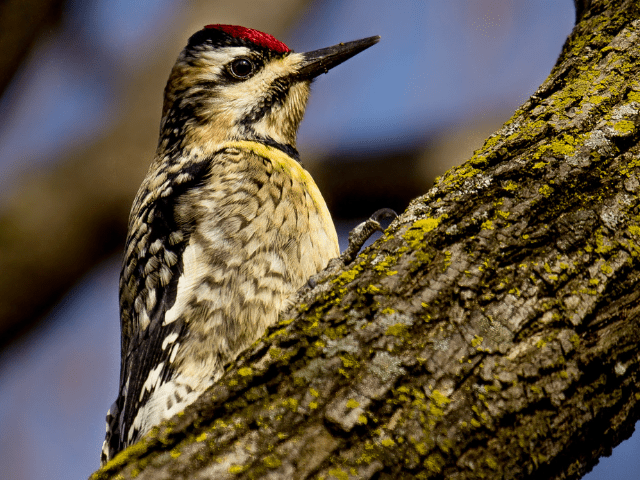
Additionally, the varied shoreline and floodplain forests attract a fantastic array of migratory landbirds, with Warblers and Thrushes being common sightings in May. Its flat, accessible terrain also makes it a relaxing and rewarding location for birders of all experience levels.

Target Birds
Chestnut-sided Warbler
Yellow-bellied Sapsucker
Hermit Thrush
Broad-winged Hawk
Northern Waterthrush
Solitary Sandpiper
Greater and Lesser Yellowlegs
Audubon Vermont has a great article about how it co-ordinates the chapters in Vermont to protect areas like this.

Berlin Pond IBA
Situated just outside of Vermont’s capital city, Montpelier, the Berlin Pond Important Bird Area (IBA) is a crucial natural oasis within a relatively developed part of Central Vermont. This approximately 900-acre protected area is centered on the pristine, 289-acre Berlin Pond, which serves as the sole source of drinking water for Montpelier and portions of the town of Berlin. The geography of the IBA is defined by this undeveloped, deep mountain lake at an elevation of 975 feet, surrounded by a watershed of conserved lands that include mature forests, wetlands, cedar swamps, and vernal pools. The shoreline is mostly undeveloped, a key factor in maintaining water quality and providing undisturbed habitat. For this reason, the use of internal combustion motors on the pond is strictly prohibited, ensuring a quiet, natural environment ideal for sensitive bird species.

The conservation status of the Berlin Pond IBA translates directly into exceptional bird watching opportunities, particularly for waterbirds and raptors. The undeveloped shoreline and clear, motor-free waters provide ideal breeding and foraging conditions for iconic species. It is a reliable location to observe the Common Loon, a powerful symbol of wilderness, as well as the secretive Pied-billed Grebe and various species of waterfowl.

The dense surrounding forests and wetlands are home to marsh birds like the Sora and a variety of nesting songbirds. Furthermore, the area is critical habitat for birds of prey, notably the American Goshawk, and the surrounding protected watershed is key to maintaining the high water quality and diverse ecosystems that support the entire avian community. Birders can enjoy views from a small access area or by exploring the perimeter on foot along nearby trails, such as those on Irish Hill, which offer excellent perspectives of the surrounding forest canopy.

Target Birds
Black-throated Green and Black & White Warbler
Bufflehead
Lesser Scaup
Boneparte's Gull
Greater White-fronted Goose
Brown Creeper
Peregrine Falcon
Snow Bunting
The article about IBA on the Vermont Audubon site also includes Berlin Pond.

Charlotte Wildlife Refuge
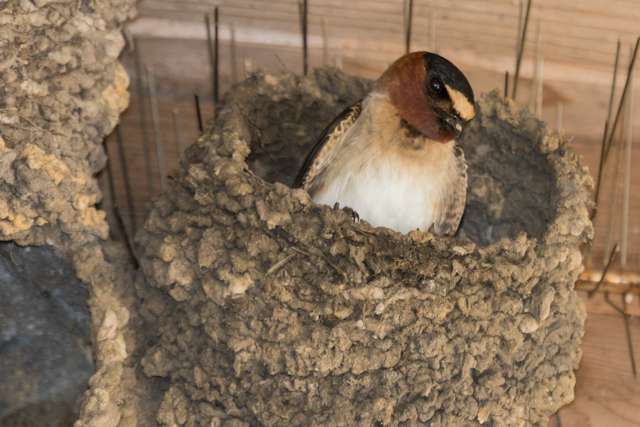
The Charlotte Park and Wildlife Refuge is a geographically rich haven located in the charming town of Charlotte, Vermont, positioned just south of Burlington in the scenic Champlain Valley. Spanning 290 acres, the refuge's geography is a diverse mix of habitats: active agricultural fields and open meadows, pockets of early successional woodlands, and wetlands. This variety of terrain, coupled with its proximity to Lake Champlain and views of the Green Mountains and Adirondacks, contributes to its ecological significance. Well-maintained trails of packed earth and gravel wind through the property, offering easy access for passive recreation like walking and cross-country skiing, and allowing birders to move seamlessly between open fields and forested edges.

This mix of open and wooded habitats makes Charlotte Wildlife Refuge an excellent, if somewhat lesser-known, spot for bird watching, especially during the spring and fall migrations. Birders can look forward to seeing species characteristic of open fields and edges, such as Bobolinks, Eastern Towhees, and various sparrows.
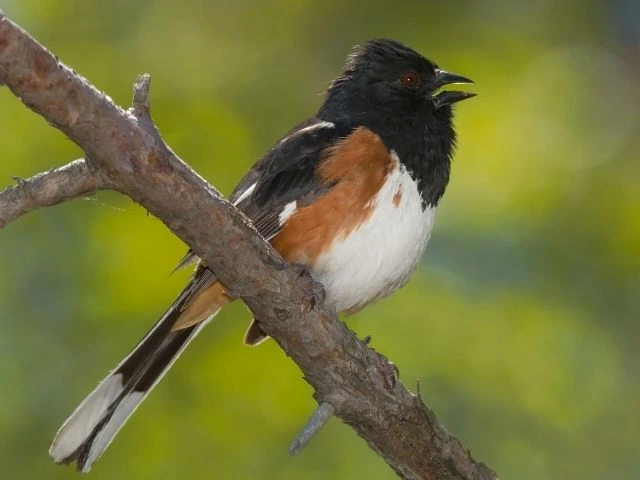
The woodland trails host numerous colorful migratory songbirds; enthusiasts have reported great success finding a variety of warblers, including Black-and-white, Chestnut-sided, and the exciting Canada Warbler, along with vireos and thrushes like the Wood Thrush. The refuge's varied ecosystems support a wide range of avian life, making it a productive stop for any birder exploring the rich natural offerings of the Champlain Valley.
Target Birds
Common Tern
Green Heron
Cliff Swallow
American Kestrel
Golden-crowned Kinglet
Vesper Sparrow
Red-necked Grebe
Charlotte Town has a great pdf available for visitors.

Paradise Park & Lake Runnemede

The convergence of lake, wetlands, and woods makes Paradise Park a renowned regional hotspot, with nearly 200 species recorded in the area. The park excels during the spring and fall migration seasons, when Lake Runnemede becomes a crucial staging area for a multitude of waterfowl (ducks, geese, and grebes) and neotropical songbirds like warblers, flycatchers, and orioles use the woodland edges and shrublands for rest and refueling.

Raptor enthusiasts are also rewarded, with regular sightings of Osprey, Northern Harrier, and even a nesting pair of Bald Eagles. The surrounding fields and grasses are excellent for spotting various sparrows and meadowlarks in the late summer and fall, offering ample opportunities for birders of all skill levels to find new species on the park's extensive network of trails and carriage roads.
Target Birds
Virginia Rail
Winter Wren
Blue-headed Vireo
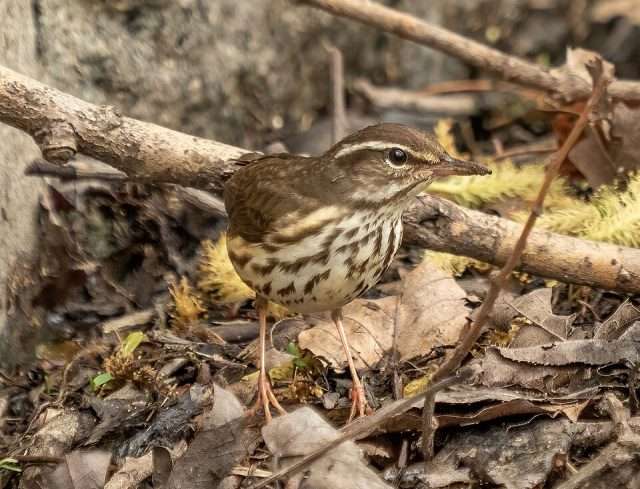
Louisiana Waterthrush
Evening Grosbeak
Pied-billed Grebe
Sharp-shinned Hawk
The Trailfinder website has great information about the area and walking tracks in it.
Dead Creek WMA
Situated in the flat, fertile Champlain Valley of western Vermont, the Dead Creek Wildlife Management Area (WMA) is widely celebrated as the state's "crown jewel" for birding. This nearly 3,000-acre tract, spanning parts of Addison, Panton, and Bridport, is defined by its managed wetland complex. The geography is relatively low and flat, where Dead Creek sluggishly flows through the landscape. Man-made impoundments and dams have been constructed to actively manage water levels, creating a crucial mosaic of shallow open water, dense cattail marshes, and adjacent uplands featuring agricultural fields and remnants of clayplain oak-hickory forest. This careful habitat management, including drawdowns to expose mudflats, makes the WMA an indispensable ecological stopover in the Atlantic Flyway.

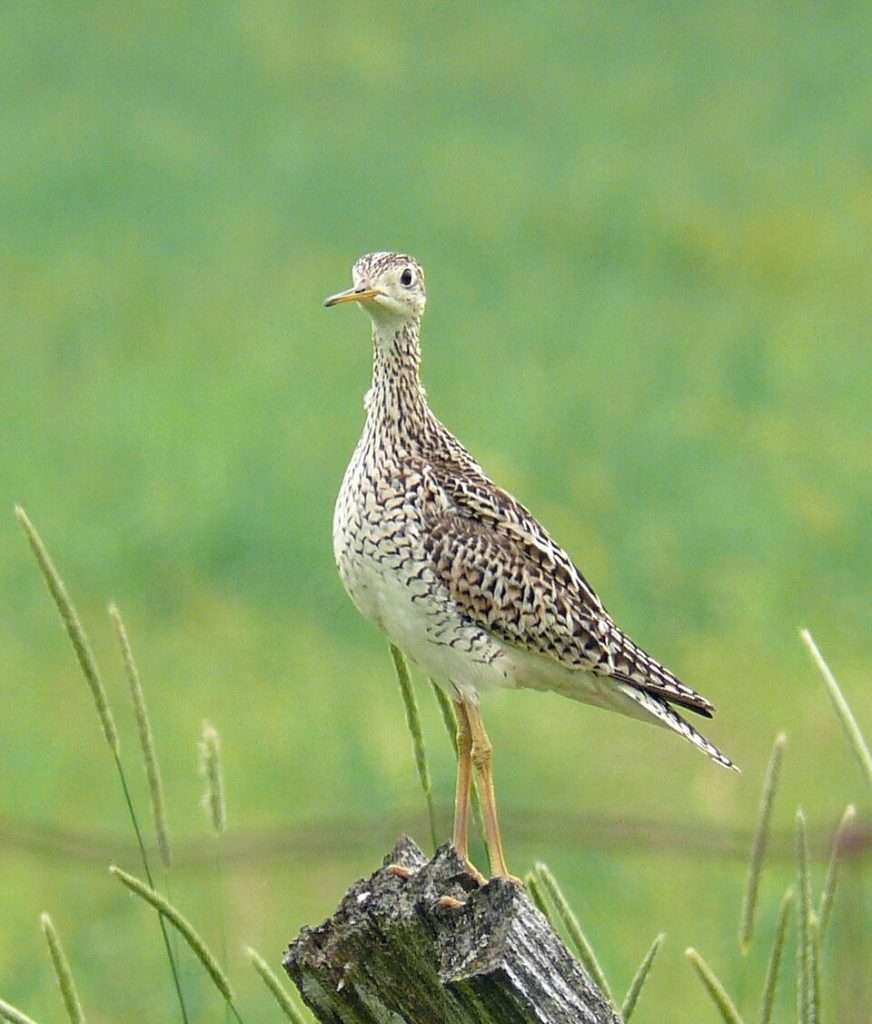
These varied habitats translate into extraordinary birdwatching opportunities, with over 200 species documented at Dead Creek WMA. The area is most famous for its spectacular fall migration, when tens of thousands of Snow Geese descend upon the fields and water, an unparalleled spectacle that draws visitors from across the region. Year-round, the wetlands host a range of waterfowl and marsh birds, including breeding populations of the state-endangered Black Tern and other threatened species like the Osprey and Upland Sandpiper.
Birders can also look for numerous species of ducks, migrating shorebirds attracted to the mudflats, and a variety of raptors, such as hawks and falcons, soaring over the mixed-use uplands. Access is excellent, with a visitor center, public viewing areas along Route 17, and trails and boat launches for deeper exploration.

Target Birds
Eastern Meadowlark
Baltimore Oriole
Nashville, Blackpoll and Pine Warbler
Shore Lark
Rough-legged Hawk
Lapland Bunting
Eastern Screech-Owl
The VFWD has information about the Visitor's Center and is a good place to start.

Wrapping Up
Vermont offers a truly disproportionate wealth of birding experiences for its small size, thanks to its extensive forested mountains, vast Lake Champlain shoreline, and carefully managed Wildlife Management Areas (WMAs). From the boreal species like the Bicknell's Thrush high atop Mount Mansfield to the huge migrations of Snow Geese at Dead Creek WMA, the Green Mountain State provides year-round opportunities for bird enthusiasts. Whether you are seeking wetland specialties, northern forest gems, or the thrill of migration hot-spots, Vermont's diverse habitats—from the Northeast Kingdom bogs to the Champlain Valley's grasslands—cater to every level of birder.
Ultimately, the act of birding in Vermont is deeply tied to the state's strong ethic of conservation. The continued protection of these critical natural landscapes, often championed by the Vermont Fish & Wildlife Department and local Audubon chapters, ensures that both common and endangered species, such as the Bald Eagle and Peregrine Falcon, continue to thrive. We encourage all visitors to support these efforts and practice mindful, ethical birding to preserve the vibrant avian tapestry that makes Vermont a premier destination for wildlife observation.
Frequently Asked Questions
What is the most common bird in Vermont?
The Black-capped Chickadee is probably the most recorded bird in the state. American Robins, Blue Jays and Northern Cardinals are also very common.
What is the state bird of Vermont?
The Hermit Thrush is the state's adopted bird.
What are the migratory birds of Vermont?
Birds that migrate to or through Vermont include: American Robin, Yellow-rumped Warbler, Scarlet Tanager, Red-winged Blackbird.
