

Following my recent post on Iowa’s prairie restoration history, a reader reached out with an exciting project:
"My husband and I have approximately 40 acres in Southwest Iowa, previously hayed, which we would like to restore for wildlife. We are looking for information and assistance to support birds, pheasants, quail, and other wildlife."
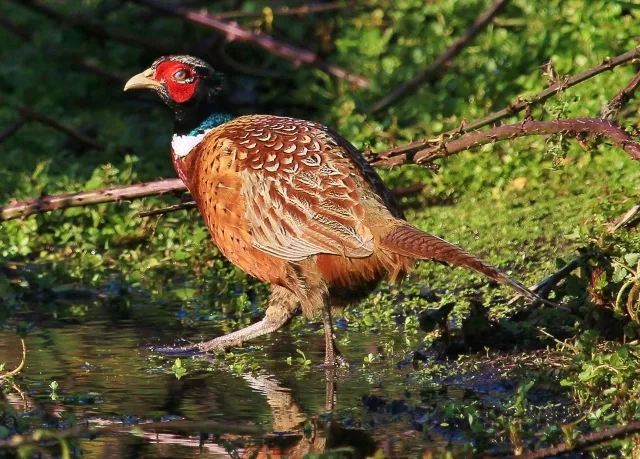
First off, congratulations! Taking 40 acres of former hayland and dedicating it to wildlife is one of the most rewarding land stewardship projects you can undertake. Southwest Iowa—with its rolling hills and proximity to the Loess Hills—holds immense potential for grassland birds, Northern Bobwhite quail, Ring-necked Pheasants, and native pollinators.
Converting cool-season hayfields (like brome, fescue, or orchardgrass) into diverse, high-functioning wildlife habitat requires intentional planning, clear steps, and leveraging local technical and financial resources. Here is a comprehensive roadmap for transforming your 40 acres.
1. Why Hayland Needs Transformation for Wildlife
While a green hayfield looks lush to human eyes, cool-season pastures dominated by smooth brome, tall fescue, or orchardgrass present severe challenges for upland gamebirds:
Mat-like Sod: Brome and fescue form dense root mats on the ground. For tiny quail chicks (which are no bigger than a bumblebee at hatch), walking through brome sod is like trying to march through a brick wall.
Lack of Bare Ground: Pheasants and quail need 30%–50% bare ground beneath the vegetative canopy to move easily, forage for seeds, and scratch for insects.
Low Insect Diversity: High-protein insects (grasshoppers, beetles, caterpillars) are essential for chick survival in their first 6–8 weeks. Monoculture hayland lacks the broadleaf flowering plants (forbs) needed to host high insect loads.
2. Designing Habitat for Pheasants, Quail & Songbirds
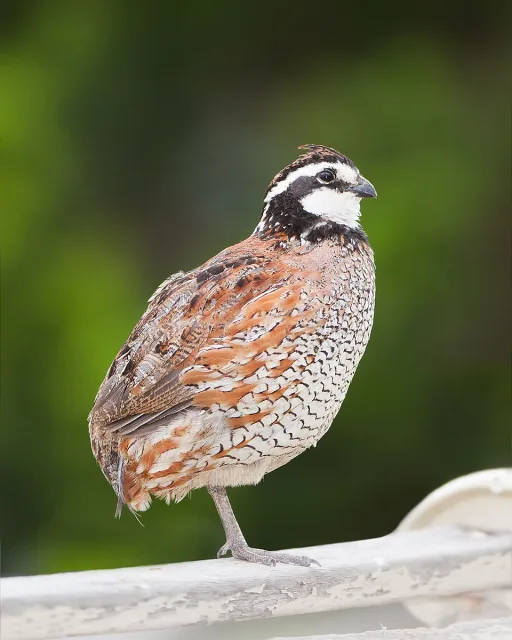
To support pheasants, quail, and grassland songbirds year-round, your 40 acres should offer a mosaic of four distinct habitat types:
A. Brood-Rearing & Nesting Cover (60%–70% of acreage)
Planting Mix: Seed a diverse mix of native warm-season bunchgrasses (Little Bluestem, Sideoats Grama, Prairie Dropseed, Big Bluestem, Indian Grass) combined with 15–20 species of native wildflowers/forbs (Black-eyed Susan, Coneflowers, Prairie Clover, Butterfly Milkweed, Goldenrod).
Why Bunchgrasses Matter: Unlike turf-forming cool-season grasses, native bunchgrasses grow in clumps, creating open channels at ground level where chicks can run, hide, and feed safely under a overhead leaf umbrella.
B. Winter Heavy Cover & Thermal Shelter (10%–15%)
In Southwest Iowa winters, wind and heavy snow are the biggest mortality factors for quail and pheasants.
Establish small thickets of native shrubs such as American Plum, Chokecherry, Elderberry, and Gray Dogwood.
High-density native grass plantings (e.g., Switchgrass or Indian Grass stands) also provide critical thermal shelter against drifting snow.
C. Covey Headquarters for Quail (10%)
Quail rarely venture more than 50–100 yards from woody cover ("covey headquarters").
Maintain or plant brushy covey sites every 5–10 acres across your property using native shrub clumps, hinge-cut low-quality timber, or loose brush piles.
D. Food Plots & Foraging Strips (5%–10%)
Plant narrow, linear food plots (grain sorghum/milo, sunflowers, soybeans, or corn) adjacent to thick brushy cover so wildlife can feed safely during ice and snow events without exposing themselves to avian predators like hawks.
3. Step-by-Step Conversion Strategy
Restoring hayland to native habitat is a multi-year process. Shortcuts often lead to hay grass reinvasion.
Year 1: Site Preparation & Herbicide Eradication
Spring Haying/Mowing or Burning: Remove the accumulated dead plant litter in early spring so green regrowth is uniform.
Chemical Elimination (Crucial Step): Cool-season grasses like brome and fescue are notoriously hard to kill. Apply a systemic glyphosate spray in late spring when the grass is 4–6 inches tall and actively growing.
Late Summer/Fall Follow-Up Spray: Smooth brome often rebounds in early autumn. A second late-summer or fall herbicide application ensures the root mass is eradicated before planting.

Year 2: Planting (Dormant Frost Seeding or No-Till Spring)
Dormant Winter Seeding (Dec–Feb): Broadcast seed over the prepped ground in winter. Snow melt and freeze-thaw cycles work the seeds into the topsoil naturally.
Spring No-Till Drilling (Apr–May): Use a specialized native seed drill fitted with agitator boxes designed for fluffy native grass seeds.
Mowing High: In summer, weed competition will be high. Mow the plot 8–12 inches high 2 to 3 times during the first growing season to keep sunlight reaching the slow-growing native seedlings.
Year 3 and Beyond: Long-Term Management
Native prairie plants spend their first 2 years building deep root systems. By Year 3, your site will erupt into bloom.
Maintain the habitat using rotational prescribed burning (burning 1/3 of the property every 3–4 years in early spring) or rotational strip disked firebreaks to keep brush from encroaching and maintain bare ground at the soil level.
4. Financial Assistance & Expert Guidance in Iowa
You do not have to plan or fund this alone. Iowa has some of the best conservation technical and financial assistance programs in the nation:
Financial Assistance Programs
USDA Conservation Reserve Program (CRP): CP2 (Native Grasses), CP33 (Habitat Buffers for Upland Birds), and CP42 (Pollinator Habitat) offer annual rental payments and cost-share dollars for ground preparation, seed, and planting.
Environmental Quality Incentives Program (EQIP): Administered by the NRCS, EQIP provides direct financial cost-sharing for prairie establishment, brush management, and prescribed burning.
Iowa DNR Prairie Resource Center & Wildlife Bureau: Offers technical support, seed advice, and wildlife planning specifically tailored to county-level soil conditions in Southwest Iowa.
Organizations to Contact Immediately
Pheasants Forever & Quail Forever Farm Bill Biologists: Iowa has dedicated PF/QF biologists stationed across Southwest Iowa. They will physically visit your property, evaluate your soil types, write a custom seed mix recommendation, and help enroll you in cost-share programs—free of charge.
USDA Natural Resources Conservation Service (NRCS) / Soil and Water Conservation District (SWCD): Located at your local county USDA Service Center.
Iowa Department of Natural Resources (DNR) Private Lands Wildlife Biologist: Experts in regional habitat restoration and prescribed burn planning.
Final Thoughts
A 40-acre parcel in Southwest Iowa is a ideal size for making a measurable impact on local wildlife populations. By breaking up the cool-season hay grass, planting a high-diversity native seed mix, and incorporating woody covey cover, you will soon hear the call of the Bobwhite quail and the morning song of Meadowlarks right in your own backyard.

Thanks to Marguerite for requesting more information about restoration in Iowa.