
In a country roughly the size of Colorado, you can find over 1,600 bird species in Ecuador. That is nearly twice as many as in the entire United States and Canada combined. For the American traveler, Ecuador is the ultimate "high-yield" destination. Thanks to the towering Andes, you can breakfast with Andean Condors in the high-altitude páramo, lunch with Toucan Barbets in the misty cloud forest, and fall asleep to the calls of Great Potoos in the Amazon—all in a single day’s travel.

The Three Pillars of Ecuadorian Birding
Ecuador’s geography is divided into distinct zones, each harboring a completely different set of "lifers."
1. The Northwest Chocó & Mindo (Cloud Forest)
Just two hours from the capital, Quito, lies the Mindo Valley. This is arguably the most famous birding spot on Earth. The humidity from the Pacific hits the Andes here, creating a moss-draped wonderland.
The Vibe: Hummingbird heaven.

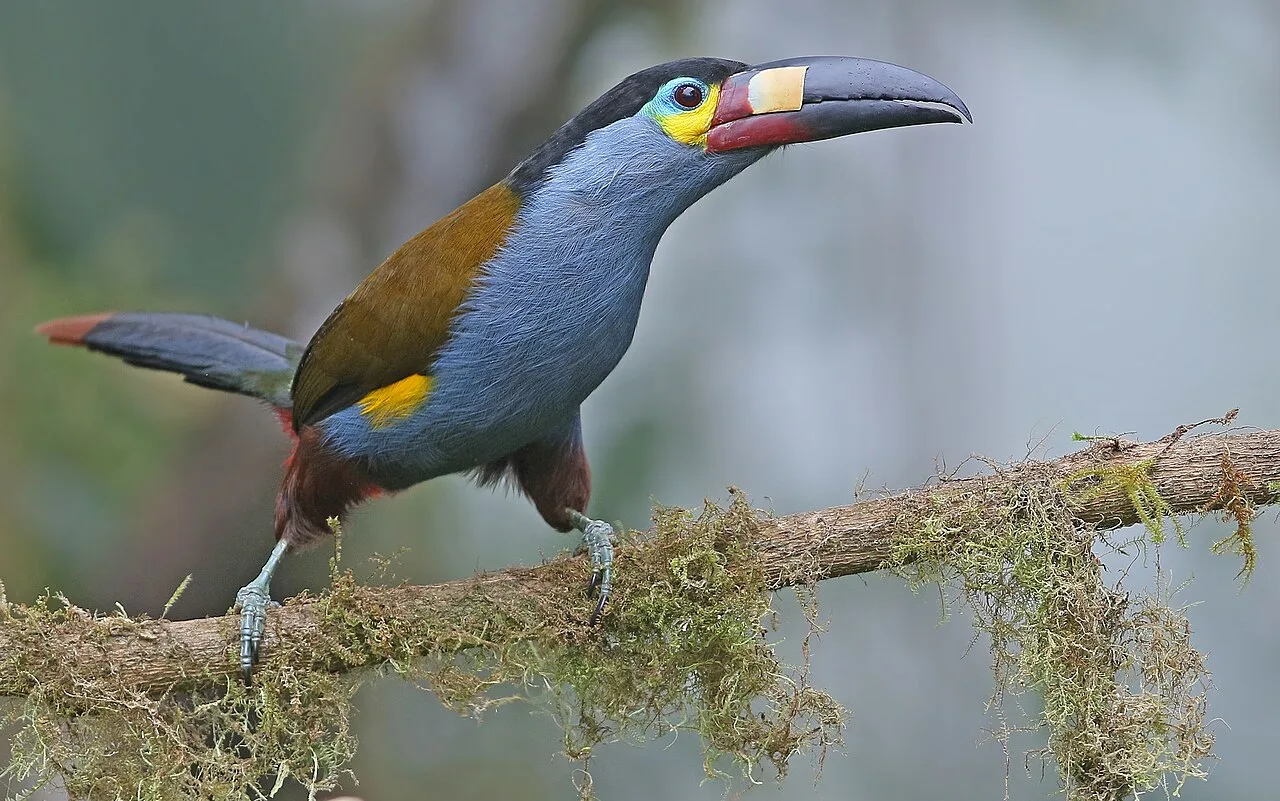
Andean Cock-of-the-rock Star Species: The Plate-billed Mountain-Toucan, the bizarre Long-wattled Umbrellabird, and the Andean Cock-of-the-rock, known for its neon-orange plumage and theatrical "leks" (mating displays).

2. The High Andes (The Highlands)
At elevations above 11,000 feet, the air is thin and the landscape is dramatic.
The Vibe: Majestic and wide-open.
Star Species: The Andean Condor (the world’s largest flying bird) and the Sword-billed Hummingbird, the only bird in the world with a beak longer than its body. Keep an eye out for the Giant Hummingbird, which is roughly the size of a swallow.

3. The Oriente (Amazon Basin)
Descending the eastern slopes leads you into the vast Amazonian lowlands.
The Vibe: Intense, lush, and loud.
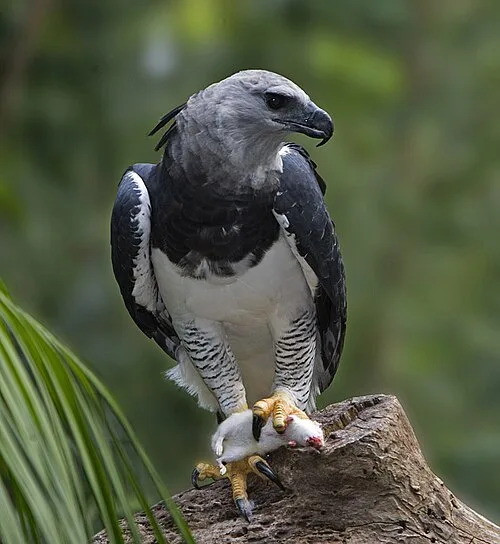
Star Species: Hoatzins (prehistoric-looking birds that eat leaves), Harpy Eagles, and colorful Macaws congregating at clay licks along the riverbanks.
Species Spotlight: The "Jewels" of the Equator
In Ecuador, you don't just look for birds; you look for colors.
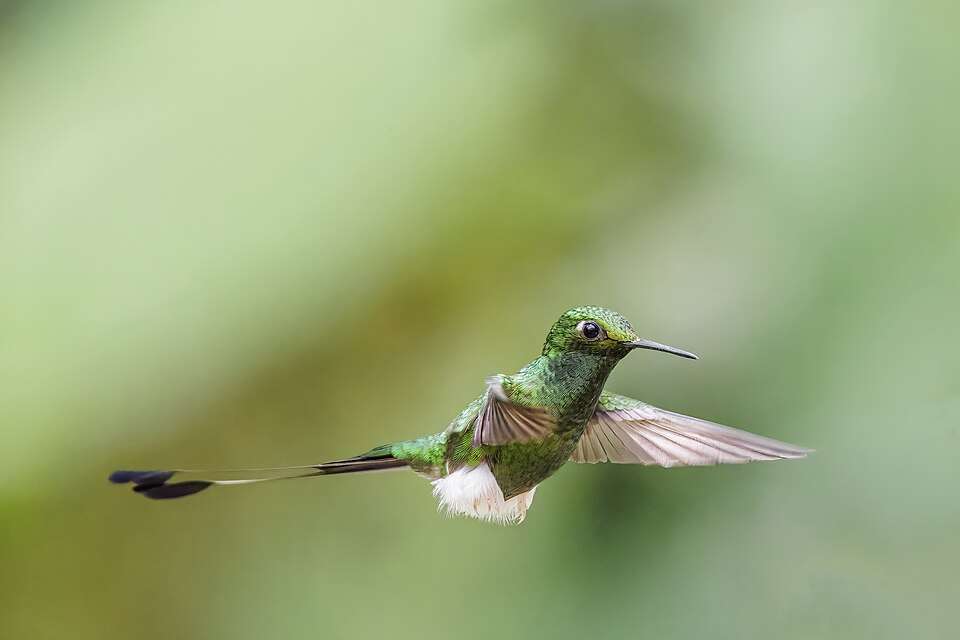
Hummingbirds: With over 130 species, Ecuador is the undisputed hummingbird capital. Look for the Booted Racket-tail (with its "tennis racket" tail feathers) and the Violet-tailed Sylph.
Booted Racket-tail Tanagers: These are the "skittles" of the bird world. The Glistening-green Tanager and the Paradise Tanager look as though they’ve been hand-painted with the brightest pigments imaginable.
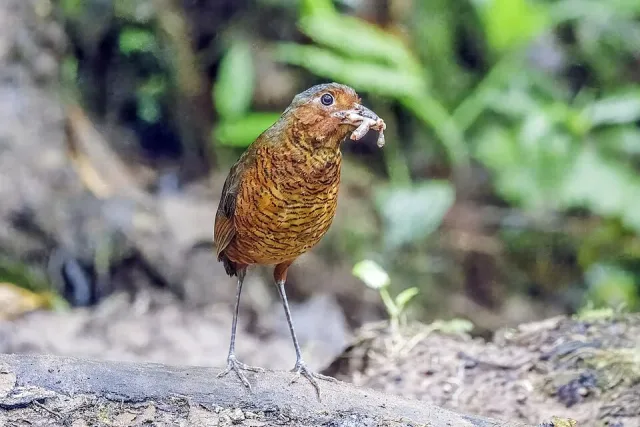
The "Antpitta" Phenomenon: Ecuador pioneered "Antpitta feeding." These shy, long-legged forest floor dwellers were once nearly impossible to see, but at reserves like Paz de las Aves, guides have "tamed" them with worms, allowing for point-blank views of species like the Giant Antpitta.

Giant Antpitta
Planning Your Trip: Logistics for U.S. Travelers
1. Getting There and Around
Most U.S. travelers fly into Quito (UIO). The city itself sits at 9,350 feet, so plan for a day of rest to acclimate to the altitude before heading higher into the mountains. Ecuador uses the U.S. Dollar as its official currency, making transactions incredibly simple for American tourists.
2. Entry Requirements (2026 Update)
Visa: Good news—as of 2026, U.S. citizens do not require a visa for tourist stays of up to 90 days. You just need a passport valid for six months beyond your return date.
Health: If you are visiting the Amazon (the Oriente), a Yellow Fever vaccination is highly recommended. For the highlands and Mindo, the main concern is often altitude sickness or the occasional "Montezuma’s Revenge." Drink bottled water only.
3. When to Go
Ecuador is an equatorial country, so "seasons" are more about rain than temperature.
Best Overall: June through September and December through January are the "drier" months.
For Birding: The birds are active year-round, but many species are most vocal and active during the breeding season from October to March.
Top Lodging Recommendations
| Lodge | Region | Highlights |
| Mashpi Lodge | Chocó | Ultra-luxury; features a "Dragonfly" cable car through the canopy. |
| Sani Lodge | Amazon | Community-owned; incredible access to macaw clay licks and canopy towers. |
| Guango Lodge | Eastern Andes | The best place in the world to see the Sword-billed Hummingbird. |
| Septimo Paraiso | Mindo | A classic cloud forest retreat with over 300 species recorded on-site. |
Expert Travel Tips

Don't Fear the Rain: In the cloud forest, it will rain. Bring high-quality, breathable rain gear and a waterproof cover for your binoculars.
Quito as a Hub: Many birders use Quito as a "spoke" hub, taking 3-day trips to the West and then 3-day trips to the East.
Download "Merlin": The Cornell Lab’s Merlin Bird ID app has an excellent "Ecuador" pack. It’s an essential digital companion for identifying those confusing tropical flycatchers.
Ecuador offers a sense of discovery that feels intimate. Whether you’re standing in a mist-covered forest watching a Plate-billed Mountain-Toucan hop through bromeliads or watching a Condor soar over a volcanic peak, the country provides a front-row seat to the most concentrated biodiversity on the planet.
