
For the American traveler, South Africa offers the "Ultimate Safari" experience: the chance to tick off the "Big Five" mammals while simultaneously pursuing some of the most spectacular birds on the planet.
With over 850 species (including 17% of the world's regional endemics), South Africa is a masterpiece of avian diversity. It is perhaps the only place on Earth where you can see a penguin on a beach in the morning and a Vulture on a mountain peak by sunset.
The "Big Six" and Beyond
While the "Big Five" (Lion, Leopard, Elephant, Rhino, Buffalo) dominate the postcards, South African birders have their own elite list known as the "Big Six." These are large, iconic species that are often the focal point of a South African safari:
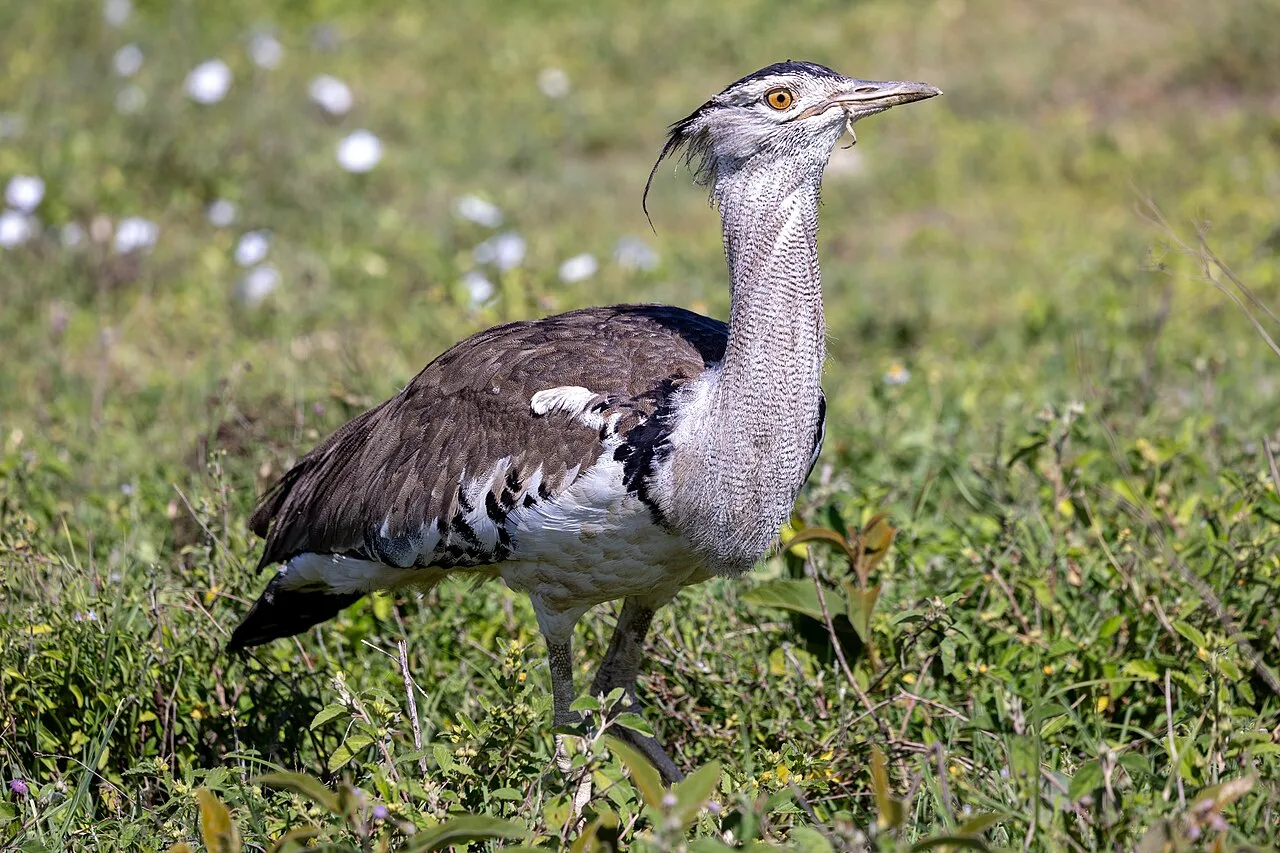
Kori Bustard: The world's heaviest flying bird, often seen regally patrolling the savannas.

Kori Bustard Martial Eagle: Africa’s largest eagle, capable of taking down small antelopes.
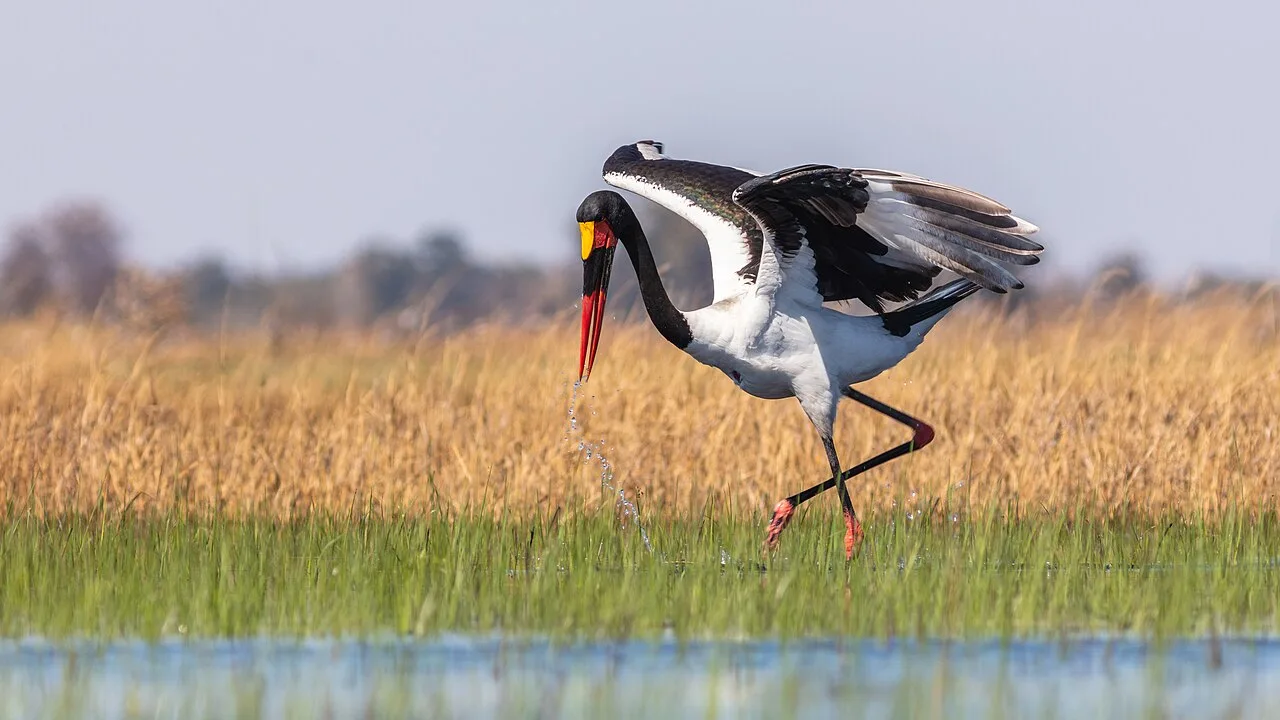
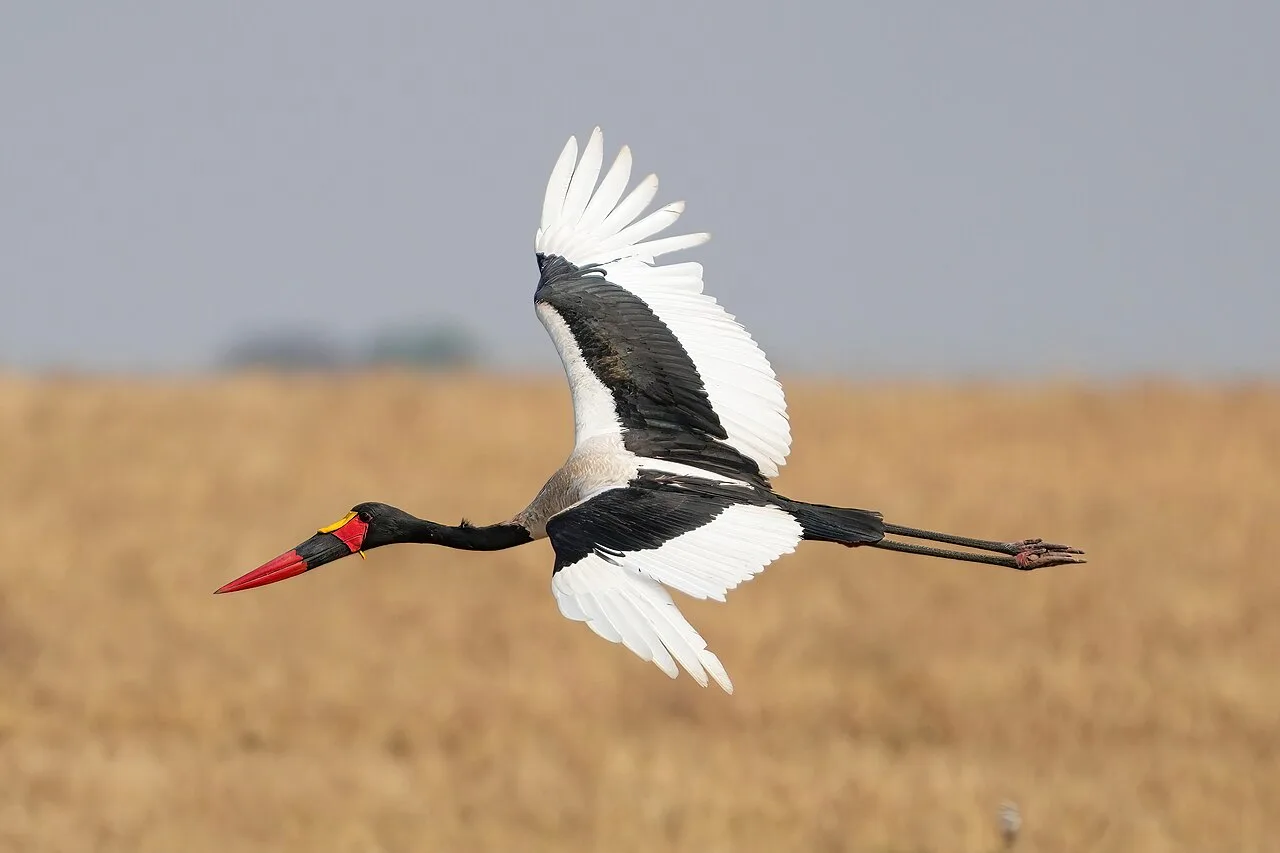
Saddle-billed Stork: A striking, tall wader with a bright yellow "saddle" on its red-and-black beak.
Saddle-billed Stork Southern Ground Hornbill: A turkey-sized, pitch-black bird with a vivid red throat pouch, often found walking in family groups.
Lappet-faced Vulture: The most powerful of the African vultures, with a massive beak built for the toughest scavenging.
Pel’s Fishing Owl: The elusive "holy grail" of the list, a large ginger-colored owl that hunts fish in the riverine forests of the north.
The Regional Hotspots
1. The Western Cape: Fynbos and Pelagics
The Cape is home to the unique Fynbos biome—a scrubland found nowhere else.
The Vibe: Coastal beauty meets botanical wonder.
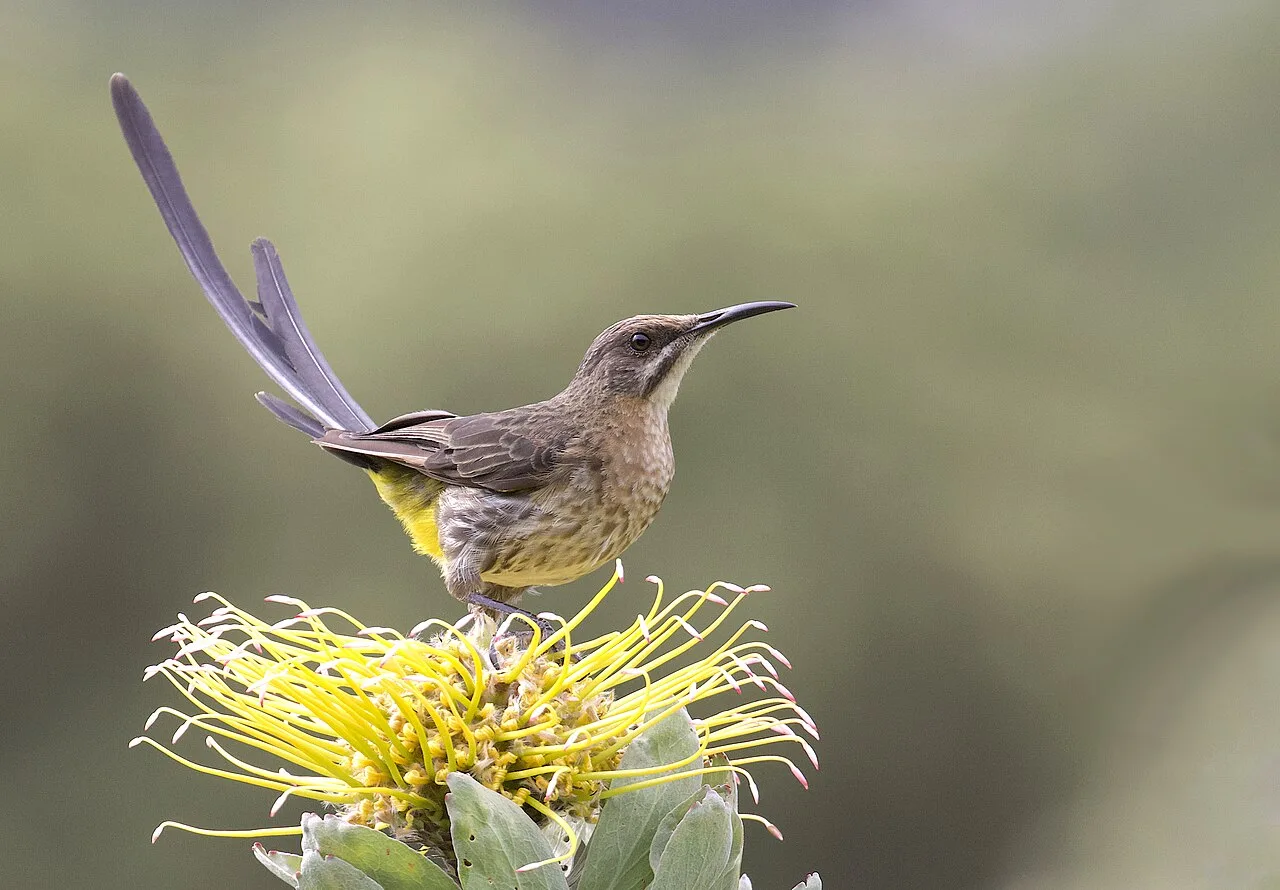
Star Species: The Cape Sugarbird (with its impossibly long tail) and the iridescent Orange-breasted Sunbird.

Cape Sugarbird The Must-Do: Visit Boulders Beach to see the African Penguin colony, then head out on a "pelagic" boat trip from Hout Bay to see thousands of Albatrosses and Petrels following fishing trawlers.
2. Kruger National Park: The Bushveld
Kruger is roughly the size of Israel and is the premier destination for savanna birding.
The Vibe: Classic African safari.
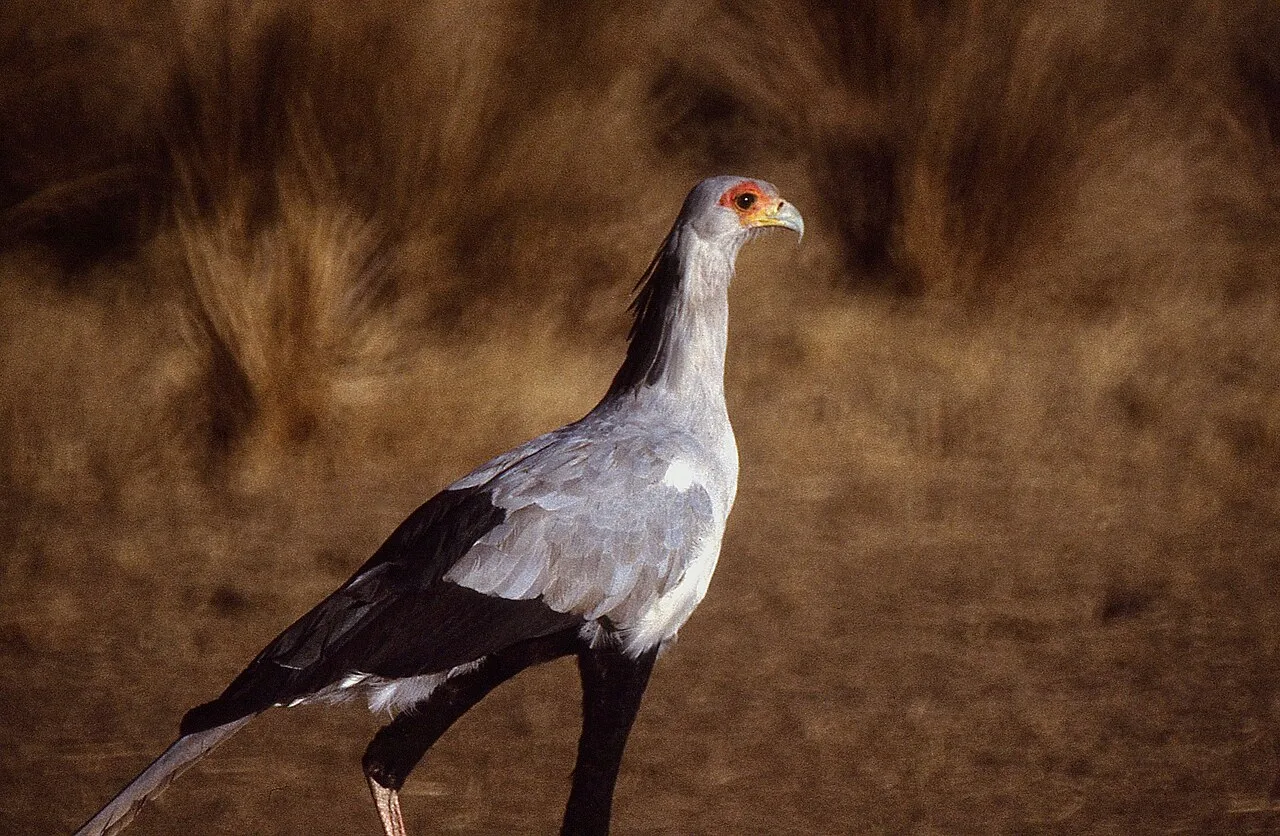
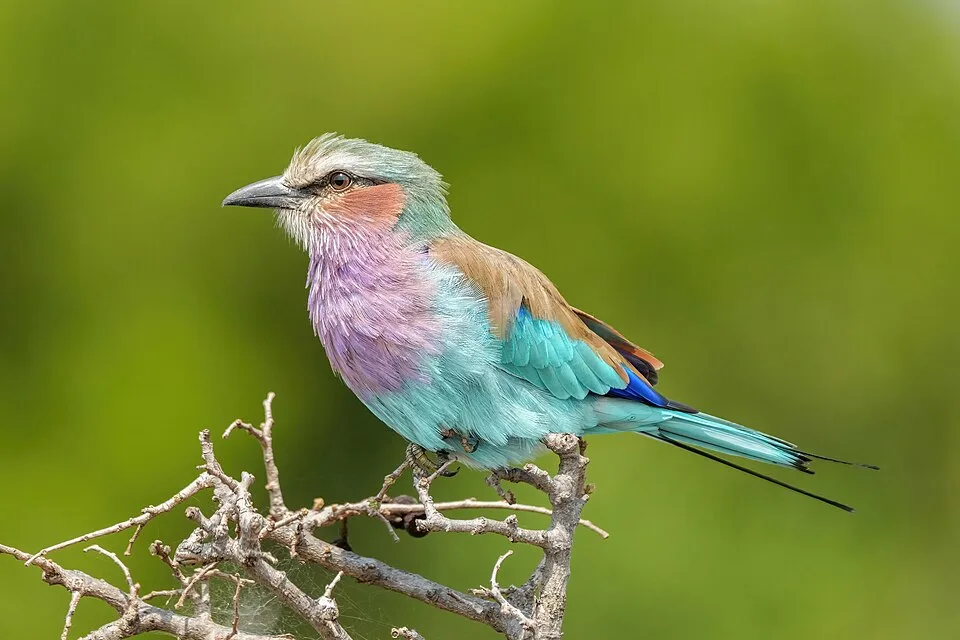
Star Species: Over 500 species reside here. Look for the Lilac-breasted Roller (often called the world's most beautiful bird), Toco Toucans (South African cousins), and the curious Secretarybird—a raptor that hunts snakes on foot using powerful kicks.
3. KwaZulu-Natal: The Wetlands and Mountains
This province offers the most diverse birding in the country, from the UNESCO-listed iSimangaliso Wetland Park to the soaring Drakensberg Mountains.
The Vibe: Tropical marshes to alpine peaks.
Star Species: In the wetlands, look for Pink-backed Pelicans and African Fish Eagles. In the mountains, take a 4x4 up the Sani Pass to find the Drakensberg Rockjumper and the magnificent Bearded Vulture (Lammergeier).
Planning Your Trip: Logistics for U.S. Travelers
1. Entry Requirements (2026 Update)
Visa: For U.S. citizens, South Africa remains exceptionally easy to visit. You do not need a visa for stays up to 90 days for tourism.
Passport: Your passport must be valid for at least 30 days after your intended departure date and must have at least two blank "Visa" pages (though four is recommended if you are also visiting neighboring countries like Botswana or Namibia).
Currency: The South African Rand (ZAR) is the local currency. While credit cards are widely accepted in cities and lodges, carrying some cash for small tips and rural markets is helpful.
2. When to Go
The Peak (October to February): This is the South African spring/summer. Intra-African and Palearctic migrants are present, and resident birds are in their bright breeding plumage.
The Winter (May to August): While it's the "low" season for birding activity, it's the best time for mammal viewing in Kruger, as the bush is thin and animals congregate at waterholes.
3. Health and Safety
Malaria: Parts of Kruger and Northern KwaZulu-Natal are malaria zones. Consult your doctor about prophylactics.
Water: In major cities, tap water is safe to drink, but bottled water is recommended in more remote bush camps.
Top Lodging Recommendations
| Lodge/Area | Region | Birding Highlight |
| Kirstenbosch Gardens | Cape Town | Easy access to all Fynbos endemics in a stunning botanical setting. |
| &Beyond Ngala | Kruger | Luxury safari with expert trackers who can find the "Big Six." |
| Ghost Mountain Inn | Zululand | Prime location for the Pink-throated Twinspot and Neergaard’s Sunbird. |
| Wakkerstroom | Mpumalanga | A quaint village that is the world capital for rare, high-altitude Larks. |
Expert Travel Tips
The "Slow Safari": Don't just rush from lion to lion. Ask your guide to focus on "the little things." Most safari guides are closet birders and will be thrilled to help you find a Narina Trogon or a Bokmakierie.
Self-Drive vs. Guided: South Africa is one of the few places in Africa where you can easily rent a car and "self-drive" birding routes. The roads are excellent, and the national parks are well-signposted.
Pack for "The Chill": Even in summer, early morning game drives in an open-top vehicle are freezing. Bring a warm, windproof jacket and a beanie.
South Africa is a destination that rewards curiosity. Whether you are scanning the cliffs of the Drakensberg for a rare vulture or watching a Malachite Kingfisher dive into a lagoon, the "Rainbow Nation" offers a birding experience that is as colorful and varied as its culture.
