

The Chesapeake Bay is more than just a geographic landmark; it is the beating heart of the Atlantic Flyway. Spanning roughly 200 miles from the mouth of the Susquehanna River to the Atlantic Ocean, the Bay’s intricate network of brackish marshes, shallow seagrass beds, and freshwater tributaries provides a sanctuary for over one million wintering waterfowl each year.
For the American birder, Maryland’s portion of the Bay offers a front-row seat to one of the most spectacular avian migrations on the planet. From the trumpeting calls of Tundra Swans to the silent, prehistoric silhouette of a Great Blue Heron stalking the shallows, the "Great Shellfish Bay" is a theater of survival and beauty.
The Winter Spectacle: Tundra Swans and Geese
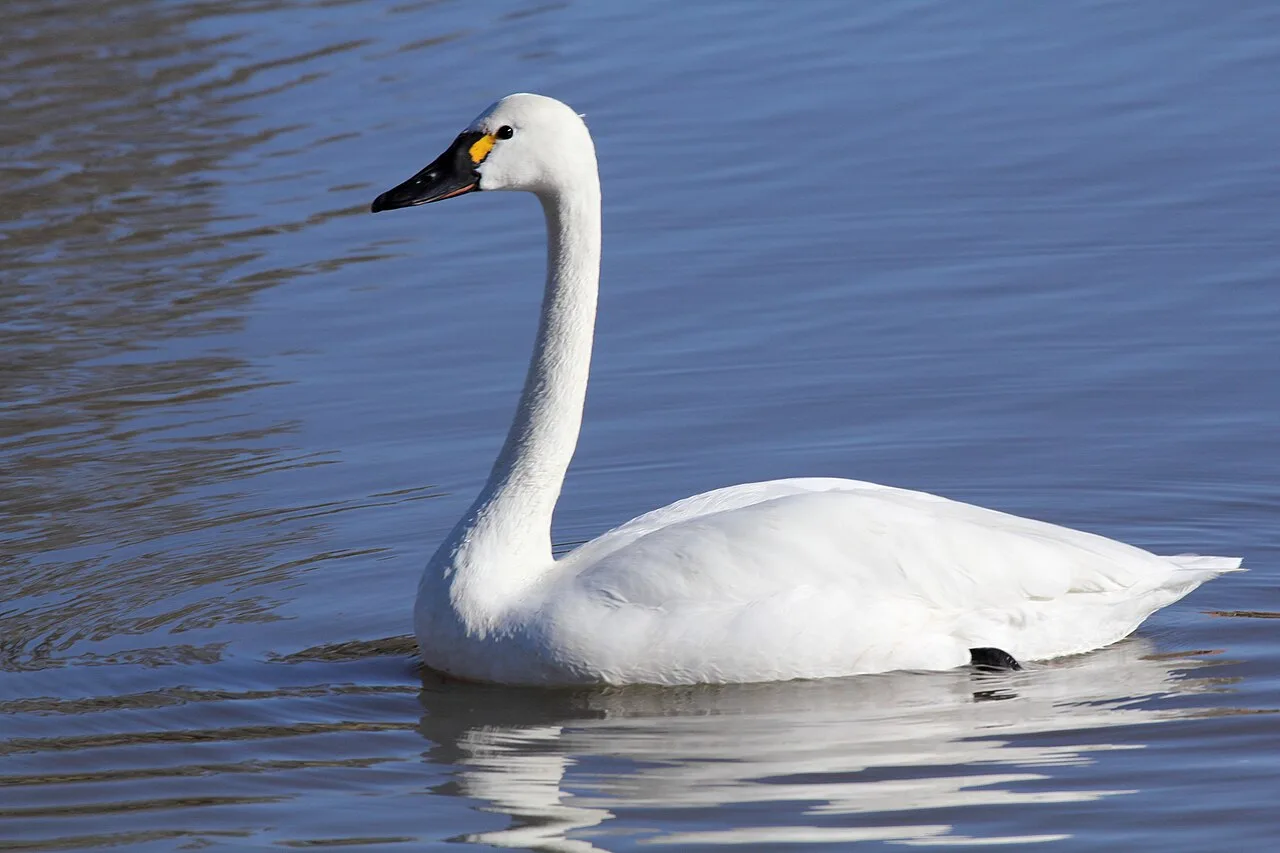
As the first frost settles over the Mid-Atlantic, the Chesapeake transforms into a winter haven. Perhaps the most iconic winter resident is the Tundra Swan. These birds travel thousands of miles from the Arctic tundra to find open water and abundant underwater grasses in the Bay. Seeing a raft of several hundred white swans bobbing on the gray winter water of the Eastern Shore is a quintessential Maryland experience.
Joining them are the massive flocks of Canada Geese. While many are year-round residents, the migratory populations from the north fill the sky in rhythmic "V" formations, their honking a constant soundtrack to the Maryland winter. Less common but equally striking is the Snow Goose, which often gathers in enormous, swirling white "blizzards" in agricultural fields near the coast.
The Divers and the Dabblers

The Chesapeake is "duck heaven," hosting an incredible variety of species divided largely by how they feed: the dabblers and the divers.
1. The Dabbling Ducks
Found primarily in the shallower marshes and edges, dabblers feed by tipping their tails in the air to reach aquatic plants.
American Black Duck: A shy, dark-bodied cousin of the Mallard, this bird is a high-priority species for Maryland conservationists. It thrives in the salt marshes of the lower Bay.
Northern Pintail: Known for its elegant, slender neck and pointed tail, the Pintail is often considered the most beautiful duck on the Bay.
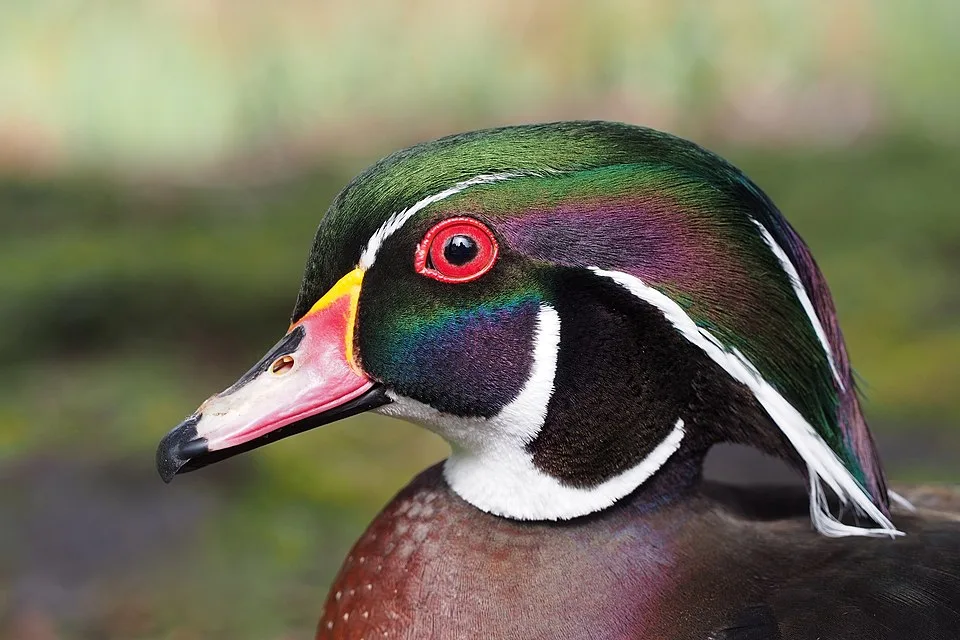
Wood Duck: Breeding in Maryland's wooded swamps, the "Woodie" is a kaleidoscope of color, easily identified by its slicked-back crest and intricate patterns.
2. The Diving Ducks

These birds prefer the deeper, open waters of the Bay and its larger tributaries, disappearing beneath the surface to hunt for fish, mollusks, and submerged vegetation.
Canvasback: Historically, the Chesapeake was famous for its Canvasback populations, which came to feed on "wild celery." While their numbers have fluctuated with the health of the Bay's grasses, they remain a "bucket list" bird for many.
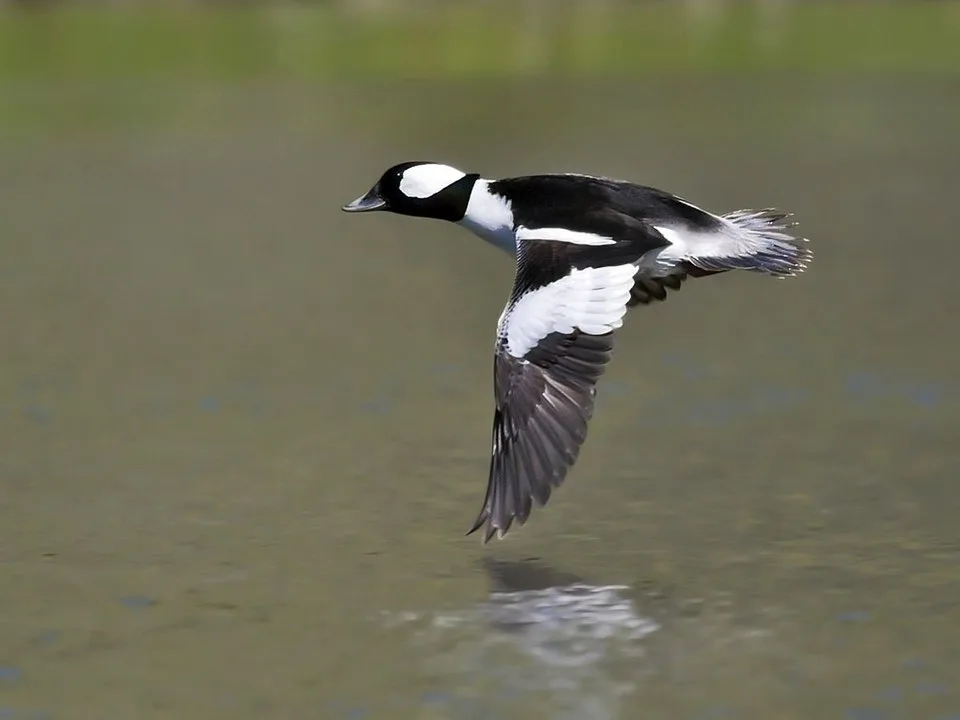
Bufflehead: These tiny, energetic ducks are hard to miss. The males have a large white patch on the back of their heads that seems to glow against the dark water.
Long-tailed Duck: A rare but regular winter visitor, these ducks are famous for their incredibly long, needle-like tail feathers and their haunting, musical calls.
Sentinels of the Marsh: Herons and Egrets
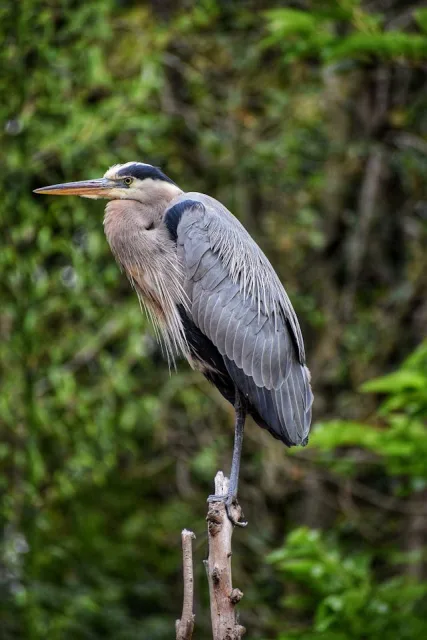
While waterfowl dominate the winter, the warmer months belong to the wading birds. The Great Blue Heron is the unofficial sentinel of the Chesapeake. Standing nearly four feet tall, these birds are masters of patience, standing perfectly still in the reeds before striking a fish with lightning speed.
During the summer, the marshes of the Eastern Shore—especially around Blackwater National Wildlife Refuge—are dotted with the brilliant white of Great Egrets and Snowy Egrets. Their presence is a testament to the productivity of the Bay's "nursery" areas, where small fish and crustaceans provide an endless buffet for growing chicks.
The Osprey: The Bay’s Most Famous Fisherman

No discussion of Maryland’s birds is complete without the Osprey. Maryland plays host to one of the largest breeding populations of Ospreys in the world. These "fish hawks" arrive in March, often returning to the exact same nesting platform year after year.
Their dramatic hunting style—hovering high above the water before diving feet-first to snatch a Menhaden or Perch—is a common sight from the Bay Bridge to the smallest creeks of the Western Shore. They serve as a vital indicator of the Bay’s health; a high Osprey nesting success rate usually signals a healthy fish population and clean water.
Conservation: Protecting the "Nursery"
Despite its beauty, the Chesapeake Bay ecosystem is fragile. The birds of the Bay face significant challenges:
Habitat Loss: Development and sea-level rise are slowly encroaching on the vital salt marshes that birds like the Black Rail (a state-endangered species) depend on.
Water Quality: Runoff from farms and suburban lawns leads to "dead zones" and algae blooms that kill the underwater grasses waterfowl need for food.
Human Disturbance: Rapid boating and shoreline activity can flush birds from nesting sites, leading to egg loss or abandonment.
Efforts like the Chesapeake Bay Program and the work of groups like Audubon Mid-Atlantic are focused on restoring seagrasses and protecting "Important Bird Areas" (IBAs) to ensure the Atlantic Flyway remains open for business.
Where to Go: Maryland’s Birding Hotspots
If you’re ready to see these birds for yourself, Maryland offers world-class viewing locations:
Blackwater National Wildlife Refuge (Cambridge, MD): Often called the "Everglades of the North," this is the premier spot for eagles, ospreys, and thousands of wintering ducks.
Sandy Point State Park (Annapolis, MD): Located right at the base of the Bay Bridge, this is a fantastic spot to scan for diving ducks and loons in the winter.
Conowingo Dam (Darlington, MD): Famous for hosting one of the largest congregations of Bald Eagles in the lower 48 states during the winter months.
Assateague Island National Seashore (Berlin, MD): While on the Atlantic coast, the bay side of the island is a haven for Brant (a small sea goose) and migratory shorebirds.
Maryland's wetlands are a reminder that the natural world is constantly in motion. Whether it’s the arrival of the first Osprey in spring or the departure of the Tundra Swans in the fall, the rhythm of the Chesapeake Bay is dictated by the wings of its birds.
