
New York is a state of dramatic contrasts, and for the birdwatcher, these transitions offer a treasure trove of diversity. Spanning from the salt spray of the Atlantic Ocean to the high-altitude boreal forests of the north, the "Empire State" provides a mosaic of habitats that support over 450 recorded species. Whether you are navigating the concrete canyons of Manhattan or the granite peaks of the Adirondacks, New York offers a world-class birding experience that changes profoundly with the seasons.
The Urban Oasis: Central Park and the Magic of Migration

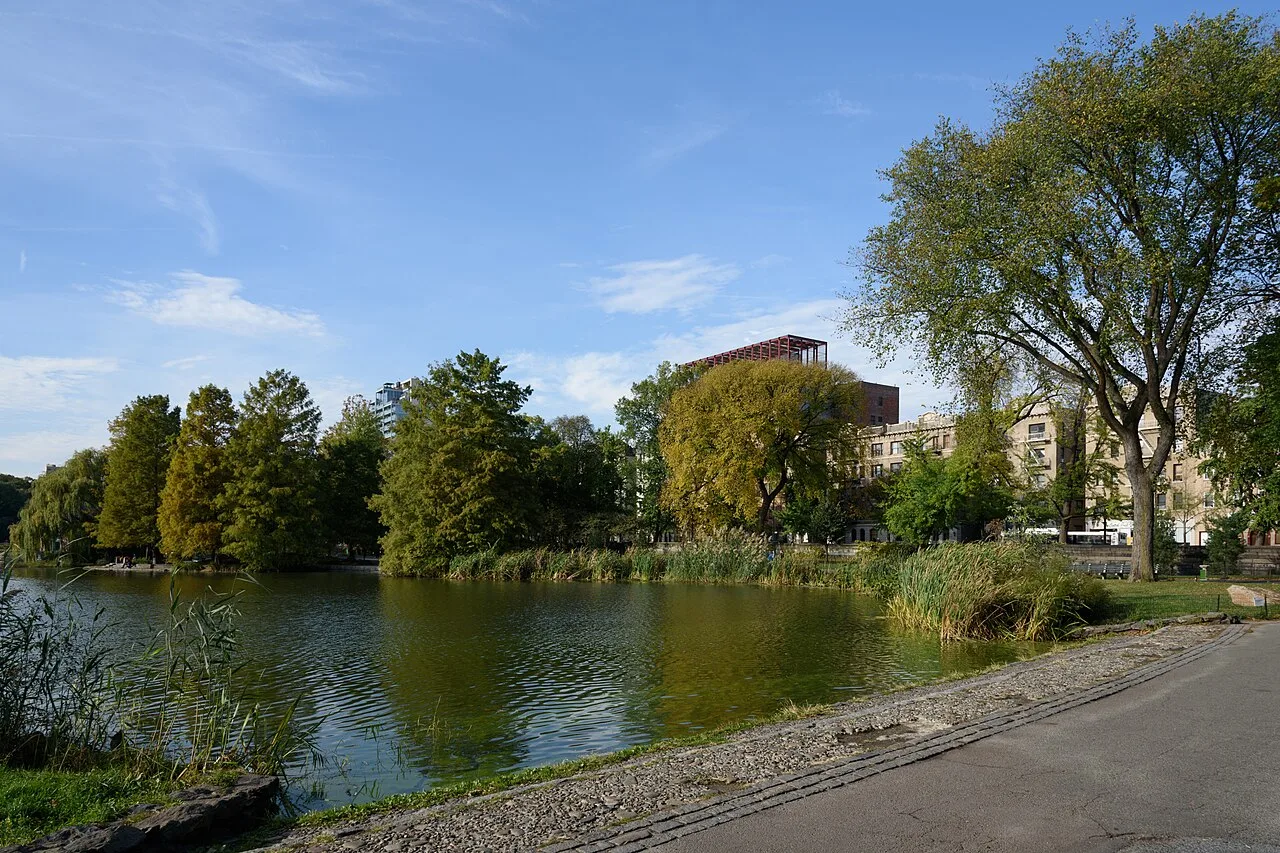
It might seem counterintuitive to start a birding journey in the middle of America’s most populous city, but Central Park is globally renowned as a migratory "trap." As birds travel north along the Atlantic Flyway in the spring, the park’s 843 acres of green space act as a lush island in a sea of skyscrapers and glass.
During the month of May, "The Ramble"—a 36-acre woodland in the center of the park—becomes the epicenter of East Coast birding. On a good day, a single morning can yield over 20 species of warblers.
The Wood-Warbler Spectacle: Look for the brilliant yellow of the Prothonotary Warbler or the striking black-and-orange of the American Redstart.
The Residents: Beyond the migrants, the park is home to famous residents like the Red-tailed Hawks (descendants of the legendary "Pale Male") and the vocal Northern Cardinals that provide a splash of red against the cityscape.
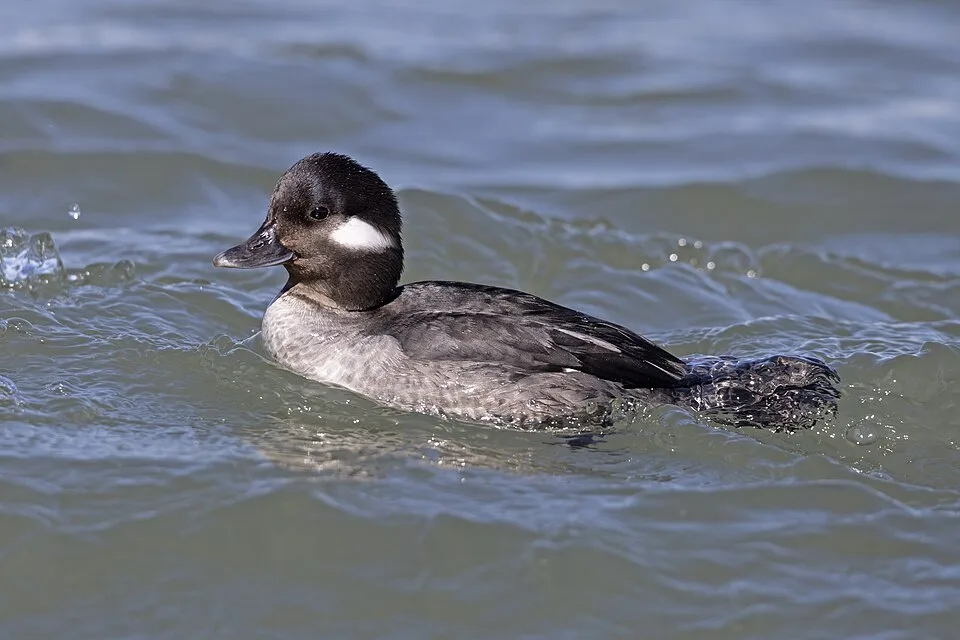
The Reservoir: The Jacqueline Kennedy Onassis Reservoir is a prime spot for wintering waterfowl, including Buffleheads, Northern Shovelers, and occasionally, the rare Tufted Duck.
The Atlantic Coast: Long Island and Jamaica Bay
Heading east from the city, the landscape shifts to the coastal dunes and salt marshes of Long Island. This is the realm of shorebirds, terns, and sea ducks.
Jamaica Bay Wildlife Refuge, located just a stone's throw from JFK Airport, is one of the most important urban wildlife refuges in the United States. Its salt marshes and "East and West Ponds" are vital stopover points for thousands of shorebirds.
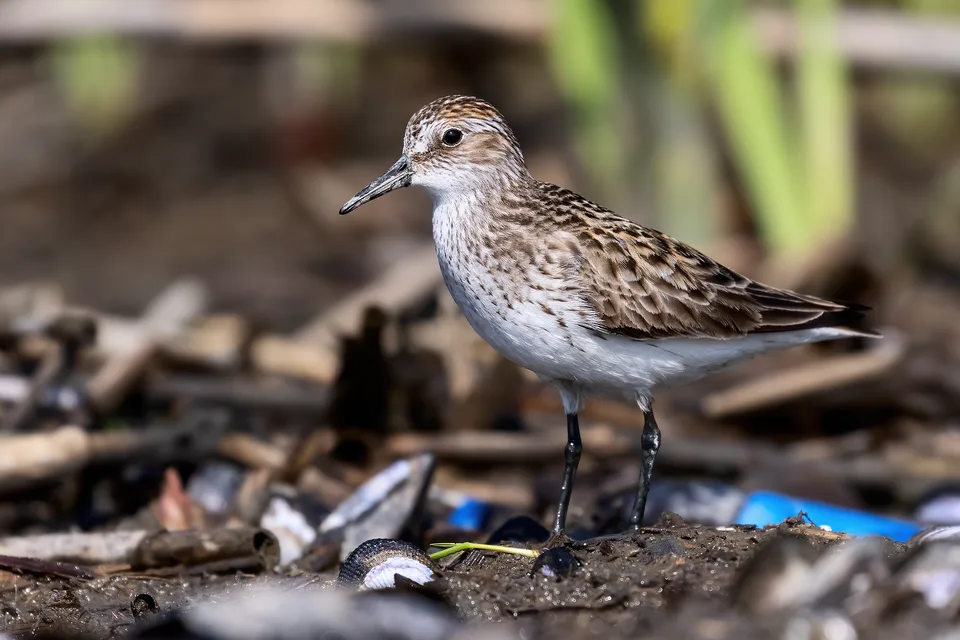
Shorebirds: In late summer and fall, the mudflats are alive with Semipalmated Sandpipers, Greater Yellowlegs, and American Oystercatchers with their unmistakable bright orange bills.
The Terns: During the summer, look for Common Terns and the endangered Roseate Tern diving for fish in the surf.
Winter Seawatching: At spots like Montauk Point, birders brave the freezing wind to scan the ocean for Common Eiders, all three species of Scoters, and the elegant, white-winged Razorbills that bob in the heavy swells.
The Hudson Valley: Raptors and River Birds
As you follow the Hudson River north, the geography becomes more rugged. The Hudson Valley serves as a massive corridor for migrating raptors and waterbirds.
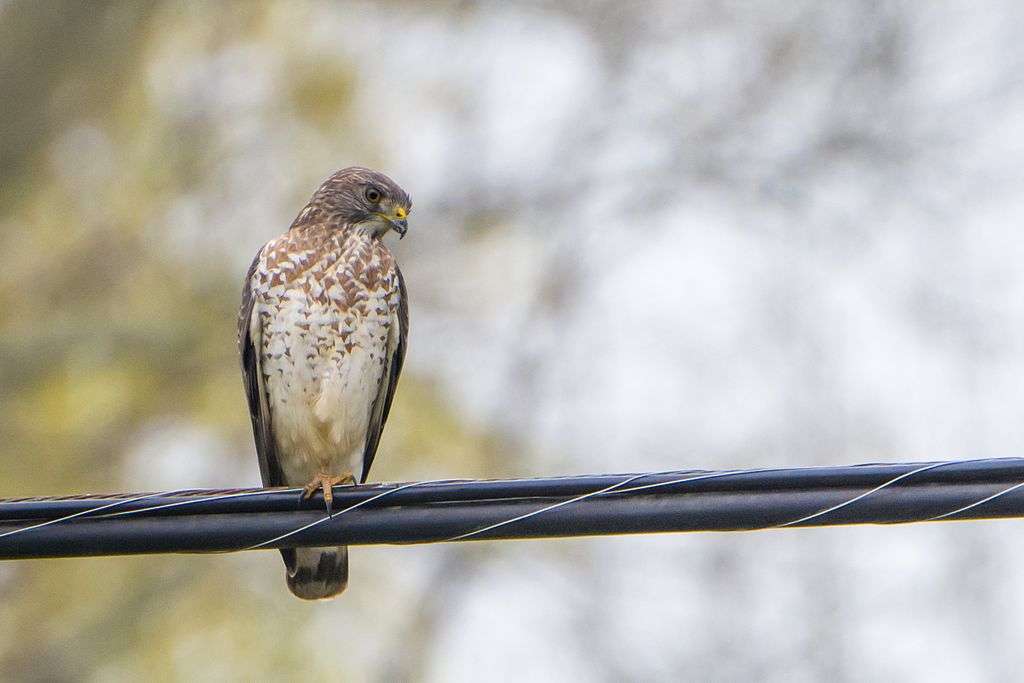
Constitution Marsh and the surrounding highlands are fantastic for spotting Bald Eagles, which have made a massive comeback in the state and can now be seen year-round along the river. During the autumn migration, "Hawk Watches" at places like Mount Peter or Hook Mountain offer a chance to see thousands of Broad-winged Hawks and Sharp-shinned Hawks riding the thermals as they head south.
The Boreal Jewel: The Adirondack Mountains
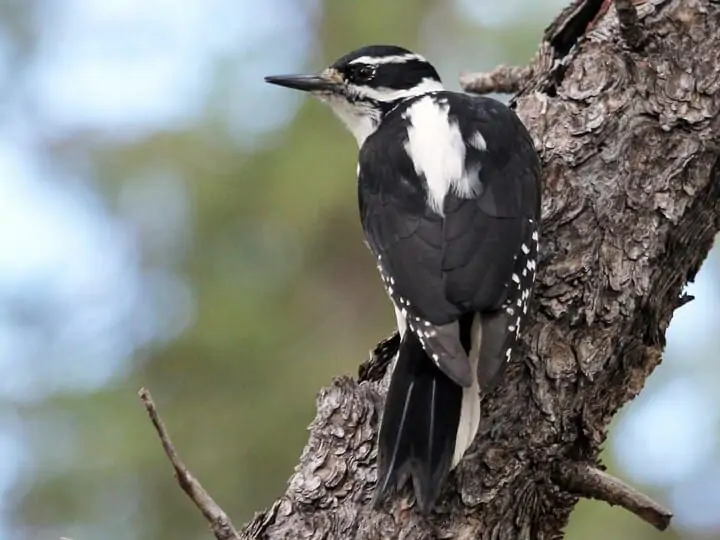
The crown jewel of New York birding is undoubtedly the Adirondack Park. Covering over six million acres, it is the largest protected area in the contiguous United States. Here, the birdlife takes on a distinctly "northern" flavor, featuring species that you would typically have to travel to Canada to find.
The high-elevation spruce-fir forests and "quaking" bogs of the Adirondacks are the only places in the state to find the highly sought-after boreal specialists.
The Spruce Grouse: This secretive bird is often found in dense coniferous stands. It is a state-endangered species and a prize for any serious birder.
The Black-backed Woodpecker: Recognizable by its three-toed feet and the male's yellow crown, this bird thrives in areas with dead or burnt timber where it hunts for wood-boring beetle larvae.
The Boreal Chickadee: Distinguished from the common Black-capped Chickadee by its brown cap and raspier call.
Bicknell’s Thrush: One of the rarest and most localized birds in North America, this thrush breeds only in the stunted "krummholz" forests above 3,000 feet. Hearing its ethereal, spiraling song at dawn on a peak like Whiteface Mountain is a spiritual experience for birdwatchers.
The Great Lakes and Western New York
To the west, the state borders Lake Ontario and Lake Erie, creating a "Third Coast" that is spectacular for waterbird migration.
Derby Hill Bird Observatory on the eastern end of Lake Ontario is legendary for its spring hawk flights. When a warm south wind blows, hawks reaching the lake are reluctant to cross the wide expanse of water and instead follow the shoreline, leading to spectacular "kettle" formations where hundreds of raptors circle together in the sky.
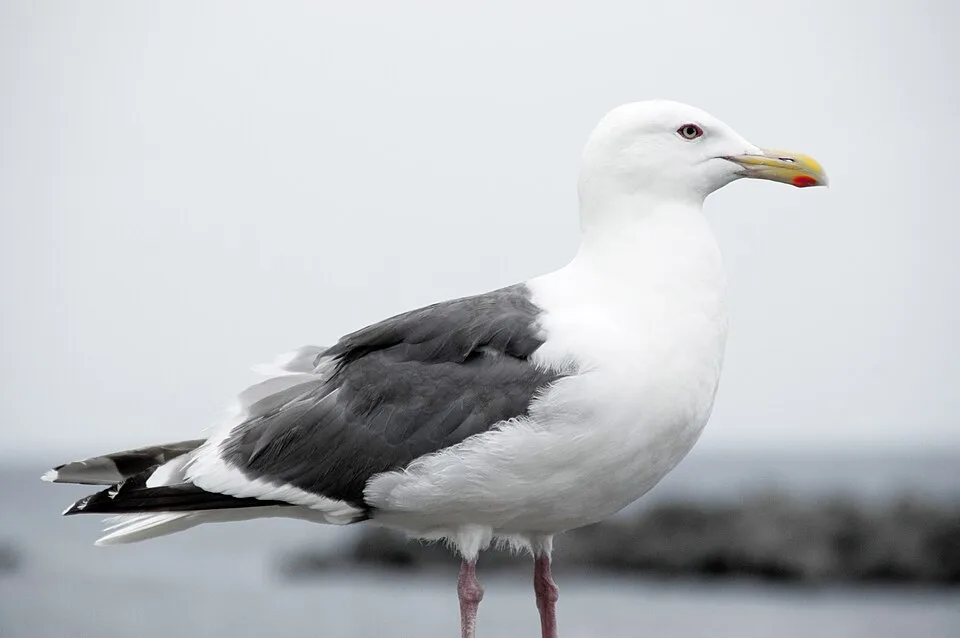
In winter, the Niagara River becomes the "Gull Capital of the World." Up to 19 species of gulls have been recorded here in a single season, attracted by the churning, nutrient-rich waters below the falls. Birders from across the globe visit to find rarities like the Little Gull or the Slaty-backed Gull among the thousands of Bonaparte’s and Herring Gulls.
Conservation in the Empire State

New York’s bird populations face the modern challenges of habitat loss, climate change, and window collisions in urban areas. However, the state is a leader in conservation initiatives.
Bird-Friendly Building Legislation: New York City recently passed laws requiring new buildings to use bird-friendly glass to reduce the thousands of annual deaths caused by reflections.
The Young Forest Initiative: In the Southern Tier, efforts are underway to create early-successional habitat for declining species like the Golden-winged Warbler and American Woodcock.
Vulnerable Marshlands: Protecting the salt marshes of Long Island from rising sea levels is critical for the survival of the Saltmarsh Sparrow, a species that could face extinction if its nesting habitat is submerged.
A State for All Seasons
New York is a destination that never truly has an "off-season" for birding.
Spring: Focus on the warbler migration in Central Park and Prospect Park.
Summer: Head to the Adirondacks for boreal nesters or Long Island for beach-nesting birds.
Fall: Visit the Hawk Watches in the Hudson Valley or the shorebird mudflats at Jamaica Bay.
Winter: Scout the Niagara River for gulls or the snowy fields of the Finger Lakes for Short-eared Owls and Snow Buntings.
From the highest peak of Mount Marcy to the deepest subway station in Manhattan, birds are woven into the fabric of New York. The state reminds us that no matter how urbanized our environment becomes, the ancient rhythms of migration and the resilience of the natural world are always just a binoculars-length away.
