
In the heart of the Midwest, tucked between the bustle of Purdue University and the quiet suburbs of West Lafayette, lies a 195-acre sanctuary that feels worlds away from the concrete jungle. The Celery Bog Nature Area is more than just a local park; it is a vital ecological bridge, a living history lesson, and one of the best places in Indiana to witness the seasonal rebirth of the natural world.
Whether you are a resident of Tippecanoe County or a traveler looking for a serene detour off I-65, the Celery Bog offers a unique blend of "wild" Indiana and accessible recreation.

A Name Rooted in the Soil: The Bog’s History
The name "Celery Bog" often raises eyebrows. Is it actually a bog? And why celery?
Scientifically speaking, the area is technically a marsh rather than a bog. While a true bog is acidic and nutrient-poor, the Celery Bog is nutrient-rich and fed by surface water. However, the name is a nod to its hardworking past. Throughout much of the early 20th century, this land was a massive vegetable farm.
Immigrants from Northern Holland settled here, recognizing that the rich, peat-heavy soil was nearly identical to the fertile grounds of their homeland. They tilled the land by hand, growing onions, carrots, and potatoes, but their most famous crop was celery. In fact, they were known for producing crisp, white celery hearts that were a staple of Thanksgiving tables across the region.
The farming era eventually ended, and the drainage tiles that once kept the fields dry began to fail. Nature reclaimed the land, the water returned, and today, it stands as one of the most "significant sites" listed by the Indiana Natural Heritage Program.
The Early Bird Arrivals

If you visit the Bog in spting, you are arriving at peak "symphony season." The Celery Bog is a critical stopover on the Mississippi Flyway, a migratory highway for birds traveling from Central and South America to the northern forests.
What to Look for This Month:
The Red-winged Blackbirds: You’ll hear them before you see them. Their metallic kon-ka-ree! call echoes across the five wetland basins.
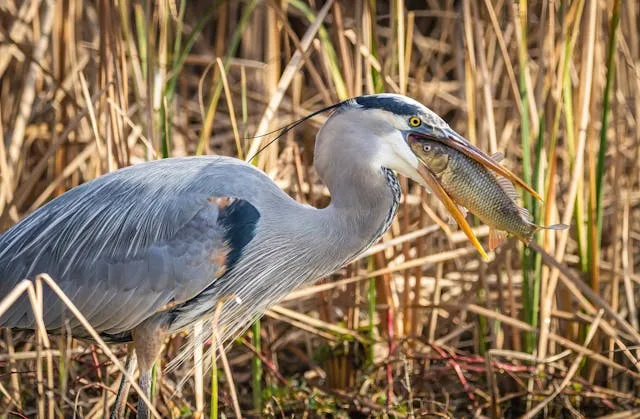
The Great Blue Herons: These prehistoric-looking giants are frequently seen stalking the shallows.
The "Butterbutts": Look for the Yellow-rumped Warblers flitting through the budding trees. They are the first warblers to return, easily identified by the bright yellow patch on their lower back.
The Rare Guests: With over 260 species recorded on eBird, the Bog occasionally hosts rare visitors like the American Bittern or even the occasional Sandhill Crane passing through.
Trails for Every Pace

One of the reasons the Celery Bog is so beloved by the U.S. audience is its accessibility. It caters to both the "hardcore" hiker and the casual stroller.
1. The Cattail Trail (Paved)
Boasting 4.3 miles of paved trails, the Cattail Trail is perfect for cyclists, rollerbladers, and those using wheelchairs or strollers. It winds through woods, savannas, and prairies, providing a smooth surface with gentle grades. It also connects to the larger West Lafayette trail system, offering over 11 miles of exploration.
2. The Footpaths (Natural)
For those who want to get their boots a little muddy, there are 2.5 miles of natural trails. These paths take you deep into the Scifres-Maier Woods Nature Preserve, a 7-acre section of the park that features massive, old-growth trees. These trails lead to secluded observation decks that overlook the marsh—places where the only sound you’ll hear is the wind in the reeds.
The Lilly Nature Center: A Hub of Learning

Located at the park entrance (1620 Lindberg Road), the Lilly Nature Center serves as the educational heart of the Bog. It’s an ideal spot for families, featuring interactive exhibits about wetland ecology, local wildlife, and the history of the Dutch farmers.
Pro-Tip: If you have kids in tow, stop by the front desk to check out a Family Environmental Fun Pack. These packs are loaded with tools like binoculars, magnifying glasses, and field guides to turn your walk into a full-blown expedition.
The center is typically open Wednesday through Saturday from 10:00 AM to 5:00 PM, and Sundays from 1:00 PM to 5:00 PM. (Note: It usually closes on Purdue home football game days, so check the schedule if you’re visiting in the fall!)
Tips for Your Visit
To make the most of your trip to the Indiana Celery Bog, keep these local secrets in mind:
Golden Hour is Best: The lighting at sunset over the western edge of the bog is spectacular. It’s also when the local deer, rabbits, and foxes are most likely to make an appearance.
Mind the Mud: April in Indiana is notoriously wet. If you plan on hitting the natural footpaths, wear waterproof boots.
The "Secret" View: For a unique perspective, you can actually view the northern end of the bog from the pedestrian walkway on the Lindberg Road bridge. It offers a great panoramic view of the wetland basins.
Bikes on Pavement Only: To protect the delicate ecosystem and the quiet of the woods, cycling is restricted to the paved Cattail Trail.
Why It Matters

In an era of rapid urban development, places like the Celery Bog are vital. They act as "nature’s kidneys," filtering runoff and providing a sanctuary for everything from the tiny spring peeper frog to the soaring osprey.
For us humans, it provides a "third space"—a place that isn't work and isn't home, but a neutral ground where we can reconnect with the rhythm of the seasons. As the spring of 2026 unfolds, there is no better place in the Hoosier state to witness the quiet, persistent power of nature than the Celery Bog.
